In 2025 heeft China zich onwrikbaar gevestigd als het internationale epicentrum van de modernisering en ontwikkeling van slimme straatverlichting. Voor EPC-aannemers, metropolen en verlichtingsmerken wereldwijd draait het bij China niet langer alleen om kosten, maar ook om systeemintegratie, schaalbaarheid, compatibiliteit en langdurige projectzekerheid.
Het voordeel van China ligt in het uitgebreide en verticaal geïntegreerde ecosysteem. Van fabrikanten van led-straatverlichting tot ontwerpers van besturingssystemen, van fotocel Van experts tot makers van cloudplatformen, China biedt een totaaloplossing voor de slimme verlichting van metropolen die door geen enkele andere republiek geëvenaard wordt. Deze omgeving maakt snellere projectimplementatie, probleemloos onderhoud en toekomstbestendige ontwikkelingen mogelijk.
Naarmate de vraag naar slimme straatverlichtingsoplossingen in China toeneemt – gedreven door verstedelijking, energiezuinigheidsrichtlijnen en smart city-initiatieven – kijken internationale afnemers steeds vaker naar Chinese verlichtingsleveranciers die gecertificeerde, intelligente en betrouwbare systemen op grote schaal kunnen leveren.
Dit artikel legt uit waarom Chinese leveranciers de internationale aanbestedingen domineren, beoordeelt de top 12 aanbieders van slimme straatverlichtingsoplossingen in China en beschrijft hoe EPC-leveranciers de juiste partner kunnen selecteren voor verschillende projecttypen.

Waarom kiezen internationale EPC-aannemers voor Chinese leveranciers van slimme straatverlichting?
China's leidende positie op het gebied van slimme stadsverlichtingssystemen is het resultaat van vier structurele sterke punten:
- Volledige technische expertise
China produceert alles wat essentieel is voor slimme verlichting – armaturen, drivers, controllers, sensoren, communicatiemodules, NEMA-fotocelinterfacecomponenten, Zhaga Book 18-fittingen en cloudplatformen – binnen één geïntegreerde engineeringomgeving. - Voorbereiding op internationale certificering
Toonaangevende Chinese leveranciers ontwerpen producten die specifiek voldoen aan de UL-, CE-, CB-, RoHS- en ENEC-normen., ANSI C136, Zhaga-D4i, en regionale biedingswensen, waardoor het risico op instemming voor EPC-aannemers afneemt. - Massaproductie met maatwerkopties
Anders dan in veel goedkope regio's combineren Chinese producenten een hoge productiecapaciteit met OEM/ODM-flexibiliteit, waardoor ze maatwerk kunnen leveren op het gebied van wattage, kleurtemperatuur (CCT), optiek, besturingsprotocollen en merkuitstraling. - Snelle uitvindingcycli
De nauwe samenwerking tussen componentleveranciers en systeemintegratoren versnelt de ontwikkeling van innovatieve oplossingen voor de aansturing van straatverlichting, IoT-connectiviteit en datagestuurde verlichtingsregeling.
Deze sterke punten verklaren waarom China nu de standaardleverancier is voor internationale projecten op het gebied van slimme straatverlichting.
Welke zijn de 12 beste aanbieders van slimme straatverlichting in China?
Hieronder vindt u een samengestelde lijst van de 12 beste aanbieders van slimme straatverlichtingsoplossingen in China, beoordeeld op basis van exportkennis, certificeringen, technische expertise en prestaties op het gebied van EPC-projecten.
Unilumin
Unilumin is toonaangevend in hoogwaardige slimme lichtmasten, waarin verlichting, displays, camera's, 5G-apparatuur en cloudplatformen zijn geïntegreerd. De oplossingen worden op grote schaal toegepast in Europa en Azië, waardoor ze perfect geschikt zijn voor de beste oplossingen. Slimme stadsverlichtingssystemen.
FSL-verlichting
FSL Lighting staat bekend om de grootschalige productie van LED-straatverlichting met een uitzonderlijke prijs-kwaliteitverhouding. Voor EPC-leveranciers die omvangrijke weg- of stadsbrede projecten beheren, biedt FSL Lighting gegarandeerde kwaliteit en een constante levering.
Opple Verlichting
Opple legt de nadruk op LoRa en NB-IoT-gebaseerde technologieën. oplossingen voor de aansturing van straatverlichting, waardoor het een solide optie is voor campussen, woonwijken en slimme samenlevingen die behoefte hebben aan flexibele communicatienetwerken.
Sansi Verlichting
Sansi is gespecialiseerd in krachtige LED-armaturen, die veelvuldig worden gebruikt in snelwegen, bruggen, tunnels en verkeersinfrastructuur waar betrouwbaarheid en lichtopbrengst belangrijk zijn.
Kingsun Verlichting
Kingsun combineert verlichtingshardware met slimme stadsplatformen, sensoren en controllers, en heeft een sterke projectaanwezigheid in het Midden-Oosten en Latijns-Amerika.
NVC Verlichting
NVC biedt gelicentieerde producten voor meerdere markten en volwaardige OEM/ODM-diensten aan, waardoor het aantrekkelijk is voor wereldwijde verlichtingsmerken die op zoek zijn naar oplossingen onder eigen label.
Yaming Verlichting
Met jarenlange exportervaring biedt Yaming midden- tot hoogwaardige wegverlichtingsoplossingen die gewaardeerd worden om hun betrouwbaarheid en lange levensduur.
HGG Verlichting
HGG is gespecialiseerd in producten die bestand zijn tegen hoge temperaturen, zand, vocht en zouterosie, waardoor het een uitstekende keuze is voor het Midden-Oosten en Afrika.
Yankon Verlichting
Yankon combineert concurrerende prijzen met constante kwaliteit en geniet daardoor grote populariteit in prijsbewuste maar prestatiegerichte markten.
BYD Verlichting
BYD integreert nieuwe energietechnologie en biedt straatverlichting op zonne-energie in combinatie met slimme besturingssystemen, ideaal voor projecten die niet op het elektriciteitsnet zijn aangesloten of in het kader van de energietransitie.
MLS
MLS (Nationstar) is een toonaangevende aanbieder van LED-modules, waardoor het uitermate geschikt is voor renovatieprojecten en de integratie van slimme masten met een modulair ontwerp.
Lood-Top Elektrisch
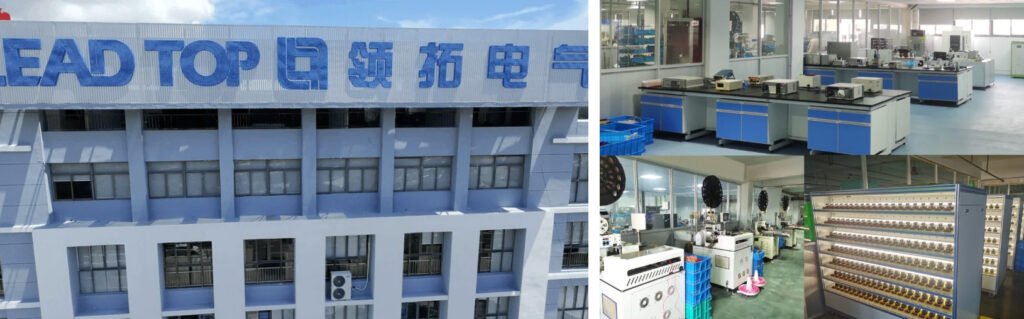
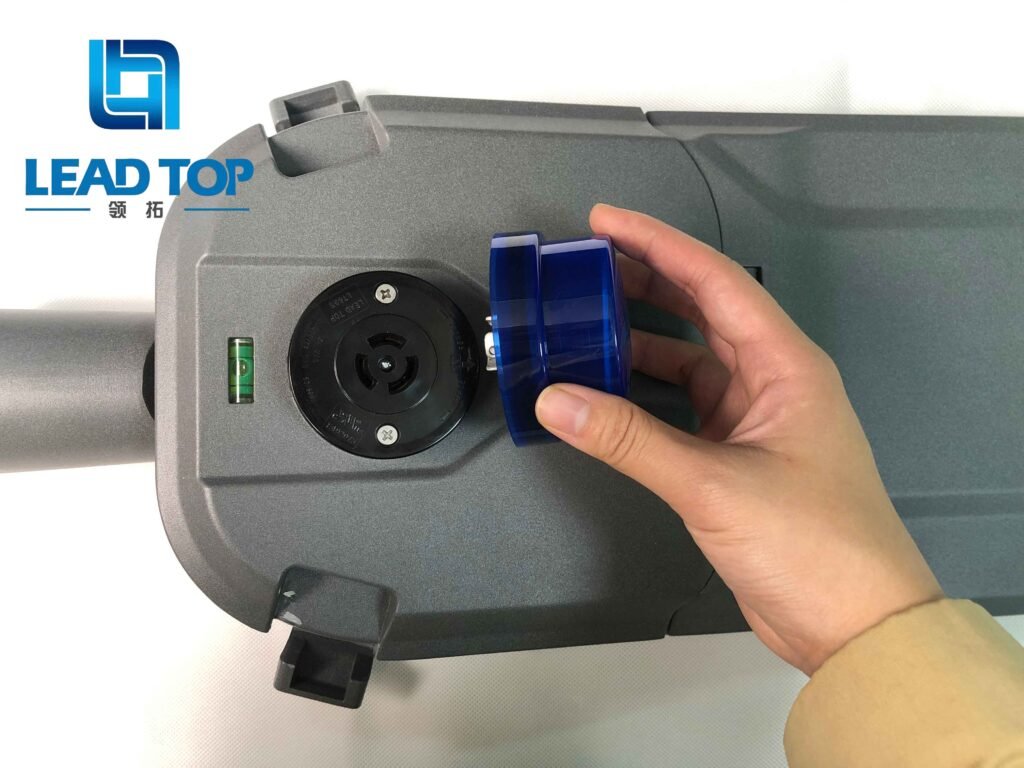
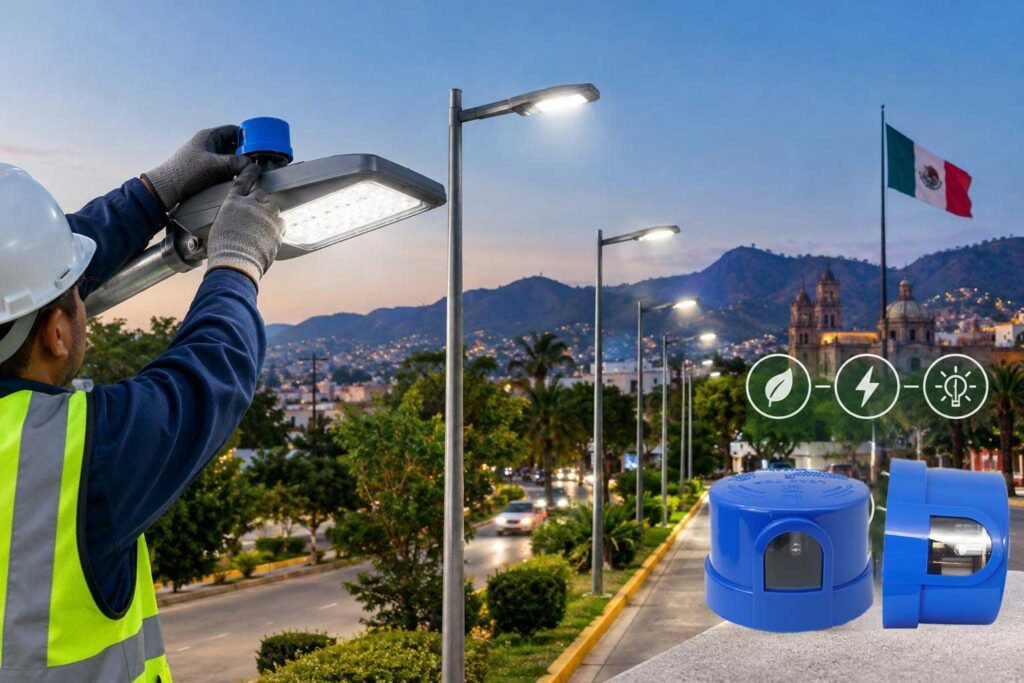
Lead-Top Electrical is een expert op het gebied van fotocellen., NEMA-aansluitingen, Zhaga Book 18-interfaces en verlichtingscontrollers. In plaats van te concurreren met armatuurmerken, biedt Lead-Top hen de mogelijkheid om samen te werken met de besturingsinfrastructuur die interoperabiliteit, compatibiliteit en langdurige systeembetrouwbaarheid garandeert in internationale projecten.
Wat zijn de belangrijkste criteria om Chinese verlichtingsleveranciers te beoordelen?
Certificering en naleving
Wereldwijde biedingen vereisen strikte naleving van UL, CE, CB, ENEC, RoHS, ANSI C136, Zhaga-D4i en regionale normen. Gecertificeerde producten voorkomen vertragingen bij de douane, uitsluiting van aanbestedingen en toekomstige juridische risico's.


Complete en modulaire productlijnen
Leveranciers die armaturen, drivers, controllers, NEMA-fotocelinterfaces, Zhaga Book 18-fittingen en sensoren in één omgeving aanbieden, verlagen het integratierisico en stroomlijnen het onderhoud – belangrijke voordelen voor de efficiëntie van de EPC-verlichtingsleveringsketen.
Milieuduurzaamheid
Internationale projecten staan voor spannende uitdagingen. Kopers dienen de volgende beoordelingen te controleren:
- Hoge hitte
- Hoge luchtvochtigheid
- Aarde en zand
- kusterosie
- Overspanningsbeveiliging (10–20 kV)
Duurzaamheid heeft onwrikbare gevolgen voor de levensduur, de kosten en de openbare veiligheid.
Stabiliteit van de toeleveringsketen
EPC-projecten vereisen regelmatig tienduizenden eenheden binnen een vastgestelde planning. Leveranciers met bewezen capaciteit, buffervoorraden en verwachte levertijden verlagen het financiële en contractuele risico.
Maatwerk en internationale ondersteuning
Succesvolle projecten in het buitenland zijn afhankelijk van Engelstalige documentatie, technische ondersteuning op afstand, OEM-merkregistratie, aanpassing van de verpakking en flexibele productieteams.
Wat zijn de meest gestelde vragen van EPC-aannemers en internationale kopers?
Heeft u lokale partners of agenten?
Ja. De meeste grote aanbieders hebben agenten of leveranciers in het Midden-Oosten, Afrika, Zuidoost-Azië en Latijns-Amerika, hoewel de dekking per land verschilt.
Kunnen we de specificaties aanpassen?
Ja. Aanpassingsmogelijkheden zijn standaard en omvatten optiek, lichtopbrengst, kleurtemperatuur (CCT), overspanningsbeveiliging, afwerking van de behuizing en bedieningsinterfaces zoals de NEMA-fotocelinterface en Zhaga Book 18.
Zijn uw producten gecertificeerd voor internationale aanbestedingen?
Ja. De hier vermelde aannemers ondersteunen hun offertes steevast met volledige certificeringsdocumentatie voor internationale aanbestedingen.
Wat is de gemiddelde productie- en levertijd?
- Standaard LED-straatverlichting: 6–10 weken
- Slimme controllers en sensoren: 10-14 weken
- Besturingscomponenten (fotocellen, fittingen): 2-4 weken, waardoor een snellere projectuitvoering mogelijk is.
Conclusie: Wat is de belangrijkste les voor internationale kopers?
De Chinese markt voor slimme straatverlichting is in 2025 ontwikkeld, schaalbaar en wereldwijd concurrerend. De twaalf belangrijkste aanbieders die hier worden beschreven, voorzien in een breed scala aan behoeften: van hoogwaardige slimme masten tot budgetvriendelijke armaturen, van oplossingen voor extreme klimaatomstandigheden tot D4i-compatibele aansturingsoplossingen voor straatverlichting.
Voor EPC-aannemers en grote steden hangt succes af van de keuze voor partners met:
| Evaluatiedimensie | Wat EPC-aannemers en gemeenten moeten controleren | Waarom dit belangrijk is voor het succes van een project |
| Bewezen internationale certificering | UL, CE, CB, ENEC, RoHS, ANSI C136, Zhaga-D4i, regionale net- of nutsbedrijfsgoedkeuringen | Garandeert naleving van aanbestedingseisen, vlotte douaneafhandeling, juridische acceptatie en verminderd projectrisico. |
| Sterke R&D- en maatwerkcapaciteit | Mogelijkheid om wattage, optiek, kleurtemperatuur (CCT), besturingsinterfaces (NEMA/Zhaga), overspanningsbeveiliging, firmware en merknaam aan te passen. | Maakt afstemming met lokale normen, klimaatomstandigheden en specificaties voor slimme steden mogelijk. |
| Stabiele toeleveringsketen en productiecapaciteit | Eigen productie, buffervoorraad, gegarandeerde levertijden, schaalbare output | Garandeert tijdige oplevering voor grote EPC-projecten en beschermt tegen vertragingen of tekorten. |
| Modulaire, toekomstbestendige architectuur | Gestandaardiseerde interfaces (NEMA, Zhaga), vervangbare controllers, D4i-compatibiliteit, open besturingsprotocollen | Maakt upgrades, uitbreiding van slimme besturing en waardebehoud op lange termijn mogelijk zonder dat het hele systeem vervangen hoeft te worden. |
Als expert op het gebied van lichtregeling en slimme interfaces speelt Lead-Top Electrical een essentiële faciliterende rol door te garanderen dat internationale verlichtingssystemen compatibel, interoperabel en voorbereid blijven op toekomstige ontwikkelingen in slimme steden.
| Capaciteitsgebied | De rol van Lead-Top Electrical | Directe meerwaarde voor EPC-aannemers en gemeenten |
| Fotocontrole-expertise | Ontwerpt en produceert lichtsensoren voor straatverlichting, geschikt voor aan/uit- en slimme besturingstoepassingen. | Betrouwbare werking van schemering tot zonsopgang, minder energieverspilling en consistente lichtprestaties. |
| Slimme interface-standaarden | Levert NEMA- en Zhaga (Book 18 / D4i)-compatibele stopcontacten en interfaces. | Garandeert interoperabiliteit tussen armaturen, controllers en smart city-platforms. |
| Internationale naleving | Producten gecertificeerd volgens UL, CE, ANSI C136, Zhaga-D4i, RoHS (afhankelijk van het model) | Vlotte goedkeuring van aanbestedingen, douaneafhandeling en verminderd regelgevingsrisico. |
| Modulaire systeemactivering | Scheidt de besturingscomponenten van de armaturen via gestandaardiseerde interfaces. | Maakt toekomstige upgrades mogelijk zonder dat de gehele straatverlichting vervangen hoeft te worden. |
| OEM/EPC-ondersteuning | Fungeert als neutrale leverancier van componenten aan wereldwijde merken van verlichtingsarmaturen en EPC-bedrijven. | Flexibiliteit bij de leverancierskeuze en verminderde afhankelijkheid van leveranciers van één enkel systeem. |
| Toekomstbestendige architectuur | Ondersteunt slimme sensoren, draadloze controllers en datagestuurde verlichtingssystemen. | Beschermt de waarde van activa op de lange termijn en ondersteunt de uitbreiding van slimme steden. |
Het selecteren van de juiste Chinese leverancier is tegenwoordig niet alleen een kwestie van inkoop, maar ook van strategische infrastructuurplanning voor de volgende generatie slimme steden.

 Dutch
Dutch  English
  Portuguese (Brazil)
  Spanish
  Russian
  Japanese
  Portuguese (Portugal)