Jarenlang volgde de inkoop van buitenverlichting een eenvoudige en bekende logica. Of het nu ging om snelwegen, stadsstraten, industrieterreinen of woonwijken, inkoopteams concentreerden zich voornamelijk op tastbare, zichtbare productkenmerken.
De gebruikelijke checklist was eenvoudig:
- Lumen-productiviteit
- Effectiviteit van het wattage
- Behuizingsmateriaal en afwerking
- Eenheidsprijs
Verlichtingscomponenten werden beschouwd als onderling verwisselbare producten en succes werd afgemeten aan het moment van installatie. Deze methodologie gaf vorm aan de traditionele inkoopstrategie voor verlichting, waarbij het idee werd benadrukt dat armaturen handelswaar waren en besturingselementen van ondergeschikt belang.
Tegenwoordig is die houding niet meer gepast.
Internationale infrastructuurprojecten, EPC-aannemers en metropolen heroverwegen hoe ze verlichtingssystemen identificeren, beoordelen en aanschaffen. De sector verschuift van productgerichte beslissingen naar besturingsgerichte verlichting, waarbij gedrag, constantheid en levensduur belangrijker zijn dan de aanschafkosten.
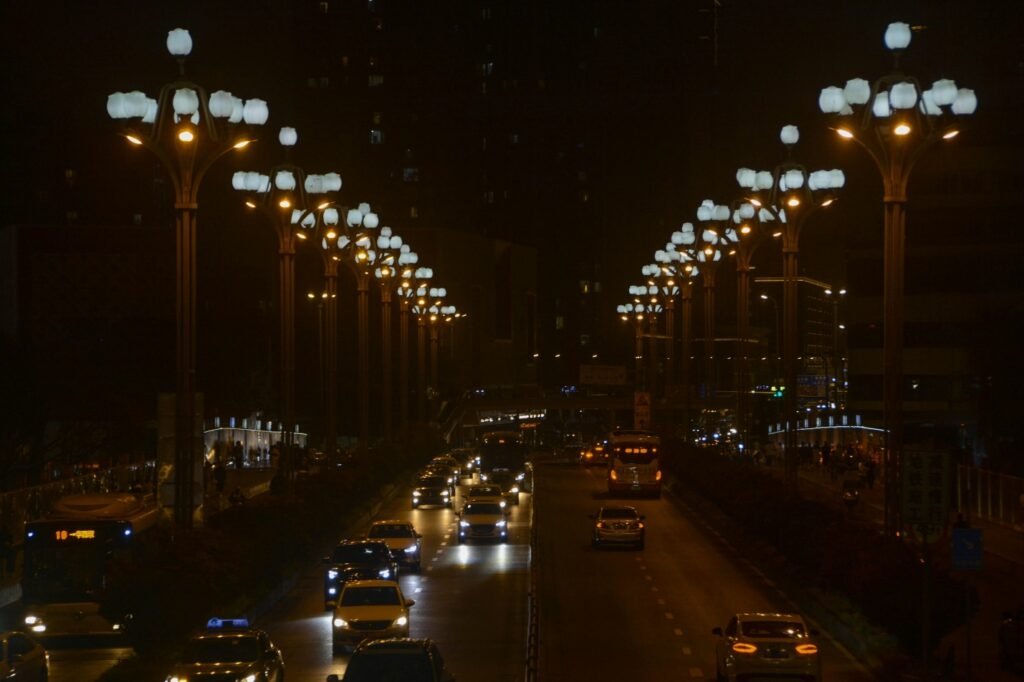
Waarom falen traditionele inkoopmodellen?
Traditionele inkoopmodellen ontstonden in een tijdperk waarin verlichtingstechnologie relatief eenvoudig was. Hogedruk-natrium- en metaalhalogeensystemen waren van nature robuust en bestand tegen elektrische schommelingen. De besturing was eenvoudig en de interacties tussen systemen minimaal.
In traditionele modellen:
- Lampen werden geïdentificeerd op basis van prijs.
- De controles werden als accessoires beschouwd.
- De onderhoudskosten werden onderschat.
- Het systeemgedrag in de loop van de tijd werd over het hoofd gezien.
Dit leidt tot:
- Buitengewoon hoge uitvalpercentages
- Willekeurige onderhoudscycli
- Energieverspilling
- Verkorte levensduur van het systeem
Deze methodologie sloot goed aan bij budgettering op korte termijn en aanbestedingsstructuren, waardoor een gerichte inkoopstrategie voor verlichting, met de nadruk op initiële kosten, werd versterkt.
Hedendaagse LED-systemen gedragen zich echter heel anders.
Deze resultaten zijn geen op zichzelf staande incidenten. Het zijn systematische tekortkomingen die voortkomen uit inkoopmodellen die er niet in slagen om buitenverlichtingssystemen als essentiële systeemcomponenten te beschouwen.
Buitenverlichtingsinstallaties vallen niet uit omdat één component op zichzelf zwak is. Ze vallen uit omdat de spanning zich ophoopt tussen onderling verbonden elementen. Een lamp ondervindt spanning, schakelmomenten of omgevingsinvloeden niet onafhankelijk van elkaar. Deze omstandigheden worden veroorzaakt door het besturingssysteem.
Daarom is EPC zo belangrijk. De besluitvorming rondom verlichting is in ontwikkeling. Aannemers erkennen dat betrouwbaarheid niet alleen wordt bepaald door de kwaliteit van de lampen, maar ook door hoe het systeem zich dag in dag uit, jaar in jaar uit gedraagt.
De opkomst van controlegericht denken: wat houdt controlegerichte inkoop van verlichting nu eigenlijk in?
Bij controlegerichte verlichting verschuift de nadruk bij de inkoop van statische specificaties naar dynamisch systeemgedrag. In plaats van te vragen hoe helder een lamp is op de eerste dag, vragen besluitvormers zich af hoe het systeem presteert gedurende de gehele levensduur.
Deze houding benadrukt:
- Elektrische spanningsbeheersing in plaats van directe verlichting
- Langdurige standvastigheid in plaats van minimale toegeving
- Levensduurkosten in plaats van eenheidsprijs
In dit model zijn bedieningselementen geen accessoires meer, maar systeemregelaars.
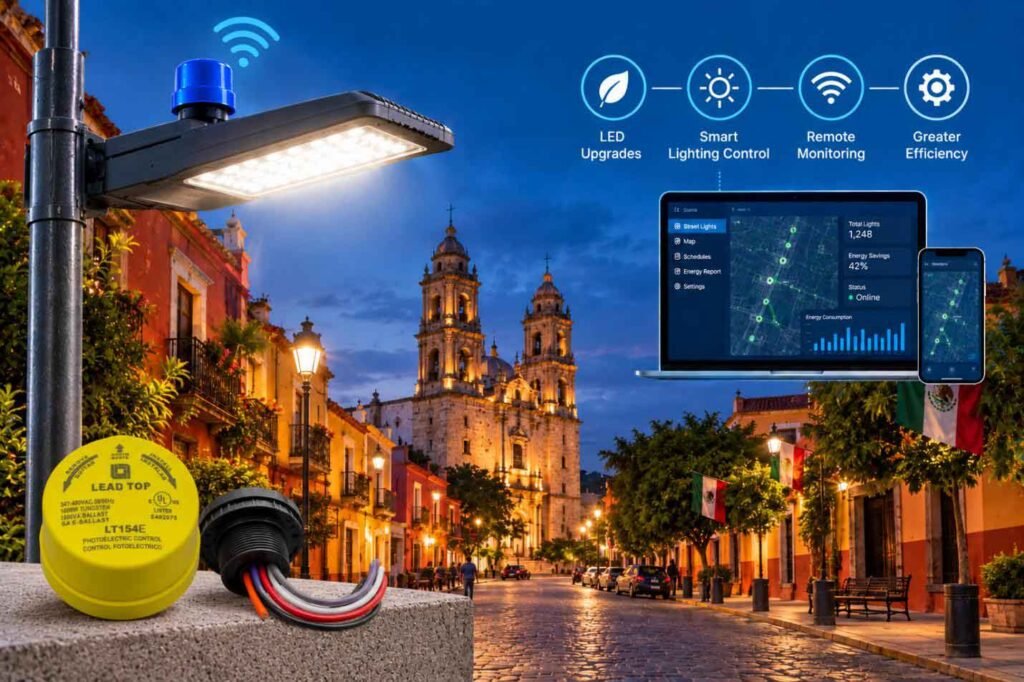
Van alle besturingscomponenten, fotocellen Een fotocel definieert:
- Wanneer een lamp aangaat
- Wanneer het uitschakelt
- Hoe herhaaldelijk schakelen plaatsvindt
- Onder welke elektrische omstandigheden vindt schakeling plaats?
Deze aspecten hebben onmiskenbaar invloed op de duurzaamheid van de driver, de energie-efficiëntie en de onderhoudsfrequentie. Daarom is de aanschaf van fotocellen een strategische overweging geworden in plaats van een technische bijzaak.
Een slecht afgestelde fotocel kan zelfs de meest luxe armatuur destabiliseren. Daarentegen kan een goed functionerende fotocel normale lampen stabiliseren en hun levensduur aanzienlijk verlengen.
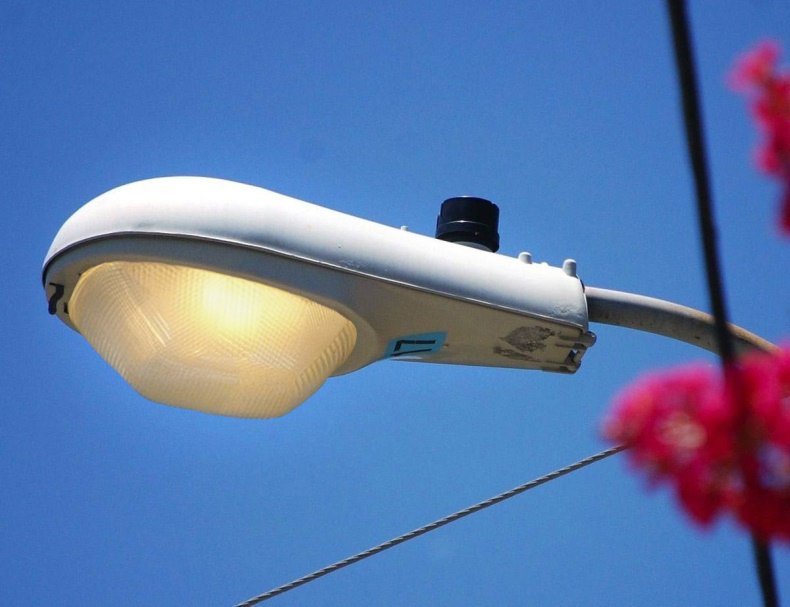
Waarom bepalen fotocellen de systeemstabiliteit?
Fotocellen regelen onwrikbaar het werkingsgedrag van buitenverlichtingssystemen. Door te bepalen wanneer de lamp schakelt, sturen ze de dagelijkse werkingscycli aan. Door te meten hoe vaak de lamp schakelt, beïnvloeden ze de elektrische en thermische belasting van LED-drivers. Het allerbelangrijkste is dat ze, door te bepalen onder welke elektrische omstandigheden de lamp schakelt, de inschakelstroom, de spanningspieken en de algehele levensduur van de driver beïnvloeden.
Betrouwbare, goed ontworpen fotocellen garanderen een soepele en voorspelbare werking, terwijl fotocellen van mindere kwaliteit leiden tot onregelmatig schakelen en elektrische spanning. Daardoor hangt de betrouwbaarheid van het systeem minder af van de lamp zelf, maar meer van de stabiliteit van de fotocel die deze aanstuurt.
Daarom beseffen inkoopteams dat gebrekkige controles hoogwaardige lampen tot een lastpost maken, terwijl goede controles zelfs budgetvriendelijke armaturen beschermen.
Hoe passen toonaangevende EPC-bedrijven hun specificaties aan?
Bij vooruitstrevende EPC-certificeringen wordt niet langer alleen de vraag gesteld: "Welke lamp is het goedkoopst?" Hun specificaties weerspiegelen steeds meer een systeemgerichte denkwijze.
Bij de hedendaagse EPC-besluitvorming over verlichting komen vragen aan de orde zoals:
- Welke mate van overspanningsbeveiliging biedt de fotocel?
- Biedt het ondersteuning? nuldoorgangsschakeling Om de inschakelstroom te verminderen?
- Wat wordt er getest? waterdichte classificatie in een echte omgeving?
- Is langdurige stabiliteit ook in vergelijkbare omgevingen aangetoond?
Door de vereisten voor controle te verhogen, verlagen deze EPC-bedrijven de totale levenscycluskosten met 20–401 TP3T voor talrijke projecten.
De toename in de aanschaf van slimme straatverlichting heeft de verschuiving naar besturingsgerichte modellen verder versneld. Slimme systemen zijn afhankelijk van voorspelbaar, stabiel besturingsgedrag om goed te functioneren.
Connectiviteit, monitoring en adaptieve verlichtingsstrategieën zijn allemaal afhankelijk van betrouwbare schakeling en elektrische constantheid. In deze systemen is de fotocel niet zomaar een sensor, maar een fundamentele besturingsinterface.
Zonder krachtige besturingscomponenten slagen slimme verlichtingssystemen er niet in om gegarandeerde efficiëntiewinsten te leveren, waardoor het publieke vertrouwen en het rendement op investeringen worden ondermijnd.
Waarom worden fotocellen tegenwoordig beschouwd als instrumenten voor risicobeheer?
Vanuit inkoopoogpunt worden fotocellen steeds vaker niet als verbruiksartikelen beschouwd, maar als apparaten ter beperking van risico's.
Een hoogwaardige fotocel functioneert als volgt:
| De rol van een hoogwaardige fotocel | Systeemvoordeel |
| Elektrische spanningsverlager | Beschermt bestuurders tegen schakel- en piekbelastingen. |
| Verzekeringslaag voor bestuurders | Verlengt de levensduur van de LED-driver |
| Systeemstabilisator | Certificeert de verwachte, constante werking |
| Beheersing van onderhoudskosten | Vermindert de kosten voor langdurige dienstverlening. |
In veel projecten voorkomt een bescheiden prijsstijging van de fotocel grootschalige vervangingen van armaturen, personeelskosten en serviceonderbrekingen.
Deze herdefiniëring van de aanschaf van fotocellen sluit nauw aan bij de hedendaagse risicogebaseerde infrastructuurplanning.
Wanneer de bedieningselementen correct zijn aangegeven:
| Correcte besturingsspecificatie | Resultaat |
| Verbeterde systeemstabiliteit | Lagere uitvalpercentages |
| Verbeterd schakelgedrag | Langere onderhoudsintervallen |
| Nauwkeurige aan/uit-regeling | Verkorte energieverspilling |
| Verkorte componentspanning | Minder garantieclaims |
Deze verbeteringen stapelen zich in de loop der tijd op en vernieuwen het economische profiel van een installatie. In plaats van reactief onderhoud behalen operators de verwachte prestaties.
Dit is het uiteindelijke doel van een moderne inkoopstrategie voor verlichting: toezicht op de resultaten, niet alleen het kopen van producten.
De aanschaf van verlichtingsoplossingen gaat verder dan alleen het verkrijgen van hardware. Het draait nu om het verkrijgen van controle over prestaties, risico's en kosten.
Projecten die op de lange termijn succesvol zijn, zijn projecten die:
- Beschouw verlichting als een geïntegreerd systeem.
- Benadruk de betrouwbaarheid van de besturing.
- Investeer verstandig in plaats van goedkoop.
Deze verandering schetst de toekomst van op controle gerichte verlichting en verklaart waarom ouderwets, op massa gebaseerd denken snel achterhaald raakt.
Conclusie: Welke rol speelt Lead-Top Electrical in deze transitie?
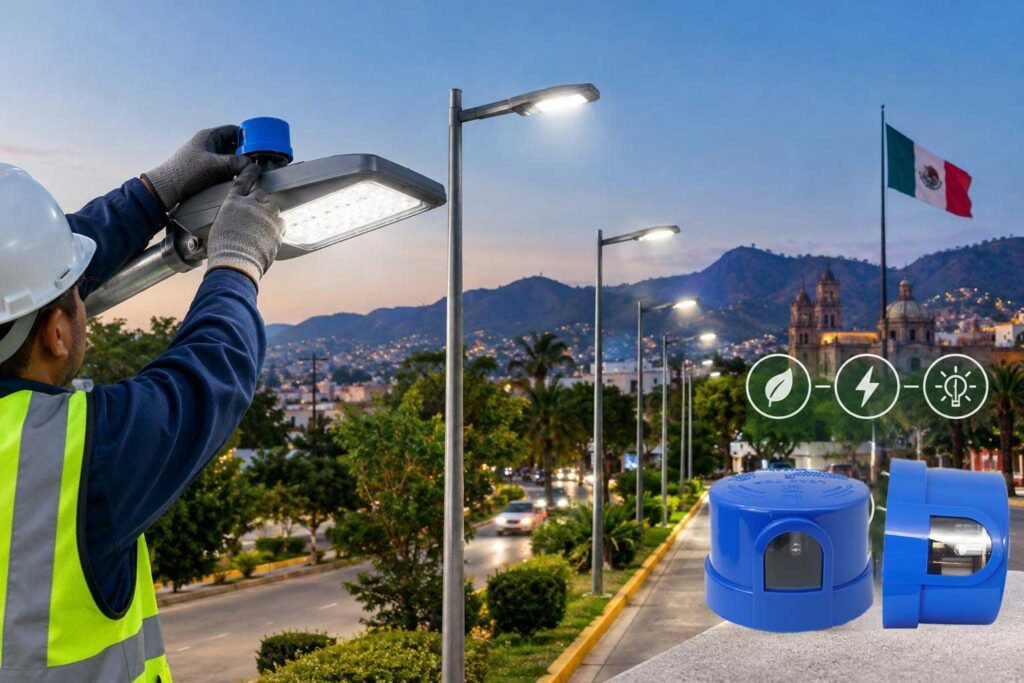
Lead-Top Electrical ondersteunt deze industriële omslag door robuuste, in de praktijk geteste fotocellen te ontwerpen die zijn gemaakt voor langdurige, betrouwbare prestaties in de buitenlucht.
Onze houding weerspiegelt de realiteit van hedendaagse inkoop: controle is niet langer een optie, maar de basis voor betrouwbare prestaties in de huidige buitenverlichtingssystemen.
Bij de aanschaf van verlichting gaat het niet meer alleen om het kopen van lampen.
Het gaat om controle over de aankoop.
Naarmate projecten groter worden en de verwachtingen stijgen, buitenverlichtingsregeling zijn cruciale factoren geworden voor het succes van het systeem. Inkoopteams die een controlegerichte denkwijze hanteren, zullen zorgen voor een veiligere, betrouwbaardere en kosteneffectievere verlichtingsinfrastructuur.
De toekomst behoort toe aan degenen die de prestaties beheersen, niet alleen de prijs.

 Dutch
Dutch  English
  Portuguese (Brazil)
  Spanish
  Russian
  Japanese
  Portuguese (Portugal)