Bij gespecialiseerde OEM-buitenverlichtingssystemen, fotocel Ontwerp wordt niet alleen beoordeeld op de vraag of een lamp aan of uit gaat. Succes wordt in plaats daarvan gemeten aan de hand van de voorspelbaarheid, de constantheid en de langdurige prestaties onder daadwerkelijke ecologische omstandigheden. Dit geldt met name voor grootschalige verlichtingsprojecten waar honderden of duizenden identieke regelapparaten worden geplaatst.
In het vorige artikel, “Is het aanpassen van de lichtsterkte in fotocellen echt nodig?”In een eerder artikel bespraken we de toepassingsgerichte overwegingen achter instelbare lux-instellingen. Dit artikel gaat dieper in op de kwestie vanuit een technisch, systeembetrouwbaarheids- en kostenperspectief en legt uit waarom in de fabriek ingestelde lux-drempels vaak de voorkeur genieten in OEM-, EPC- en gemeentelijke projecten.
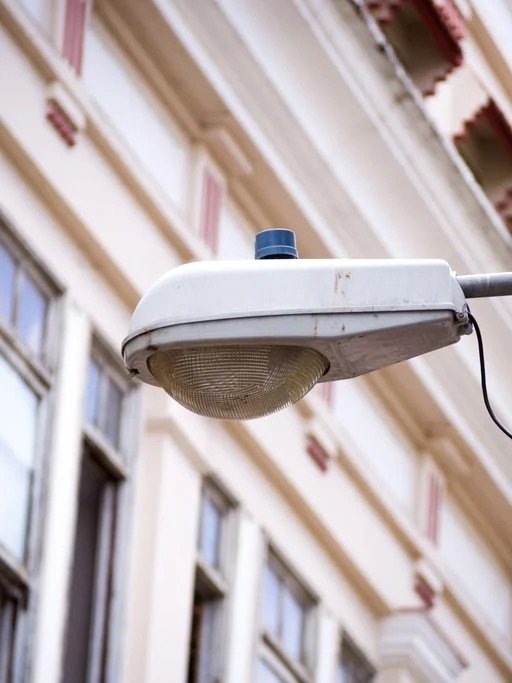
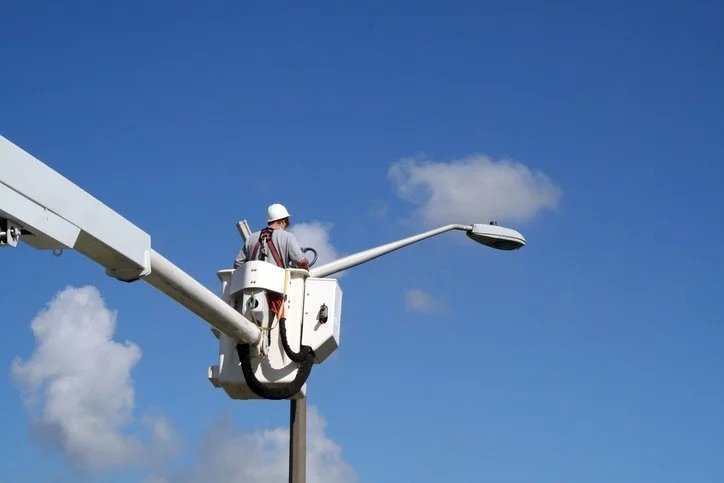
Bij NEMA-fotocellen wordt het apparaat normaal gesproken bovenop een armatuur bevestigd, vaak enkele meters boven de grond. Na de bevestiging kan toegang tot de fotocel hijsapparatuur, verkeersregeling of veiligheidsprocedures vereisen.
Daarom, NEMA-fotocellen Ze zijn in principe niet bedoeld voor gebruikerscommunicatie na installatie. Hun rol is om gedurende de gehele levensduur van het armatuur een onderhoudsvrije werking te garanderen.
Het opnemen van verstelbare onderdelen in een product dat in de praktijk niet verstelbaar is, druist in tegen de basisprincipes van de productie.
Vanuit technisch oogpunt is de betrouwbaarheid van fotocellen geen abstract begrip; het heeft onmiskenbaar invloed op de onderhoudskosten, het werkingsrisico en de systeemstabiliteit. Eén onbetrouwbare ontwerpkeuze kan, wanneer deze zich over meerdere installaties verspreidt, een aanzienlijk risico vormen.
Daarom verdient de vraag of het schakelgedrag instelbaar of door de fabriek gedefinieerd is, een serieuze technische beoordeling in plaats van aannames gebaseerd op functionaliteiten.
Bij technisch ontwerp is de belangrijke vraag niet of een parameter kan De vraag is of het afgestemd moet zijn, maar ook of dat nodig is. Dit principe is direct van toepassing op de luxdrempeltechniek in buitenzonnecellen.
Een luxdrempelwaarde beschrijft het omgevingslichtniveau waarbij een fotocel van productiviteit verandert. Hoewel aanpassing de flexibiliteit lijkt te vergroten, introduceert het ook inconsistentie, extra componenten en potentiële storingsmechanismen.
Bij professionele systemen werkt onnodige instelbaarheid zo nu en dan vaak in strijd met de fundamentele ontwerpdoelstellingen.
De geschiedenis van de industrie bewijst keer op keer dat eenvoudigere systemen complexere systemen overtreffen op de lange termijn. Bij OEM-buitenverlichting is eenvoud geen kostenbesparende maatregel, maar een strategie voor consistentie.
Door onnodige instelmogelijkheden te elimineren, wordt het aantal potentiële storingspunten verminderd. Hierdoor kunnen ingenieurs zich concentreren op het optimaliseren van kernfuncties zoals sensorprecisie, elektrische robuustheid en milieubescherming.
In deze context vormen vaste luxdrempels geen beperking, maar een bewuste ontwerpkeuze.
Waarom is consistentie een andere cruciale factor?
Consistentie is een van de belangrijkste, maar vaak onderschatte vereisten in professionele lichtregeling. In weg-, openbare en commerciële projecten kunnen honderden of duizenden fotocellen naast elkaar functioneren onder identieke omstandigheden.
Het aanpassen van de instellingen in het veld brengt menselijke variabiliteit met zich mee. Verschillende installateurs, onderhoudsteams of eindgebruikers kunnen verschillende drempelwaarden instellen op basis van subjectieve inschattingen in plaats van metingen.
Deze inconsistentie verzwakt de systeemhomogeniteit en maakt het moeilijk om gedrag te voorspellen, te analyseren en te beheersen.
Waarom zijn de totale eigendomskosten een belangrijke overweging?
Bij het beoordelen van de betrouwbaarheid van een fotocel is de initiële kostprijs van de componenten slechts een klein onderdeel van de berekening. De totale eigendomskosten omvatten:
- Installatietijd
- Opdrachtstrijd
- Onderhoudsfrequentie
- faalrisico
- Werkvaagheid
Hoewel een verstelbaar onderdeel wellicht goedkoop lijkt, kan de langdurige invloed ervan op onderhoud en betrouwbaarheid belangrijk zijn, met name op grote schaal.
Het verminderen van onnodige aanpassingsmogelijkheden helpt menselijke inmenging te minimaliseren, wat zo nu en dan de meest onvoorspelbare en kostbare factor is bij infrastructuurprojecten.
Zoals eerder betoogd, regelt de lux-aanpassing niet de tijd, maar de lichtsterkte. Een onjuiste aanpassing kan leiden tot vroegtijdige inschakeling, late activering of wisselend gedrag bij wisselende weersomstandigheden.
Vanuit een technisch oogpunt is de beste oplossing niet een betere controle op afstellingen, maar het volledig wegnemen van de noodzaak tot afstellingen.
Welke invloed hebben verstelbare componenten op de betrouwbaarheid van fotocellen?
Vanuit het oogpunt van betrouwbaarheid brengt elk toegevoegd onderdeel risico's met zich mee. Mechanismen voor het aanpassen van de lichtsterkte hebben over het algemeen potentiometers of vergelijkbare variabele elementen nodig, die het volgende toevoegen:
- Mechanische interfaces
- Extra soldeerverbindingen
- Verhoogde complexiteit van de montage
- Meer uitdagende afdichtingsvereisten
In buitenomgevingen hebben deze aspecten onmiskenbaar invloed op de betrouwbaarheid van fotocellen. Vochtindringing, temperatuurschommelingen, trillingen en blootstelling aan UV-straling versnellen allemaal de slijtage van verstelbare elementen.
Door de verschillen kan een in de fabriek ingestelde fotocel volledig worden afgesloten, waardoor de blootstelling aan ecologische stressfactoren afneemt en de stabiliteit op lange termijn wordt verbeterd.
Dit is waar fabrieksmatig ingestelde drempelwaarden duidelijk van pas komen.
Fabrieksmatig ingestelde drempelwaarden zijn geen willekeurige waarden. Gespecialiseerde producenten bepalen deze waarden op basis van uitgebreide praktijkkennis, laboratoriumanalyses en beoordelingen onder verschillende weersomstandigheden, breedtegraden en toepassingstypen.
Door de meest voorkomende lichtomstandigheden buitenshuis te analyseren, bepalen fabrikanten de schakelpunten die zorgen voor een betrouwbare werking van schemering tot zonsopgang in de meeste praktijksituaties.
Door dit werk in de fabriek uit te voeren, is gegarandeerd dat de in de fabriek ingestelde fotocelproducten direct klaar zijn voor installatie, zonder verdere afstelling.
Een in de fabriek ingestelde fotocel heeft een vooraf gedefinieerd schakelpunt voor de lichtsterkte, bepaald tijdens de productontwikkeling en -engineering. Deze drempelwaarde wordt gereguleerd, geverifieerd en verzegeld voordat het product de fabriek verlaat.
Bij grootschalige EPC-lichtregeling en openbare projecten sluit deze aanpak aan bij de praktijk. Eenmaal geïnstalleerd, zijn fotocellen nauwelijks meer toegankelijk. Er wordt verwacht dat ze jarenlang probleemloos functioneren, vaak op plaatsen die fysiek onbereikbaar zijn zonder gespecialiseerde apparatuur.
In dergelijke situaties biedt de mogelijkheid tot aanpassing na installatie weinig praktische waarde.
Hoe past Lead-Top de in de fabriek ingestelde Lux Engineering-methode toe?
Hoofdexpert op het gebied van technische kwaliteit NEMA Ontwerp van fotocellen voor gespecialiseerde buitenverlichtingstoepassingen. Lead-Top bedient OEM-producenten van buitenverlichting, EPC-leveranciers en infrastructuurprojecten wereldwijd en legt de nadruk op betrouwbaarheid door middel van goed georganiseerde productieprocessen.
De in de fabriek ingestelde luxwaarden zijn gebaseerd op jarenlange projectervaring en feedback uit de praktijk, waarbij de nadruk ligt op eenvoudige installatie en langdurige stabiliteit in plaats van overbodige functies.
Doordat de luxdrempel in de fabriek nauwkeurig wordt bepaald, reageert elke unit identiek onder dezelfde lichtomstandigheden. Dit zorgt voor een stabiele en voorspelbare basislijn van het systeem.
Een onveranderlijk schakelgedrag vereenvoudigt de inbedrijfstelling, verkort de tijd die nodig is voor het oplossen van problemen en verhoogt het vertrouwen in de systeemprestaties. Voor EPC-projecten op het gebied van lichtregeling is deze voorspelbaarheid onmisbaar om te voldoen aan de beloofde en wettelijke eisen.
Technische systemen zijn afhankelijk van herhaalbaarheid, niet van maatwerk.
Vergelijkingstabel: Fabrieksmatig ingestelde versus instelbare Lux-fotocellen
| Ontwerpaspect | Fabrieksmatig ingestelde Lux-fotocel | Verstelbare Lux-fotocel |
| Schakelconsistentie | Hoog | Variabele |
| Complexiteit van de componenten | Laag | Hoger |
| Lange termijn betrouwbaarheid | Sterk | Gematigd |
Impacttabel op systeemniveau
| Technische factor | Effect van door de fabriek ingestelde drempelwaarden |
| Installatie | Sneller, geen afstelling nodig |
| Onderhoud | Verminderde interventie |
| Systeemvoorspelbaarheid | Verbeterde uniformiteit |
| Operationeel risico | Lager |
Bij gespecialiseerde verlichtingssystemen wordt betrouwbaarheid bereikt door een doordacht ontwerp, niet door een opeenstapeling van functies. In de fabriek ingestelde fotoceloplossingen ondersteunen consistentie, verminderen menselijke inconsistentie en verbeteren de prestaties van het systeem op de lange termijn.
Voor EPC-lichtregeling, openbare infrastructuur en OEM-toepassingen zijn vaste luxdrempels een beproefde en erkende productiemethode.
Bij de regeling van buitenverlichting is niet de instelbaarheid, maar het vertrouwen dat erin schuilt de belangrijkste eigenschap.
Heeft u nog vragen? Neem gerust contact met ons op via e-mail of Klik op "Neem contact met ons op".“ Hieronder. We kunnen verder praten via WhatsApp.



 English
 Portuguese (Brazil)
 Spanish
 Russian
 Dutch
Dutch Japanese
 Portuguese (Portugal)