Geen twee installatielocaties zijn ooit exact hetzelfde. Zelfs binnen één enkel buitenverlichtingsproject kunnen de omstandigheden aanzienlijk verschillen, van paal tot paal of van armatuur tot armatuur. Verschillen in montagehoogte, paalgeometrie, hellingshoek, naburige gebouwen en gereflecteerde lichtbronnen beïnvloeden allemaal het gedrag van een verlichtingsregelaar na installatie. Deze verschillen zorgen voor voortdurende uitdagingen voor ontwerpers, installateurs en onderhoudsteams.
Dit is de realiteit, daarom aanpasbaarheid van de locatie Dit is een cruciale prestatiefactor geworden in moderne oplossingen voor lichtregeling. Een product dat op de ene plek feilloos werkt, kan zich slechts enkele meters verderop onvoorspelbaar gedragen als het zich niet kan aanpassen aan omgevingsverschillen. Apparaten met een vaste oriëntatie gaan vaak uit van ideale installatieomstandigheden, maar de werkelijkheid komt zelden overeen met die aannames.
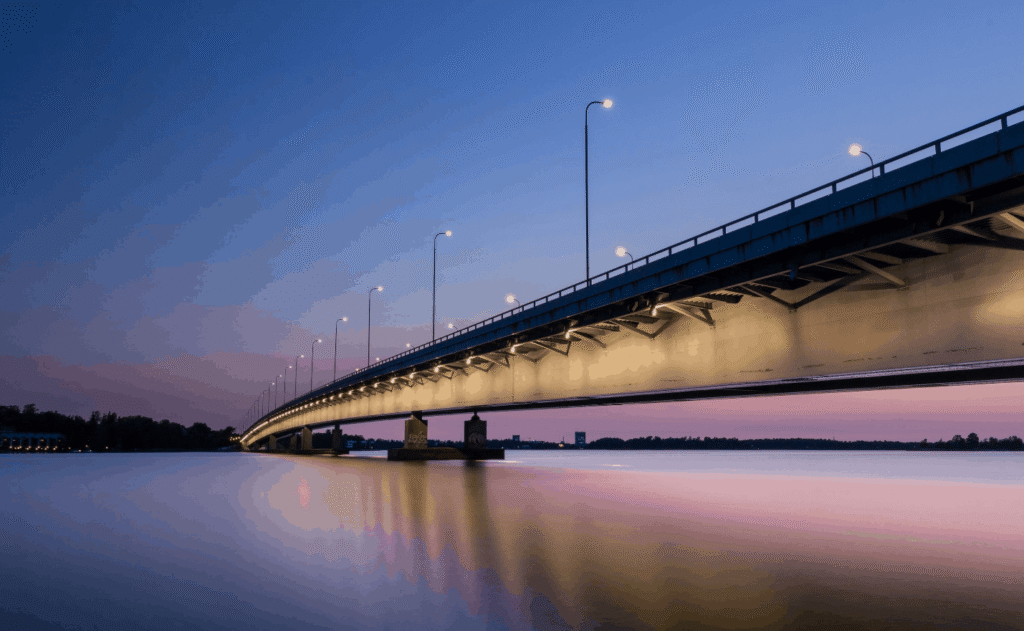
Vooral bij buitentoepassingen worden lichtregelingen blootgesteld aan wisselende omgevingsfactoren. Gebouwen, bewegwijzering, wegen, bomen en zelfs passerende voertuigen kunnen de detectie van omgevingslicht beïnvloeden. Zonder de mogelijkheid om deze variabelen te compenseren, bestaat het risico op onevenwichtig schakelgedrag, belemmerde uitschakeling of onnodig energieverbruik.
Wat betekent site-aanpasbaarheid in de praktijk?
In de praktijk van de productie verwijst locatie-aanpasbaarheid naar het vermogen van een product om betrouwbare prestaties te leveren, ongeacht de omstandigheden tijdens de installatie. In plaats van te verwachten dat de omgeving zich aanpast aan strenge montage-eisen, maken flexibele ontwerpen aanpassingen mogelijk die het product afstemmen op de werkelijke omstandigheden op de locatie.
De standaard vaste ontwerpen zijn sterk afhankelijk van een perfecte positionering tijdens de installatie. Eenmaal gemonteerd, is hun detectierichting vergrendeld. Als de sensor wordt blootgesteld aan verblinding, gereflecteerd licht of schaduwen, zijn de enige oplossingen vaak het verplaatsen van het hele armatuur of het volledig vervangen van het apparaat – beide dure en tijdrovende oplossingen.
Flexibele fotocel Ontwerpen erkennen daarentegen dat daadwerkelijke installaties tekortschieten. Ze bieden mechanismen die fijnafstelling na montage mogelijk maken, waardoor een stabiele werking gegarandeerd is, zelfs wanneer de omstandigheden ter plaatse afwijken van de oorspronkelijke verwachtingen. Deze filosofie vormt de kern van de draaibare stuurstangregeling.
Hoe pakt Swivel Stem Control de praktische installatie-uitdagingen aan?
Draaibare stuurpenbediening Dit introduceert een eenvoudig maar krachtig concept: de mogelijkheid om de oriëntatie van de sensor aan te passen nadat het apparaat is gemonteerd en aangesloten. In plaats van de sensor in één richting vast te zetten, maakt de draaibare steel nauwkeurige hoekbewegingen mogelijk, waardoor installateurs het detectievenster precies kunnen uitlijnen met het beoogde omgevingslichtveld.
Deze mogelijkheid verandert het installatieproces fundamenteel. In plaats van volledig afhankelijk te zijn van aannames of tekeningen voorafgaand aan de installatie, kunnen installateurs tijdens de inbedrijfstelling het werkelijke lichtgedrag waarnemen en daadwerkelijke aanpassingen maken. Het product past zich aan de omgeving aan – niet andersom.
In buitenverlichtingsomgevingen is dit verschil cruciaal. Weerkaatsend licht van muren, bestrating, aangrenzende armaturen of bewegwijzering kan de nauwkeurige lichtmeting gemakkelijk verstoren. Een vaste sensor kan per ongeluk zijn eigen aangestuurde lichtopbrengst detecteren, wat kan leiden tot een late uitschakeling of inconsistente schakelcycli. Met instelbare lichtregeling kunnen deze problemen worden verholpen door nauwkeurige oriëntatieaanpassingen.

Waarom is het ontwerp van buitensensoren bijzonder gevoelig voor de oriëntatie?
Bij het ontwerpen van buitensensoren moet rekening worden gehouden met veel meer variabelen dan bij binnentoepassingen. De zonnehoek verandert gedurende de dag en het jaar, weersomstandigheden beïnvloeden de lichtverspreiding en nabijgelegen structuren kunnen het licht willekeurig reflecteren of blokkeren. In veel installaties bevinden sensoren zich hoog boven de grond, waardoor latere aanpassingen moeilijk zijn als er geen rekening is gehouden met aanpassingsvermogen in het ontwerp.
De oriëntatie speelt een belangrijke rol in hoe een sensor omgevingslicht waarneemt. Zelfs kleine hoekafwijkingen kunnen de detectieprecisie aanzienlijk beïnvloeden. Wanneer de oriëntatie niet kan worden aangepast, is de prestatie van de sensor sterk afhankelijk van de exacte montageomstandigheden – omstandigheden die bij grootschalige implementaties zelden constant zijn.
Hoe profiteert de LT210CH-serie van de draaibare stuurpenbediening?
De LT210CH-serie Dit product demonstreert de praktische voordelen van de flexibiliteit van de draaibare steel. Het is ontworpen als een draaibare, bedrade thermische fotocel voor buitentoepassingen en wordt doorgaans geïnstalleerd in omgevingen waar de lichtomstandigheden sterk variëren.
In plaats van meerdere productvarianten nodig te hebben voor verschillende montagerichtingen, maakt de LT210CH-serie gebruik van een draaibare steel voor diverse installatiemogelijkheden. Hierdoor kan één productmodel betrouwbaar worden toegepast in een breed scala aan toepassingen, wat de voorraadcomplexiteit en inkoopkosten verlaagt.
Doordat de oriëntatie na installatie kan worden aangepast, werkt de LT210CH-serie betrouwbaar, zelfs in uitdagende omgevingen met reflecterende oppervlakken of een onregelmatige lichtverdeling. Deze ontwerpbenadering sluit aan bij de praktijk van installaties, waar perfecte omstandigheden zelden gegarandeerd zijn.
Hoe draagt de aanpasbaarheid van een locatie bij aan de stabiliteit van de prestaties op lange termijn?
De situatie op een locatie is niet statisch. Na verloop van tijd worden faciliteiten uitgebreid, nieuwe structuren gebouwd, verlichtingsontwerpen veranderd en de landschapsinrichting aangepast. Deze veranderingen kunnen de omgevingslichtomstandigheden beïnvloeden op manieren die vaste sensoren niet kunnen vastleggen.
Producten die zijn ontworpen met het oog op aanpassingsvermogen aan de omgeving, zijn goed voorbereid op deze veranderingen. Dankzij de draaibare steel kunnen sensoren worden aangepast aan nieuwe lichtbronnen of obstakels zonder dat vervanging nodig is. Dit bespaart zowel prestaties als investeringskosten.
Vanuit het oogpunt van levensduur verlagen flexibele ontwerpen de totale eigendomskosten. Ze verlengen de relevantie van producten, minimaliseren onnodige vervangingen en stellen systemen in staat mee te evolueren met hun omgeving.
Tabel 1: Vaste oriëntatie versus draaibare steelbesturing
| Functie | Sensor met vaste oriëntatie | Draaibare stuurpenbedieningssensor |
| Afstelling na installatie | Niet mogelijk | Na montage is de oriëntatie aanpasbaar. |
| Reactie op gereflecteerd licht | Beperkt | Kan worden omgeleid om interferentie te voorkomen |
| Flexibiliteit bij de inbedrijfstelling | Laag | Hoog |
| Geschikt voor diverse locaties | Beperkt | Zeer aanpasbaar |
| Aanpassingsvermogen op lange termijn | Vervanging is nodig | Maakt heruitlijning mogelijk |
Tabel 2: Praktische voordelen van draaibare stengelbesturing bij buitentoepassingen
| Toepassingsscenario | Voordeel van aanpassingsvermogen |
| Oneffen montageoppervlakken | De oriëntatie compenseert voor hoekverschillen. |
| Reflecterende structuren in de buurt | De sensor kan van de verblinding af worden gericht. |
| Installaties met meerdere armaturen | Consistente prestaties op alle locaties. |
| Veranderende omgevingsfactoren | Eenvoudige heruitlijning zorgt voor behoud van nauwkeurigheid. |
| Inbedrijfstelling onder reële omstandigheden | Fijnafstelling verbetert de voorspelbaarheid. |
Waarom vertegenwoordigt de draaibare stuurpenbediening een verschuiving naar praktische engineering?
Productieoplossingen die alleen onder ideale omstandigheden presteren, schieten tekort in de praktijk van buiteninstallaties. Draaibare stuurstangen duiden op een verschuiving naar toegepast, veldgericht ontwerpdenken. Het accepteert inconsistentie als onvermijdelijk en biedt hulpmiddelen om hier efficiënt mee om te gaan.
In plaats van installateurs te dwingen om met inflexibele producten te werken, stellen draaibare stelen hen in staat om de prestaties direct op locatie te verbeteren. Deze methode verbetert de betrouwbaarheid, efficiëntie en duurzaamheid bij diverse toepassingen.
Hoe sluit de ontwerpfilosofie van Lead-Top aan op de aanpasbaarheid van de locatie?
Bij Lead-Top wordt productontwikkeling gestuurd door praktische omstandigheden in plaats van theoretische aannames. De draaibare stuurstang illustreert deze filosofie door de nadruk te leggen op aanpasbaarheid aan de locatie en langdurige, constante prestaties.
Door verstelbare oriëntatie te integreren in producten zoals de LT210CH-serie, garandeert Lead-Top dat de verlichtingsregeling betrouwbaar blijft in uiteenlopende en veranderende installatieomgevingen. Deze focus op flexibel ontwerp helpt klanten om consistente resultaten te behalen, het operationele risico te verlagen en meer vertrouwen te hebben in hun buitenverlichtingssystemen.



 English
 Portuguese (Brazil)
 Spanish
 Russian
 Dutch
Dutch Japanese
 Portuguese (Portugal)