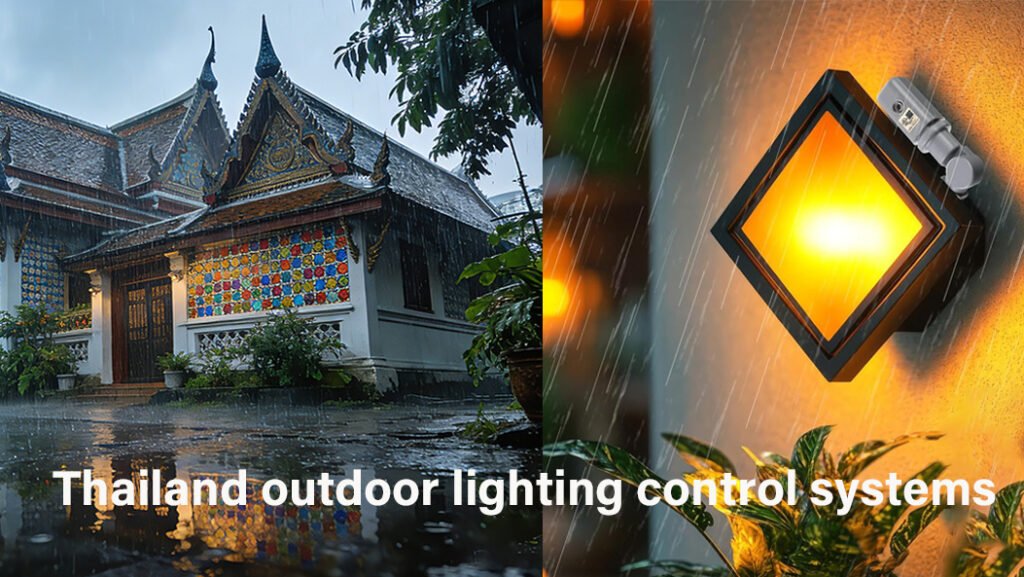
De Thaise buitenverlichtingssector opereert in een atmosfeer die sterk verschilt van de gematigde westerse markten. Hoge luchtvochtigheid, herhaalde moesson Neerslag, dichte bebouwing, zoutgehalte aan de kust en blootstelling aan intense kunstmatige verlichting hebben allemaal invloed op de prestaties van lichtregelingen na installatie. Daarom moeten Thaise systemen voor de regeling van buitenverlichting worden ontworpen met flexibiliteit en ecologische weerbaarheid in gedachten.
In metropolen zoals Bangkok, Chiang Mai en Pattaya hebben buitenverlichtingssystemen te maken met sterke reflecties van glazen gebouwen, led-reclameborden, billboards en naburige armaturen. Deze reflecties kunnen ervoor zorgen dat fotosensoren de omgevingslichtniveaus verkeerd inschatten. Een traditionele sensor met een vaste lichtrichting kan gereflecteerd licht als daglicht interpreteren, wat kan leiden tot voortijdige uitschakeling of late inschakeling.
De effectiviteit van fotoceloplossingen in Thailand hangt dus niet alleen af van de elektrische specificaties, maar ook van de structurele aanpasbaarheid en intelligente vertragingsregeling.
Waarom presteren vaste camerabedieningssystemen slecht in stedelijke Thaise omgevingen?
In dichtbevolkte stedelijke gebieden worden verlichtingsarmaturen zelden op ideale posities geïnstalleerd. De montagehoek kan variëren, masten kunnen enigszins scheef staan en naburige gebouwen blokkeren of weerkaatsen het licht vaak onregelmatig. Een sensor met vaste richting veronderstelt een perfecte uitlijning van de installatie – iets wat in de praktijk zelden wordt bereikt.
Deze beperking wordt ernstig in de dichtbevolkte commerciële gebieden van Thailand, waar de reflectie van licht 's nachts aanzienlijke niveaus kan bereiken. Wanneer een sensor gericht is op reflecterend glas of een helder led-scherm, kan er een onjuiste schakeling plaatsvinden.
Een verstelbare fotosensor van Thais ontwerp stelt installateurs in staat om de detectierichting na montage aan te passen. In plaats van de unit te demonteren en opnieuw te installeren, kunnen experts de uitlijning tijdens de montage corrigeren. inbedrijfstelling. Dit verlaagt de personeelskosten, voorkomt uitstel en verbetert de algemene projectefficiëntie.
Aanpassingsvermogen is in Thailand geen luxe, maar vaak een noodzaak.
Hoe verbetert een draaibare constructie de aanpasbaarheid in het veld?
De structurele vernieuwing van een fotocel met draaibare steel schuilt in de mogelijkheid om de sensor onafhankelijk van de montagebasis te draaien of te kantelen. Dit betekent dat installateurs het volgende kunnen doen:
- Stel de richting van de sensor bij na installatie.
- Vergoeding voor onregelmatige montageoppervlakken
- Vermijd interferentie van naburige armaturen.
- Verminder de blootstelling aan gereflecteerd licht.
Deze structurele flexibiliteit verbetert de prestaties in de praktijk aanzienlijk bij projecten voor de aansturing van buitenverlichting in Thailand. Vooral bij renovaties – waarbij armaturen worden toegevoegd aan bestaande infrastructuur – vermindert de draaiverstelling de noodzaak tot herwerk.
In plaats van dat het product zich aanpast aan de omgeving, past het product zich aan de omgeving aan.
Waarom is de vertragingstijd belangrijker in het tropische klimaat van Thailand?
Het typische Thaise weer wordt gekenmerkt door:
- Onverwachte bewolking
- Haastige stormen
- Zware neerslag
- Snel bewegende weerfronten
Deze omstandigheden veroorzaken plotselinge veranderingen in de lichtintensiteit. Zonder de juiste filtering kan een sensor tijdelijke bewolking interpreteren als zonsondergang en de verlichting te vroeg inschakelen. Wanneer het minuten later weer licht wordt, gaan de lampen weer uit. Dit herhaaldelijke aan- en uitschakelen verhoogt de slijtage van de armaturen en vermindert de betrouwbaarheid van het systeem.
Moderne fotobesturingsoplossingen in Thailand pakken dit aan door middel van aanpasbare vertragingsinstellingen. Door geoptimaliseerde vertragingstijden te gebruiken, kunnen sensoren kortstondige instabiliteiten negeren en alleen reageren op aanhoudende veranderingen in de lichtomstandigheden.
Lead-Top fotocellen maken instelbare vertragingstijden mogelijk, wat de consistentie in tropische omstandigheden verbetert. Een juiste vertragingsinstelling garandeert:
- Verkorte valse omschakeling
- Verlengde levensduur van de armatuur
- Constante werking van zonsondergang tot zonsopgang
- Minder vaak onderhoud nodig
De vertragingstijd is niet zomaar een kenmerk; in Thailand is het een prestatiestabilisator.
Hoe verbetert een breed spanningsbereik de betrouwbaarheid van een systeem?
Hoewel de belangrijkste Thaise metropolen relatief stabiele elektriciteitsnetten hebben, komen spanningsschommelingen nog steeds vaak voor in:
- Perifere districten
- Kustgebieden
- Industriële regio's
- Snel ontwikkelende provincies
Een breedspanningsfotocel van Thais ontwerp maakt een betrouwbare werking mogelijk over een breed spanningsbereik zonder dat extra beveiligingscomponenten nodig zijn.
Deze vaardigheid biedt diverse voordelen:
- Verkorte faalratio
- geringe installatiecomplexiteit
- Verbeterde compatibiliteit met uiteenlopende voedingssystemen
- Grotere betrouwbaarheid in gemengde stedelijke-landelijke projecten
Een brede spanningstolerantie is vooral belangrijk bij aanbestedingen voor gemeenten, waar de voedingsomstandigheden per projectlocatie kunnen verschillen.
Welke installatie-uitdagingen bestaan er tussen stedelijk en provinciaal Thailand?
Verlichtingsprojecten in Thailand verschillen aanzienlijk per locatie. Stedelijke centra omvatten vaak hoge gebouwen en commerciële reclameborden, terwijl provinciale gebieden een eenvoudigere infrastructuur kunnen hebben, maar een minder stabiele stroomvoorziening.
Hieronder volgt een vergelijking van veelvoorkomende installatieverschillen:
| Factor | Stedelijke gebieden (Bangkok, Pattaya) | Provinciale gebieden |
| Montage-uitlijning | Vaak beperkt door de infrastructuur. | Flexibeler, maar inconsistent. |
| Weerkaatst licht | Hoge kosten vanwege bewegwijzering en glas. | Gematigd |
| Spanningsstabiliteit | Over het algemeen stabiel | Meer schommelingen |
| Blootstelling aan weersomstandigheden | Hevige regen en hoge luchtvochtigheid | Vergelijkbare, maar minder kunstmatige interferentie |
| Toegang voor onderhoud | Beperkt in dichtbevolkte zones | Gemakkelijkere toegang |
Deze inconsistentie verklaart waarom in Thailand steeds vaker de voorkeur wordt gegeven aan verstelbare fotosensoroplossingen voor uiteenlopende projecten.
Hoe ondersteunt maatwerk Thaise gemeentelijke en commerciële projecten?
Naast technische prestaties is het bij veel Thaise verlichtingsprojecten ook belangrijk dat er rekening wordt gehouden met esthetische aspecten of de merkidentiteit. Steden, projectontwikkelaars en aannemers vragen vaak om:
- Aangepaste behuizingskleur
- Logoafdruk
- Verpakkingswijziging
- Aanpassingen aan de configuratie van de vertragingstijd
Lead-Top ondersteunt dergelijke maatwerkoplossingen en helpt leveranciers producten af te stemmen op lokale aanbestedingseisen. Voor leveranciers verhoogt deze flexibiliteit hun concurrentievermogen en de kans op projectacceptatie.
Personalisatie versterkt de merkzichtbaarheid en garandeert tegelijkertijd compatibiliteit met de projectspecificaties.
Waarom wordt de Swivel Stem-serie aanbevolen voor projecten in Thailand?
De aanbevolen oplossing voor Thaise omgevingen is de Draaibare steel met draad en thermische fotocel. De functies ervan omvatten:
- Draaibaar constructieontwerp
- Betrouwbaarheid van thermische sensoren
- Uitgebreide spanningscompatibiliteit
- Aanpasbare opties voor de vertragingstijd
- Flexibele installatie met bedrading
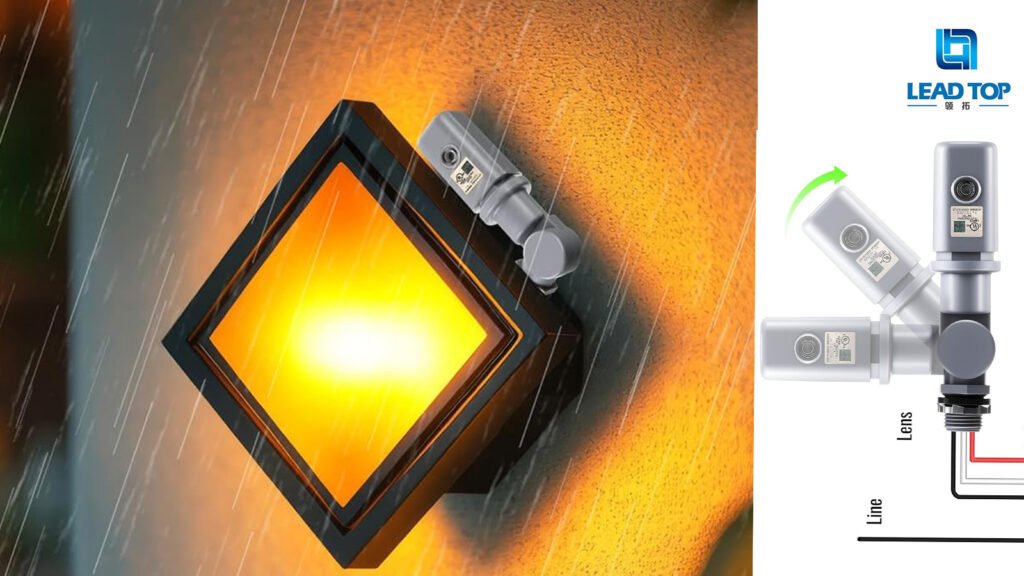
De combinatie van structurele aanpasbaarheid en elektrische stabiliteit maakt het geschikt voor toepassingen in de buitenverlichtingsregeling in Thailand.
De onderhoudsbudgetten voor stedelijke projecten in Thailand worden zorgvuldig beheerd. Foutieve schakelingen, verkeerde uitlijning en spanningsdalingen leiden tot een toename van serviceaanvragen en operationele kosten.
Verstelbare ontwerpen verminderen deze risico's door:
- Het toestaan van herstelwerkzaamheden ter plaatse zonder uitsluiting
- Het minimaliseren van onjuiste aan/uit-cycli
- Verbetering van de uitlijnprecisie
- Verbetering van het aanpassingsvermogen aan het weer
De kostenbesparingen zijn niet direct merkbaar in de hardwareprijs, maar manifesteren zich na verloop van tijd door minder arbeid en minder vervangingen.
Bij de keuze voor een fotoceloplossing in Thailand moeten technici rekening houden met het volgende:
| Evaluatiefactor | Waarom dit belangrijk is in Thailand |
| Instelbaarheid | Compenseert voor variabiliteit in de installatie. |
| Vertragingstijdconfiguratie | Voorkomt valse meldingen door weersomstandigheden. |
| Brede spanningstolerantie | Kan schommelingen in het elektriciteitsnet in voorstedelijke gebieden opvangen. |
| Thermische stabiliteit | Behoudt zijn prestaties bij hoge luchtvochtigheid. |
| Aanpassingsopties | Voldoet aan de lokale merk- en aanbestedingseisen. |
De snelle verstedelijking, de veelzijdige lichtomstandigheden en het tropische klimaat van Thailand zorgen ervoor dat vaste, niet-verstelbare lichtregelingen doorgaans ondermaats presteren.
De integratie van:
- Draaibare steel fotocelstructuren
- Verbeterde vertragingstijd
- Breedspanningsfotocel, compatibel met Thailand
- Aanpassingen op projectniveau
Samenwerking vergroot de betrouwbaarheid en het succes van het project op de lange termijn.
In concurrerende infrastructuurmarkten zoals Bangkok en groeiende toeristische centra zoals Pattaya, moeten verlichtingssystemen betrouwbaar functioneren ondanks ecologische en structurele uitdagingen.
Instelbaarheid en vertragingstijd zijn geen onbelangrijke technische details. Het zijn essentiële prestatiekenmerken die onwrikbaar van invloed zijn op de betrouwbaarheid, onderhoudskosten en werkingsefficiëntie van Thaise buitenverlichtingssystemen.



 English
 Portuguese (Brazil)
 Spanish
 Russian
 Dutch
Dutch Japanese
 Portuguese (Portugal)