In heel Europa beschouwen steden openbare verlichting steeds vaker als strategische infrastructuur in plaats van als tijdelijke voorziening. In metropolen zoals Kopenhagen, München, Wenen en Amsterdam wordt verwacht dat verlichtingsinstallaties na installatie 10 tot 20 jaar betrouwbaar functioneren met slechts beperkt onderhoud.
Deze planningsfilosofie definieert het kader voor duurzame verlichtingsinfrastructuur in Europa. Prestaties worden niet langer alleen bij de ingebruikname beoordeeld, maar over decennia geëvalueerd. Hierdoor verschuift de productselectie van "initiële precisie" naar "langdurige stabiliteit".“
In deze context wordt een aanpasbaar sensorontwerp een strategisch voordeel in plaats van een secundaire eigenschap.
Hoe beïnvloedt een lange levensduur de ontwerpprioriteiten?
Wanneer infrastructuur ontworpen is om een bepaalde tijd mee te gaan, kunnen ontwerpers niet uitgaan van ecologische stabiliteit. Europese stedelijke omgevingen ontwikkelen zich voortdurend vanwege:
- Stedelijke herontwikkeling en verdichting
- Het toevoegen van architecturale en decoratieve verlichting.
- Veranderingen in verkeerspatronen en landgebruik
- Cyclische verschuivingen en langdurige weersvariaties
Elk van deze factoren heeft invloed op de omgevingslichtomstandigheden. Na verloop van tijd kunnen de hoeveelheid gereflecteerd licht, de achtergrondglare en de belichtingsgeometrie aanzienlijk veranderen.
Binnen het kader van de levenscyclus van buitenverlichting in Europa brengt deze ecologische ontwikkeling risico's met zich mee. fotocontrole Die zich structureel niet kunnen aanpassen, kunnen elektrisch gezien nog wel bruikbaar blijven, maar ecologisch gezien uit balans raken.
Deze langzame afwijking leidt tot schakeldrift – het eerder of later activeren van de schakelaar, wat niet overeenkomt met de oorspronkelijke ontwerpintentie.
Aanpasbare constructies bieden een directe oplossing voor deze levensduuruitdaging.
Waarom biedt een verstelbaar sensorontwerp een voordeel gedurende de gehele levensduur?
Bij de gebruikelijke aanpak van infrastructuurprojecten wordt een afname van de prestaties vaak gezien als een signaal voor productvervanging. Bij langlopende projecten blijkt dit model echter onproductief en onhoudbaar.
Een verstelbaar sensorontwerp biedt een andere mogelijkheid:
- De belichting kan worden gecorrigeerd door heroriëntatie.
- De bevestigingsmaterialen blijven ongewijzigd.
- De functionele levensduur wordt verlengd.
- Materiaalverspilling wordt beperkt
Aanpasbare systemen zijn niet ontworpen voor een eenmalig installatiemoment, maar zijn bedoeld om gedurende hun hele levensduur relevant te blijven.
Deze aanpak versterkt de betrouwbaarheid van fotocellen in de EU door de betrouwbaarheid duurzaam te maken in plaats van statisch.
Hoe vermindert een verstelbaar ontwerp de behoefte aan onderhoud?
Europese steden streven ernaar onderhoudsinterventies tot een minimum te beperken vanwege de kosten, de moeilijkheden met verkeersmanagement en de overlast voor het publiek. Toegang tot verlichtingsarmaturen – met name in historische of dichtbevolkte stedelijke gebieden – kan moeilijk en kostbaar zijn.
Strikte fotocontrole verhoogt de kans op:
- Vervanging vanwege ecologische mismatch
- Herhaalde servicebezoeken
- Publieke klachten over onregelmatige overschakelingen
Verstelbare bedieningselementen verminderen deze risico's doordat herkalibratie tijdens geplande controles mogelijk is.
| Onderhoudsscenario | Vast ontwerpresultaat | Resultaat van een verstelbaar ontwerp |
| Nieuwe gevelverlichting toegevoegd | Aanhoudende vertraging in de activering | Sensor opnieuw georiënteerd om reflectie te verminderen |
| Vegetatiegroei | Gedeeltelijke schaduw | Oriëntatie aangepast |
| Stedelijke herontwikkeling | Inconsistentie bij het schakelen | Prestaties hersteld |
| Gepland onderhoud | Correctie niet mogelijk | Preventieve fijnafstelling |
Dit sluit aan bij de levenscyclusstrategieën voor buitenverlichting in Europa, die de nadruk leggen op geplande interventies in plaats van reactieve maatregelen.
Hoe draagt het ontwerp van aanpasbare sensoren bij aan duurzaamheidsdoelstellingen?
Duurzaamheid is essentieel voor het Europese infrastructuurbeleid. Het verlengen van de levensduur van producten vermindert de ecologische impact direct.
Een verstelbaar sensorontwerp draagt bij aan duurzaamheid door:
- Afnemende vervangingsfrequentie
- Daling van het grondstoffenverbruik
- Het minimaliseren van afval door vroegtijdige verwijdering.
- Het verminderen van emissies uit transport en productie.
Anders dan bij het toevoegen van complexe elektronische functies, zorgt structurele aanpasbaarheid ervoor dat de functionaliteit in de loop der tijd behouden blijft zonder dat het systeem kwetsbaarder wordt.
Dit versterkt de doelstellingen van Europa op het gebied van duurzame verlichtingsinfrastructuur en ondersteunt tegelijkertijd een efficiënter gebruik van middelen.
Waarom is ontwerptolerantie waardevoller dan installatieperfectie?
Zelfs de meest nauwkeurige installatie kan toekomstige ecologische situaties niet voorspellen.
Starre systemen gaan ervan uit:
- Stabiele atmosferen
- Perfecte oriëntatie
- Stabiele blootstelling aan omgevingslicht
Gedurende een levensduur van 15-20 jaar blijken deze aannames echter zelden op te gaan.
Regelbare systemen introduceren flexibiliteit in de infrastructuur:
- Tolerantie voor verschillen in installatie
- Uitstel van betaling voor stedelijke herontwikkeling
- Uitstel voor wijzigingen in reflecterend materiaal
- Tolerantie voor het ontwikkelen van verlichtingsstrategieën
Deze tolerantie vermindert het risico op de lange termijn en verbetert de betrouwbaarheid van de lichtcontrole in de EU.
Bij levensloopplanning is veerkracht praktischer dan perfectie.
Waarom sluit LT210CH aan bij langlopende Europese projecten?
De LT210CH demonstreert een op de levensduur gerichte aanpak.
Het combineert:
- Structurele aanpasbaarheid voor voortdurende ecologische afstemming
- Continue temperatuurmeting voor regelmatig schakelgedrag
- Duurzame behuizing voor langdurige blootstelling aan de buitenlucht.
- Mechanische eenvoud die de duurzaamheid verbetert.
In plaats van de complexiteit van de specificaties te maximaliseren, legt de LT210CH fotocontroller de nadruk op duurzame prestaties.
Dit sluit nauw aan bij de planningsprincipes voor duurzame verlichtingsinfrastructuur in Europa.
Stedelijke omgevingen veranderen langzaam, niet abrupt. In de loop van de tijd:
- Nieuwe gebouwen introduceren reflecterend glas.
- Architecturale verlichting verhoogt de achtergrondglans.
- De vooruitgang in LED-technologie zorgt voor een aanpassing van de kleurtemperatuur en -intensiteit.
- Het blad verandert de lichtinval.
Starre systemen kunnen niet worden aangepast zonder vervanging.
Verstelbare systemen maken herkalibratie mogelijk.
| Milieuverandering | Impact van een star systeem | Instelbare systeemrespons |
| Verhoogde gevelreflectie | Vertraagde omschakeling | Sensorhoek gecorrigeerd |
| LED-conversie in de buurt | Hogere omgevingswaarden | Belichting aangepast |
| Boomkroongroei | Verminderde blootstelling aan licht | Oriëntatie gewijzigd |
| Verandering van landgebruik | Inconsistente activering | Gedrag opnieuw afgestemd |
Dit reactievermogen waarborgt de betrouwbaarheid van de fotocelcontrole in de EU gedurende decennia.
Hoe ondersteunt maatwerk de levenscyclusplanning?
Langdurige infrastructuurprojecten worden vaak in fasen over meerdere jaren uitgevoerd. Het waarborgen van consistentie is dan cruciaal.
De toegepaste aanpassingsmogelijkheden kunnen onder meer bestaan uit:
- Duidelijk afgebakende kleuren voor de behuizing, voor een harmonieus visueel beeld.
- Markeringconfiguraties voor activabeheer
- Instelbare vertragingstijdinstellingen
- Verpakking op maat voor gefaseerde uitrol
Deze opties ondersteunen gestructureerde levensduurplanning zonder dat een centrale herziening nodig is.
Maatwerk garandeert continuïteit binnen de Europese kaders voor de levenscyclus van buitenverlichting.
Waarom is een verstelbaar sensorontwerp essentieel voor de infrastructuur van de toekomst?
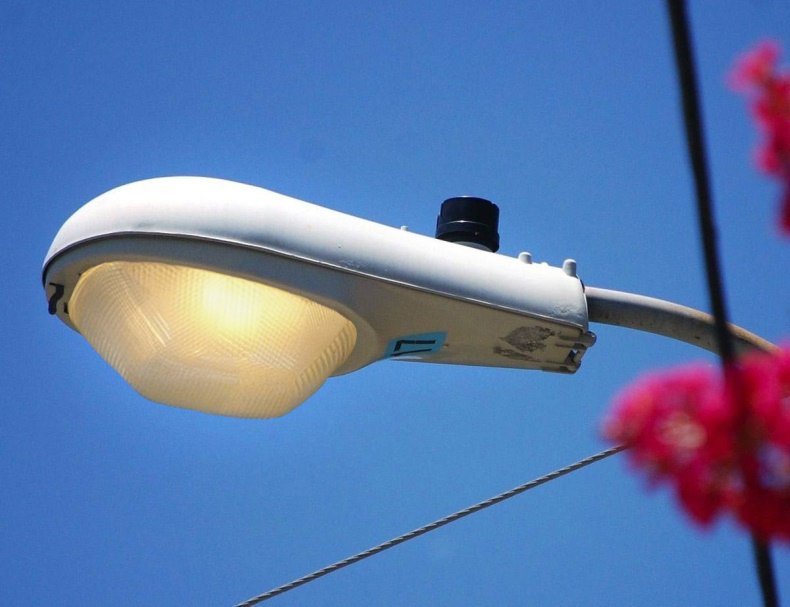
Europese metropolen ontwikkelen zich steeds meer richting slimme en adaptieve systemen. Hoewel digitale beheerplatformen zich verder ontwikkelen, blijft fysieke sensortechnologie van fundamenteel belang.
Een structureel flexibele fotocel garandeert:
- Ecologische variatie heeft geen negatieve invloed op de prestaties.
- Inbedrijfstelling blijft effectief in de loop der tijd
- Vervangingscycli worden geminimaliseerd.
- Investeringen in infrastructuur behouden hun waarde.
In het kader van een duurzame verlichtingsinfrastructuur in Europa is aanpasbaarheid een langdurige waarborg.
Nauwkeurigheid garandeert een precieze schakeling.
Aanpasbaarheid garandeert constante relevantie.
Tot slot: Hoe profiteren projecten met een lange levensduur van een verstelbaar sensorontwerp?
Infrastructuurprojecten met een lange levensduur vereisen meer dan alleen prestaties op de korte termijn. Ze vereisen:
- Samenwerking met de zich ontwikkelende stedelijke omgeving
- Verkorte levensduurkosten
- Duurzaamheid door een langere levensduur
- Betrouwbare prestaties door de tijd heen.
Een verstelbaar sensorontwerp ondersteunt deze doelstellingen direct.
De LT210CH bevestigt hoe structurele flexibiliteit, continue detectie en een robuuste constructie de betrouwbaarheid van fotocellen in de EU kunnen versterken binnen het bredere kader van de levenscyclus van buitenverlichting in Europa.
Aanbevolen oplossing
LT210CH – Draaibare steel met draad en thermische fotocel
Gefabriceerd om langdurige betrouwbaarheid, flexibiliteit en duurzaamheid te garanderen in de zich ontwikkelende infrastructuur voor buitenverlichting in Europa.



 English
 Portuguese (Brazil)
 Spanish
 Russian
 Dutch
Dutch Japanese
 Portuguese (Portugal)