Inleiding: Waarom schakelen Europese steden zo snel over op led-straatverlichting en waarom zijn lichtsensoren belangrijker dan ooit?
In heel Europa investeren hoofdsteden in projecten voor de modernisering van straatverlichting met ledlampen om het elektriciteitsverbruik te verminderen, de onderhoudskosten te verlagen en te voldoen aan steeds strengere milieudoelstellingen. Gemeenten zoals Genua in Italië en Siedlce in Polen hebben laten zien hoe moderne led-upgrades het energieverbruik met maar liefst 701 ton kunnen verlagen, terwijl tegelijkertijd de openbare veiligheid en de efficiëntie van de stedelijke infrastructuur worden verbeterd.
Veel mensen nemen ten onrechte aan dat LED's alleen verantwoordelijk zijn voor deze ontwikkelingen. In werkelijkheid hangt de efficiëntie van hedendaagse verlichting niet alleen af van de LED-armaturen zelf, maar ook van slimme verlichtingsregelsystemen. Een van de belangrijkste componenten in deze systemen is de Fotocelsensor.
Zonder betrouwbare lichtsensoren en slimme besturingsapparaten kunnen zelfs de meest geavanceerde led-systemen energie verspillen, voortijdig uitvallen en onnodige onderhoudskosten met zich meebrengen. Moderne metropolen beseffen steeds meer dat effectieve energiebesparende verlichtingsregeling een combinatie vereist van efficiënte armaturen en slimme automatiseringstechnologieën.
Wat is de drijvende kracht achter de snelle invoering van led-straatverlichting in heel Europa?
Europese gemeenten verbeteren hun verlichtingsinfrastructuur om tal van belangrijke redenen. De omschakeling is niet langer een keuze, maar een strategische noodzaak.

Hoe versnellen stijgende elektriciteitskosten LED-retrofitprojecten?
De elektriciteitsprijzen in heel Europa zijn de afgelopen jaren aanzienlijk gestegen. Gemeentelijke verlichtingssystemen branden 's nachts lange uren, waardoor straatverlichting voor veel gemeenten een van de grootste energie-uitgaven is.
Traditionele hogedrukontladingssystemen (HID-systemen), waaronder natriumdamp- en metaalhalogeenlampen, verbruiken veel meer elektriciteit dan moderne LED's. Door LED Retrofit Europe-programma's uit te voeren, kunnen steden de operationele kosten aanzienlijk verlagen.
Waarom zijn overheidsbeleid en duurzaamheidsdoelstellingen belangrijk?
Europese regeringen introduceren strategieën om de CO2-uitstoot te verminderen en de duurzaamheid van steden te verbeteren.
Talrijke republieken bieden nu het volgende aan:
- Financiering van groene infrastructuur
- Energiezuinigheidssubsidies
- Stimulansen voor CO2-reductie
- Subsidies voor de wederopbouw van slimme steden
Hedendaagse initiatieven voor energiezuinigheid in de buitenlucht richten zich daarom niet alleen op het verminderen van het elektriciteitsverbruik, maar ook op het creëren van flexibele en slimme infrastructuursystemen.
Waarom is het vervangen van oude lampen door LED-verlichting meer dan alleen het vervangen van oude lampen?

Normaal gesproken denken mensen bij een retrofit aan het vervangen van oude armaturen door ledlampen. In werkelijkheid omvat een moderne retrofit echter een complete systeemtransformatie.
Traditionele HID-systemen hadden beperkte controlevereisten.
Oudere HID-verlichtingssystemen waren relatief eenvoudig:
- Eenvoudige AAN/UIT-schakeling
- Minder elektronische gevoeligheid
- Nominale communicatiemogelijkheden
Maar LED-systemen gedragen zich heel anders.
Waarom vereisen LED-systemen betere lichtregeling?
LED-drivers zijn veel gevoeliger voor elektrische omstandigheden dan oudere verlichtingstechnologieën.
Dit brengt nieuwe technische eisen met zich mee, zoals:
- Verbeterde schakelprecisie
- Compatibiliteit met overspanningsbeveiliging
- Verkorte inschakelstroomspanning
- Onveranderlijke spanningsverwerking
Zonder de juiste regelapparatuur kunnen LED's de volgende problemen vertonen:
- Flikkerend
- Fout van de bestuurder
- Verkorte levenscyclus
- Ongelijkmatig schakelgedrag
Daarom zijn slimme automatiseringssystemen voor straatverlichting zo belangrijk geworden in hedendaagse gemeentelijke projecten.
Hoe dragen fotocellen bij aan energiebesparing in LED-straatverlichting?
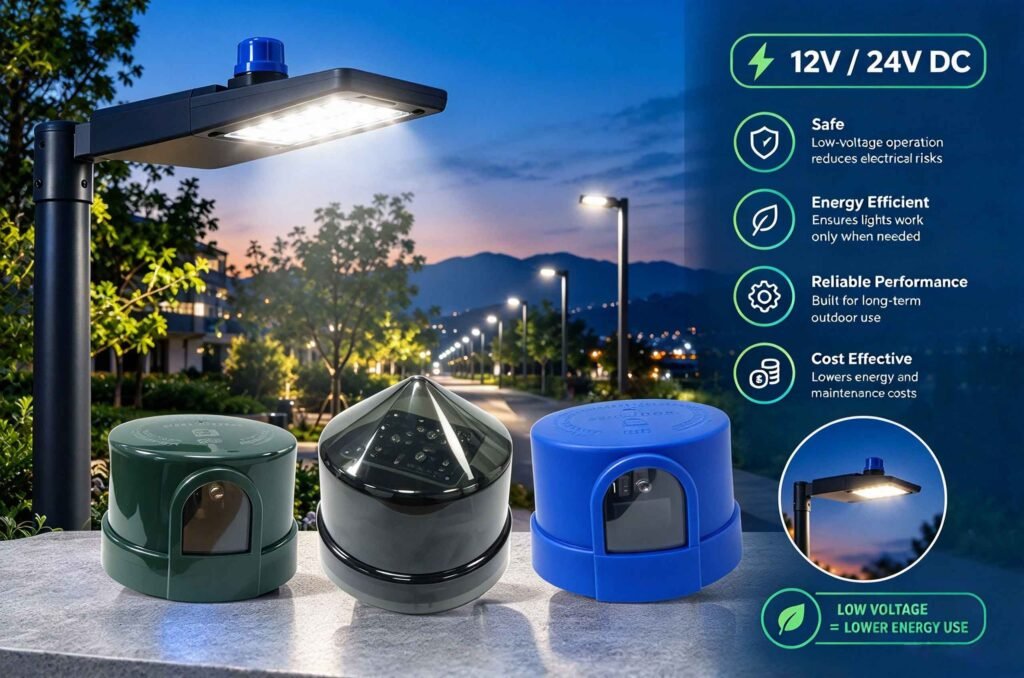
De fotocelsensor is een van de belangrijkste onderdelen van elk buitenverlichtingssysteem, omdat deze bepaalt wanneer de lampen branden.
Moderne fotocellen zorgen ervoor dat verlichtingssystemen alleen werken wanneer dat nodig is, waardoor de efficiëntie wordt gemaximaliseerd en verspilling wordt verminderd.
Hoe verbetert een nauwkeurige werking van schemering tot zonsopgang de efficiëntie?
Fotocellen schakelen lantaarnpalen automatisch AAN wanneer de lichtintensiteit in de omgeving onder een vooraf ingestelde drempelwaarde komt en UIT wanneer het weer daglicht is.
Deze automatische werking biedt diverse belangrijke voordelen:
- Voorkomt verspilling van daglicht.
- Elimineert fouten bij het fysiek schakelen.
- Handhaaft een onafgebroken werking in de hele stad.
- Vermindert onnodig energieverbruik
Betrouwbare automatisering van straatverlichting zorgt ervoor dat metropolen het volledige potentieel van LED-systemen benutten.
Hoe verlengen fotocellen de levensduur van armaturen?
Elke lichtcyclus beïnvloedt de levensduur van LED-drivers en elektronische componenten.
Geavanceerde fotocellen helpen stress te verminderen door:
- Gecontroleerde schakeltijd
- Nuldoorgangsdetectietechnologie
- Verkorte elektrische stroompieken
- Onveranderlijke AAN/UIT-werking
Dit helpt vroegtijdige storingen te verminderen en verlaagt de onderhoudskosten op lange termijn.
Waarom is het verminderen van het stand-byvermogen belangrijk?
Zelfs kleine stand-byverliezen worden belangrijk in grote stedelijke netwerken met tienduizenden armaturen.
Moderne slimme verlichtingssystemen minimaliseren het stroomverbruik in stand-bymodus en verbeteren tegelijkertijd de efficiëntie.
Dit draagt op de lange termijn aanzienlijk bij aan de algemene doelstellingen voor energiezuinigheid buitenshuis.
Welke typen fotocellen worden doorgaans gebruikt in gemeentelijke verlichtingsprojecten?
Verschillende verlichtingsprojecten vereisen verschillende fotoceltechnologieën, afhankelijk van lokale normen, infrastructuurbehoeften en doelstellingen voor integratie in slimme steden.
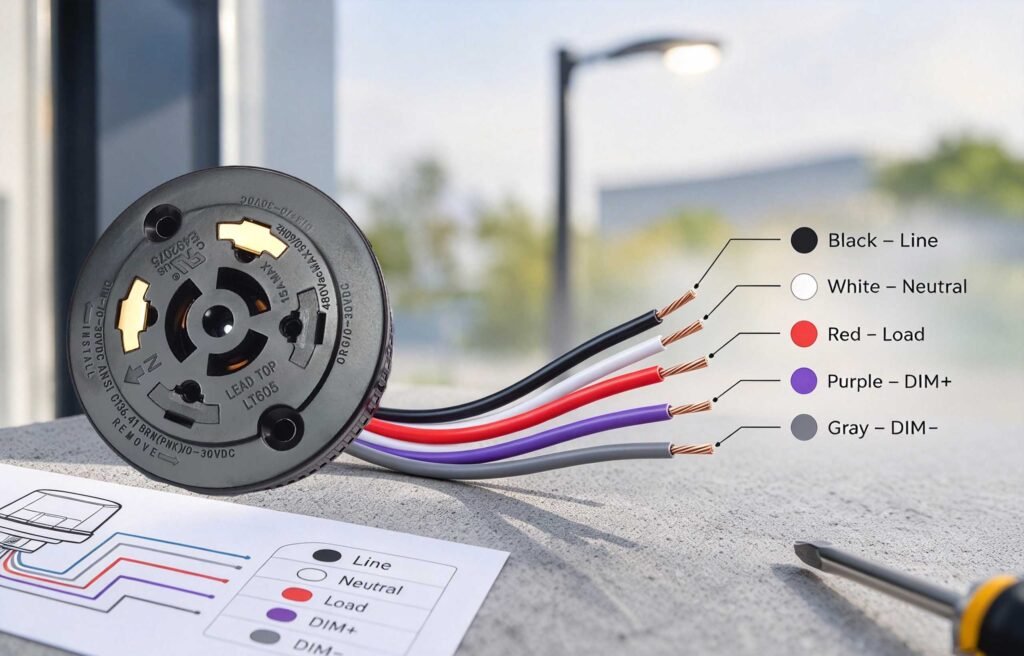
Wat zijn NEMA Twist Lock-fotocellen?
De NEMA Twist Lock-standaard wordt veelvuldig gebruikt in gemeentelijke verlichtingssystemen, met name in Noord-Amerika en bij tal van internationale infrastructuurprojecten.
Voordelen van NEMA Twist Lock-systemen
| Functie | Voordeel |
| Gestandaardiseerde interface | Eenvoudige vervanging en compatibiliteit |
| Twist-Lock-installatie | Snel onderhoud ter plaatse |
| Compatibiliteit met slimme knooppunten | Biedt ondersteuning voor toekomstige upgrades. |
| Hoge betrouwbaarheid | Geschikt voor gemeentelijke infrastructuur |
NEMA-systemen zijn met name populair bij omvangrijke snelweg- en infrastructuurprojecten omdat ze het onderhoud en de uitwisselbaarheid van componenten stroomlijnen.
Waarom neemt het gebruik van Zhaga-interfaces in Europa zo snel toe?
Europa geeft steeds meer de voorkeur aan Zhaga Boek 18 interfaces voor slimme verlichtingssystemen.
Voordelen van op Zhaga gebaseerde systemen
| Functie | Voordeel |
| Compact ontwerp | Kleinere armatuurvoetafdruk |
| Modulaire architectuur | Eenvoudigere upgrades |
| Slimme integratie | Ondersteunt IoT-functionaliteit |
| Esthetisch uiterlijk | Betere integratie van armaturen |
Zhaga-systemen worden steeds belangrijker in de hedendaagse implementatie van slimme verlichtingscontrollers in heel Europa.
Waarom is overspanningsbeveiliging cruciaal bij LED-retrofitprojecten?
Buitenverlichtingssystemen worden blootgesteld aan:
- blikseminslagen
- onvoorspelbaarheid van het elektriciteitsnet
- Schakelpieken
- Elektrische variaties
Zonder een goed ontworpen overspanningsbeveiliging voor de verlichting kunnen LED-drivers en -besturingssystemen voortijdig defect raken.
Moderne fotocellen bevatten daarom steeds vaker:
- 10KV–20KV overspanningsbeveiliging
- MOV-versterkingssystemen
- Uitgebreide spanningscompatibiliteit
- Verbeterde elektrische duurzaamheid
Welke Lood-Top Worden fotoceloplossingen aanbevolen voor Europese LED-retrofitprojecten?
Moderne LED-retrofitprojecten vereisen fotocellen die speciaal zijn ontworpen voor LED-compatibiliteit en langdurige betrouwbaarheid.
Talrijke oplossingen zijn met name geschikt voor toepassingen in Europese metropolen.
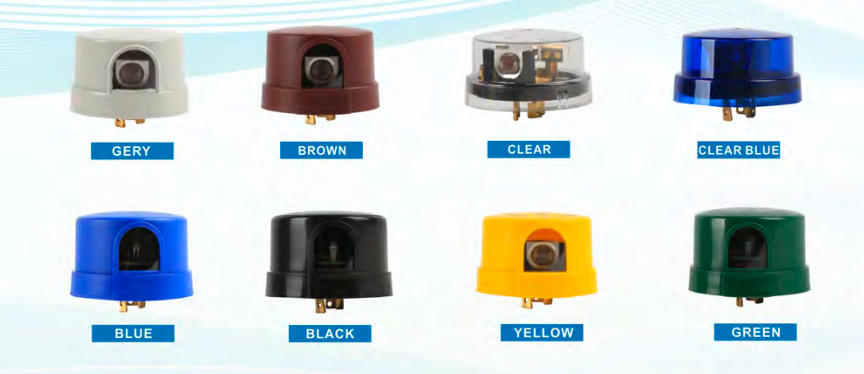
Waarom is de LT124 nuldoorgangsfotocel ideaal voor LED-systemen?
De LT124 draaivergrendelingsfotocel Het is speciaal ontworpen voor LED-toepassingen en is voorzien van nuldoorgangsdetectietechnologie.
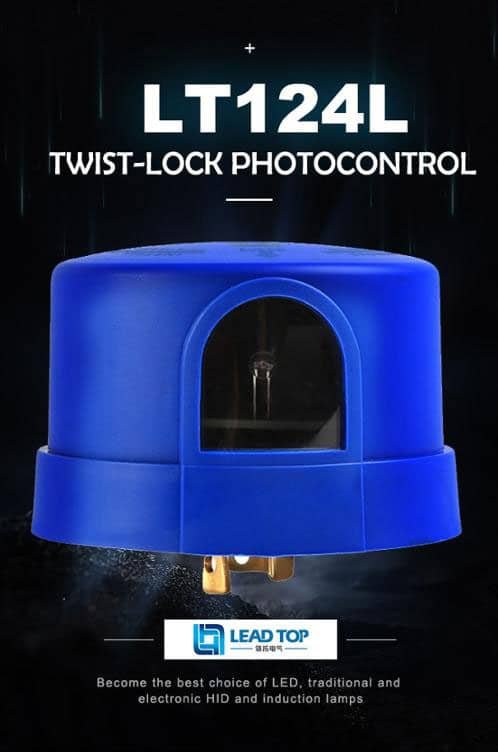
Belangrijkste voordelen
- Vermindert de elektrische belasting tijdens het schakelen.
- Verbeteringen LED compatibiliteit van stuurprogramma's
- Verlengt de levensduur van de armatuur
- Biedt continue schemering-tot-dageraadregeling
Waarom is de LT134 geschikt voor hoogfrequente schakelomgevingen?
De LT134 buitenfotocel is bedoeld voor veeleisende buitenomgevingen waar een lange operationele levensduur vereist is.
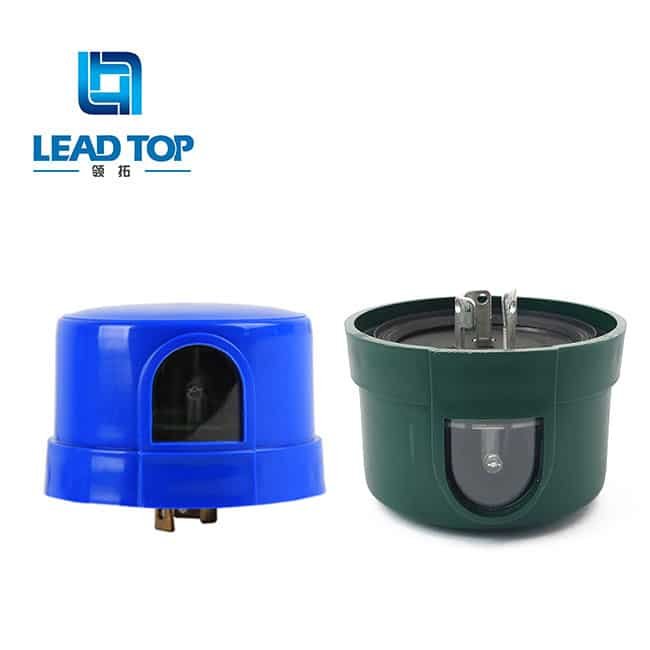
Belangrijkste kenmerken
- Tot wel 15.000 aan/uit-cycli
- Verbeterde overspanningsbeveiliging van 20 kV/10 kA
- Stabiele, langdurige prestaties
- Verkorte onderhoudsfrequentie
Dit maakt het uitermate geschikt voor projecten ter verbetering van de gemeentelijke verlichting.
Waarom is de LT124B nuttig voor gemeentelijke elektriciteitsnetten met een breed spanningsbereik?
Gemeentelijke projecten werken zo nu en dan onder wisselende spanningsomstandigheden.

De LT124B hoogspanningsfotocel ondersteuning:
- Werking tussen 120 en 347V
- Stabiele prestaties over bredere rasterlijnen.
- Compatibiliteit met hoogspanningsinfrastructuur
Dit maakt het geschikt voor veelzijdige infrastructuurprojecten die flexibele spanningsondersteuning vereisen.
Veelgestelde vragen
Vraag 1: Kunnen ledlampen energie besparen zonder fotocellen?
Ja, maar zonder fotocellen werken de lampen mogelijk niet optimaal, waardoor de potentiële energiebesparing afneemt.
Vraag 2: Welk type fotocel is het meest geschikt voor gemeentelijke verlichting?
NEMA- en Zhaga-compatibele fotocellen worden veelvuldig gebruikt vanwege hun hanteerbaarheid en schaalbaarheid.
Vraag 3: Verlagen fotocellen de onderhoudskosten?
Ja, ze minimaliseren fysieke ingrepen en helpen onnodige slijtage van verlichtingssystemen te voorkomen.
Conclusie: Waarom zijn fotocellen essentieel voor de toekomst van ledverlichting in Europa?
De verschuiving in Europa naar energiezuinige stedelijke infrastructuur verloopt in hoog tempo. Hoewel ledverlichting een belangrijke bijdrage levert aan de vermindering van het elektriciteitsverbruik, hangt de werkelijke efficiëntie van een systeem sterk af van slimme besturingssystemen.
Betrouwbare fotocelsensortechnologieën maken het volgende mogelijk:
- Nauwkeurige automatisering van straatverlichting
- Verbeterde energie-efficiëntie buitenshuis
- Verkorte onderhoudskosten
- Langere levensduur van het armatuur
- Verbeterde integratie van slimme steden
Naarmate gemeenten blijven investeren in projecten voor de modernisering van de openbare verlichting, ontstaan er steeds meer vooruitstrevende oplossingen zoals NEMA-draaisluiting Controllers, slimme Zhaga-interfaces en overspanningsbeveiligde fotocelsystemen zullen steeds belangrijker worden.
De toekomstperspectieven van LED Retrofit Europe-projecten hangen niet alleen af van verbeterde verlichtingsarmaturen, maar ook van slimmere en betrouwbaardere technologieën voor lichtregeling.
CTA
Optimaliseer uw LED-retrofitprojecten met betrouwbare en energiezuinige fotoceloplossingen. Neem nu contact met ons op om de juiste controller voor uw gemeentelijke verlichtingsbehoeften te vinden.”


 English
 Portuguese (Brazil)
 Spanish
 Russian
 Dutch
Dutch Japanese
 Portuguese (Portugal)