Invoering
Naarmate gemeenten wereldwijd blijven investeren in slimme stadsverlichting, zijn straatverlichtingselementen niet langer eenvoudige verlichtingsapparaten. Moderne verlichtingssystemen worden onderdeel van grotere, verbonden infrastructuurnetwerken die energiebeheer, verkeersmonitoring, ecologische metingen, openbare veiligheid en datagestuurde stadsplanning ondersteunen.
De slimme straatverlichting van vandaag kan communiceren met centrale beheerplatformen, integreren met draadloze besturingsknooppunten, adaptieve dimming ondersteunen en netwerken met andere stedelijke infrastructuursystemen. Hoewel deze mogelijkheden aanzienlijke operationele voordelen opleveren, brengen ze tegelijkertijd ook nieuwe uitdagingen met zich mee. cyberbeveiliging zorgen.
Dit roept een belangrijke vraag op: kunnen slimme straatverlichting worden gehackt?
Het antwoord is dat elke verbonden infrastructuur potentieel een doelwit kan worden als de beveiliging niet adequaat wordt aangepakt. Het risico betreft echter niet alleen het verlichtingsarmatuur zelf. Het gaat om de gehele omgeving van netwerken, communicatiemodules, softwareplatforms en besturingsinterfaces die moderne verlichtingssystemen laten functioneren.
Het is belangrijk voor steden, aannemers, OEM-producenten en infrastructuurplanners die uitgebreide slimme verlichtingssystemen implementeren, om deze risico's te begrijpen.

Waarom breidt slimme verlichting zich uit over steden?
De snelle groei van de infrastructuur voor verbonden verlichting wordt gedreven door de behoefte aan slimmere en efficiëntere stedelijke processen.
Traditionele straatverlichtingssystemen werken autonoom en bieden beperkt inzicht in de prestaties of onderhoudsbehoeften. Slimme verlichtingsnetwerken daarentegen stellen gemeenten in staat om duizenden verlichtingselementen op afstand te monitoren en te beheren.
De belangrijkste voordelen zijn onder meer:
- Verkorte energieverbruik
- Lagere onderhoudskosten
- Verbeterde betrouwbaarheid van de verlichting
- Realtime foutrapportage
- Adaptieve verlichtingsregeling
- Integratie met slimme stadsplatformen
Huidige slimme stadsverlichtingsprojecten omvatten vaak:
- Draadloze communicatieknooppunten
- Ecologische sensoren
- Verkeersmonitoringssystemen
- Openbare wifi-apparatuur
- Beveiligingscamera's
- Slimme parkeersystemen
- Gegevensverzamelingsapparaten
Tabel 1: Traditionele verlichting versus verbonden verlichtingsinfrastructuur
| Functie | Traditionele verlichting | Aangesloten verlichtingsinfrastructuur |
| Handmatige monitoring | Ja | Nee |
| Afstandsbediening | Nee | Ja |
| Energieoptimalisatie | Beperkt | Geavanceerd |
| Foutdetectie | Handmatig | Automatisch |
| Integratie van slimme steden | Nee | Ja |
| Gegevensverzameling | Geen | Ondersteund |
| Adaptieve verlichting | Nee | Ja |
Kunnen slimme straatverlichting echt gehackt worden?
Omdat moderne verlichtingssystemen steeds meer afhankelijk zijn van digitale communicatietechnologieën, is de bezorgdheid over de vraag "kunnen slimme straatverlichtingssystemen gehackt worden?" begrijpelijk.
Net als bij elk ander verbonden apparaat kunnen er kwetsbaarheden bestaan als er geen passende beveiligingsmaatregelen worden genomen.
Mogelijke risico's zijn onder meer:
Netwerkkwetsbaarheden
Slimme straatverlichting communiceert vaak via draadloze of bekabelde netwerken. Als de communicatiekanalen slecht beveiligd zijn, kunnen er pogingen tot ongeautoriseerde toegang plaatsvinden.
Mogelijke problemen zijn onder meer:
- Zwakke authenticatiesystemen
- Onveilige draadloze communicatie
- Verouderde firmware
- Slechte netwerksegmentatie
Apparaatkwetsbaarheden
Aangesloten verlichtingsmodules bevatten elektronische componenten, communicatiemodules en software.
Risico's kunnen ontstaan wanneer:
- Apparaten worden niet vaak bijgewerkt.
- Beveiligingspatches worden over het hoofd gezien.
- Er is hardware zonder licentie geïnstalleerd.
- Incompatibele systemen van derden worden geïntegreerd
Slechte onderhoudspraktijken
Een van de grootste bedreigingen is vaak niet de technologie zelf, maar gebrekkig operationeel beheer.
Voorbeelden hiervan zijn:
- Standaardwachtwoorden blijven ongewijzigd
- Gebrek aan richtlijnen voor cyberbeveiliging
- Inventarissen van niet-beheerde apparaten
- Onvoldoende personeelstraining
Waarom is de betrouwbaarheid van de infrastructuur belangrijker dan ooit?
Naarmate gemeenten grotere netwerken van slimme straatverlichting uitrollen, wordt betrouwbaarheid net zo belangrijk als functionaliteit.
Gemeentelijke verlichtingssystemen zullen naar verwachting vele jaren ononderbroken functioneren onder moeilijke ecologische omstandigheden.
Een veilige verlichtingsinfrastructuur moet het volgende bieden:
- Lange operationele levenscyclus
- Gestandaardiseerde interfaces
- Onderhoudsvriendelijk
- Schaalbare architectuur
- Toekomstige upgrademogelijkheid
Een betrouwbare infrastructuur verkleint de operationele risico's en ondersteunt de toekomstige uitbreiding van de slimme stad.
Het doel is om een infrastructuur te creëren die gedurende de gehele levensduur veilig, onderhoudbaar en aanpasbaar blijft.
Waarom zijn slimme verlichtingsinterfaces zo belangrijk?
Bij discussies over cyberbeveiliging richten veel mensen zich op softwareplatformen en communicatienetwerken.
De fysieke interface-laag is echter eveneens van essentieel belang.
Onderdelen zoals:
- ANSI C136.41-aansluiting
- Zhaga Boek 18 connectoren
- Slimme knooppunten
- Verlichtingsregelaars
- Communicatiemodules
De fysieke basis leggen voor de hedendaagse infrastructuur voor lichtregeling.
Gestandaardiseerde interfaces bieden een aantal voordelen:
Betere compatibiliteit
Standaardinterfaces vereenvoudigen de integratie tussen apparaten van verschillende fabrikanten.
Eenvoudiger onderhoud
Experts kunnen onderdelen vervangen zonder het hele verlichtingssysteem te hoeven aanpassen.
Toekomstige uitbreidbaarheid
Gemeenten kunnen technologieën upgraden zonder complete armaturen te hoeven vervangen.
Verbeterd levenscyclusbeheer
Modulaire systemen vereenvoudigen de planning van infrastructuur op de lange termijn.
Daarom worden standaarden zoals ANSI C136.41-receptacle en Zhaga Book 18 steeds vaker gebruikt bij de implementatie van slimme steden.
Hoe kunnen steden een veiligere verlichtingsinfrastructuur bouwen?
Een veilig implementatiebeleid omvat zowel technologie als werkprocessen.
Belangrijke aanbevelingen zijn onder meer:
Standaardisatie
Het gebruik van erkende standaarden verbetert de compatibiliteit en verkleint de integratierisico's.
Voorbeelden hiervan zijn:
- ANSI C136.41
- ANSI C136.10
- Zhaga Boek 18
- DALI-communicatiesystemen
Gestandaardiseerde systemen stroomlijnen het onderhoud en vergemakkelijken toekomstige ontwikkelingen.
Modulaire architectuur
Modulaire systemen maken het mogelijk om afzonderlijke componenten te vervangen zonder het hele netwerk opnieuw op te bouwen.
Voordelen zijn onder meer:
- Snellere reparaties
- Lagere onderhoudskosten
- Eenvoudigere technologische upgrades
- Verkorte operationele verstoring
Levenscyclusbeheer
Beveiliging is geen eenmalige klus.
Gemeenten dienen het volgende te implementeren:
- Firmware-updatetechnieken
- Assetvolgsystemen
- Routinematige controles
- Prestatiebewaking
Schaalbare infrastructuur
Toekomstige slimme gemeenten zullen de volgende kenmerken blijven vertonen:
- Sensoren
- AI-platforms
- Verkeerssystemen
- Ecologische monitoring
- Slimme nutsdiensten
Tabel 2: Belangrijkste elementen van een veilige infrastructuur voor slimme verlichting
| Beveiligingsfactor | Belang |
| Gestandaardiseerde interfaces | Verbeterde compatibiliteit en onderhoud. |
| Modulair ontwerp | Vereenvoudigt upgrades en reparaties. |
| Firmwarebeheer | Helpt bij het aanpakken van kwetsbaarheden. |
| Beveiligde communicatie | Beschermt netwerkverkeer |
| Levenscyclusplanning | Ondersteunt betrouwbaarheid op lange termijn |
| Assetbewaking | Verbetert de zichtbaarheid en controle. |
| Open standaarden | Vermindert vendor lock-in. |
Welke slimme verlichtingsconnectiviteitsoplossingen ondersteunen de infrastructuur van de toekomst?
Betrouwbare verbindingscomponenten spelen een cruciale rol in moderne slimme verlichtingssystemen.
LT605-7 Slim stopcontact

Geschikt voor:
- Slimme verlichtingsnetwerken
- Slimme metropoolprojecten
- Implementatie van verlichtingsknooppunten
- Gemeentelijke snelwegsystemen
De belangrijkste voordelen zijn onder meer:
- ANSI C136.41-compatibiliteit
- Ondersteuning voor slimme knooppunten
- Modulaire installatie
- Upgrade-flexibiliteit
LT600 Zhaga-connector + LT6002-sensor
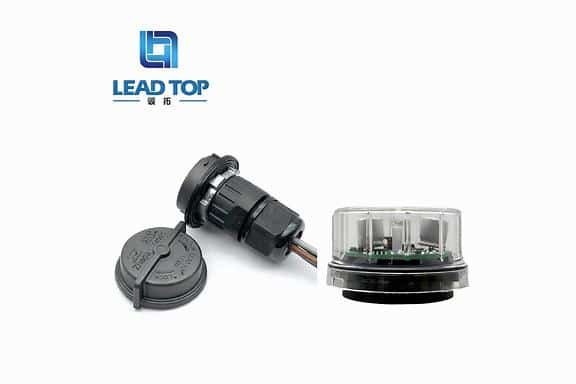
Perfect voor:
- Europese smart city-projecten
- Sensor-gebaseerde infrastructuur
- Adaptieve verlichtingssystemen
- Aaneengesloten stedelijke omgeving
De voordelen omvatten:
- Zhaga Boek 18 berusting
- Compact ontwerp
- Sensorintegratievermogen
- Slimme architectuur
Hoe ziet de toekomst van veilige slimme steden eruit?
De mogelijkheden van een verbonden verlichtingsinfrastructuur reiken veel verder dan alleen verlichting.
Tot de zich ontwikkelende technologieën behoren:
Kunstmatige intelligentie
AI-systemen zullen helpen bij het optimaliseren van:
- Verkeersbeweging
- Energieverbruik
- Onderhoudsschema's
- Infrastructuurprestaties
Edgecomputing
Het verwerken van gegevens dichter bij de bron levert verbeteringen op:
- Reactiesnelheid
- Netwerkvaardigheid
- Systeembetrouwbaarheid
Gedistribueerde sensornetwerken
De verlichtingsinfrastructuur kan uitgroeien tot een van de grootste sensornetwerken in moderne gemeenten.
Mogelijke toepassingen zijn onder meer:
- Ecologische monitoring
- Luchtkwaliteitsmeting
- Verkeersanalyse
- Ondersteuning van de openbare veiligheid
- Infrastructuurdiagnostiek
Digitale stedelijke platforms
Toekomstige gemeenten zullen steeds meer afhankelijk zijn van geïntegreerde systemen die de volgende elementen combineren:
- Verlichting
- Vervoer
- Nutsvoorzieningen
- Communicatie
- Openbare diensten
Een veilige en gestandaardiseerde infrastructuur is onmisbaar om deze onderling verbonden omgevingen te ondersteunen.
Conclusie
Naarmate slimme stadsverlichting zich verder uitbreidt, moeten cyberbeveiliging, betrouwbaarheid en onderhoudbaarheid centrale planningsaspecten worden.
Moderne slimme lichtregelsystemen zijn afhankelijk van meer dan alleen armaturen en sensoren. Standaardgebaseerde interfaces, modulaire architectuur en betrouwbare connectiviteitscomponenten spelen een cruciale rol bij het ondersteunen van een veilige en schaalbare infrastructuur.
Gemeenten kunnen risico's beperken en tegelijkertijd de voordelen van een verbonden verlichtingsinfrastructuur maximaliseren door open standaarden te accepteren, een goed levensduurbeheer uit te voeren en te kiezen voor betrouwbare technologieën voor lichtregeling.
CTA:
Contact Lood-Top Voor deskundig advies over veilige, betrouwbare en toekomstbestendige slimme verlichtingsoplossingen voor stedelijke, snelweg- en smart city-infrastructuurprojecten.
Referenties:
- https://simple.wikipedia.org/wiki/Cybersecurity
- https://en.wikipedia.org/wiki/Zhaga_Consortium
- https://leaditop.com/product/customizable-upgraded-models-highly-waterproof-zhaga-socket-lt600/
- https://leaditop.com/product/customizable-upgraded-models-ip68-highly-waterproof-zhaga-socket-lt600-2/
- https://leaditop.com/product-2/
- https://leaditop.com/product/0-10v-dali-dimming-street-light-control-receptacle-lt605-7-pin-with-bracket/




 English
 Portuguese (Brazil)
 Spanish
 Russian
 Dutch
Dutch Japanese
 Portuguese (Portugal)