Stedelijke verlichting betreedt een nieuw tijdperk. Decennialang richtten steden zich op het installeren van straatverlichting die simpelweg aan- en uitging bij zonsondergang. De volgende grote verandering kwam met de vervanging van verlichting door ledlampen, wat het energieverbruik en de onderhoudskosten aanzienlijk verlaagde. Tegenwoordig gaan gemeenten echter verder dan de basis. LED vooruitgang en de inzet van slimme verlichtingssystemen die in staat zijn om in realtime te reageren op situaties in de praktijk.
Een van de meest opvallende voorbeelden is het verkeersadaptieve verlichtingsproject van Liverpool nabij het Everton Stadium. Om de veiligheid te verbeteren, het energieverbruik te optimaliseren en toekomstbestendige stedelijke infrastructuur te bouwen, laat dit project zien hoe moderne gemeenten gebruikmaken van verkeersadaptieve verlichting, slimme straatverlichting en IoT-technologieën voor straatverlichting.
Adaptieve verlichting ontwikkelt zich snel tot een van de belangrijkste ontwikkelingen in de hedendaagse slimme stadsverlichtingsinfrastructuur, omdat gemeenten wereldwijd ernaar streven de CO2-uitstoot te verminderen en tegelijkertijd de openbare dienstverlening te verbeteren.

Waarom implementeert Liverpool een van de eerste grootschalige verkeersadaptieve verlichtingssystemen van het Verenigd Koninkrijk?
Het project in Liverpool is een belangrijke mijlpaal in de ontwikkeling van stedelijke verlichtingstechnologie.
Het verlichtingsnetwerk rondom het Everton Stadium is zo ontworpen dat het inspeelt op wisselende verkeersomstandigheden. Het combineert gekoppelde led-armaturen met slimme monitoringsystemen die de verblinding nauwkeurig kunnen aanpassen.
Waarom is realtime verkeersmonitoring belangrijk?
Straatverlichting van het ouderwetse type werkt met een vaste lichtopbrengst, ongeacht het daadwerkelijke gebruik van de weg.
De verkeersdrukte varieert echter aanzienlijk gedurende de dag en nacht.
Bijvoorbeeld:
- Tijdens de spitsuren is het verkeer erg druk.
- 's Avonds laat is er vaak weinig autoverkeer.
- Speciale evenementen zorgen voor tijdelijke verkeersdrukte.
- Weersomstandigheden beïnvloeden de zichtbaarheidseisen.
Hoe werkt automatische helderheidsaanpassing?
Adaptieve verlichtingssystemen maken gebruik van verkeerssensoren, communicatienetwerken en centrale beheerplatformen om de lichtniveaus robotisch aan te passen.
Wanneer het verkeer toeneemt:
- De lichtsterkte neemt toe.
- De zichtbaarheid neemt toe.
- De beveiliging is verbeterd.
Wanneer het verkeer afneemt:
- De lichtopbrengst is beperkt.
- Het energieverbruik daalt.
- De operationele kosten dalen.
Waarom zijn energiebesparingen op de lange termijn belangrijk?
Het project in Liverpool zal naar verwachting over een periode van tien jaar een energiebesparing van ongeveer 301 ton opleveren.
Voor steden die duizenden verlichtingspunten beheren, kunnen zelfs kleine efficiëntieverbeteringen leiden tot aanzienlijke kostenbesparingen.
Waarom wordt adaptieve verlichting de volgende stap in de evolutie van LED-straatverlichting?
De omschakeling van traditionele verlichting naar ledverlichting markeerde de eerste fase van de moderne verlichtingsinfrastructuur.
De volgende fase is adaptieve wegverlichting.
Wat is dynamische helderheidsregeling?
Dynamische helderheidsregeling maakt het mogelijk dat verlichtingssystemen de lichtsterkte aanpassen aan de werkelijke behoefte.
In plaats van de hele nacht maximale verblinding te handhaven, bieden adaptieve systemen het volgende:
- Hogere bekwaamheid
- Verbeterd gebruik van hulpbronnen
- Lager energieverbruik
- Verkorte koolstofemissies
Hoe verbetert evenementgestuurd lichtmanagement de stedelijke bedrijfsvoering?
Hedendaagse gemeenten bieden vaak onderdak aan:
- Sportieve evenementen
- Concerten
- Festivals
- Openbare vergaderingen
Deze gelegenheden leiden vaak tot tijdelijke toenames in het voetgangers- en autoverkeer.
Adaptieve verlichtingssystemen reageren automatisch op deze omstandigheden, waardoor de verlichting indien nodig wordt verbeterd en vervolgens altijd weer terugkeert naar het normale werkniveau.
Waarom verbetert adaptieve verlichting de veiligheid?
De verkeersveiligheid is sterk afhankelijk van goed zicht.
Adaptieve systemen verbeteren de veiligheid door:
- Verhoogde verlichting tijdens drukke perioden.
- Ondersteuning van voetgangersbewegingen
- Verbetering van het bewustzijn van bestuurders
- Vermindering van het risico op ongevallen
Dit maakt slimme straatverlichting tot een waardevol onderdeel van de hedendaagse transportinfrastructuur.
Waarom spelen slimme lichtsensoren een cruciale rol in adaptieve verlichtingsnetwerken?
Hoewel LED-armaturen efficiënte verlichting bieden, maken slimme besturingssystemen adaptieve functionaliteit mogelijk.
Dit is waar geavanceerde fotobesturingstechnologieën van belang worden.
Waarom is de mogelijkheid tot dimmen noodzakelijk?
Adaptieve verlichting vereist meer dan alleen een aan/uit-schakelaar.
Moderne systemen moeten het volgende ondersteunen:
- Variabele verlichtingsniveaus
- Krachtige aanpassing
- Energieoptimalisatie
- Slimme planning
De ANSI C136.41-norm voor fotocontrole biedt een effectief platform voor deze mogelijkheden.
Waarom is sensorintegratie belangrijk?
Adaptieve verlichting is afhankelijk van gegevens uit:
- Verkeerssensoren
- Bewegingssensoren
- Ecologische sensoren
- Platforms voor slimme steden
De besturingscomponenten moeten de communicatie tussen deze systemen en het verlichtingsnetwerk ondersteunen.
Waarom is communicatie op afstand essentieel?
Gemeentelijke beheerders geven steeds vaker de voorkeur aan gecentraliseerd lichtbeheer.
Communicatie op afstand biedt de volgende mogelijkheden:
- Feitelijke monitoring
- Prestatieanalyse
- Foutopsporing
- Operationele optimalisatie
Dit verlaagt de onderhoudskosten en verbetert de betrouwbaarheid van het systeem.
Welke Lead-Top producten ondersteunen slimme adaptieve verlichtingssystemen?
LT154 ANSI C136.41 Draaivergrendeling dimlicht met fotocel
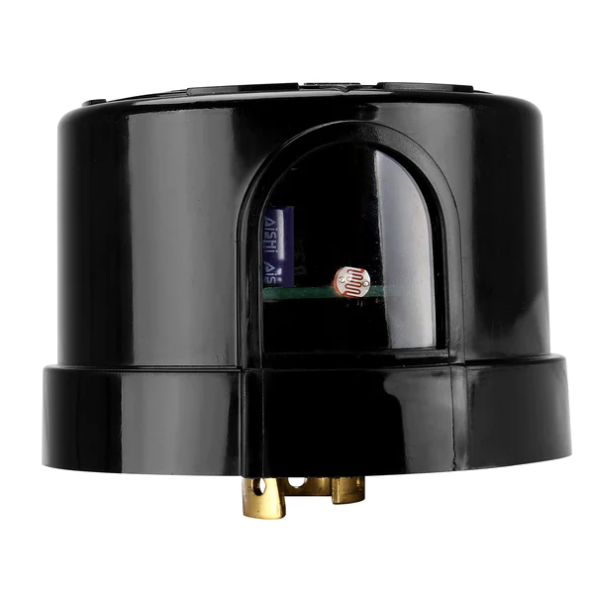
De belangrijkste kenmerken zijn:
- Dimondersteuning
- LED-compatibiliteit
- Slimme architectuur
- Betrouwbare prestaties buitenshuis
LT605R-7PIN draaibare ANSI C136.41-aansluiting

Voordelen zijn onder meer:
- Flexibele installatie
- Communicatieondersteuning
- Compatibiliteit met slimme knooppunten
- Vereenvoudigd onderhoud
LT635-7PIN gereedschapsvrije draaibare connector

Voordelen zijn onder meer:
- Snelle installatie
- Vereisten voor goedkope arbeidskrachten
- Compatibiliteit met slimme bedieningselementen
- Langdurige betrouwbaarheid
Tabel 1: Belangrijkste componenten van adaptieve verlichtingsnetwerken
| Onderdeel | Primaire functie | Voordelen van slimme verlichting |
| LT154 ANSI C136.41 Fotocontrole | Dimmen en bediening | Adaptief helderheidsbeheer |
| LT605R-7PIN-aansluiting | Communicatie-interface | Connectiviteit van slimme knooppunten |
| LT635-7PIN-aansluiting | Installatie zonder gereedschap | Sneller onderhoud |
| Verkeerssensoren | Voertuigdetectie | Realtime lichtaanpassing |
| Centraal beheerplatform | Netwerkmonitoring | Systeemwijde optimalisatie |
Waarom wordt ANSI C136.41 de standaard voor slimme verlichting?
Waarom is ANSI C136.41 belangrijk?
ANSI C136.41 biedt een gestandaardiseerde interface die het volgende ondersteunt:
- Slimme knooppunten
- Dimsystemen
- Draadloze communicatie
- Toekomstige ontwikkelingen
Hoe ondersteunt het draadloze communicatie?
Draadloze besturingssystemen worden steeds belangrijker voor de implementatie van moderne slimme verlichtingssystemen.
ANSI C136.41 maakt integratie met de volgende normen mogelijk:
- Mobiele netwerken
- RF-mesh-systemen
- IoT platforms
- Slimme stadstoepassingen
Waarom vereenvoudigt standaardisatie toekomstige upgrades?
Gemeenten moderniseren hun infrastructuur vaak maar langzaam.
Gestandaardiseerde interfaces stellen steden in staat om:
- Verbeter de verlichting in fasen.
- Voeg later nieuwe technologieën toe.
- Stroomlijn onderhoudsprocedures
- Verleng de levenscyclus van de infrastructuur
Wat komt er na adaptieve verlichting?
Adaptieve verlichting is een belangrijke stap voorwaarts, maar toekomstige ontwikkelingen dienen zich nu al aan.
Hoe zal AI de verkeersvoorspelling verbeteren?
Kunstmatige intelligentie kan het volgende beoordelen:
- Historische verkeersgegevens
- Weersomstandigheden
- Evenementenprogramma's
- Vervoerspatronen
Dit maakt het mogelijk om de verlichting voorspellend aan te passen voordat de verkeerssituatie verandert.
Waarom zijn slimme, verbonden lantaarnpalen belangrijk?
Toekomstige infrastructuur voor slimme masten kan een combinatie van de volgende elementen bevatten:
- Verlichting
- Sensoren
- Camera's
- Communicatieapparatuur
- Ecologische monitoring
Deze systemen transformeren verlichtingsbronnen in multifunctionele stedelijke infrastructuurplatformen.
Hoe zal een stadsbrede IoT-infrastructuur de bedrijfsvoering veranderen?
Een compleet IoT-straatverlichtingsnetwerk kan het volgende ondersteunen:
- Voorspellend onderhoud
- Energieanalyse
- Verkeersoptimalisatie
- Stedenbouwkundige initiatieven
Verlichtingsnetwerken worden steeds meer onderdeel van bredere slimme stadsomgevingen.
Tabel 2: Traditionele verlichting versus verkeersadaptieve verlichting
| Functie | Traditionele verlichting | Verkeersadaptieve verlichting |
| Helderheidsregeling | Vaste uitvoer | Dynamische aanpassing |
| Energie-efficiëntie | Gematigd | Hoog |
| Verkeersreactie | Geen | Realtime |
| Monitoring | Handmatig | Op afstand |
| Onderhoud | reactief | Voorspellend |
| Mededeling | Beperkt | IoT-compatibel |
| Toekomstige schaalbaarheid | Laag | Hoog |
Conclusie
Als slimme infrastructuur die kan reageren op omstandigheden in de praktijk, laat het verkeersadaptieve verlichtingsproject van Liverpool zien hoe gemeenten verder gaan dan de traditionele LED-technologie.
Steden kunnen de veiligheid verbeteren, de operationele kosten verlagen en tegelijkertijd duurzaamheidsdoelstellingen ondersteunen door adaptieve verkeersverlichting, slimme straatverlichting, slimme lichtregelsystemen en IoT-technologieën voor straatverlichting te combineren.
Adaptieve verlichting zal een cruciale rol spelen in de evolutie van slimme stadsverlichtingsnetwerken, naarmate stedelijke omgevingen steeds meer verbonden raken. De integratie van slimme lichtsensoren, gestandaardiseerde ANSI C136.41-lichtsensorinterfaces en innovatieve communicatiesystemen zal gemeenten helpen bij het bouwen van schaalbare en toekomstbestendige infrastructuur.
Veelgestelde vragen
Wat is verkeersadaptieve verlichting?
Op basis van de actuele verkeersomstandigheden, voetgangersactiviteit en ecologische factoren past verkeersadaptieve verlichting robotisch de verblindingsniveaus aan.
Hoeveel energie kan adaptieve verlichting besparen?
Adaptieve verlichtingssystemen kunnen het energieverbruik met 20% tot 40% of meer verlagen in vergelijking met verlichting met een vaste lichtopbrengst, afhankelijk van de implementatieomstandigheden.
Welke componenten zijn nodig voor slimme straatverlichtingssystemen?
Typische systemen omvatten slimme fotocellen, ANSI C136.41-stopcontacten, communicatieknooppunten, verkeerssensoren, beheersoftware en led-armaturen.
CTA
Lead-Top biedt slimme fotocellen, ANSI C136.41-stopcontacten en slimme verlichtingsconnectiviteitsoplossingen, bedoeld voor adaptieve snelwegverlichting en toekomstige smart city-projecten. Neem vandaag nog contact op met ons team om de betrouwbare componenten voor de volgende generatie buitenverlichtingsinfrastructuur te ontdekken.




 Dutch
Dutch  English
  Portuguese (Brazil)
  Spanish
  Russian
  Japanese
  Portuguese (Portugal)