Inleiding: Waarom betreedt Latijns-Amerika een nieuw tijdperk van slimme verlichtingsinfrastructuur?
Republieken in Latijns-Amerika en vele andere landen hebben flink geïnvesteerd in het vervangen van oude hogedruk-natriumlampen (HPS), kwikdamplampen en metaalhalogeenlampen door energiezuinige led-armaturen. Hoewel deze led-moderniseringsprogramma's het elektriciteitsverbruik en de onderhoudskosten succesvol hebben verlaagd, kijken gemeentelijke autoriteiten nu verder dan alleen energiebesparing.
Deze stap markeert de evolutie van traditionele verlichting naar slimme verlichtingsinfrastructuur. Van moderne verlichtingssystemen wordt verwacht dat ze niet alleen straten verlichten, maar ook uitgroeien tot slimme digitale systemen die data verzamelen, de openbare veiligheid verbeteren, de operationele kosten verlagen en een platform bieden voor toekomstige stedelijke diensten.
Om deze visie te realiseren, moeten steden zorgvuldig slimme verlichtingscomponenten, gestandaardiseerde interfaces, modulaire controllers en toekomstbestendige lichtregelsystemen selecteren die verbeteringen mogelijk maken zonder dat complete armaturen vervangen hoeven te worden. Technologieën zoals Zhaga slimme verlichting, ANSI C136.41-interfaces, DALI Communicatie en verbonden verlichtingssystemen worden steeds belangrijker omdat ze de komende decennia flexibiliteit en interoperabiliteit bieden.

Waarom hebben steden toekomstbestendige verlichtingsinfrastructuur nodig in plaats van simpelweg LED-verlichting te vervangen?
LED-vervanging is slechts het begin.
Het vervangen van ouderwetse armaturen door led-armaturen is een belangrijke mijlpaal, maar moet worden gezien als een beginpunt en niet als het einddoel.
LED-technologie biedt veel directe voordelen, waaronder:
- Lager elektriciteitsverbruik
- Langere levensduur
- Verkorte onderhoudsvereisten
- Verbeterde verlichtingskwaliteit
- Betere ecologische prestaties
Toekomstige slimme stadsverlichtingssystemen zullen naar verwachting het volgende ondersteunen:
- Bewaking op afstand
- Draadloze communicatie
- Adaptief dimmen
- Verkeersafhankelijke verlichting
- Ecologische monitoring
- Luchtkwaliteitssensoren
- Openbare wifi
- Beveiligingsapplicaties
- Voorspellend onderhoud
- Energieanalyse
Zonder planning voor deze mogelijkheden tijdens de huidige LED-upgradeprojecten, kunnen steden over een paar jaar geconfronteerd worden met kostbare reconstructiewerkzaamheden.
Waarom worden open standaarden essentieel voor slimme verlichtingsprojecten?
Open standaarden helpen gemeenten flexibel te blijven en garanderen tegelijkertijd dat de verlichtingsinfrastructuur compatibel blijft met toekomstige innovaties.
Talrijke internationaal erkende normen spelen tegenwoordig een belangrijke rol in de technologie voor buitenverlichting, waaronder:
- ANSI C136.41
- Zhaga Boek 18
- DALI (Digital Addressable Lighting Interface)
- D4i-verlichtingsnormen
Deze standaarden maken het mogelijk dat producten van verschillende fabrikanten samenwerken, waardoor inkoop, onderhoud en toekomstige groei worden gestroomlijnd.
Slimme verlichting wordt vaak gekoppeld aan softwareplatformen, cloudcomputing of draadloze communicatie. Geen van deze technologieën kan echter functioneren zonder een betrouwbare fysieke infrastructuur.
Betrouwbare slimme verlichtingscomponenten vormen de basis van elk slim verlichtingsnetwerk.
Tot de essentiële hardware behoren:
- Fotocontroles
- Houders
- Connectoren
- Controllers
- Dimbare interfaces
- Communicatieknooppunten
Door nu al te kiezen voor modulaire, gestandaardiseerde hardware wordt de toekomstige uitrol van slimme steden aanzienlijk eenvoudiger en kosteneffectiever.
Tabel 1. Traditionele ledverlichting versus toekomstbestendige slimme verlichtingsinfrastructuur
| Functie | Traditionele LED-verlichting | Toekomstbestendige slimme verlichtingsinfrastructuur |
| Primaire functie | Energiezuinige verlichting | Intelligent, verbonden verlichtingsplatform |
| Controlemethode | Automatisch AAN/UIT | Bewaking op afstand, dimmen en adaptieve regeling |
| Upgrademogelijkheid | Beperkt | Modulair en uitbreidbaar |
| Mededeling | Geen of beperkt | Draadloze IoT-communicatie |
| Toekomstige toepassingen | Alleen verlichting | Slimme stadsdiensten, sensoren en analyses |
Welke risico's lopen steden als ze de planning voor toekomstige modernisering negeren?
Sommige steden richten zich uitsluitend op het verlagen van de projectkosten op korte termijn, zonder rekening te houden met toekomstige uitbreidingen.
Hoewel deze aanpak de initiële kosten kan verlagen, kan ze op de lange termijn talrijke uitdagingen met zich meebrengen.
Hogere toekomstige vervangingskosten
Als de huidige verlichtingsinfrastructuur geen compatibele interfaces heeft, kan het later toevoegen van slimme bedieningselementen betekenen dat complete armaturen vervangen moeten worden in plaats van dat er simpelweg nieuwe controllers geïnstalleerd kunnen worden.
Beperkte uitbreidingsmogelijkheden
Verlichtingssystemen zonder modulaire architectuur bieden vaak problemen met de volgende functionaliteiten:
- Slimme sensoren
- Adaptieve verlichting
- Diagnose op afstand
- Draadloze communicatie
Toegenomen complexiteit van het onderhoud
Het gebruik van niet-standaard onderdelen maakt vervanging lastiger, verhoogt de voorraad reserveonderdelen en bemoeilijkt de planning van onderhoud op lange termijn.
Welke trends doen zich voor onder wereldwijde klanten in de verlichtingssector?
OEM-fabrikanten, verlichtingsleveranciers en gemeentelijke ingenieurs stellen andere vragen aan hun leveranciers.
Vele jaren geleden concentreerden de discussies zich voornamelijk op:
- Productprijs
- Levertijd
- Basis elektrische specificaties
Tegenwoordig stellen klanten steeds vaker de volgende vragen:
- Is het product geschikt voor smartphones?
- Ondersteunt het dimmen?
- Kunnen sensoren worden geïntegreerd?
- Is de interface gestandaardiseerd?
- Blijven toekomstige controllers compatibel?
Deze ontwikkeling laat zien hoe de prioriteiten bij de aankoop zijn verschoven van losse producten naar complete, verbonden verlichtingssystemen.
Welke slimme verlichtingsoplossingen ondersteunen de toekomstige gemeentelijke infrastructuur?
Gemeentelijke verlichtingsprojecten hebben steeds vaker behoefte aan producten die zowel direct functioneel als flexibel inzetbaar zijn voor upgrades op de lange termijn.
Oplossing 1: Slimme diminfrastructuur
Een voorgestelde combinatie omvat:
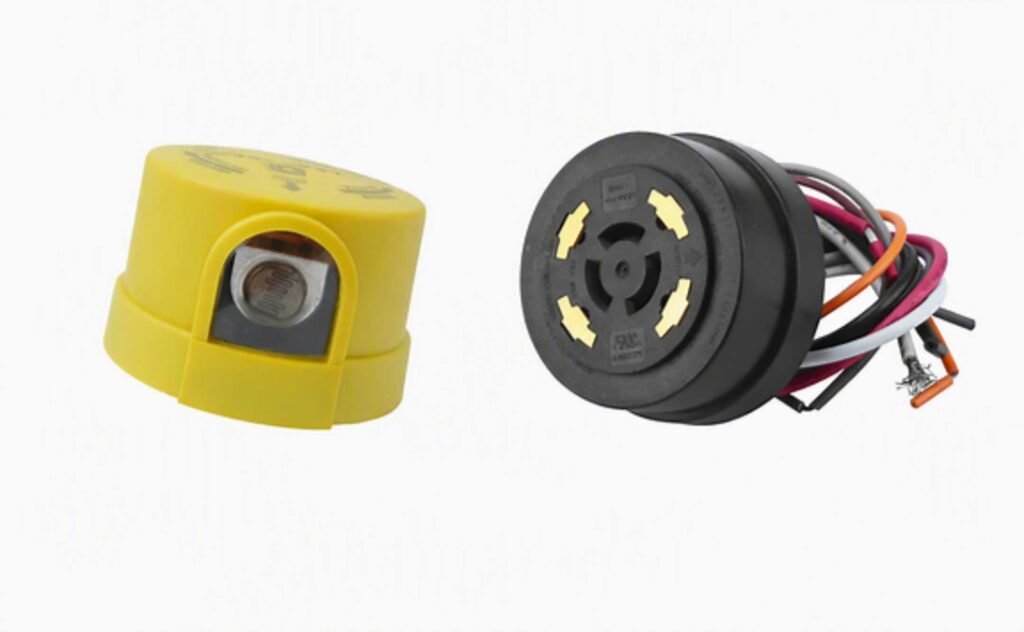
- LT154E Elektronische dimlichtregeling
- LT635 7-pins dimbare aansluiting
Deze oplossing ondersteunt slimme verlichtingstoepassingen en blijft tegelijkertijd compatibel met toekomstige ontwikkelingen.
Belangrijkste voordelen
- 0–10V dimmen
- DALI-dimcompatibiliteit
- Slimme infrastructuur die klaar is voor de toekomst
- Betrouwbare LED-regeling
- Vereenvoudigd onderhoud
Typische toepassingen
- Slimme stadsprojecten
- Gemeentelijke energieprogramma's
- Adaptieve wegverlichting
- Stedelijke straatverlichting
Oplossing 2: Zhaga Smart Lighting Platform
Nog een toekomstbestendige oplossing combineert:
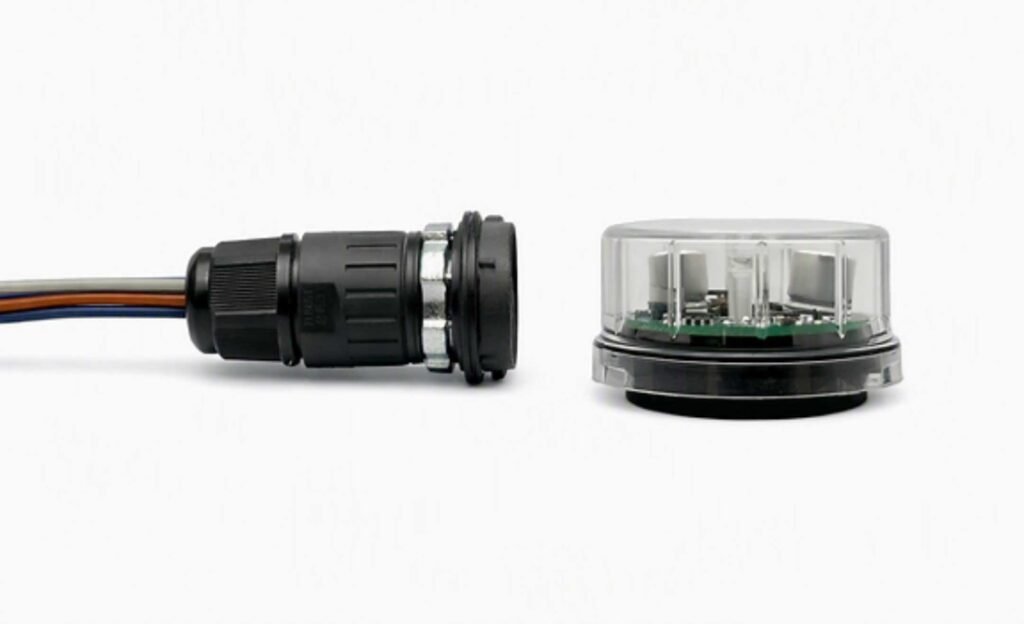
- LT600 Zhaga Book 18 Connector
- LT6002 DALI-controller
Deze groepering ondersteunt moderne sensorintegratie en bereidt tegelijkertijd de infrastructuur voor op de uitbreiding van IoT-toepassingen.
Belangrijke voordelen
- Compatibiliteit met Zhaga slimme verlichting
- DALI-communicatie
- Plug-and-play installatie
- Toekomstige IoT-integratie
- Modulaire uitbreiding
Typische toepassingen
- Europese slimme verlichtingsprojecten
- Aangesloten gemeentelijke verlichting
- Slimme stedelijke infrastructuur
- Slimme wegverlichting
Tabel 2. Aanbevolen slimme verlichtingsoplossingen
| Productcombinatie | Belangrijkste kenmerken | Geschikte toepassingen |
| LT154E Elektronische dimlichtregeling + LT635 7-pins dimbare aansluiting | 0–10V dimmen, DALI-compatibiliteit, smart-ready infrastructuur | Slimme steden, adaptieve verlichting, gemeentelijke energieprogramma's |
| LT600 Zhaga Book 18 Connector + LT6002 DALI-controller | Zhaga-conformiteit, modulaire sensorintegratie, IoT-gereedheid | Aangesloten verlichtingssystemen, slimme gemeentelijke infrastructuur, Europese projecten |
Veelgestelde vragen (FAQ)
Waarom zouden gemeenten investeren in slimme verlichtingsinfrastructuur?
Toekomstige ontwikkelingen vereisen mogelijk sensoren, communicatienetwerken, adaptieve verlichting en bewaking op afstand. Door nu al compatibele infrastructuur aan te leggen, worden toekomstige upgradekosten verlaagd en de publieke investering beschermd.
Welke standaarden zijn belangrijk voor slimme verlichting?
De meest algemeen erkende standaarden zijn onder andere ANSI C136.41, Zhaga smart lighting (Zhaga Book 18), DALI en D4i. Deze standaarden verbeteren de interoperabiliteit en vereenvoudigen toekomstige groei.
Kunnen bestaande ledverlichtingssystemen worden geüpgraded?
Ja. Talrijke LED-systemen kunnen worden geüpgraded als ze gebruikmaken van modulaire interfaces, compatibele aansluitingen en gestandaardiseerde communicatiecomponenten.
Waarom worden slimme verlichtingssystemen steeds populairder?
Dankzij slimme verlichtingssystemen kunnen steden de verlichting op afstand monitoren, het energieverbruik optimaliseren, storingen automatisch detecteren, sensoren integreren en uitgebreide smart-city-toepassingen ondersteunen.
Welke rol spelen slimme verlichtingscomponenten?
Betrouwbare slimme verlichtingscomponenten bieden de fysieke basis die nodig is voor communicatie, dimmen, beheer op afstand en toekomstige IoT-integratie.
Conclusie: Waarom zouden steden zich vandaag al moeten voorbereiden op de slimme verlichting van morgen?
De markt voor openbare verlichting in Latijns-Amerika betreedt een nieuwe ontwikkelingsfase. Hoewel de overstap naar ledverlichting een belangrijke prioriteit blijft, erkennen steden steeds meer dat succes op de lange termijn afhangt van de aanleg van een slimme verlichtingsinfrastructuur die zich kan aanpassen aan toekomstige technologieën.
In plaats van verlichting te beschouwen als losstaande elektrische apparatuur, transformeren gemeenten deze tot slimme stedelijke infrastructuur die connectiviteit, duurzaamheid en digitale diensten ondersteunt. Betrouwbare slimme verlichtingscomponenten, open standaarden zoals ANSI C136.41, DALI en Zhaga smart lighting, in combinatie met modulaire lichtregelsystemen, stellen steden in staat om geleidelijk nieuwe mogelijkheden te introduceren zonder bestaande armaturen te hoeven vervangen.
Bouw slimme verlichtingssystemen met Lead-Top.
Om de LED-projecten van vandaag en de slimme stedelijke infrastructuur van morgen te ondersteunen, biedt Lead-Top een compleet portfolio aan slimme verlichtingsoplossingen, waaronder NEMA-fotocellen, ANSI C136.41-contactdozen, Zhaga Book 18-connectoren, DALI-compatibele controllers en modulaire verlichtingsinterfaces.
Om uw toepassing te bespreken, technische specificaties aan te vragen of een op maat gemaakte slimme verlichtingsoplossing te ontvangen die bijdraagt aan de realisatie van betrouwbare, schaalbare en toekomstbestendige buitenverlichtingssystemen, neem dan vandaag nog contact op met Lead-Top.
Referenties:
- https://en.wikipedia.org/wiki/Digital_Addressable_Lighting_Interface
- https://en.wikipedia.org/wiki/American_National_Standards_Institute
- https://leaditop.com/product/twist-lock-photoelectric-switch-lt154e-photocell-sensor/
- https://leaditop.com/product/360-degree-rotatable-photocontrol-dimming-receptacle-for-led-streetlight-socket-7pin-nema-socket-ansi-c136-40-photocell-base/
- https://leaditop.com/product/customizable-upgraded-models-highly-waterproof-zhaga-socket-lt600/
- https://leaditop.com/product/zhaga-socket-connected-dali-2-0-protocol-and-0-10v-dimming-control-luminaire-lighting-2/


 Dutch
Dutch  English
  Portuguese (Brazil)
  Spanish
  Russian
  Japanese
  Portuguese (Portugal)