Introdução: Por que a América Latina está entrando em uma nova era de infraestrutura de iluminação inteligente?
Repúblicas da América Latina e muitos outros países investiram pesadamente na substituição de antigas lâmpadas de sódio de alta pressão (HPS), vapor de mercúrio e iodetos metálicos por luminárias LED de baixo consumo. Embora esses programas de modernização com LED tenham reduzido com sucesso o consumo de eletricidade e os custos de manutenção, as autoridades municipais agora buscam soluções que vão além da simples economia de energia.
Essa mudança marca a evolução da iluminação convencional para a infraestrutura de iluminação inteligente. Espera-se que os sistemas de iluminação modernos não apenas iluminem as ruas, mas também se tornem ativos digitais inteligentes que coletam dados, melhoram a segurança pública, reduzem os custos operacionais e fornecem uma plataforma para futuros serviços urbanos.
Para concretizar essa visão, as cidades devem selecionar cuidadosamente componentes de iluminação inteligente, interfaces padronizadas, controladores modulares e arquiteturas de sistemas de controle de iluminação preparadas para o futuro, que permitam avanços sem a necessidade de substituir luminárias inteiras. Tecnologias como a iluminação inteligente Zhaga e as interfaces ANSI C136.41, DALI A comunicação e os sistemas de iluminação conectados estão se tornando cada vez mais importantes, pois proporcionam rastreabilidade e interoperabilidade para as próximas décadas.

Por que as cidades precisam de infraestrutura de iluminação preparada para o futuro, em vez de uma simples substituição por LEDs?
A substituição por LED é apenas o começo.
A substituição de luminárias antigas por luminárias LED representa um marco importante, mas deve ser vista como a base, e não como o objetivo final.
A tecnologia LED oferece muitos benefícios imediatos, incluindo:
- Menor consumo de eletricidade
- Vida útil mais longa
- Requisitos de manutenção resumidos
- Qualidade de iluminação aprimorada
- Melhor desempenho ecológico
Espera-se que os futuros sistemas de iluminação urbana inteligente ofereçam suporte a:
- Monitoramento remoto
- Comunicação sem fio
- Escurecimento adaptativo
- Iluminação sensível ao tráfego
- Monitoramento ecológico
- Sensores de qualidade do ar
- Wi-Fi público
- Aplicações de segurança
- Manutenção preditiva
- Análise de energia
Sem um planejamento que contemple essas funcionalidades nos projetos de modernização para LED atuais, as cidades podem enfrentar custos elevados de reconstrução em poucos anos.
Por que os padrões abertos estão se tornando essenciais para projetos de iluminação inteligente?
Padrões abertos ajudam os municípios a manter a flexibilidade, garantindo ao mesmo tempo que a infraestrutura de iluminação permaneça compatível com inovações futuras.
Diversas normas reconhecidas internacionalmente desempenham agora papéis importantes na tecnologia de iluminação exterior, incluindo:
- ANSI C136.41
- Zhaga Livro 18
- DALI (Interface de Iluminação Endereçável Digital)
- Padrões de iluminação D4i
Essas normas permitem que produtos de diferentes fabricantes operem em conjunto, simplificando o processo de aquisição, manutenção e crescimento futuro.
A iluminação inteligente geralmente está associada a plataformas de software, computação em nuvem ou comunicação sem fio. No entanto, nenhuma dessas tecnologias funciona sem uma infraestrutura física confiável.
Componentes de iluminação inteligentes e confiáveis formam a base de qualquer rede de iluminação inteligente.
O hardware crítico inclui:
- Fotocontroles
- Receptáculos
- Conectores
- Controladores
- Interfaces de escurecimento
- Nós de comunicação
A escolha de hardware modular e padronizado hoje torna a implantação futura de cidades inteligentes consideravelmente mais fácil e econômica.
Tabela 1. Iluminação LED tradicional versus infraestrutura de iluminação inteligente preparada para o futuro
| Recurso | Iluminação LED tradicional | Infraestrutura de iluminação inteligente preparada para o futuro |
| Função principal | Iluminação com eficiência energética | Plataforma de iluminação inteligente e conectada |
| Método de controle | Ligar/Desligar automático | Monitoramento remoto, controle de intensidade luminosa e controle adaptativo. |
| Capacidade de atualização | Limitado | Modular e expansível |
| Comunicação | Nenhuma ou limitada | Comunicação IoT sem fio |
| Aplicações Futuras | Somente iluminação | Serviços, sensores e análises para cidades inteligentes |
Quais são os riscos que as cidades enfrentam ao ignorar o planejamento de melhorias futuras?
Algumas cidades se concentram exclusivamente na redução dos custos de projetos a curto prazo, sem considerar a expansão futura.
Embora essa abordagem possa reduzir os gastos iniciais, ela pode criar inúmeros desafios a longo prazo.
Custos de substituição futuros mais elevados
Se a infraestrutura de iluminação atual não possui interfaces compatíveis, a adição de controles inteligentes posteriormente pode exigir a substituição de luminárias inteiras, em vez de simplesmente instalar novos controladores.
Oportunidades de expansão limitadas
Sistemas de iluminação sem arquitetura modular geralmente têm dificuldades para suportar:
- Sensores inteligentes
- Iluminação adaptativa
- Diagnóstico remoto
- Comunicação sem fio
Aumento da complexidade de manutenção
A utilização de componentes não padronizados dificulta a substituição, aumenta o estoque de peças sobressalentes e impede o planejamento de manutenção a longo prazo.
Quais são as tendências emergentes entre os consumidores globais de iluminação?
Fabricantes de equipamentos originais (OEMs), fornecedores de iluminação e engenheiros municipais estão mudando as perguntas que fazem aos fornecedores.
Há muitos anos, as discussões se concentravam principalmente em:
- Preço do produto
- Prazo de entrega
- Especificações elétricas básicas
Hoje em dia, os clientes perguntam cada vez mais:
- O produto está preparado para dispositivos inteligentes?
- É possível ajustar a intensidade da luz?
- É possível integrar sensores?
- A interface é padronizada?
- Os controladores futuros continuarão compatíveis?
Essa evolução demonstra como as prioridades de compra mudaram, passando de produtos individuais para sistemas de iluminação conectados completos.
Quais soluções de iluminação inteligente darão suporte à infraestrutura municipal do futuro?
Os projetos de iluminação pública exigem cada vez mais produtos que ofereçam funcionalidade imediata e flexibilidade de atualização a longo prazo.
Solução 1: Infraestrutura de Escurecimento Inteligente
Uma combinação sugerida inclui:
- Fotocontrolador eletrônico de dimerização LT154E
- Tomada de dimerização de 7 pinos LT635
Essa solução suporta aplicações de iluminação inteligente, mantendo-se compatível com avanços futuros.
Principais benefícios
- Escurecimento de 0 a 10 V
- Compatibilidade com dimerização DALI
- Infraestrutura preparada para tecnologia inteligente
- Controle de LED confiável
- Manutenção simplificada
Aplicações típicas
- Projetos de cidades inteligentes
- Programas municipais de energia
- Iluminação adaptativa de vias
- Iluminação pública urbana
Solução 2: Plataforma de Iluminação Inteligente Zhaga
Mais uma solução preparada para o futuro combina:
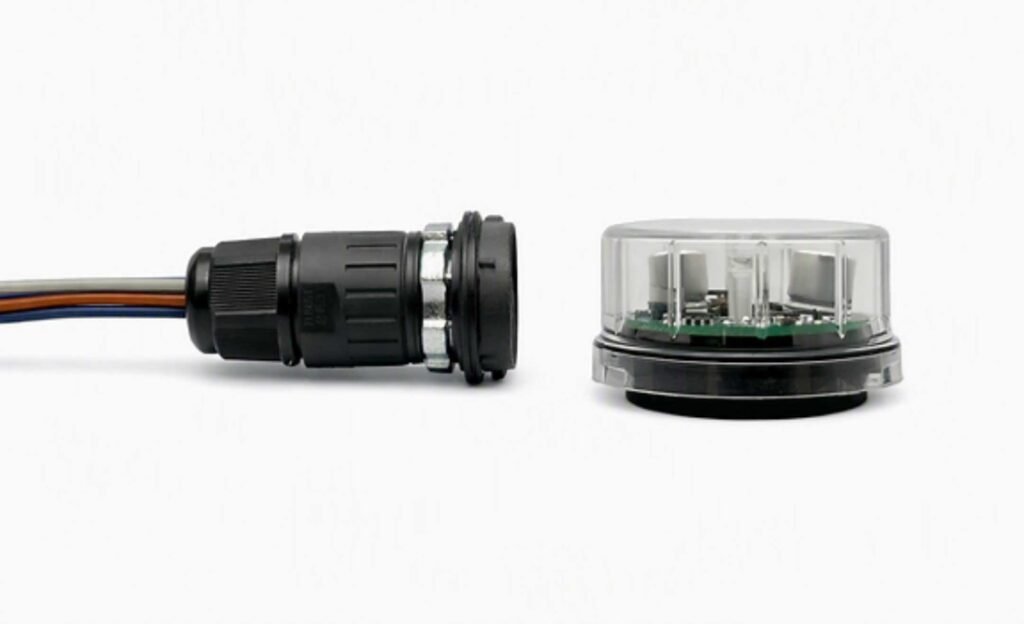
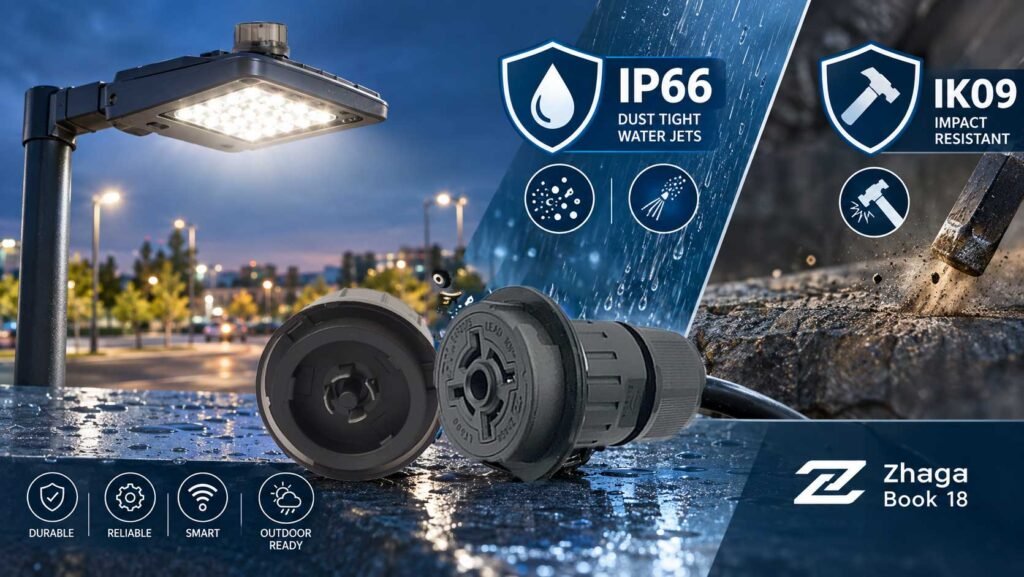
- Conector LT600 Zhaga Book 18
- Controlador DALI LT6002
Este agrupamento oferece suporte à integração de sensores modernos, ao mesmo tempo que prepara a infraestrutura para a expansão das aplicações da IoT.
Benefícios importantes
- Compatibilidade com iluminação inteligente Zhaga
- Comunicação DALI
- Instalação plug-and-play
- Integração futura da IoT
- Expansão modular
Aplicações típicas
- projetos europeus de iluminação inteligente
- Iluminação municipal conectada
- Infraestrutura metropolitana inteligente
- Iluminação inteligente de vias
Tabela 2. Soluções de Iluminação Inteligente Recomendadas
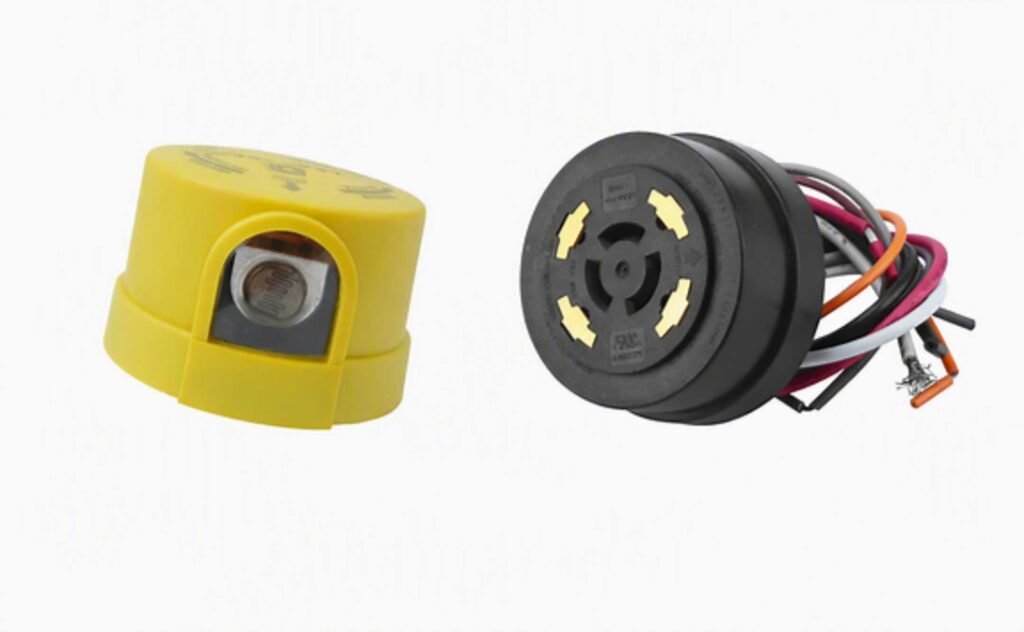
| Combinação de produtos | Características principais | Aplicações adequadas |
| Fotocontrolador eletrônico de dimerização LT154E + Tomada de dimerização de 7 pinos LT635 | Escurecimento de 0 a 10 V, compatibilidade com DALI, infraestrutura preparada para dispositivos inteligentes. | Cidades inteligentes, iluminação adaptativa, programas municipais de energia |
| Conector LT600 Zhaga Book 18 + Controlador DALI LT6002 | Conformidade com Zhaga, integração de sensores modulares, prontidão para IoT | Sistemas de iluminação conectados, infraestrutura municipal inteligente, projetos europeus |
Perguntas frequentes (FAQ)
Por que os municípios deveriam investir em infraestrutura de iluminação inteligente?
Como os avanços futuros podem exigir sensores, redes de comunicação, iluminação adaptativa e monitoramento remoto, instalar infraestrutura compatível hoje reduz os custos de atualização futuros e protege o investimento público.
Quais normas são importantes para a iluminação inteligente?
Os padrões mais amplamente reconhecidos incluem ANSI C136.41, Zhaga smart lighting (Zhaga Book 18), DALI e D4i. Esses padrões melhoram a interoperabilidade e simplificam o crescimento futuro.
É possível atualizar os sistemas de iluminação LED existentes?
Sim. Vários sistemas de LED podem ser atualizados se utilizarem interfaces modulares, receptáculos compatíveis e componentes de comunicação padronizados.
Por que os sistemas de iluminação conectados estão se tornando mais populares?
Os sistemas de iluminação conectados permitem que as cidades monitorem a iluminação remotamente, otimizem o uso de energia, detectem falhas automaticamente, integrem sensores e ofereçam suporte a aplicações abrangentes de cidades inteligentes.
Qual o papel dos componentes de iluminação inteligente?
Componentes de iluminação inteligentes e confiáveis oferecem a base física necessária para comunicação, dimerização, gerenciamento remoto e futura integração com a IoT (Internet das Coisas).
Conclusão: Por que as cidades devem se preparar hoje para a iluminação inteligente do futuro?
O mercado de iluminação pública da América Latina está entrando em uma nova fase de desenvolvimento. Embora a transformação para LED continue sendo uma prioridade importante, as cidades reconhecem cada vez mais que o sucesso a longo prazo depende da construção de uma infraestrutura de iluminação inteligente, capaz de se adaptar às tecnologias futuras.
Em vez de tratar a iluminação como um equipamento elétrico isolado, as prefeituras estão renovando-a, transformando-a em infraestrutura urbana inteligente que suporta conectividade, sustentabilidade e serviços digitais. Componentes de iluminação inteligentes e confiáveis, padrões abertos como ANSI C136.41, DALI e Zhaga, juntamente com arquiteturas modulares de sistemas de controle de iluminação, permitem que as cidades introduzam novas funcionalidades progressivamente, sem a necessidade de substituir as luminárias existentes.
Crie sistemas de iluminação inteligentes com Lead-Top.
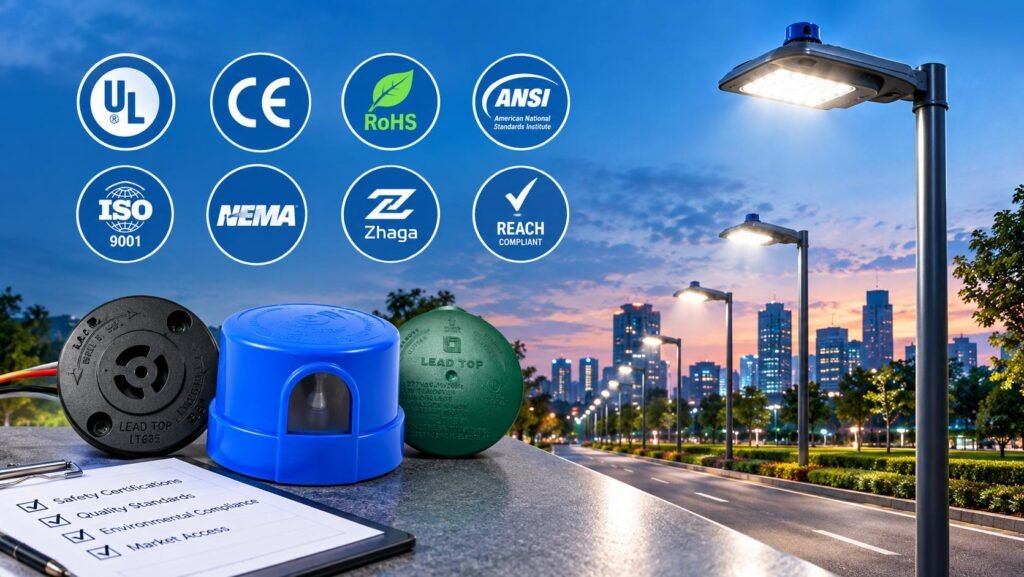
Para dar suporte aos projetos de LED de hoje e à infraestrutura urbana inteligente de amanhã, a Lead-Top oferece um portfólio completo de soluções de iluminação inteligente, incluindo fotocélulas NEMA, tomadas ANSI C136.41, conectores Zhaga Book 18, controladores compatíveis com DALI e interfaces de iluminação modulares.
Para discutir sua aplicação, solicitar especificações técnicas ou receber uma solução de iluminação inteligente personalizada que ajude a construir sistemas de iluminação externa confiáveis, escaláveis e preparados para o futuro, entre em contato com a Lead-Top hoje mesmo.
Referências:
- https://en.wikipedia.org/wiki/Digital_Addressable_Lighting_Interface
- https://en.wikipedia.org/wiki/American_National_Standards_Institute
- https://leaditop.com/product/twist-lock-photoelectric-switch-lt154e-photocell-sensor/
- https://leaditop.com/product/360-degree-rotatable-photocontrol-dimming-receptacle-for-led-streetlight-socket-7pin-nema-socket-ansi-c136-40-photocell-base/
- https://leaditop.com/product/customizable-upgraded-models-highly-waterproof-zhaga-socket-lt600/
- https://leaditop.com/product/zhaga-socket-connected-dali-2-0-protocol-and-0-10v-dimming-control-luminaire-lighting-2/



 Portuguese (Brazil)
  English
  Spanish
  Russian
  Dutch
Dutch  Japanese
  Portuguese (Portugal)