Introduction: Why Is 2025 a New Era for Lighting Distribution?
The global lighting industry is entering one of its most transformative periods in history. What was once a market driven largely by aesthetics and lighting levels has now changed into a multifaceted environment formed by energy proficiency directives, metropolitan digitization, sustainability goals, and intelligent control systems. As 2025 approaches, the role of illumination suppliers is also altering — from simple product resellers into solution providers who enable smarter, more proficient infrastructure globally.
Administrations, metropolises, and private developers are spending deeply in technologies that lessen energy usage while improving operative control. From Europe’s ecological directives to the fast metropolitan development in the Middle East and Africa, illumination is now watched as both an ecological responsibility and a strategic infrastructure investment.
In contradiction to this background, two product groups have appeared as dual growth engines for distributors:
- LED drivers, the core power and control unit behind every single contemporary luminaire
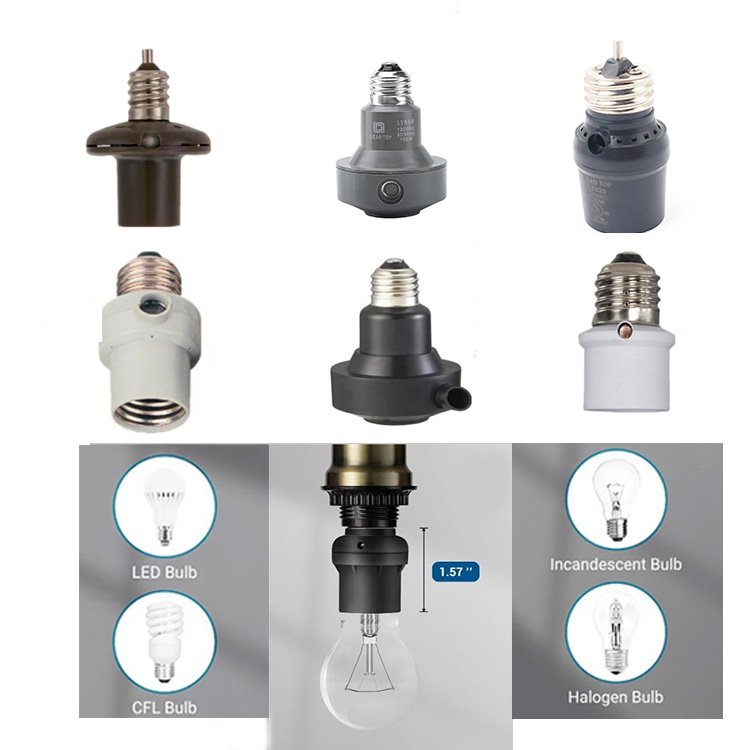
- Photocells (light controllers), which automate outdoor illumination and outspread proficiency through intelligent control
Together, these components offer suppliers the prospect to grow not just sales volume, but long-lasted relationships with EPC contractors, metropolises, and system integrators. Distributors that comprehend this change early will place themselves as trustworthy technology partners instead of commodity sellers.
For lighting distributors, 2025 is not only another growth year — it represents a strategic turning point.

Why Are LED Drivers the Backbone of Energy-Efficient Lighting?
While LED chips repeatedly receive the attention, the LED driver silently determines whether a illumination system performs proficiently, dependably, and intelligently. Devoid of a high-quality driver, even best LED modules cannot reach their full potential.
Regulatory Push for Energy Efficiency
Energy usage has become a policy issue globally. Lighting accounts for a substantial percentage of worldwide electricity consumption, especially in commercial buildings and public infrastructure. Governments now view LED acceptance not as a choice, but as a compulsion.
Across numerous regions:
- The European Union imposes firm carbon reduction goals through its Green Deal.
- U.S. Department of Energy standards constantly raise performance standards.
- Middle Eastern governments indorse smart infrastructure to improve national energy use.
- Evolving economies in Africa and Latin America incentivize LED acceptance for grid proficiency.
These policies have one instant effect for distribution businesses: every new luminaire needs a driver, and every replacement project generates driver demand.
For suppliers, LED drivers are no more unimportant accessories — they are vital revenue producers that move in tandem with luminaire sales.
Smart Dimming & Connectivity
The days of fixed-output drivers are behind us. Today’s customers demand:
- Dimming
- Automation
- Remote monitoring
- Integration into smart building systems
This has pushed fast progress in:
- 0–10V dimming drivers
- DALI-compatible drivers
- Wireless and IoT-enabled drivers
Smart illumination systems now regulate output based on daytime, occupancy, or scheduling. These competences lower energy usage and lengthen luminaire lifecycle — a main selling point in commercial and civic projects.
Suppliers who offer multi-standard, licensed drivers are placed to support:
- Domestic projects demanding simple dimming
- Commercial enlargements demanding building management incorporation
- Infrastructure projects demanding intelligent networks
In brief, LED drivers are becoming digital control hubs, not just power supplies.
Market Outlook
The LED driver sector is estimated to progress increasingly through 2030, driven by:
- Obligatory LED retrofitting
- Smart city projects
- Commercial building mechanization
- Warehouse and industrial renovations
- Electrification initiatives in emerging markets
New buildings are designed around LED systems from the outset, and older structures are racing to upgrading. Each project carries repeat demand for drivers crosswise numerous phases.
👉 for distributors, the takeaway is simple: stocking certified, flexible LED drivers guarantees repeated demand over the next decade.
Why Distributors Should Bet on the Dual Growth Engines?

Complementary Sales Strategy
Each LED fixture needs a driver. Every open-air fixture benefits from a photocell.
Bundling both:
- Upsurges regular order value
- Decreases quoting complexity
- Increases customer retention
- Improves technical status
This methodology permits suppliers to become solution providers instead of product vendors.
High Certification Value
Certifications such as:
- UL
- CE
- CB
- DLC compatibility
- Zhaga acquiescence
…help distributors win government contracts and large EPC projects.
Certified products lessen:
- Approval postponements
- Scrutiny failures
- Liability exposure
- Return rates
This makes certification a selling feature — not just a legal requirement.
Resilience in Emerging Markets
In markets enduring infrastructure development, buyers want:
- Trustworthiness
- Warranty provision
- Acquiescence
- Long-lasted supply constancy
Suppliers who offer complete LED driver + photocell solutions gain an advantage over opponents focused purely on pricing.
Case Example: How Does Dual Growth Strategy Work in Real Life?
In one example from the Middle East, a distributor combined:
- Intelligent LED drivers
- Zhaga-D4i photocells
…to offer a comprehensive upgrading resolution for a public project.
The outcome:
- Amplified margins
- Exclusive supply agreement
- Long-lasted service contract
- Acknowledgement as a technical partner instead of a vendor
👉 Bundling components built partnership — not just sales.
Conclusion: Why Are the Next Ten Years a Golden Decade for Lighting Distributors?
Lighting distribution in 2025 is no more about stocking cartons. It is about empowering proficiency, astuteness, and trustworthiness.
LED drivers and photocells collected form the basis of:
- Smart metropolises
- Energy restructuring
- Urban growth
- Digital infrastructure
For distributors prepared to spend in skill — not just inventory — these two technologies offer extraordinary opportunity.
LED drivers and photocells are not just components. They are the engines driving distributor growth for the next decade.


 English
  Portuguese (Brazil)
  Spanish
  Russian
  Dutch
Dutch  Japanese
  Portuguese (Portugal)