How to Select the Right Photo Control Structure for Your Project?

Selecting the right photo control for an outdoor illumination project is often approached as a checklist-driven task. Engineers review voltage ratings, load capacities, enclosure ratings, and wiring methods, then move rapidly to procurement. While these specifications are unquestionably significant, numerous real-life performance problems do not initiate from electrical incongruity—they instigate from structural mismatch. This is […]
Commissioning, Adjustment, and Long-Term Performance of Outdoor Photocell
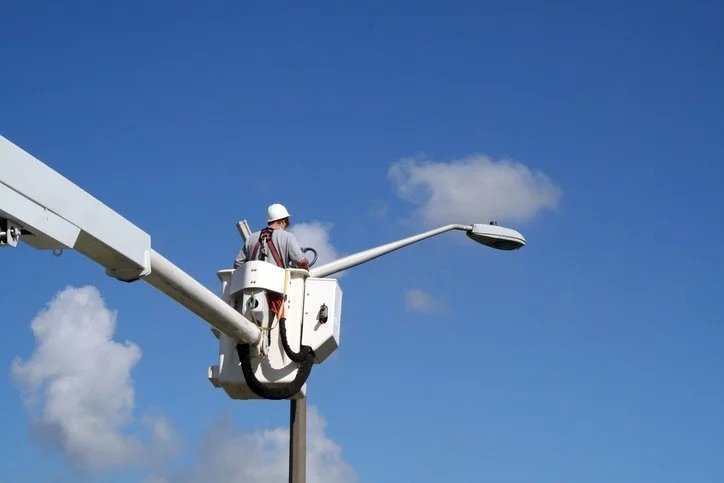
How Installation is always just the beginning? In outdoor illumination systems, installation is every so often treated as the concluding step. In actuality, installation is only the starting point. The true working behavior of a lighting control device becomes perceptible during outdoor photo control commissioning, when the system is energized and wide-open to real ecological […]
Fixed vs Adjustable Sensor Structures: A Practical Engineering Comparison

Why Sensor Structure Often Overlooked in Outdoor Lighting Engineering? When choosing a photo control device for outdoor illumination systems, engineers customarily prioritize electrical parameters such as voltage ratings, load capacity, switching thresholds, and ingress defense levels. Although these factors are irrefutably crucial, structural design is often taken as a secondary or even insignificant concern. In […]
2026 Tariff Reductions and the Lighting Industry: What It Means for Outdoor Lighting Control Products
2026 Tariff Adjustments: What about Policy Background and Industry Context? The announcement of 2026 tariff reductions marks a noteworthy policy swing with direct effects for the international illumination market. Effective January 1, 2026, China’s Customs Tariff Commission will implement special tariff rates on a extensive range of imported goods, containing lighting related products, sourced from […]
Does Adjustability Affect Stability or Lifetime in Outdoor Photo Controls?
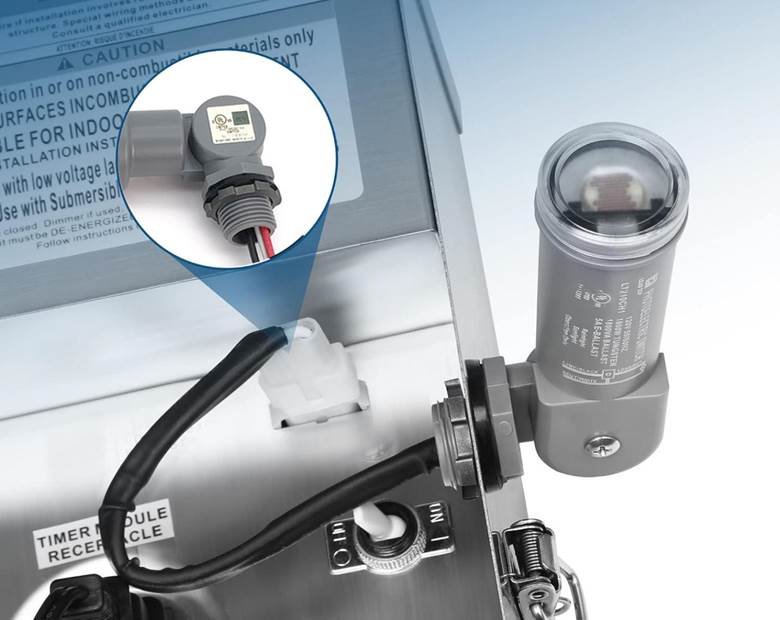
Why Do Engineers Worry About Adjustability in Outdoor Photo Controls? When engineers listen to the term “adjustable structure,” an understandable apprehension instantly follows: does additional movement decrease constancy or curtail product lifespan? In mechanical engineering, this apprehension is well founded. Additional degrees of autonomy often introduce wear points, tolerance stack-ups, or long-lasted looseness if not […]
Installation & Orientation Essentials for Adjustable Outdoor Photo Controls

Outdoor photo controls are every so often seen as minor accessories within illumination systems. Though, practical field experience shows that adjustable photo control installation plays a pivotal part in how dependably an outdoor illumination system performs with the time. Numerous commonly reported problems—premature switching, late shutoff, or erratic on/off behavior—are not caused by faulty sensors. […]
Why Does Post-Installation Adjustability Matter in Engineering Projects?
In numerous engineering projects, installation is treated as the final milestone. Once devices are fixed, wired, and powered, crews often move on to the next stage. Though, in real-life applications, installation is not the finish line—it is the starting point. True system authentication only initiates after installation, when equipment functions under actual ecological settings. This […]
How Swivel Stem Control Improves On-Site Adaptability

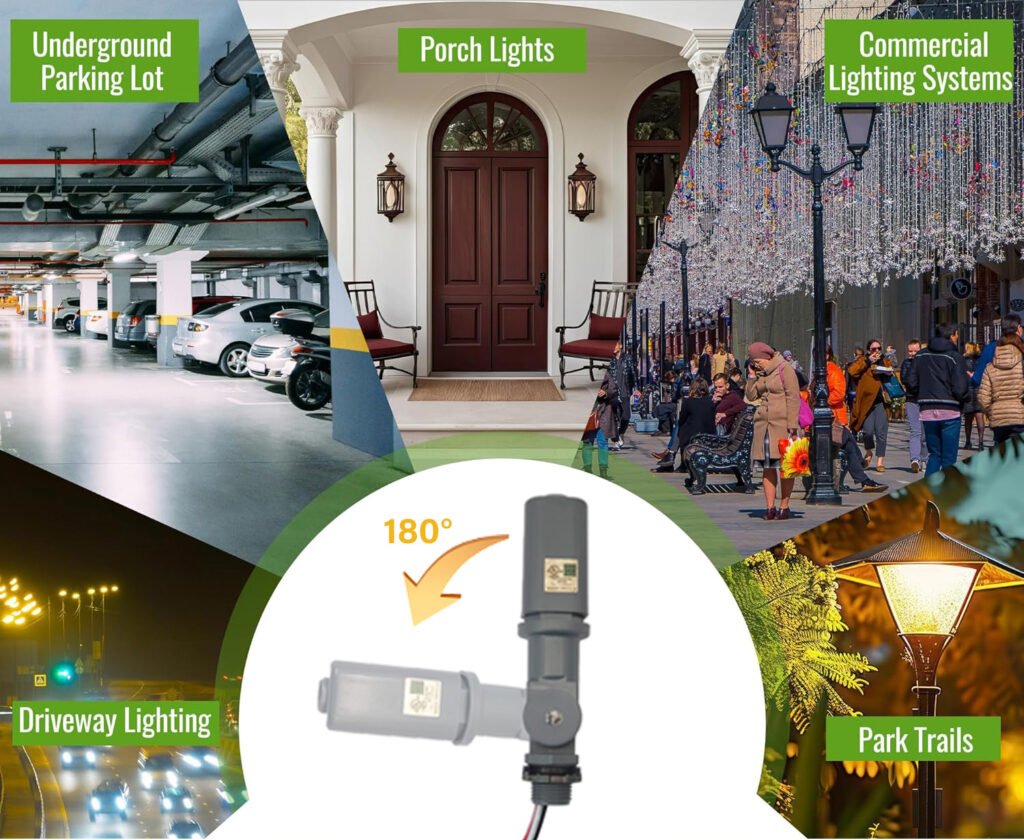
No two installation sites are ever truly same. Even within a single outdoor illumination project, surroundings can differ significantly from pole to pole or fixture to fixture. Differences in mounting height, pole geometry, surface angles, neighboring structures, and reflected light sources all effect how an illumination control device behaves once installed. These differences generate ongoing […]
From the User’s Perspective: Why Adjustable Designs Are Easier to Live With
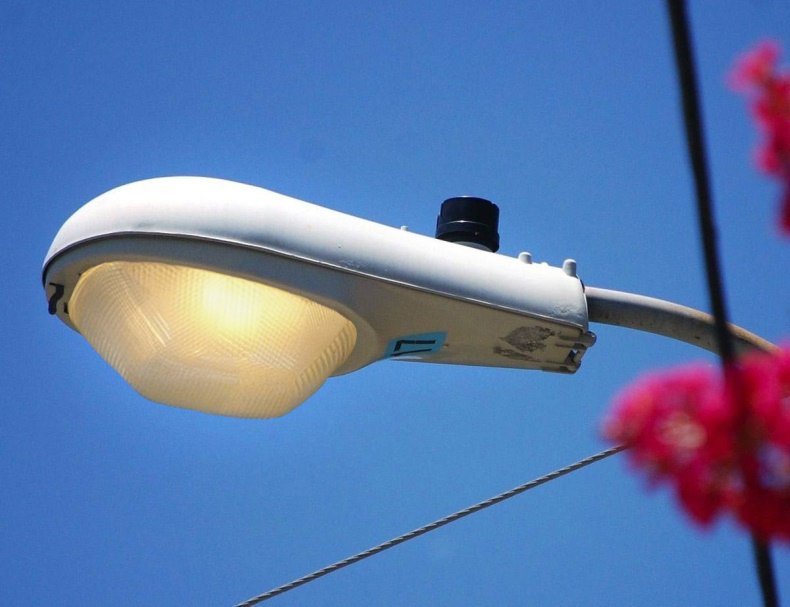
From a user’s viewpoint, the most valued products are hardly the ones with the longest or most multifaceted specification lists. In its place, consumers tend to favor products that are intuitive, forgiving, and dependable in practical situations. In illumination applications, particularly outdoor environs, ease of use often becomes apparent not at the moment of buying […]
How a Rotatable Sensor Head Significantly Improves Installation Flexibility
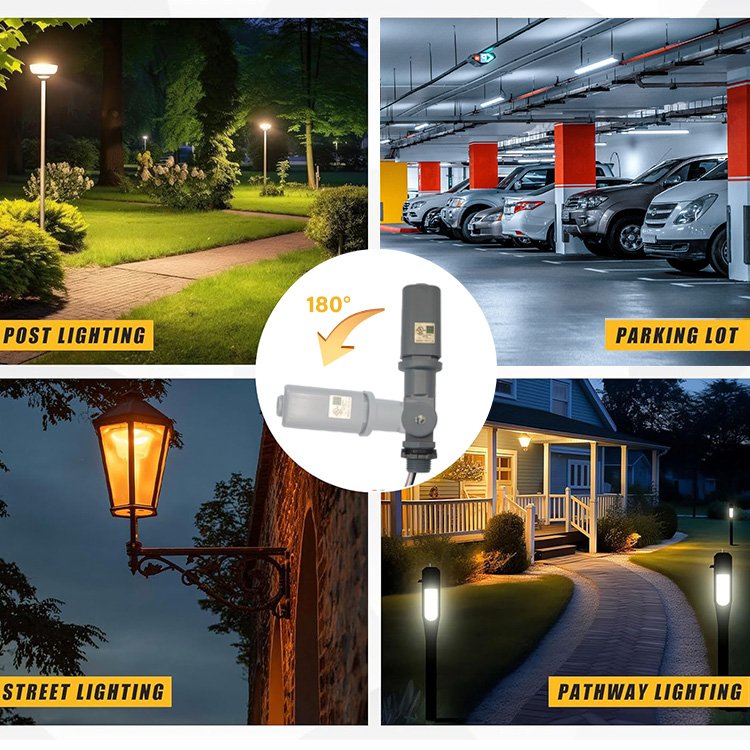
In illumination control and sensing applications, the phrase installation flexibility is used recurrently—but hardly explored in detail. Numerous products are endorsed as easy to install, yet once they reach the job site, installers every so often realize that actual surroundings do not follow design assumptions. This gap between anticipation and actuality is where a rotatable sensor […]
What is Swivel Stem Control? A simple explanation of its structure and function.
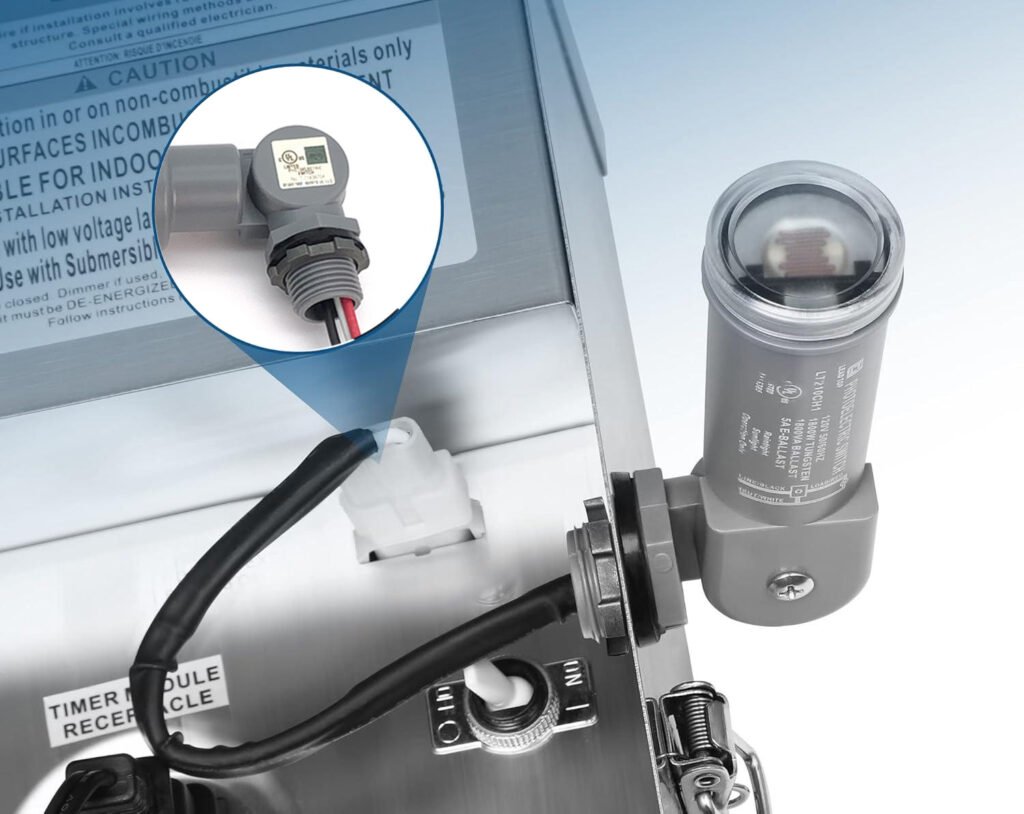
In outdoor and commercial lighting projects, success is hardly determined merely by whether a control device technically works. More frequently, performance depends on how easily the device can be fixed, associated, attuned, and upheld under practical circumstances. Swivel Stem Control was developed as a direct retort to these practical contests encountered on-site. Dissimilar to laboratory settings, […]
Does Your Choice Lead to “Compliant Disposables” or “Durable Assets”?
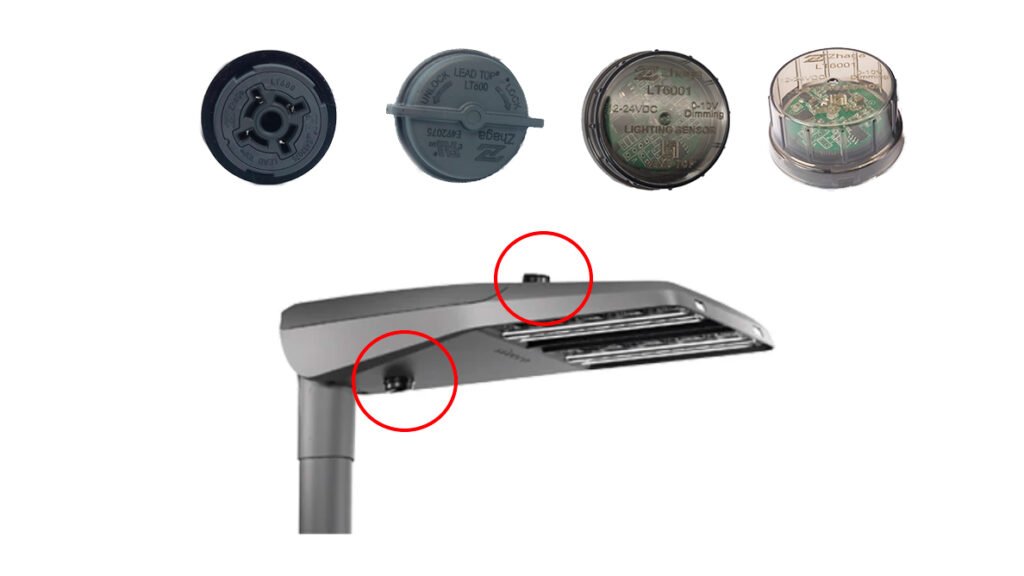
When debating sustainability in electronic products, various discussions stop at regulatory acquiescence. Accreditations such as RoHS Compliance are often treated as the crucial benchmark for being “eco-friendly.” While such principles are irrefutably significant, they represent only the least legal requirement—not the full meaning of environmental responsibility. A product that merely evades restricted substances may still fail […]
Factory-Set Lux Thresholds: Reliability, Cost, and Engineering Value
In specialized OEM outdoor lighting systems, photocell design is not judged only by whether a light turns ON or OFF. In its place, success is measured by expectedness, constancy, and long-lasted performance under actual ecological settings. This is particularly correct in infrastructure-scale illumination projects where hundreds or thousands of alike control devices are positioned. In the previous article, […]
Is Lux Adjustment in Photocells Really Necessary?

In contemporary outdoor lighting control systems, photocells appear deceivingly simple. They sense surrounding light and switch lighting circuits ON or OFF consequently. Yet one design feature continues to cause debate amongst producers, engineers, and purchasers alike: lux adjustment. Numerous product datasheets promote lux adjustment photocell designs as more supple, specialized, or customizable. Modifiable settings are often outlined as […]
When Simple Wiring Wins: Why Bulb-holder Photocells Still Dominate the Residential Market
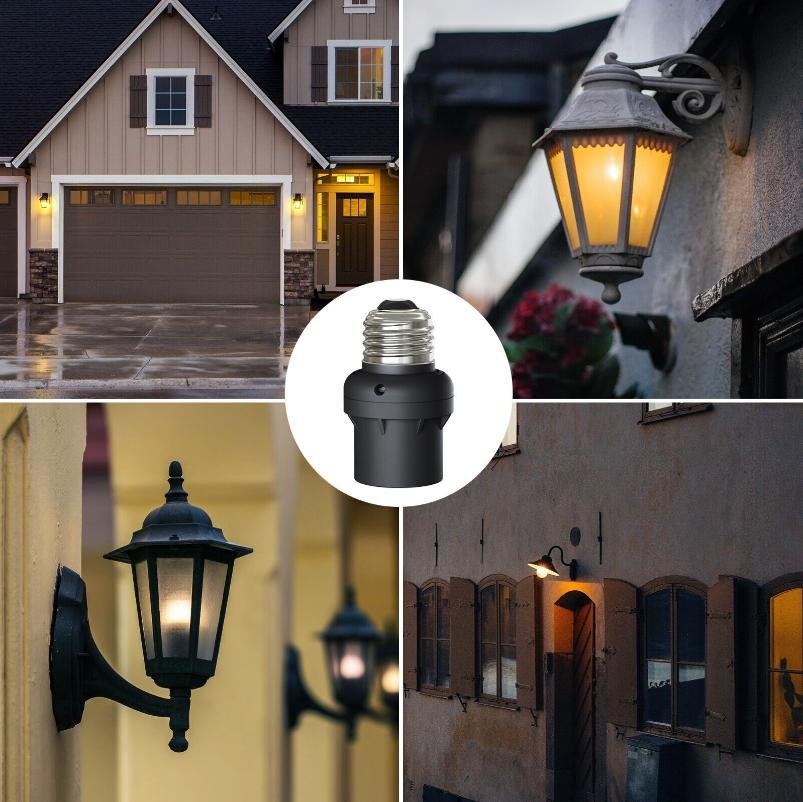
Regardless of speedy revolution in smart illumination, wireless controls, and app-based systems, bulb-holder photocell resolutions continue to be the most extensively used illumination control method in the inhabited sector globally. This domination may seem amazing at first, specially when related to the technological sophistication available currently. Though, residential lighting works under very dissimilar significances than commercial, […]
One Wiring Standard, Many Markets: Why the Same Photocell Can’t Fit Every Country?
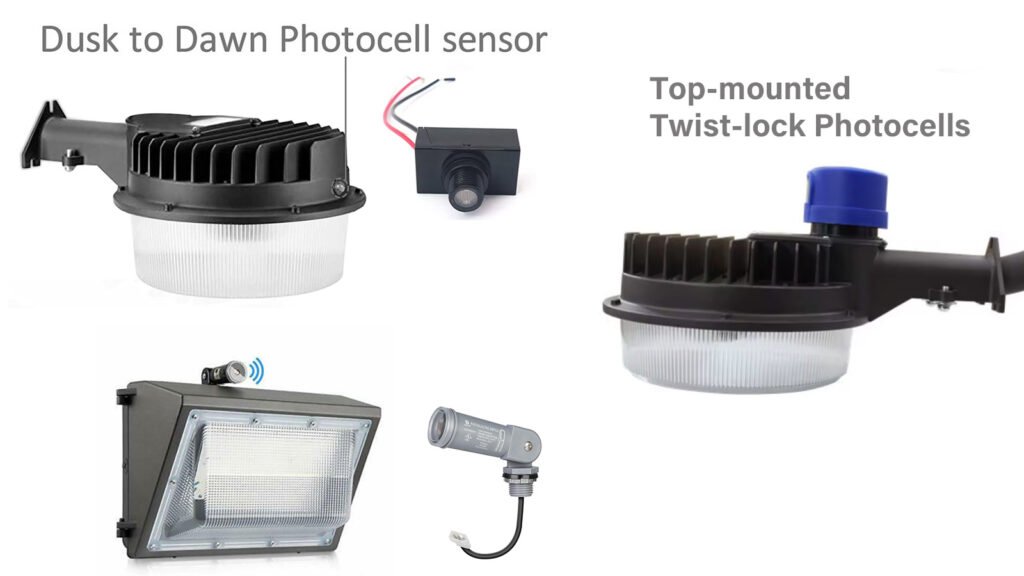
A photocell is not an isolated device. It is part of a local electrical environment designed by standards, behaviors, and ecological settings. Considering it as a simple substitutable part ignores the complication of international photocell markets. Numerous global purchasers assume that if a photocell complies with one recognized standard, it should automatically work in every republic. […]
 English
 Portuguese (Brazil)
 Spanish
 Russian
 Dutch
Dutch Japanese
 Portuguese (Portugal)