Does Your Choice Lead to “Compliant Disposables” or “Durable Assets”?
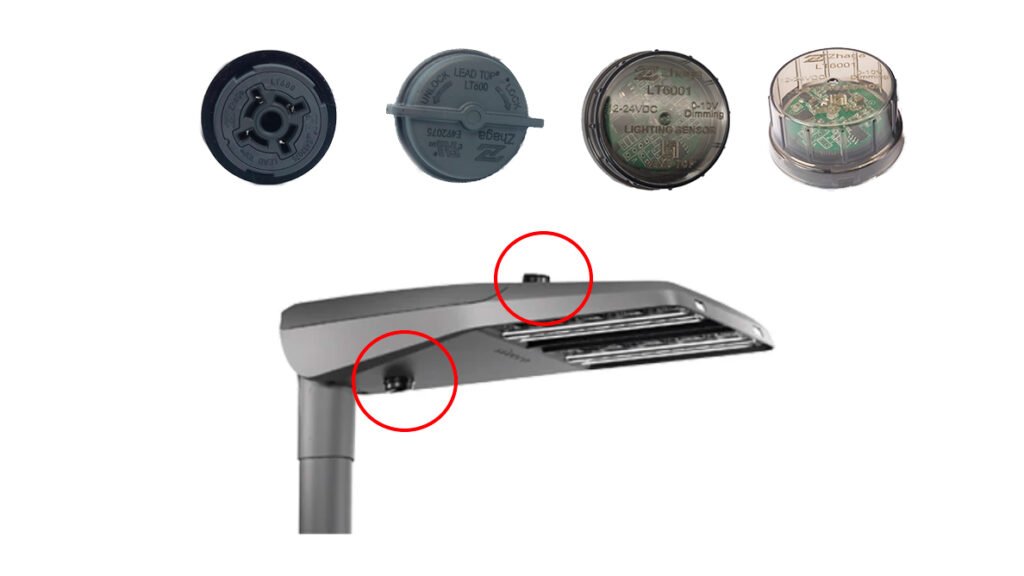
When debating sustainability in electronic products, various discussions stop at regulatory acquiescence. Accreditations such as RoHS Compliance are often treated as the crucial benchmark for being “eco-friendly.” While such principles are irrefutably significant, they represent only the least legal requirement—not the full meaning of environmental responsibility. A product that merely evades restricted substances may still fail […]
Factory-Set Lux Thresholds: Reliability, Cost, and Engineering Value
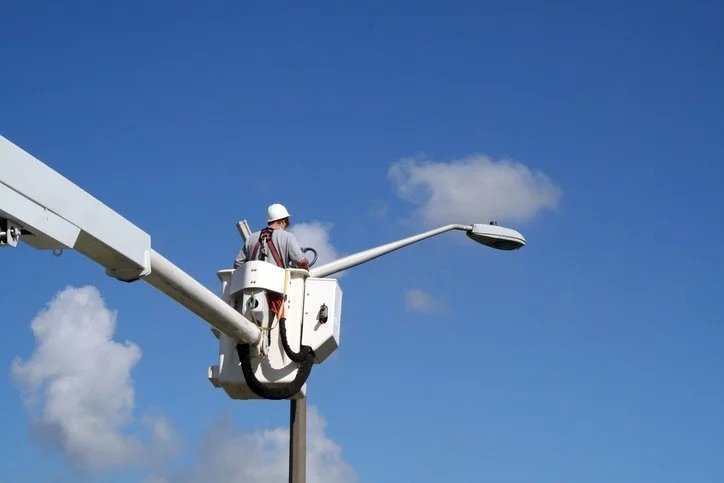
In specialized OEM outdoor lighting systems, photocell design is not judged only by whether a light turns ON or OFF. In its place, success is measured by expectedness, constancy, and long-lasted performance under actual ecological settings. This is particularly correct in infrastructure-scale illumination projects where hundreds or thousands of alike control devices are positioned. In the previous article, […]
Is Lux Adjustment in Photocells Really Necessary?
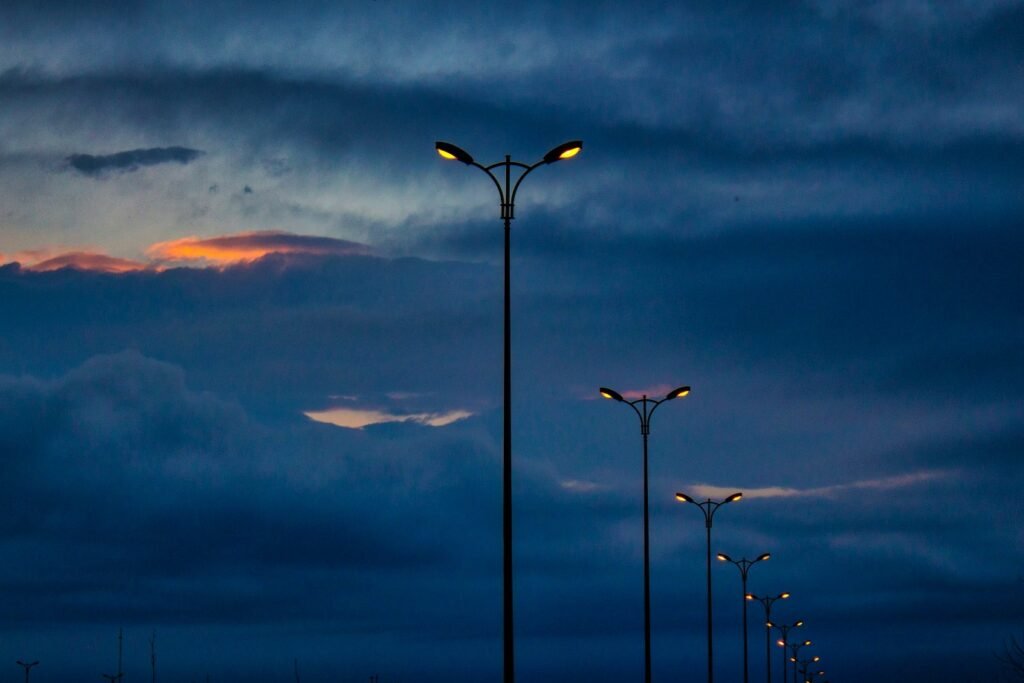
In contemporary outdoor lighting control systems, photocells appear deceivingly simple. They sense surrounding light and switch lighting circuits ON or OFF consequently. Yet one design feature continues to cause debate amongst producers, engineers, and purchasers alike: lux adjustment. Numerous product datasheets promote lux adjustment photocell designs as more supple, specialized, or customizable. Modifiable settings are often outlined as […]
When Simple Wiring Wins: Why Bulb-holder Photocells Still Dominate the Residential Market
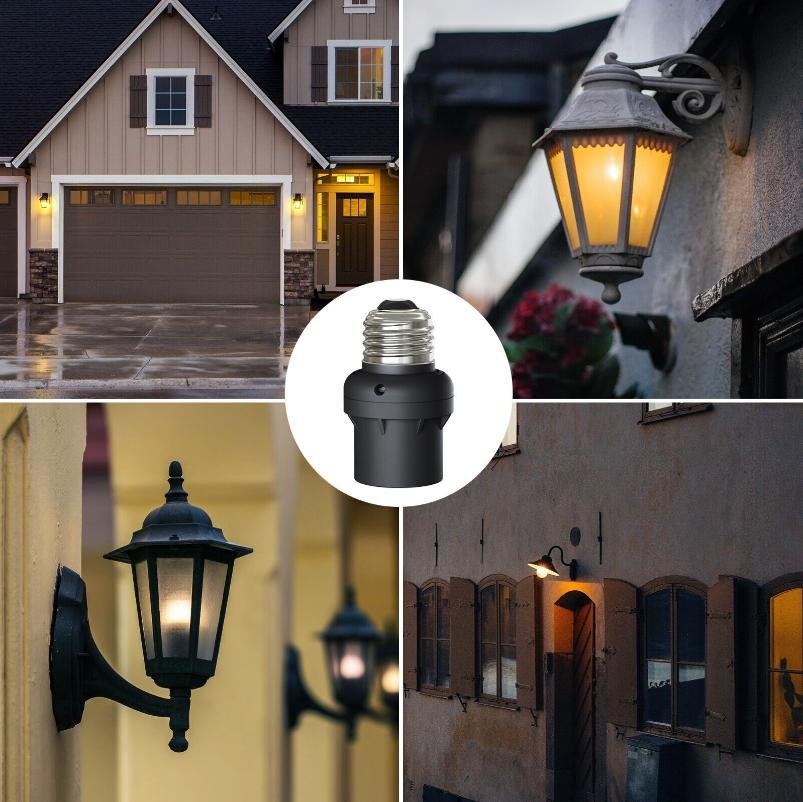
Regardless of speedy revolution in smart illumination, wireless controls, and app-based systems, bulb-holder photocell resolutions continue to be the most extensively used illumination control method in the inhabited sector globally. This domination may seem amazing at first, specially when related to the technological sophistication available currently. Though, residential lighting works under very dissimilar significances than commercial, […]
One Wiring Standard, Many Markets: Why the Same Photocell Can’t Fit Every Country?
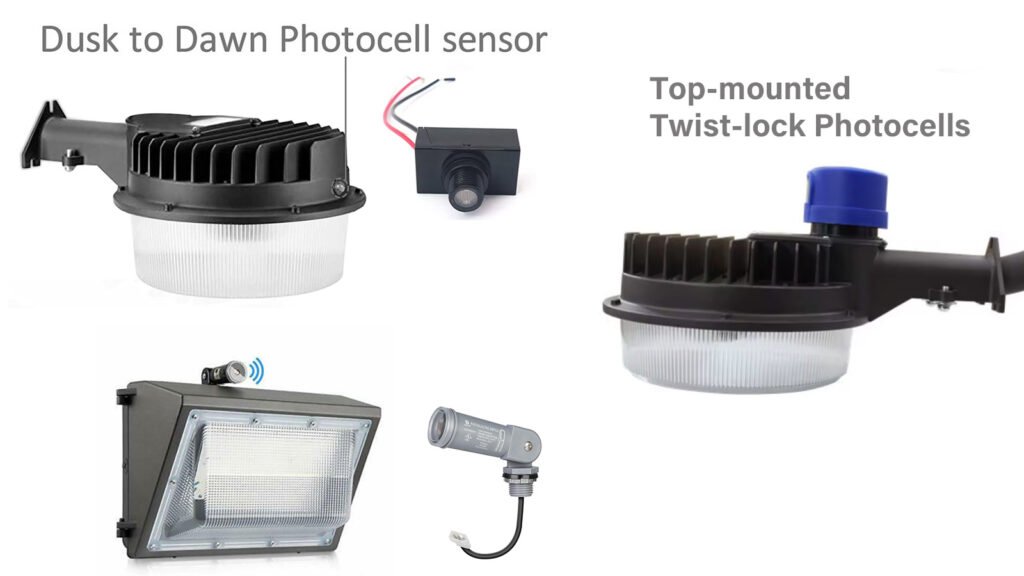
A photocell is not an isolated device. It is part of a local electrical environment designed by standards, behaviors, and ecological settings. Considering it as a simple substitutable part ignores the complication of international photocell markets. Numerous global purchasers assume that if a photocell complies with one recognized standard, it should automatically work in every republic. […]
Why Do Low-Cost Lamps Fail Projects — And How Can Good Photocells Protect Them?
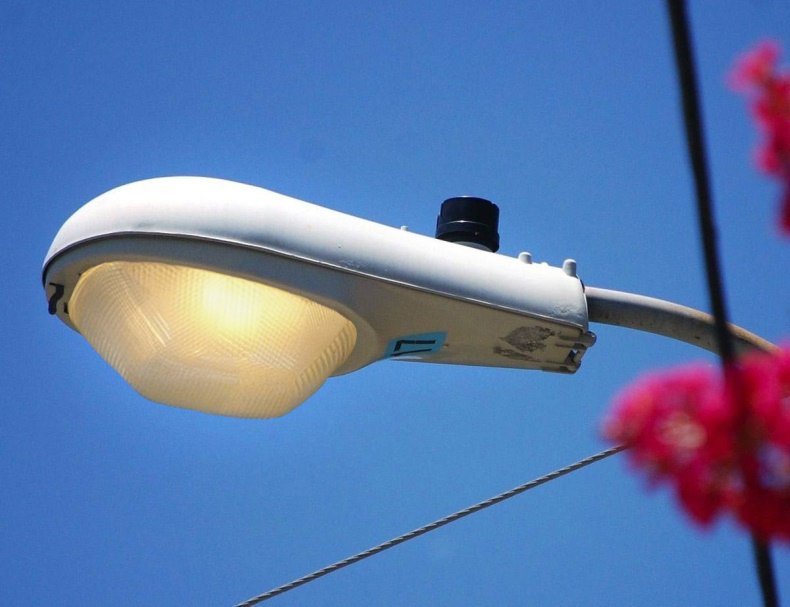
Outdoor illumination projects, mainly large-scale street and highway installations, are under continuous pressure to decrease costs while upholding performance. When letdowns arise, the instant assumption is every so often simple: the lamp was low-priced, so it failed. Drivers, LED chips, and housings usually take the blame. But what if that assumption is incorrect? Crosswise thousands […]
When Should You Choose a Split-Type Photocell?
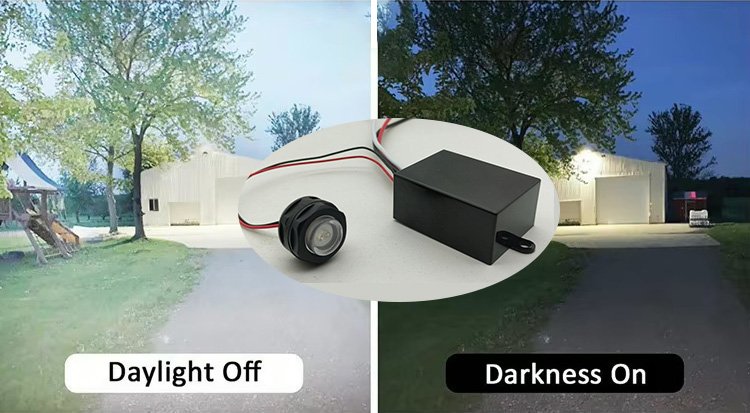
Split-type photocells are not made to swap standard illumination controls crosswise each project. As an alternative, they exist to resolve very particular glitches that customary photocells cannot dependably tackle. Understanding when and why to pick this design is important for engineers, illumination designers, and procurement squads who want long-lasted performance instead of short-term convenience. This article clarifies […]
How to Wire Button Photocells Correctly for Residential & Farm Lighting?
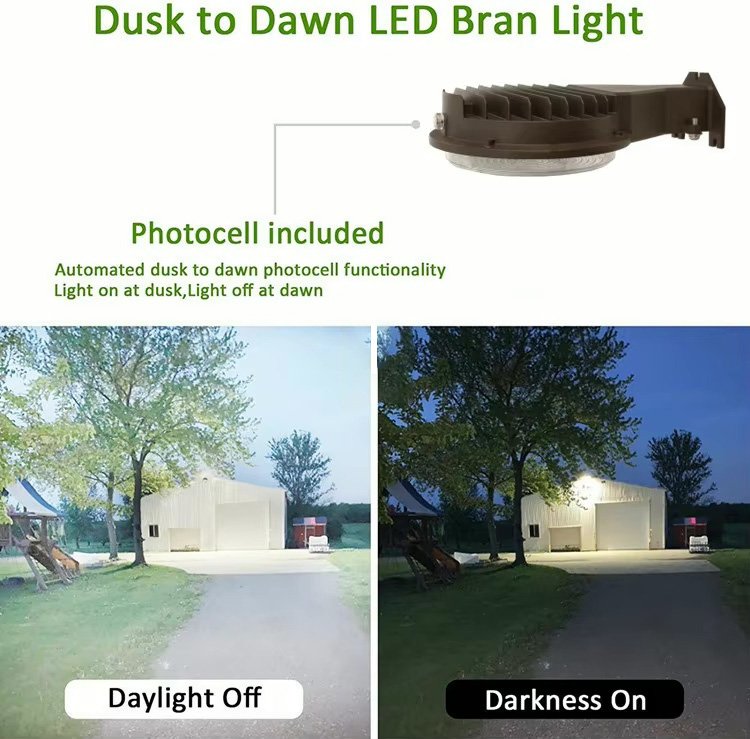
Button-type wire-in photocells are amongst the most regularly used illumination control devices in small-scale outside and semi-outdoor applications. From entrance lights and lawn fittings to storehouses, chicken cages, sheds, and farm passageways, these compact sensors offer automatic dusk-to-dawn control with nominal cost and complication. Though, in spite of their straightforwardness, numerous real-world failures are not produced […]
From Commodity Lighting to Control-Centric Procurement
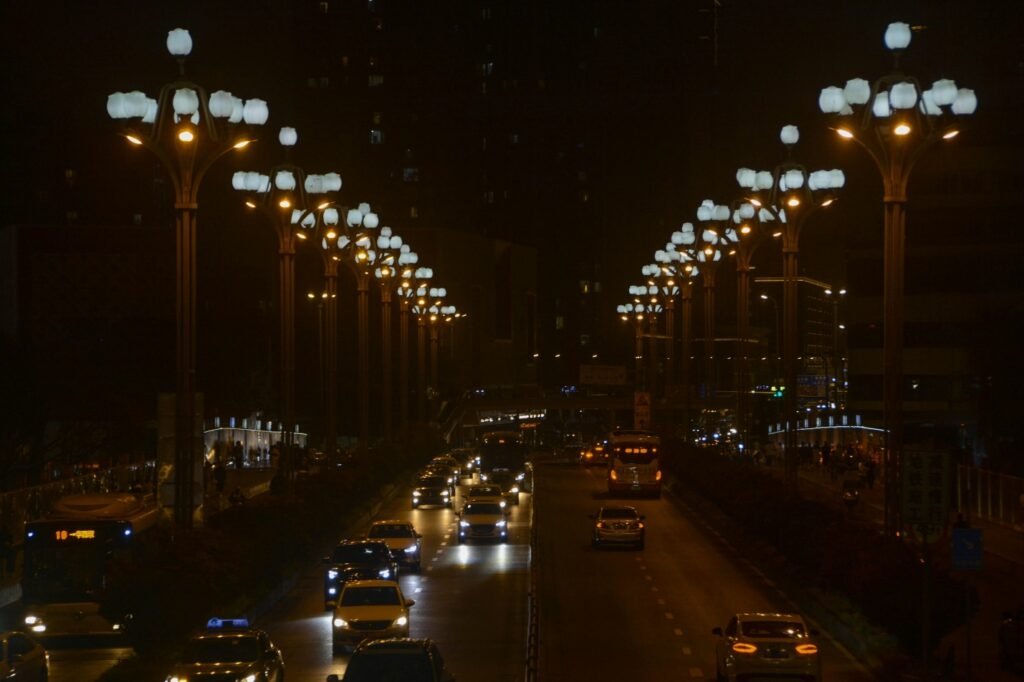
For years, outdoor illumination procurement followed a simple and acquainted logic. Whether the project involved freeways, metropolitan streets, industrial estates, or housing developments, procurement squads focused mainly on tangible, visible product traits. The typical checklist was straightforward: Illumination components were treated as substitutable products, and success was measured at the point of installation. This methodology […]
What Is a Split-Type Photocell — And Why Does It Exist?
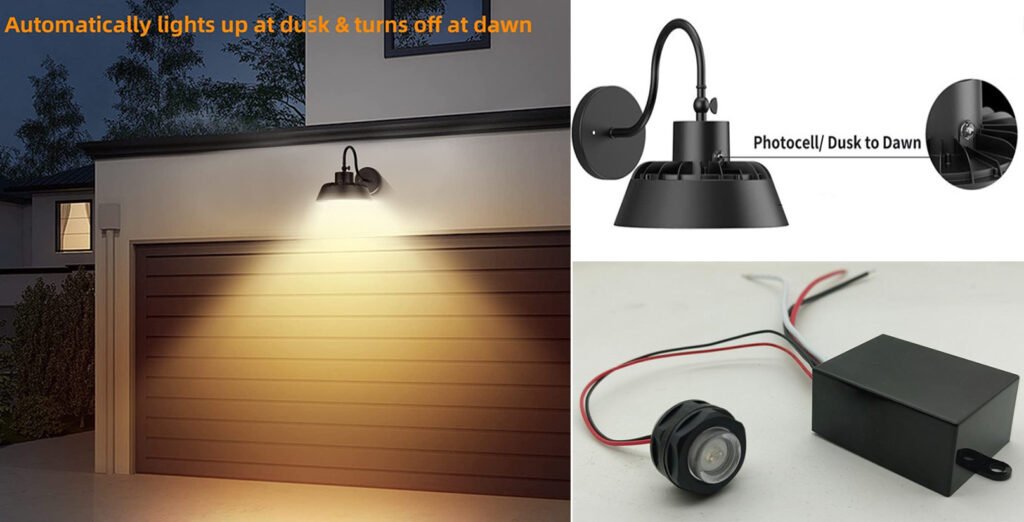
In most outdoor illumination projects, the photocell is a small, virtually imperceptible component. However it plays a crucial part in confirming lights function dependably from evening to dawning. Conventionally, this role has been fulfilled by incorporated photocells — compact devices that combine light detecting and switching control into a single housing. For the majority of applications, […]
Best-Selling Twist-Lock Photocell Models in North America, Europe, South America, and Southeast Asia

Introduction: Why Is There a Growing Global Demand for Twist-Lock Photocell Solutions? The speedy growth of LED streetlighting, smart metropolises, and energy proficient infrastructure has driven universal demand for dependable illumination control components. Amongst these components, the Twist-Lock Photocell has appeared as one of the most extensively accepted solutions for out-of-doors and public illumination control. Contrasting […]
Why Are Wire-In Photocells Still the Most Cost-Effective Lighting Control Solution?

Introduction: Why Do Many Buyers Think Traditional Lighting Controls Are Becoming Obsolete? With the speedy progression of smart illumination, IoT platforms, and wireless control technologies, numerous purchasers now assume that old-fashioned lighting control components are out-of-date. Cloud dashboards, wireless nodes, and intelligent sensors every so often control marketing narratives, making the impression that older technologies […]
Wire-In Photocells Explained: Internal vs External Installation — Pros & Cons

When postulating illumination control components for outdoor luminaires, many engineers and purchasers focus on electrical parameters like voltage range, load capacity, or waterproof rating. However one important decision time and again receives less attention than it deserves: Should the wire-in photocell be installed internally or externally? This selection unswervingly affects the actual performance of an […]
IP65 vs IP66 vs IP67: What Waterproof Rating Do You Really Need for Wire-In Photocells?

Why Waterproof Rating Matters More Than You Think? In outdoor lighting systems, the dependability of a illumination control component is every so often determined not by its electronics, but by how well it repels the environment. For street illuminations, patio fittings, passageway illumination, industrial luminaires, and communal infrastructure, the outdoor lighting control waterproof rating of a […]
Thermal vs Electronic Photocells: Which Is Better for Southeast Asia?

Southeast Asia is one of the harshest expanses in the world for outdoor illumination control components. Extraordinary heat, extreme moisture, heavy precipitation, lightning activity, and unsteady power grids place constant stress on street illumination systems. For purchasers and project engineers, this raises an important and frequent question: Thermal vs electronic photocells — which solution truly works better […]
Plastic vs Metal Lock Nuts in Photocells & Zhaga Sockets: Which Should You Choose?

When identifying outdoor illumination control systems, purchasers generally highlight electrical specifications such as voltage range, load ratings, surge defense, and global certifications. Although these aspects are undeniably significant, there is a small but important photocontrol accessory that is regularly ignored: the photocell mounting nut. Whether you are connecting a wiring-type photocell or a Zhaga Book 18 […]
 English
  Portuguese (Brazil)
  Spanish
  Russian
  Dutch
Dutch  Japanese
  Portuguese (Portugal)