¿Qué impulsa el debate sobre el futuro de los controles de iluminación exterior?
El futuro de los controles de iluminación exterior es uno de los temas más debatidos en la industria internacional de la iluminación. A medida que las metrópolis invierten en infraestructura para ciudades inteligentes, las conversaciones se centran constantemente en plataformas en la nube, análisis basados en IA, comunicación inalámbrica y paneles de control centralizados. Estas innovaciones garantizan una toma de decisiones inteligente, monitorización en tiempo real y un comportamiento de iluminación adaptativo.
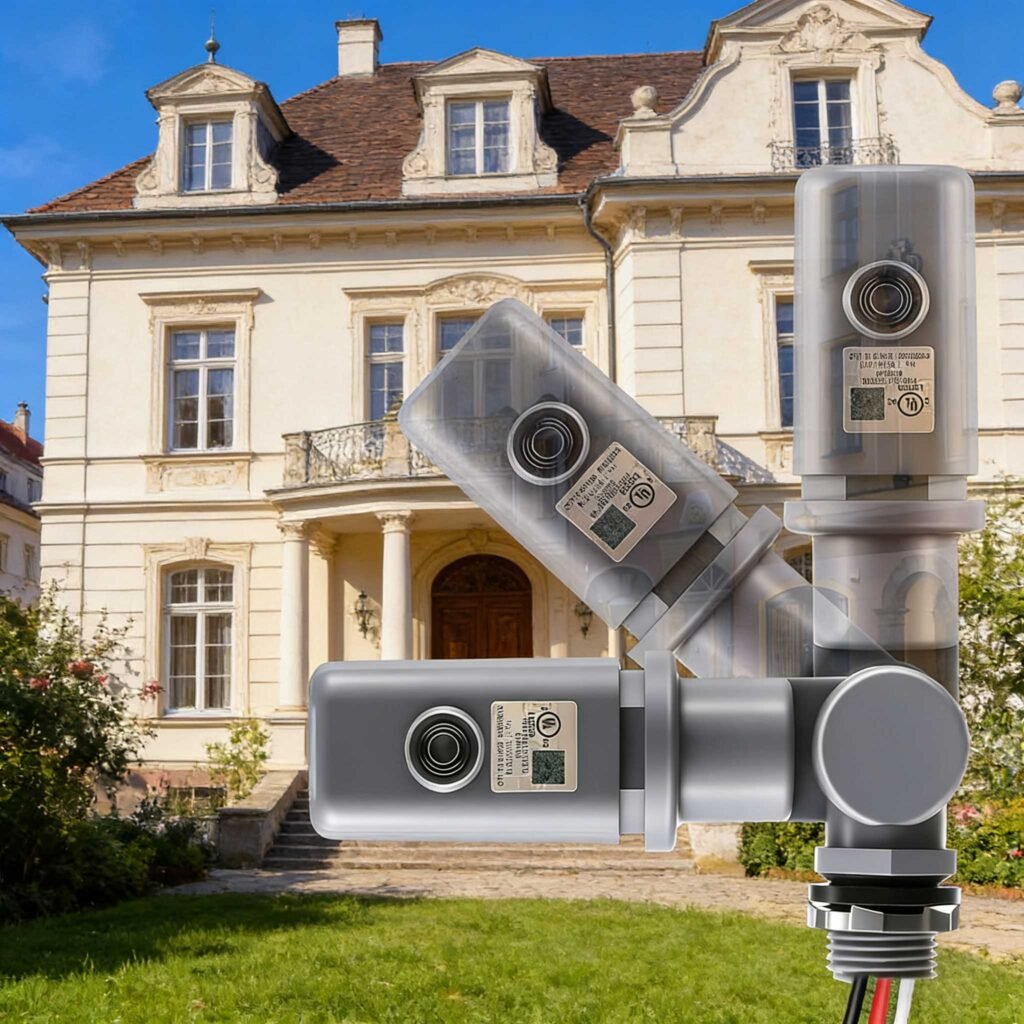
Sin embargo, este impulso tecnológico también ha generado una pregunta crítica: ¿Se mantendrá el tradicional sistema de iluminación del anochecer al amanecer? fotocélulas ¿Persistir en un mundo gobernado por sistemas inteligentes?
A pesar de la rápida modernización en la tecnología de control de iluminación, los profesionales de la industria, los planificadores urbanos, los contratistas de EPC y los funcionarios de adquisiciones llegan progresivamente a una decisión sobre un punto: las fotocélulas no se están sustituyendo. — Están siendo reforzados.
La era venidera no erradicará las fotocélulas. En su lugar, redefinirá su función como capa fundamental de... Automatización del alumbrado público, especialmente en aplicaciones exteriores y de misión crítica.
He aquí por qué.
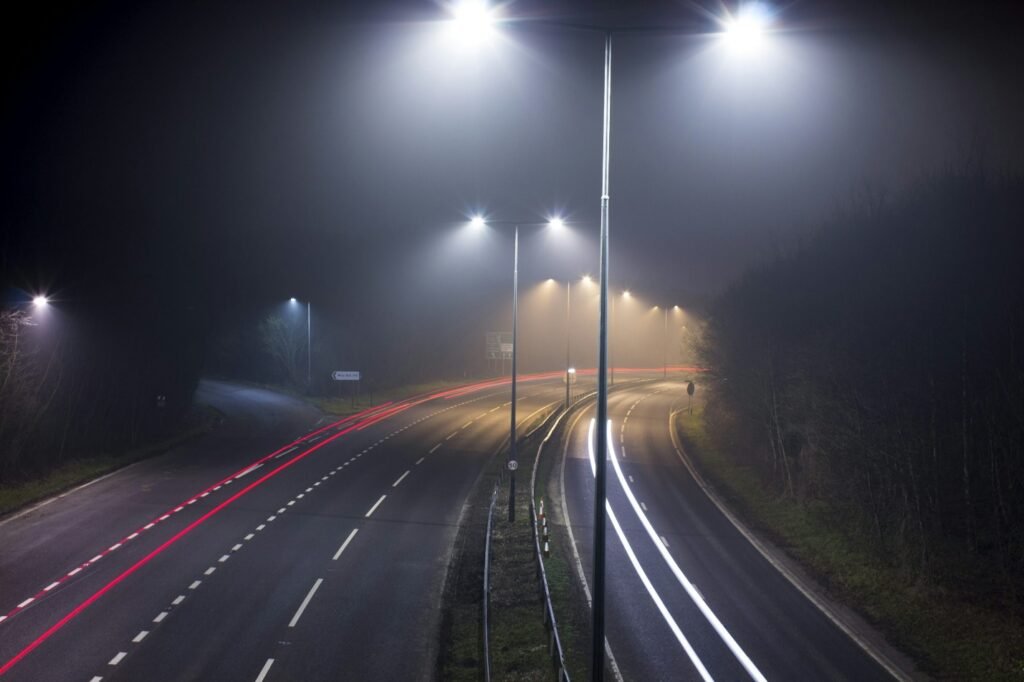
Las fotocélulas ofrecen el mayor retorno de la inversión en el control de la iluminación
Al evaluar las inversiones en iluminación, las metrópolis y los propietarios de activos priorizan el retorno de la inversión (ROI) más que la innovación técnica. Aquí es donde las fotocélulas superan a casi cualquier sustituto.
Una fotocélula correctamente diseñada proporciona un control completamente mecanizado desde el anochecer hasta el amanecer durante más de una década sin costos continuos. En relación con los nodos inteligentes, las fotocélulas requieren:
- Sin suscripciones a la nube
- Sin licencias de software
- Sin puertas de enlace de red
- No hay actualizaciones de firmware
- Sin formación en TI
Desde un punto de vista fiscal, esta simplicidad es incomparable en el futuro de la discusión sobre controles de iluminación exterior.
Una fotocélula autorizada puede brindar entre 10 y 15 años de control de iluminación autodirigido sin costos de mantenimiento.
Para las metrópolis que instalan miles de luminarias simultáneamente, esto implica un presupuesto anticipado, un riesgo operativo mínimo y un ahorro energético inmediato. Por ello, el pronóstico del sensor de crepúsculo a amanecer sigue mostrando una fuerte demanda a largo plazo.
No todas las ciudades quieren o necesitan iluminación inteligente completa (todavía)
Aunque la iluminación inteligente acapara titulares, la realidad es muy distinta. Más de la mitad de los municipios del mundo, especialmente en zonas en desarrollo, aún funcionan con una infraestructura digital limitada.
Estas metrópolis destacan:
- La confiabilidad por encima de la complicación
- Vida útil prolongada de las características
- Aquiescencia sobre las pruebas
- Ajuste simple sobre integración
En tales entornos, la automatización del alumbrado público debe funcionar sin necesidad de acceso a internet, servidores en la nube ni ingenieros cualificados. Las fotocélulas cumplen estos requisitos a la perfección.
Son plug-and-play, universalmente compatibles y cumplen con criterios internacionales como UL, Normas ANSI, CE y RoHS. Esto los hace perfectos para autopistas, carreteras rurales, parques industriales, puertos marítimos y sistemas de iluminación aislados de la red eléctrica.
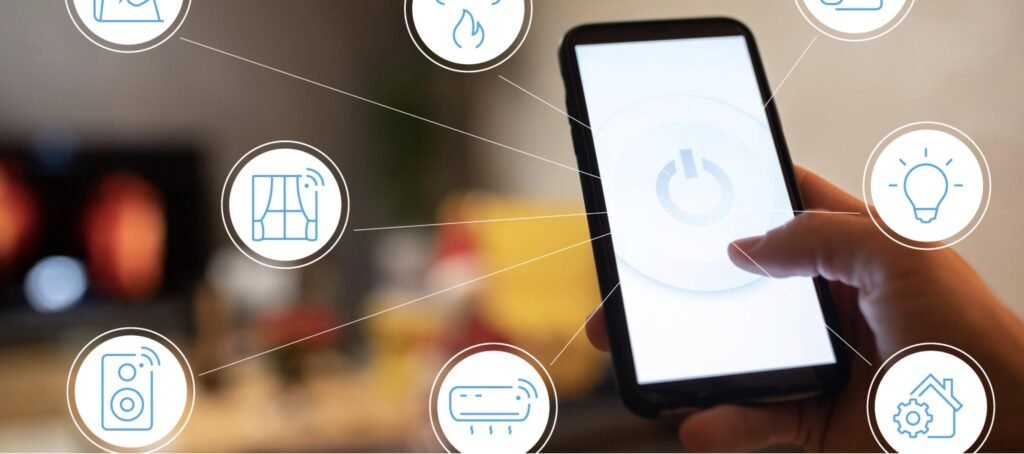
En resumen, el futuro de los controles de iluminación exterior debe servir tanto a las metrópolis avanzadas como a las áreas con infraestructura limitada, y las fotocélulas son una de las tecnologías limitadas que pueden hacer ambas cosas.
Una de las principales ideas erróneas en la industria es que las fotocélulas son una tecnología inmutable. En realidad, las tendencias en fotocélulas inteligentes muestran una evolución constante, impulsadas por los desafíos del mundo real.
Las fotocélulas contemporáneas ahora comprenden:
- Detección de cruce por cero para reducir el desgaste del relé
- Alta protección contra sobretensiones (6 kV–20 kV)
- Carcasas resistentes a los rayos UV
- IP65–IP67 sellado ambiental
- Precisión mejorada en la detección de luz
Estos avances reaccionan con firmeza a entornos exteriores severos, lo que hace que las fotocélulas sean más fiables que nunca. Este avance garantiza que las fotocélulas sigan siendo un componente clave de la tecnología de control de la iluminación, incluso con el aumento de las capas digitales.
Modelos de control híbrido: Nodo inteligente + Fotocélula
En lugar de elegir entre fotocélulas y nodos inteligentes, la industria está aceptando progresivamente arquitecturas de control híbridas.
En estos sistemas:
- La fotocélula actúa como una capa de control principal o de respaldo.
- El nodo inteligente gestiona la atenuación, la programación y la supervisión.
- El control local sigue siendo útil incluso durante una catástrofe de red
Esta arquitectura aborda de forma inquebrantable uno de los principales riesgos de la iluminación inteligente: la dependencia de la red.
Si falla la comunicación, la fotocélula garantiza que las luces sigan encendidas durante la noche, un requisito no negociable para la seguridad pública.
Por eso, la discusión entre fotocélulas y nodos inteligentes ya no se trata de reemplazo, sino de separación de funciones y redundancia.
¿Por qué las interfaces NEMA y Zhaga mantienen la relevancia de las fotocélulas?
La estandarización juega un papel crucial en el futuro de los controles de iluminación exterior. Interfaces como ANSI C136.41 (NEMA) y Zhaga Book 18 garantizan modularidad y compatibilidad a largo plazo.
Fotocélulas diseñadas para:
- NEMA de 3 pines (control básico)
- NEMA de 5 pines (preparado para atenuación)
- NEMA de 7 pines (integración inteligente completa)
- Zócalos Zhaga (luminarias inteligentes compactas)
siguen siendo componentes básicos importantes en los sistemas de iluminación modulares.
Esto garantiza que las fotocélulas no queden excluidas de futuros avances. En cambio, continúan siendo componentes sustituibles que se adaptan a las crecientes necesidades.
La protección contra sobretensiones y el medio ambiente sigue siendo clave
La iluminación exterior enfrenta amenazas que ninguna plataforma en la nube puede solucionar:
- Los rayos caen
- picos de voltaje
- Estrés por calor
- Humedad
- niebla salina
- Radiación ultravioleta
Las fotocélulas de primera calidad están diseñadas específicamente para resistir estas situaciones. Su resistencia a sobretensiones de 20 kV/10 kA, combinada con un sellado IP67, las hace extremadamente resistentes en zonas expuestas a variaciones eléctricas.
Esta robustez física es una de las razones por las que el pronóstico del sensor desde el anochecer hasta el amanecer sigue siendo duradero en áreas como Medio Oriente, el Sudeste Asiático, África y América Latina.
Los sistemas inteligentes añaden inteligencia, pero las fotocélulas añaden resistencia.
Menor mantenimiento, mejor sostenibilidad
La sostenibilidad es un pilar fundamental para el futuro de los controles de iluminación exterior. Las fotocélulas contribuyen de forma inquebrantable mediante:
- Cómo evitar el desperdicio de energía durante el día
- Abolir los errores de cambio de humanoides
- Apoyando las ganancias de eficiencia de los LED
- Reducción de las emisiones de los vehículos de mantenimiento
Cuando se combinan con luminarias LED, las fotocélulas brindan una reducción instantánea de carbono sin la complicación de las plataformas de datos.
Para las metrópolis que buscan cumplir rápidamente los objetivos ESG y climáticos, las fotocélulas siguen siendo una de las herramientas rápidas y más rentables disponibles para la automatización del alumbrado público.
¿Qué esperar en los próximos 10 años?
La próxima era no eliminará las fotocélulas: las reubicará como una capa fundamental de infraestructura.
| Tendencia global | Función de las fotocélulas |
| Mandatos de bajas emisiones de carbono | Reducir el exceso de iluminación y el desperdicio de energía |
| Plataformas inteligentes | Actuar como respaldo y control local |
| Luminarias modulares | Compatibilidad plug-and-play |
| Brecha entre zonas urbanas y rurales | Permitir la mecanización donde lo digital no puede |
| Descentralización | Mantener el control local y resiliente |
Estas tendencias especifican claramente que el futuro de los controles de iluminación exterior depende de soluciones en capas, no de tecnologías individuales.
Conclusión: ¿Por qué las fotocélulas seguirán siendo la base del control de la iluminación exterior?
La iluminación inteligente seguirá desarrollándose. La IA, la analítica y la conectividad rediseñarán la gestión de la infraestructura en las metrópolis. Pero, tras toda esa inteligencia, las fotocélulas seguirán siendo la base.
Ellos son:
- Verificado
- Asequible
- Resiliente
- Autorregulación
- Reconocido por unanimidad
Tanto para las ciudades como para los contratistas de EPC y distribuidores, las fotocélulas brindan certeza en un panorama tecnológico ambiguo.
La conclusión es clara: la tecnología inteligente puede ser el futuro, pero las fotocélulas son el pilar que mantiene las luces encendidas.
Para las administraciones que planean proyectos que deben durar entre 10 y 15 años, invertir en fotocélulas autorizadas y protegidas contra sobretensiones no es un compromiso: es una decisión estratégica.
Las fotocélulas de alto rendimiento garantizan:
| Beneficio garantizado | Cómo se logra | Impacto directo del proyecto |
| Confiabilidad a largo plazo | Relés industriales, conmutación de cruce por cero, sellado IP65-IP67 | 10–15 años de funcionamiento estable, menos fallos |
| Cumplimiento de estándares globales | Diseños con certificación UL/ANSI/CE/RoHS | Aprobaciones más rápidas, cero riesgo regulatorio |
| Compatibilidad con futuras actualizaciones | NEMA 3/5/7 pines y Zhaga-interfaces listas para usar | Fácil transición a sistemas de iluminación inteligente |
| Riesgo operativo mínimo | Alta protección contra sobretensiones, control local a prueba de fallos | Sin apagones, menor coste de mantenimiento |
Como lo revela el futuro de los controles de iluminación exterior, las fotocélulas seguirán siendo el pilar de los sistemas de iluminación universalmente, hasta bien entrada la década de 2030 y más allá.
Referencias:


 Spanish
  English
  Portuguese (Brazil)
  Russian
  Dutch
Dutch  Japanese
  Portuguese (Portugal)