Acapulco está invirtiendo en una mejor iluminación pública. En agosto de 2026, rehabilitó más de 200 luminarias.
Pero, ¿basta con reparar el alumbrado público?
Los municipios también necesitan un control de iluminación fiable para evitar el funcionamiento innecesario y mejorar la eficiencia. El alumbrado público LED es cada vez más común, lo que subraya la necesidad de un control automático. Sensores de iluminación de fotocélulas Pueden automatizar el encendido y apagado en función de la luz ambiental. Pueden reducir el funcionamiento durante el día y simplificar la gestión de la iluminación.
Para los municipios mexicanos, combinar la modernización con tecnología LED con sistemas de fotocontrol fiables puede contribuir a lograr redes de alumbrado público más eficientes y fiables.
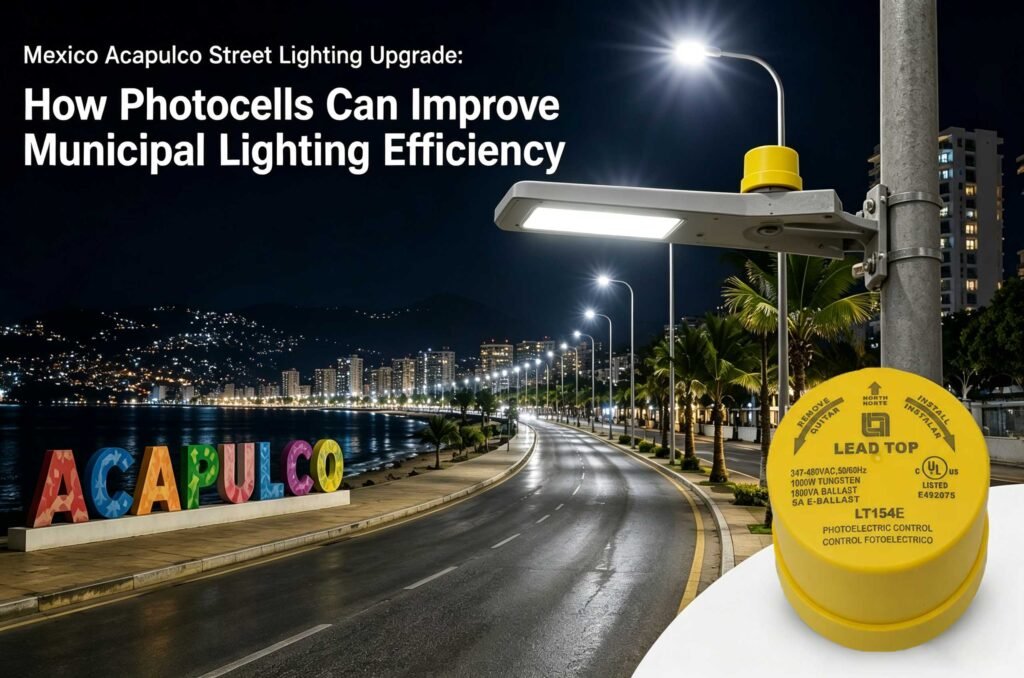
¿Qué está pasando con las más de 200 luminarias públicas de Acapulco?
La ciudad está rehabilitando activamente su red de alumbrado público. Según información publicada el 18 de agosto de 2026, el gobierno municipal rehabilitó más de 200 luminarias durante ese mes. Los trabajos abarcaron varias avenidas principales y no se limitaron al reemplazo de lámparas.
Los equipos también repararon la infraestructura eléctrica. En la Avenida Ejército Nacional, rehabilitaron 10 unidades con una potencia nominal de 70 W y reubicaron dos más. Además, instalaron 170 metros de cable 1+1 en Nuevo Centro de Población.
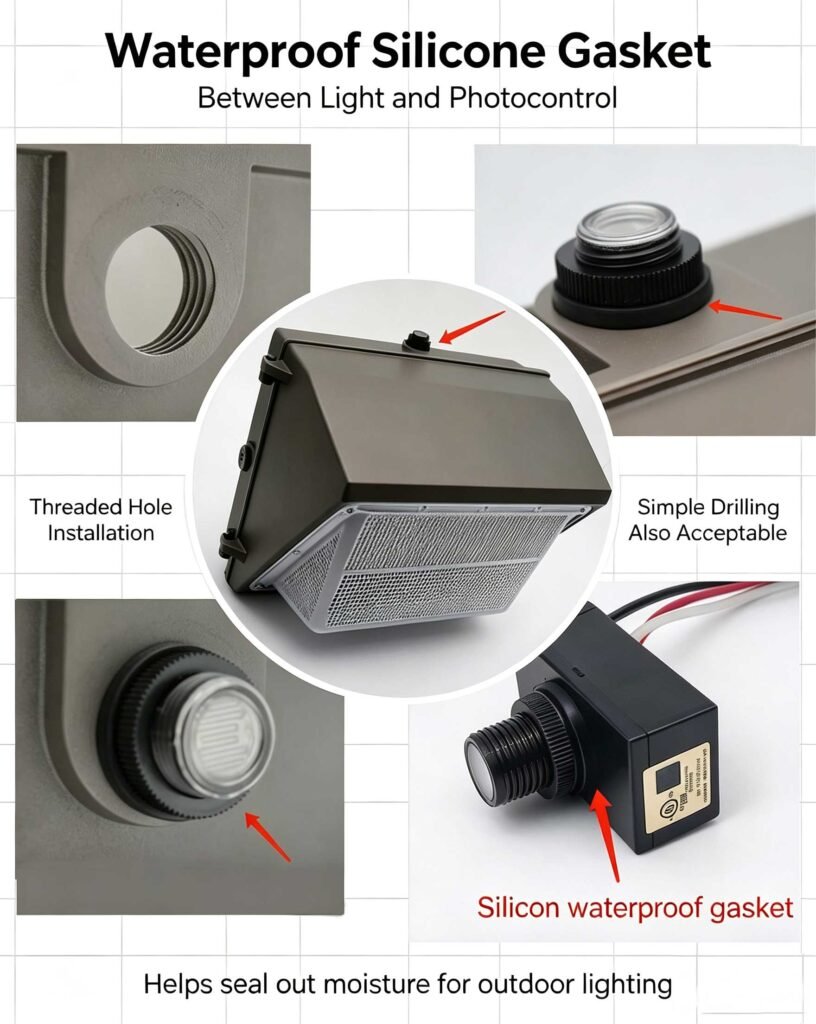
Una actualización municipal posterior informó de unas 220 rehabilitaciones diarias y señaló fotocélulas y cableado dañados a causa de variaciones eléctricas, lluvia, desgaste o cortocircuitos.
¿Por qué la rehabilitación de la iluminación también debería incluir...? Control de iluminación?
Reparar una luminaria restablece la iluminación. Sin embargo, el sistema de iluminación también necesita un control fiable. Esto es especialmente importante cuando los municipios deben mantener cientos de luminarias en calles, barrios y espacios públicos.
El trabajo reciente de Acapulco demuestra por qué los componentes de control merecen atención. La ciudad ya ha informado sobre el reemplazo de fotocélulas y cableado durante sus actividades de rehabilitación.
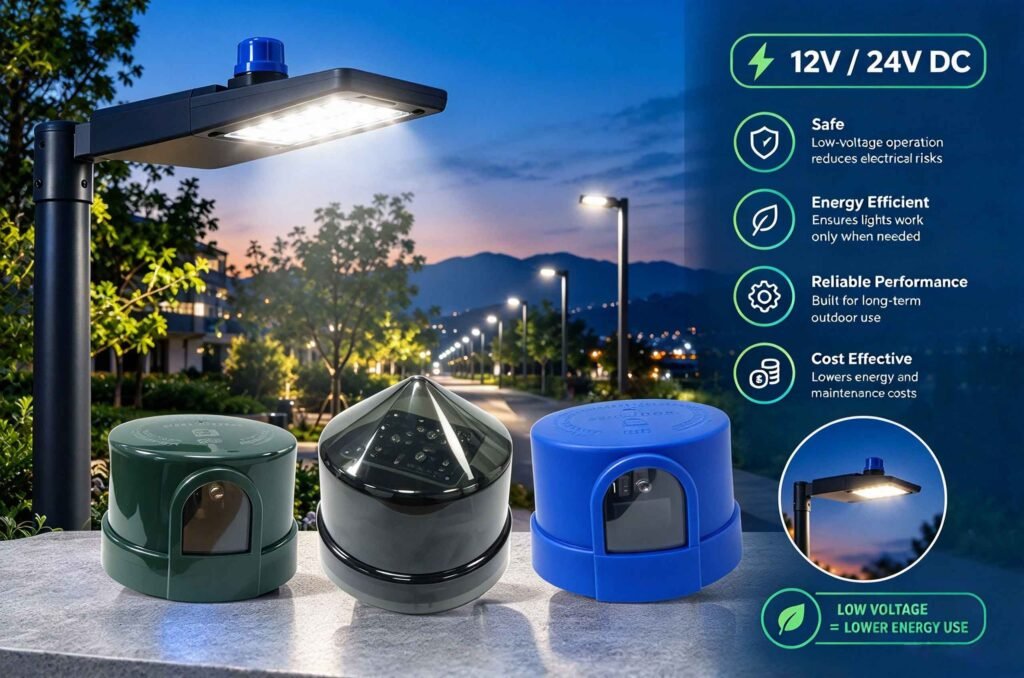
A interruptor de fotocélula con sensor de luz Puede automatizar el ciclo básico de iluminación. Detecta las condiciones ambientales y controla cuándo se enciende y apaga el alumbrado público. Esto ayuda a evitar el funcionamiento innecesario durante el día y reduce la necesidad de encenderlo y apagarlo manualmente.
Para las actualizaciones de iluminación LED municipales, el enfoque práctico consiste en considerar ambas partes conjuntamente:
- Luminarias LED para una emisión de luz eficiente.
- Fotocontroles para funcionamiento automático.
- Receptáculos compatibles para una instalación y mantenimiento fiables.
¿Cómo lo hago? Interruptores de fotocélula ¿Mejorar la eficiencia del alumbrado público municipal?
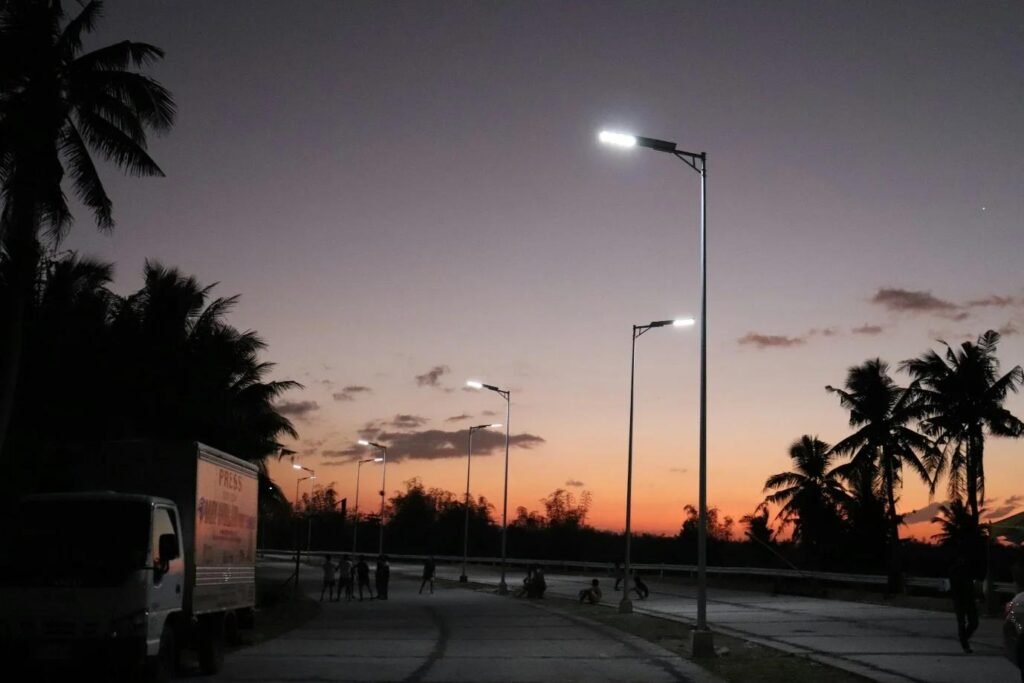
Un fotosensor ayuda a automatizar el funcionamiento del alumbrado público. Detecta la luz ambiental y enciende la luminaria en consecuencia. Esto evita que las luces funcionen innecesariamente durante el día.
En las grandes redes municipales, el control automático también reduce la dependencia de la conmutación manual. Cada luminaria puede responder localmente a las condiciones cambiantes de luz.
Entre los principales beneficios se incluyen:
- Funcionamiento automático del anochecer al amanecer.
- Reducción de la iluminación diurna innecesaria
- Mejor soporte para el alumbrado público LED
- Menor intervención manual
- Control escalable para grandes redes de iluminación
La elección de la fotocélula correcta sigue siendo fundamental. En los proyectos municipales, se debe verificar el voltaje, la capacidad de carga, la compatibilidad con LED, la protección ambiental, el rendimiento ante sobretensiones y la interfaz del receptáculo antes de la selección. Normas ANSI La norma C136.10 abarca la intercambiabilidad física y eléctrica entre los fotocontroles de tipo bloqueo y los receptáculos correspondientes.
¿Cuál es el líder? Sensor de interruptor fotoeléctrico ¿Qué soluciones pueden apoyar los proyectos de alumbrado público municipal de México?
Cada proyecto requiere un nivel de control distinto. Lead-Top ofrece opciones de cierre giratorio tanto estándar como avanzadas. Incluye los modelos LT124 y LT154E.
La gama de productos también incluye configuraciones de receptáculos ANSI C136.10 y ANSI C136.41.
¿Cuándo es el? LT124 ¿Una buena opción?

El LT124 es ideal para proyectos que requieren un control sencillo del crepúsculo al amanecer. Es una opción práctica para alumbrado público LED estándar y proyectos de modernización municipal. Al combinarse con un receptáculo de 3 pines compatible, admite una instalación estandarizada con bloqueo según la interfaz ANSI C136.10.
¿Cuándo se puede? LT154E ¿Utilizarse?

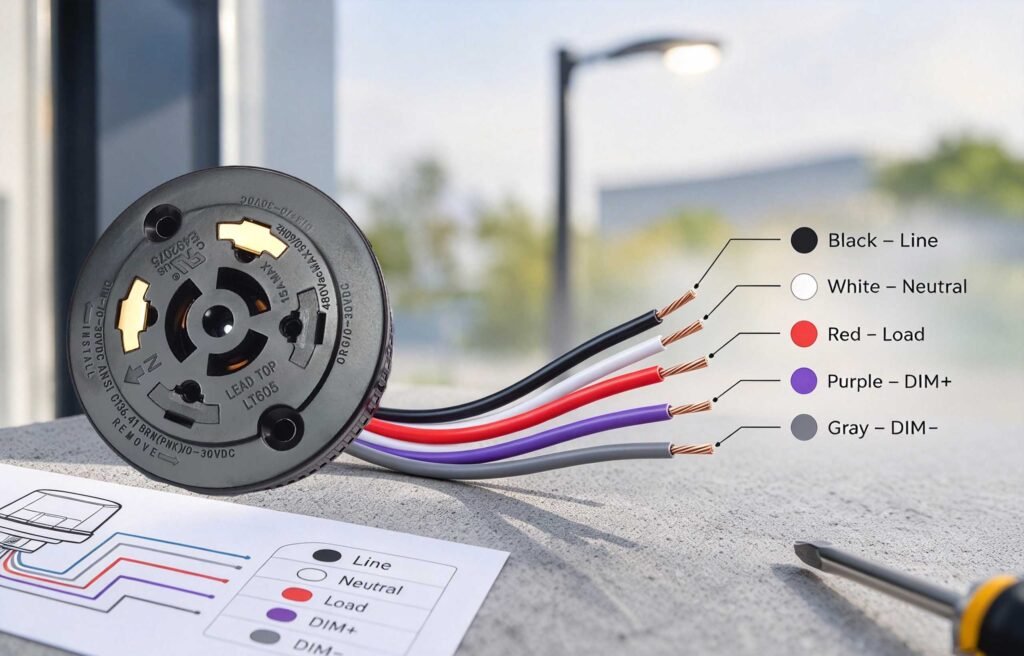
El LT154E es más adecuado para proyectos que requieren un control avanzado. Lead-Top lo incluye entre sus fotocontroles de mayor especificación y ofrece opciones de receptáculos multipin compatibles con ANSI C136.41. ANSI C136.41 establece interfaces para funciones de atenuación, incluyendo 0–10V y Dalí aplicaciones.
| Necesidad del proyecto | Dirección sugerida |
| Iluminación LED estándar de encendido/apagado | LT124 + receptáculo de 3 pines compatible |
| Infraestructura con capacidad de atenuación | LT154E + receptáculo multipin compatible |
¿Cómo puede la rehabilitación del alumbrado público de Acapulco contribuir al futuro del alumbrado municipal en México?
Los recientes trabajos realizados en Acapulco demuestran que la modernización del alumbrado público implica más que simplemente reemplazar las luminarias averiadas. La ciudad también ha sustituido las fotocélulas, reparado el cableado y solucionado los daños causados por variaciones eléctricas, la lluvia y los cortocircuitos.
El siguiente paso puede ser un control de iluminación más uniforme. Acapulco instaló recientemente 55 luminarias LED, incluyendo 40 unidades de 100 W y 15 de 50 W, junto con 20 postes de acero y unos 800 metros de red eléctrica.
Esto crea un camino claro hacia:
- modernización LED
- Control automático de encendido/apagado
- Interfaces de fotocontrol estandarizadas
- Infraestructura preparada para la regulación de intensidad de luz en proyectos avanzados
¿Qué deben tener en cuenta los municipios al elegir una fotocélula para el alumbrado público?
Elegir un interruptor fotosensor Se debe comenzar con los requisitos de la luminaria y el sistema de control. Los municipios deben verificar la capacidad eléctrica, la interfaz, la compatibilidad con LED y las condiciones ambientales antes de la adquisición.
| Factor de selección | Qué comprobar |
| Voltaje | Haga coincidir el suministro de la luminaria |
| Interfaz | Confirme lo requerido NEMA receptáculo |
| Control | Encendido/apagado o atenuación |
| Ambiente | Lluvia, calor, humedad y exposición |
| Estándar | Verifique los requisitos ANSI aplicables. |
Para sistemas estándar con bloqueo, la norma ANSI C136.10 abarca la intercambiabilidad física y eléctrica de los fotocontroles y sus receptáculos correspondientes. Para aplicaciones de atenuación, la norma ANSI C136.41 abarca la interfaz entre los controles externos con bloqueo y las luminarias, incluyendo los protocolos de 0-10 V y DALI.
El propio trabajo de mantenimiento de Acapulco también demuestra la importancia de la fiabilidad de las fotocélulas. El municipio ha informado de la sustitución de fotocélulas durante las reparaciones y de la reconexión de luminarias con fotocélulas nuevas.
Preguntas frecuentes
¿Cómo mejora un interruptor fotoeléctrico con sensor de luz la eficiencia del alumbrado público?
A control de iluminación El sistema enciende y apaga automáticamente las farolas en función de la luz ambiental. Esto ayuda a evitar el funcionamiento innecesario durante el día y reduce la necesidad de control manual.
¿Se pueden utilizar sensores de luz automáticos con farolas LED?
Sí. Las fotocélulas se utilizan ampliamente en la iluminación LED de carreteras y áreas exteriores. El fotocontrol debe coincidir con el voltaje, la carga y los requisitos de control de la luminaria.
¿Qué es un fotocontrol NEMA?
Un fotocontrolador NEMA es un controlador de iluminación exterior con bloqueo, diseñado para funcionar con un receptáculo compatible. Esta norma define la interfaz para los sensores de luz convencionales.
¿Cuál es la diferencia entre una fotocélula de 3 pines y una de 5/7 pines?
Un sistema de 3 pines proporciona un control básico de encendido/apagado. Los sistemas de cinco y siete pines añaden contactos de señal para funciones como la regulación de la intensidad de la luz o controles de iluminación avanzados.
¿Cómo elijo el fotosensor adecuado para una farola municipal?
Verifique el voltaje de la luminaria, la carga, la compatibilidad del controlador LED, el tipo de receptáculo y la función de control requerida. Considere también las condiciones ambientales y las normas ANSI aplicables.
En resumen
La rehabilitación del alumbrado de Acapulco muestra la necesidad de luminarias LED confiables y control automático de iluminación. Las fotocélulas pueden hacer que el alumbrado público municipal sea más eficiente y fácil de gestionar. Para proyectos en México, Punta de plomo Lead-Top ofrece fotocélulas y tomacorrientes NEMA para aplicaciones de iluminación estándar y avanzadas. Contacte a Lead-Top para encontrar la solución ideal para su próximo proyecto de iluminación municipal.


 English
 Portuguese (Brazil)
 Spanish
 Russian
 Dutch
Dutch Japanese
 Portuguese (Portugal)