Introducción: ¿Por qué las tendencias en fotocélulas inteligentes están transformando la industria de la iluminación en 2026?
La industria de la iluminación está experimentando una gran revolución debido a que los municipios y los sistemas de infraestructura se están volviendo más conectados y basados en datos. fotocélulas, Los sistemas que antes se limitaban a un simple encendido y apagado automático del anochecer al amanecer, ahora están evolucionando hacia dispositivos inteligentes que desempeñan un papel vital en las redes de iluminación contemporáneas.
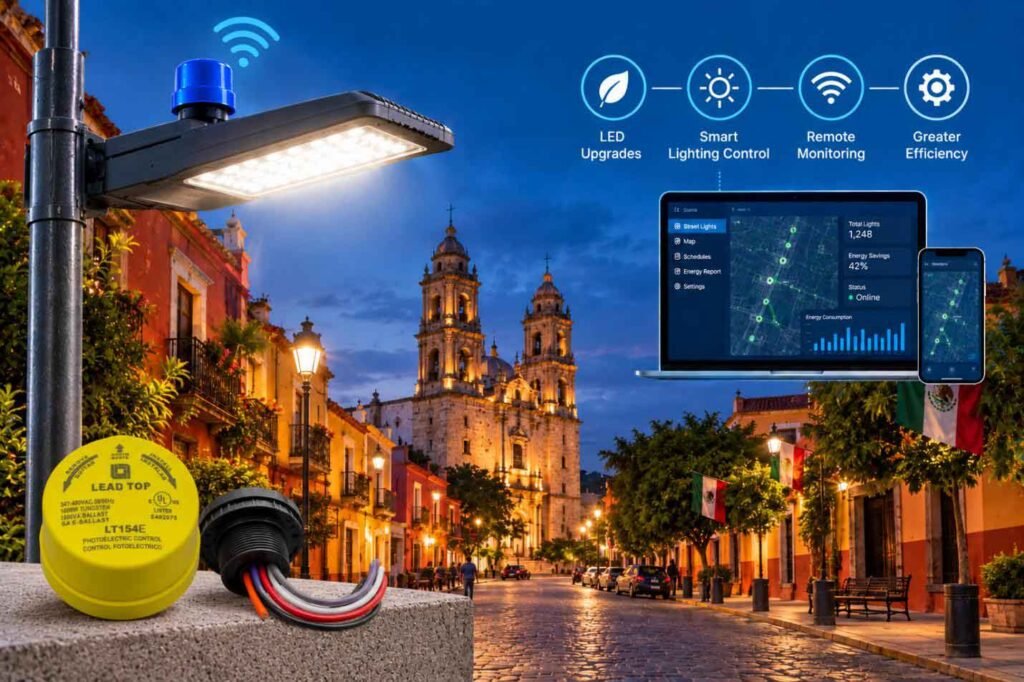
Estas tendencias en fotocélulas inteligentes están impulsadas por la necesidad de mejorar la eficiencia energética, la monitorización en tiempo real y el control operativo. Las administraciones y las ciudades están invirtiendo en sistemas de control de iluminación basados en IoT que les permiten gestionar miles de puntos de iluminación de forma remota.
En consecuencia, la noción tradicional de fotocélula está siendo reemplazada por soluciones progresivas que incorporan sensores, módulos de comunicación y capacidades de procesamiento de datos en un único sistema de fotocontrol inteligente.
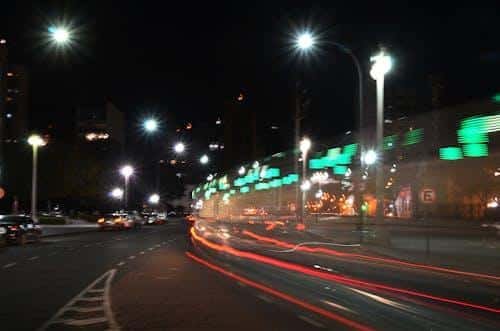
¿Cómo está evolucionando la fotocélula, pasando de ser un sensor a un nodo inteligente?
El paso más importante en las tendencias de las fotocélulas inteligentes es la conversión de un sensor simple en un nodo de control inteligente.
¿Qué era una fotocélula tradicional?
- Sensor de luz básico
- Encendido/apagado en función de la luz ambiental.
- Sin capacidad de comunicación
¿Qué es una fotocélula inteligente hoy en día?
- Dispositivo integrado habilitado para IoT
- Capaz de recopilar y analizar datos.
- Admite control remoto y mecanización.
Las fotocélulas modernas forman parte ahora de un amplio entorno de control de iluminación basado en IoT. Pueden comunicarse con sistemas de gestión centralizados, lo que permite funcionalidades como:
- Monitoreo del estado real
- Encendido y apagado remoto
- Detección y notificación de errores
Este avance permite a los municipios ampliar sus sistemas de iluminación de manera eficiente, mejorando el rendimiento y reduciendo los costos.
¿Qué tecnologías impulsan los sistemas de fotocontrol inteligentes?
La base de todo sistema inteligente de control fotográfico son las tecnologías de comunicación que permiten a los dispositivos conectarse e intercambiar datos.
Las principales tecnologías de comunicación incluyen:
- ZigBee
Un protocolo inalámbrico de corto alcance, ideal para redes malladas locales. Se utiliza habitualmente en sistemas de iluminación metropolitana donde numerosos dispositivos necesitan comunicarse entre sí. - NB-IoT (Internet de las cosas de banda estrecha)
Diseñado para redes de área extensa, NB-IoT es apropiado para implementaciones a gran escala donde la comunicación a larga distancia es indispensable. Se utiliza frecuentemente en sistemas de control de iluminación IoT a nivel nacional o municipal. - LoRa (Largo Alcance)
Es popular por su bajo consumo de energía y su amplia capacidad., LoRa Es más adecuado para zonas rurales o distritos de baja densidad de población.
Cada tecnología sirve para diferentes aplicaciones, y elegir la correcta depende del tamaño del proyecto, la infraestructura y los requisitos de conectividad.
¿Cómo están evolucionando los estándares de interfaz en las fotocélulas inteligentes?
Otra característica importante de las tendencias en fotocélulas inteligentes es el desarrollo de estándares de interfaz. Estas interfaces definen cómo se conectan las fotocélulas a las luminarias y los sistemas de control.
¿Qué es un? Fotocélula inteligente NEMA de 7 pines?

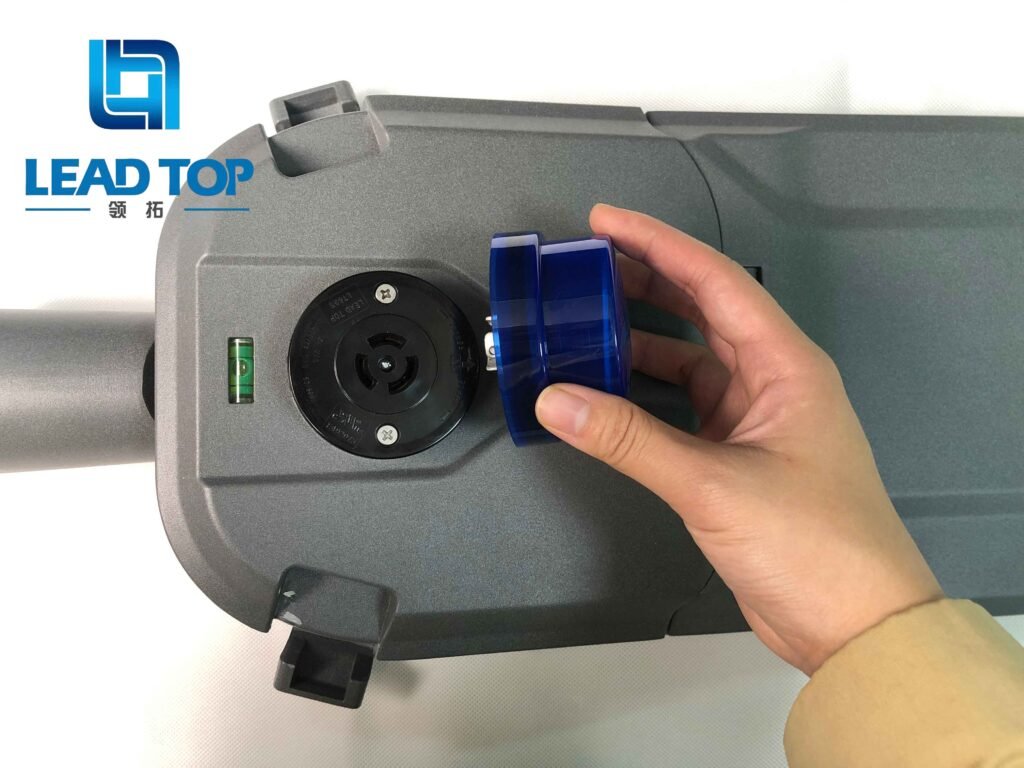
Una fotocélula inteligente NEMA de 7 pines es una versión innovadora de la interfaz NEMA tradicional. Admite pines de comunicación adicionales, lo que permite:
- Mando a distancia
- Transmisión de datos
- Integración con sistemas inteligentes
Esto la convierte en una opción popular en Norteamérica para modernizar la infraestructura de iluminación actual.
¿Qué es un nodo de iluminación inteligente Zhaga?
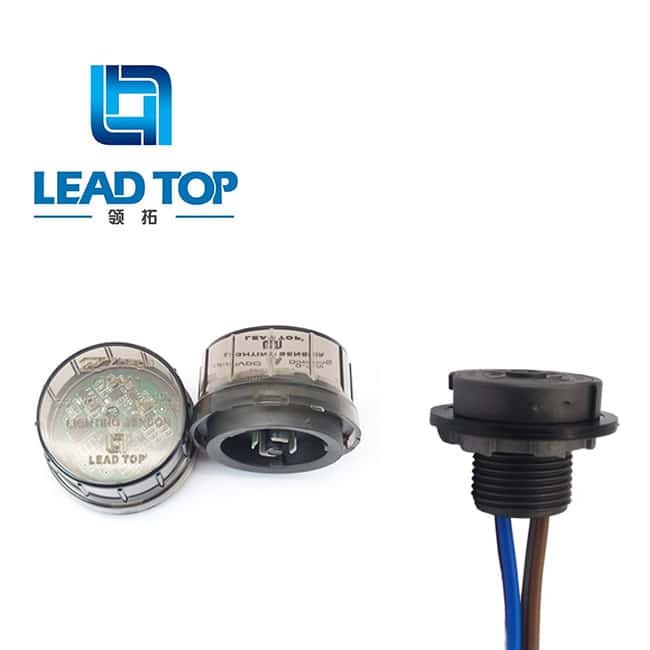
Un nodo de iluminación inteligente zhaga es una interfaz compacta y modular diseñada para sistemas de iluminación inteligentes contemporáneos.
Entre los principales beneficios se incluyen:
- Diseño modular homogéneo
- Fácil instalación y sustitución
- Compatibilidad total con plataformas municipales inteligentes
Zhaga Está ganando popularidad rápidamente en Europa y otras regiones que aceptan sistemas de fotocontrol inteligentes y progresivos.
¿Cuáles son las diferencias clave entre? NEMA ¿Y las interfaces inteligentes de Zhaga?
Tabla 1: NEMA de 7 pines frente al nodo de iluminación inteligente Zhaga
| Característica | Fotocélula inteligente NEMA de 7 pines | Nodo de iluminación inteligente Zhaga |
| Diseño | Más grande, externo | Compacto e integrado |
| Instalación | Cierre giratorio | Conectar y usar |
| Capacidad inteligente | Alto | Muy alto |
| Uso regional | América del norte | Europa y el mundo |
¿Por qué la demanda de las ciudades inteligentes está impulsando la innovación en las células fotoeléctricas?
El auge de las ciudades inteligentes es uno de los principales impulsores de la tendencia de las fotocélulas inteligentes. Los municipios modernos necesitan sistemas de iluminación que no solo sean energéticamente eficientes, sino también inteligentes y reactivos.
¿Qué requieren las ciudades inteligentes?
- Ahorro de energía: La iluminación adaptativa reduce el consumo de energía.
- Monitorización remota: Control real de los sistemas de iluminación.
- Mantenimiento predictivo: detección temprana de errores
Un sistema de control de iluminación IoT bien diseñado permite a las ciudades mejorar la iluminación en función del tráfico, el clima y la hora del día.
Mejora la seguridad pública y la eficiencia de la infraestructura, al tiempo que reduce los costes operativos.
¿Cómo mejoran las células fotovoltaicas inteligentes la eficiencia energética?
Las fotocélulas inteligentes van más allá del simple control de encendido/apagado, ya que permiten funciones innovadoras como la regulación de la intensidad luminosa y la programación.
Por ejemplo:
- La iluminación se puede controlar a menor intensidad durante las horas de menor tráfico.
- El deslumbramiento se puede ajustar en función de las situaciones ecológicas.
Estas capacidades convierten a los sistemas de fotocontrol inteligentes en un componente fundamental para alcanzar los objetivos de sostenibilidad.
¿Cuál es el futuro de la tecnología de fotocélulas inteligentes?
La perspectiva de las tendencias en fotocélulas inteligentes se centra en una mayor inteligencia, manejabilidad e integración.
Entre los principales desarrollos futuros se incluyen:
- Sistemas de control digital
Las plataformas totalmente digitales sustituirán los sistemas de conmutación analógicos tradicionales por un control y una monitorización precisos. - Diseño modular
Sistemas como el nodo de iluminación inteligente zhaga permiten realizar mejoras fácilmente y facilitan la escalabilidad. - Iluminación optimizada por IA
La inteligencia artificial analizará los datos para mejorar el rendimiento de la iluminación de forma robótica.
Estos avances mejorarán aún más las capacidades de los sistemas de control de iluminación IoT.
¿Cuáles son los beneficios de adoptar fotocélulas inteligentes?
Tabla 2: Beneficios de los sistemas de fotocontrol inteligentes
| Beneficio | Descripción |
| Eficiencia energética | Reduce el consumo de electricidad |
| Mando a distancia | Permite la gestión centralizada |
| Mantenimiento predictivo | Minimiza el tiempo de inactividad |
| Escalabilidad | Admite despliegues a gran escala. |
¿Realmente necesitas una fotocélula inteligente?
La necesidad de un sistema de fotocontrol inteligente dependerá de las necesidades de su proyecto.
Necesitas una fotocélula inteligente si:
- Su proyecto incluye infraestructura de ciudad inteligente.
- Necesitas monitorización y control remotos.
- La gestión energética es primordial.
Para aplicaciones sencillas, las fotocélulas tradicionales aún pueden ser suficientes. Sin embargo, para la infraestructura contemporánea, las soluciones inteligentes se están convirtiendo en el estándar.
¿Qué protocolo de comunicación debería elegir?
Seleccionar el protocolo de comunicación correcto es importante para el rendimiento del sistema.
- NB-IoT: Ideal para redes de área extensa.
- ZigBee: Perfecto para redes de malla locales.
- LoRa: Apropiado para aplicaciones de baja potencia y larga distancia.
La elección dependerá de la infraestructura de su red y de la magnitud del proyecto.
¿Son más caras las fotocélulas inteligentes?
Sí, elegante fotocélulas Por lo general, tienen un costo inicial mayor en comparación con los modelos tradicionales. Sin embargo, ofrecen ahorros a largo plazo gracias a:
- Uso de energía abreviado
- Menores gastos de mantenimiento
- Mayor dominio del sistema
Esto las convierte en una valiosa inversión en sistemas de control de iluminación IoT contemporáneos.
Conclusión: ¿Por qué las fotocélulas inteligentes son el futuro de la iluminación?
El desarrollo de las tendencias en fotocélulas inteligentes refleja el cambio generalizado que está experimentando la industria de la iluminación hacia sistemas conectados e inteligentes.
Desde sensores sencillos hasta sistemas de fotocontrol inteligentes y avanzados, las fotocélulas son ahora componentes importantes de la infraestructura de las ciudades inteligentes.
Tecnologías como la fotocélula inteligente NEMA de 7 pines y el nodo de iluminación inteligente Zhaga permiten nuevos niveles de control, eficiencia y escalabilidad.
Lo único que puede ayudar a productores, proveedores y ciudades a ser proactivos en este mercado en constante cambio es la aceptación de estas novedades.
En definitiva, las fotocélulas inteligentes no son solo una tendencia, sino la clave del control de la iluminación mediante IoT, que propone soluciones de iluminación más inteligentes, seguras y fáciles de mantener.

 Spanish
  English
  Portuguese (Brazil)
  Russian
  Dutch
Dutch  Japanese
  Portuguese (Portugal)