¿Por qué Norfolk suspendió la modernización de su alumbrado público con tecnología LED?
En todo el mundo, las ciudades están invirtiendo de manera integral en proyectos de modernización de alumbrado público LED para disminuir el consumo de energía, reducir los costos de mantenimiento y mejorar la seguridad pública. Sin embargo, la decisión actual de Norfolk de pausar y reevaluar partes de su CONDUJO El programa de transformación demuestra que los proyectos de iluminación exitosos implican algo más que simplemente sustituir las luminarias antiguas por LED.
Con casi 9.000 farolas ya modernizadas, Norfolk planeaba modernizar más de 30.000. Algunas personas expresaron inquietudes con respecto a los niveles de iluminación, el deslumbramiento y la comodidad visual en general, si bien el proyecto aportó beneficios en materia de eficiencia energética.
La reacción del público pone de manifiesto una creciente preocupación en la planificación metropolitana contemporánea: a los residentes no solo les preocupa el ahorro energético, sino también cómo la iluminación afecta a su vida diaria, su salud, su seguridad y el aspecto de su entorno.
La experiencia de Norfolk ofrece valiosas lecciones sobre cómo equilibrar la eficiencia con las expectativas de la comunidad, a medida que los municipios continúan invirtiendo en tecnologías de fotocélulas inteligentes y sistemas avanzados de iluminación exterior.

¿Por qué la temperatura del color se está convirtiendo en un tema importante en la iluminación municipal?
Uno de los debates más importantes en torno al alumbrado público actual es la temperatura del color.
La temperatura del color se mide en Kelvin (K) e influye en cómo percibe el ojo humano la luz.
| Temperatura de color | Apariencia | Aplicaciones comunes |
| 2200K–2700K | Ámbar cálido | Parques, calles residenciales |
| 3000K | blanco cálido | carreteras urbanas |
| 4000K | blanco neutro | distritos comerciales |
| 5000K–6500K | Blanco frío | Carreteras de alta visibilidad |
Tradicionalmente, muchas metrópolis optaban por los LED de luz blanca fría, ya que ofrecen una gran visibilidad y una alta emisión de lúmenes.
Sin embargo, los estudios más recientes y la opinión pública han animado a los municipios a reevaluar si un brillo mayor siempre significa mejor.
Este debate ha generado un creciente interés en las farolas LED de luz cálida como una solución más equilibrada.
¿Cuál es la diferencia entre las farolas LED de luz cálida y las farolas LED de luz blanca fría?
El debate entre las farolas LED de luz cálida y las de luz blanca fría gira en torno a la visibilidad, la comodidad, el impacto ecológico y la aprobación pública.
Farolas LED cálidas
Los LED de luz cálida suelen funcionar entre 2200K y 3000K y producen una apariencia blanco ámbar más suave.
Los beneficios incluyen:
- Resplandor abreviado
- Mayor comodidad visual
- Emisiones de luz azul más bajas
- Mejor recepción residencial
- Resplandor del cielo reducido
Iluminación pública LED de color blanco frío
Los LED de luz fría suelen funcionar con una temperatura de color de entre 4000K y 6500K.
Los beneficios incluyen:
- Mayor deslumbramiento percibido
- Gran visibilidad en la carretera
- Mejor reconocimiento de objetos
- Iluminación eficaz de zonas de mucho tránsito
Los desafíos pueden contener:
- Mayor resplandor
- Más contaminación lumínica
- Posible interrupción de los ritmos circadianos
- Más objeciones públicas en el ámbito doméstico.
¿Cómo afecta la temperatura del color a la salud y el bienestar humanos?
Debido a la creciente popularidad de los principios de iluminación centrada en el ser humano, los municipios se ven obligados a reconsiderar sus estrategias de iluminación.
La iluminación centrada en el ser humano se enfoca en diseñar sistemas de iluminación que favorezcan el bienestar humano y los ritmos biológicos naturales.
Estudios recientes sugieren que la exposición excesiva a la iluminación rica en luz azul durante la noche puede influir en:
- Calidad del sueño
- ritmo circadiano regulación
- Confort visual
- Bienestar percibido
Si bien la visibilidad vial sigue siendo primordial, las ciudades buscan progresivamente soluciones que equilibren la seguridad vial con las consideraciones de salud humana.
Este cambio explica por qué muchos municipios ahora exigen temperaturas de color más cálidas para las calles residenciales, reservando temperaturas más frías para las carreteras principales y las zonas comerciales.
El caso de Norfolk demuestra cómo la respuesta de la comunidad puede influir significativamente en las decisiones municipales sobre iluminación.
¿Por qué influyen las preocupaciones medioambientales en el diseño de la iluminación exterior?
La sostenibilidad medioambiental es ahora un factor clave en el diseño de iluminación exterior.
La luz artificial excesiva puede afectar a:
- aves migratorias
- Insectos y polinizadores
- hábitats de vida silvestre
- visibilidad del cielo nocturno
Numerosas organizaciones ecologistas apoyan las iniciativas de "cielo oscuro" que fomentan prácticas de iluminación responsables.
Las normas contemporáneas de alumbrado público destacan progresivamente:
- Iluminación ascendente abreviada
- Menos resplandor
- Iluminación focalizada
- Estrategias de control adaptativo
- eficiencia energética
En consecuencia, las ciudades están empezando a considerar los proyectos de iluminación desde perspectivas tanto medioambientales como de ingeniería.
¿Por qué la calidad de la iluminación es más importante que el simple ahorro de energía?
La primera generación de proyectos LED se centró principalmente en el ahorro de energía.
Actualmente, los municipios evalúan el rendimiento de la iluminación utilizando criterios más amplios.
Las evaluaciones de iluminación modernas consideran:
Comodidad visual
La gente quiere calles que transmitan seguridad y que no parezcan excesivamente brillantes.
Satisfacción de la comunidad
La aceptación de la comunidad influye progresivamente en el éxito del proyecto.
Impacto ambiental
Los municipios deben encontrar un equilibrio entre el rendimiento de la iluminación y los objetivos de sostenibilidad.
Costos operativos a largo plazo
Los sistemas eficientes reducen los gastos de mantenimiento y el consumo de energía.
Seguridad pública
Las carreteras deben mantenerse adecuadamente iluminadas, minimizando al mismo tiempo las molestias visuales.
Este marco de evaluación más amplio explica por qué la calidad de la iluminación se ha vuelto tan importante como la eficiencia energética.
¿Cómo ayudan los sistemas de control de iluminación inteligente a equilibrar la eficiencia y la comodidad?
Los proyectos contemporáneos de modernización del alumbrado público dependen cada vez más de las tecnologías de control inteligente.
En lugar de funcionar a máxima luminosidad durante toda la noche, los sistemas avanzados pueden ajustar enérgicamente los niveles de iluminación según las situaciones reales.
Los beneficios incluyen:
- Uso de energía abreviado
- Mayor comodidad visual
- Menor contaminación lumínica
- Mayor flexibilidad operativa
- Mejor gestión de activos
En lugar de funcionar exclusivamente como simples dispositivos de encendido/apagado, los modernos fotocontroles pueden admitir estrategias de iluminación adaptativa que se alineen con los objetivos de sostenibilidad de la ciudad.
¿Qué productos de Lead-Top son compatibles con los proyectos de iluminación exterior de última generación?
Para las ciudades que buscan tanto eficiencia como calidad de iluminación, algunas soluciones ofrecen control inteligente de la iluminación exterior.
Componentes de iluminación inteligente recomendados
LT154 ANSI C136.41 Fotocontrol de atenuación
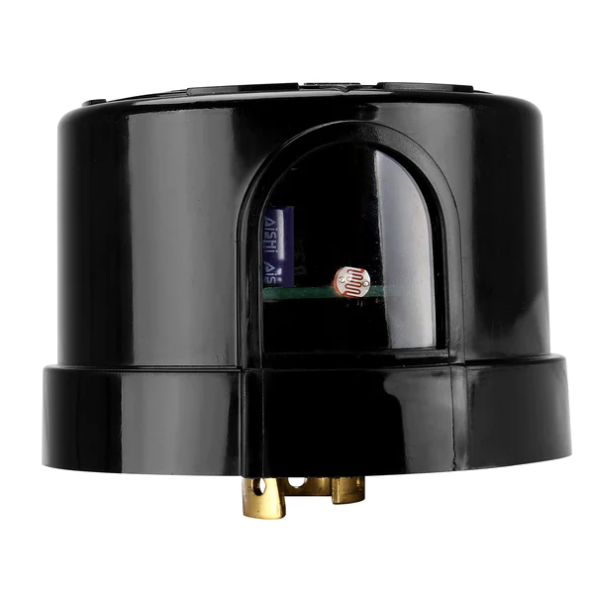
Diseñado para sistemas inteligentes de alumbrado público y vial que requieren funcionalidad de atenuación e integración de control inteligente.
Receptáculo LT605R-7PIN ANSI C136.41

Ofrece interfaces estandarizadas para nodos inteligentes, módulos de comunicación y futuros avances en iluminación.
LT6002 Zhaga Book 18 Sensor
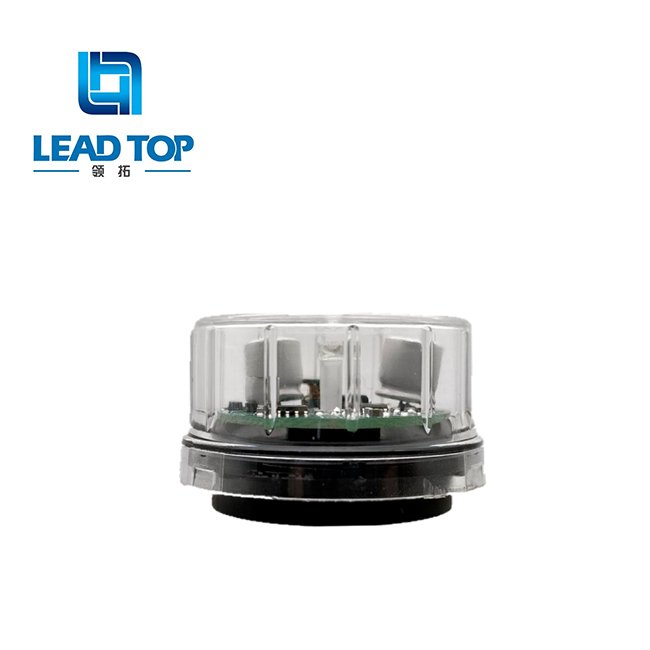
Permite la incorporación de sensores compactos y aplicaciones innovadoras de iluminación para ciudades inteligentes.
| Producto | Función principal | Mejor aplicación | Ventaja clave |
| LT154 ANSI C136.41 Fotocontrol | Control y atenuación de la iluminación | Carreteras municipales | Funcionamiento preparado para funciones inteligentes |
| Receptáculo LT605R-7PIN | Conectividad de nodos inteligentes | Sistemas de iluminación inteligentes | Interfaz estandarizada |
| Sensor Zhaga LT6002 | Integración de sensores | Proyectos de ciudades inteligentes | Diseño modular compacto |
Comparación de estrategias de iluminación
| Iluminación tradicional | Iluminación inteligente |
| Brillo fijo toda la noche | Ajuste dinámico del brillo |
| Mayor consumo de energía | Menor consumo de energía |
| Mayor contaminación lumínica | Resplandor del cielo reducido |
| Flexibilidad limitada | Capacidad de control adaptativo |
| Monitoreo manual | Gestión remota |
Este progreso respalda tanto los objetivos de sostenibilidad como las expectativas de la comunidad.
¿Cuáles son las tendencias futuras en iluminación exterior centrada en el ser humano?
La perspectiva de la iluminación centrada en el ser humano va más allá de la temperatura del color.
Entre las tendencias emergentes se incluyen:
Atenuación adaptativa
El brillo se ajusta según las condiciones del tráfico y los niveles de actividad.
Iluminación adaptativa al tráfico
Las carreteras reciben iluminación en función del movimiento real de los automóviles.
Diseño centrado en la comunidad
Las opiniones del público influyen progresivamente en las especificaciones de iluminación.
Integración de ciudades inteligentes
Los sistemas de iluminación se integran en redes de infraestructura urbana más amplias.
Optimización ambiental
Las ciudades buscan soluciones que apoyen las iniciativas de protección del cielo nocturno y la seguridad de la biodiversidad.
Estos avances demuestran que la iluminación exterior se está convirtiendo en un componente estratégico de la planificación metropolitana, en lugar de un simple servicio público.
Preguntas frecuentes
¿Cuál es la temperatura de color óptima para el alumbrado público?
Las zonas residenciales suelen beneficiarse de las luces LED de luz cálida (2700K–3000K), mientras que las carreteras principales pueden necesitar temperaturas más frías para mejorar la visibilidad.
¿Por qué algunas ciudades están optando por luces LED más cálidas?
Los LED de luz cálida disminuyen el brillo, minimizan las emisiones de luz azul, apoyan las iniciativas de protección del cielo nocturno y, a menudo, gozan de una mayor aceptación por parte de la comunidad.
¿Pueden los sistemas de control inteligentes reducir la contaminación lumínica?
Sí. Los sistemas de iluminación inteligentes pueden atenuar las luces durante las horas de menor afluencia, reducir la iluminación innecesaria y mejorar la eficacia general de la iluminación.
Llamada a la acción:
Los sistemas de control inteligentes cobran cada vez más importancia a medida que los municipios avanzan hacia planes de iluminación más sostenibles y centrados en las personas. Para construir redes de iluminación exterior flexibles, energéticamente eficientes y preparadas para el futuro, que equilibren la seguridad, el confort y la responsabilidad ecológica, los fotocontroles inteligentes, los enchufes ANSI C136.41 y las soluciones de sensores compatibles con Zhaga de Lead-Top pueden ayudar a las ciudades a lograrlo.




 English
 Portuguese (Brazil)
 Spanish
 Russian
 Dutch
Dutch Japanese
 Portuguese (Portugal)