Introducción
Para gestionar de forma más eficiente la infraestructura pública, las ciudades de Europa, Latinoamérica, Oriente Medio y otras regiones se enfrentan a una creciente presión. Factores como el aumento del coste de la electricidad, la obsolescencia de las infraestructuras de alumbrado público, la reducción de los presupuestos de mantenimiento y las crecientes exigencias de sostenibilidad obligan a las ciudades a replantearse el funcionamiento de sus redes de iluminación urbana.
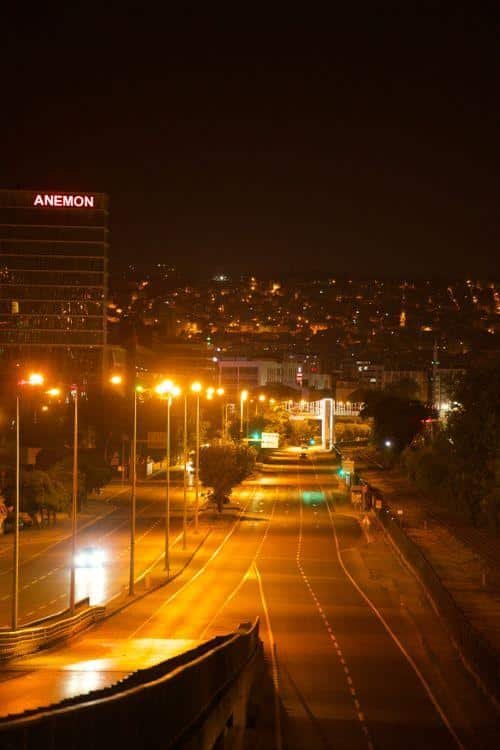
El alumbrado público sigue siendo uno de los servicios públicos más importantes. Mejora la visibilidad en las carreteras, contribuye a la seguridad de los peatones, aumenta la seguridad y dinamiza la economía nocturna. Sin embargo, muchos municipios aún dependen de sistemas de iluminación obsoletos que consumen grandes cantidades de energía y requieren un mantenimiento costoso.
Si bien la infraestructura de iluminación tradicional puede parecer asequible al momento de la compra, la realidad a largo plazo es muy diferente. Cuando las ciudades consideran el costo total de una red de iluminación a lo largo de su vida útil, el consumo de energía, los gastos de mano de obra, las fallas de los equipos y los requisitos de mantenimiento suelen representar la mayor carga financiera.
Por ello, los costes del alumbrado público, el alumbrado público energéticamente eficiente, el alumbrado público inteligente y el ahorro energético en la iluminación exterior se han convertido en prioridades fundamentales para los responsables de la toma de decisiones urbanas en todo el mundo.
¿Cuáles son los costes ocultos de la infraestructura tradicional de alumbrado público?
A primera vista, el alumbrado público obsoleto parece una solución rentable, ya que la inversión inicial es relativamente baja.
Sin embargo, el precio de compra de una luminaria representa solo un pequeño porcentaje de su coste total a lo largo de su vida útil. En un periodo de 10 a 20 años, los gastos reales suelen provenir del consumo de energía, las actividades de mantenimiento, la sustitución de equipos y la ineficiencia operativa.
Comprender estos costes ocultos es importante a la hora de evaluar las soluciones de iluminación municipal.
¿Cómo influye el desperdicio de energía en el aumento de los costos del alumbrado público?
El principal factor que contribuye a los costes del alumbrado público es el consumo de electricidad.
Los sistemas de alumbrado público de estilo antiguo funcionan mediante mecanismos de conmutación básicos que ofrecen poca flexibilidad u optimización.
Los problemas comunes incluyen:
- Las luces permanecen encendidas más tiempo del necesario.
- Falta de capacidad de atenuación
- Sistemas de control ineficaces
- Consumo excesivo de energía durante la noche
- Sin gestión de iluminación adaptativa
A medida que los precios de la electricidad siguen aumentando, las ciudades se enfrentan a una presión creciente para mejorar el ahorro energético de la iluminación exterior.
Para numerosos municipios, el consumo de energía representa la mayor parte del gasto en iluminación de larga duración.
Mensaje clave
La forma más rápida de reducir los costes operativos suele ser mediante soluciones de alumbrado público energéticamente eficientes combinadas con sistemas de control de iluminación inteligentes.
¿Por qué siguen aumentando los costes de mantenimiento?
Muchas ciudades subestiman los verdaderos costes de mantenimiento del alumbrado público asociados a los sistemas de iluminación antiguos.
Todos los equipos de iluminación necesitan revisión periódica, mantenimiento y, en última instancia, sustitución.
Los gastos de mantenimiento habituales comprenden:
- Inspecciones programadas
- Disposición del camión con cesta elevadora
- Mano de obra técnica
- Visitas de reparación de emergencia
- Gestión de inventario de reemplazo
- Análisis de fallas
En miles de puntos de iluminación, estos gastos se acumulan rápidamente.
Mensaje clave
A lo largo de la vida útil de una red de iluminación, los gastos de mantenimiento suelen superar el coste de los equipos originales.
¿Cómo afectan las fallas en los componentes a los presupuestos municipales?
La fiabilidad influye directamente en los gastos operativos.
Los componentes de baja calidad suelen provocar:
- Interrupciones imprevistas
- Fracasos tempranos
- Más visitas de servicio
- Quejas públicas
- Disminución de la confianza pública
Las fallas suelen ser causadas por:
- sobretensiones
- eventos de rayos
- Entrada de humedad
- Temperaturas extremas
- Materiales de baja calidad
Un sistema de fotocontrol fiable para el alumbrado público es especialmente importante porque la automatización de la iluminación depende de un rendimiento de conmutación preciso.
Mensaje clave
La fiabilidad no es simplemente un problema técnico, sino que repercute directamente en los presupuestos municipales y en la satisfacción pública.
¿Por qué comprar el componente más barato suele ser la decisión más cara?
Si bien los productos de bajo costo pueden parecer atractivos a la hora de elaborar un presupuesto, con frecuencia generan costos de vida útil considerablemente más altos.
Costo inicial bajo
Las ventajas incluyen:
- Procedimientos de aprobación más sencillos
- Menor gasto en adquisiciones
- Inversión inicial reducida
Mayor costo del ciclo de vida
Las desventajas suelen incluir:
- Reemplazos más frecuentes
- Aumento de los gastos laborales
- Requisitos de inventario de repuestos más elevados
- Mayor frecuencia de mantenimiento
- Mayor interrupción operativa
Mensaje clave
El precio de compra más bajo difícilmente produce el menor costo total de propiedad (TCO).
¿Cómo están reduciendo las ciudades los costes de iluminación mediante la modernización de la infraestructura?
En toda Europa, las ciudades están invirtiendo grandes sumas en la modernización de sus infraestructuras de iluminación para reducir los costes a largo plazo.
Numerosos proyectos recientes demuestran los beneficios económicos de la modernización.
Aberdeen, Escocia
Aberdeen invirtió alrededor de 9 millones de libras esterlinas en la modernización de aproximadamente 37.000 farolas con sistemas LED inteligentes.
Resultados
- Disminución de la energía en torno a 60%
- Despliegue de control inteligente
- Ahorros anuales sustanciales
- Mejor visibilidad operativa
Conclusión clave
El ahorro energético a menudo puede justificar la inversión en infraestructuras en un plazo relativamente corto.
Bristol, Reino Unido
Bristol puso en marcha un proyecto de modernización que abarca aproximadamente 36.000 equipos de iluminación.
Objetivos
- Menor consumo de electricidad
- Reducir los requisitos de mantenimiento
- Mejorar la fiabilidad de la red
- Prolongar el ciclo de vida de la infraestructura
Conclusión clave
Los proyectos modernos hacen hincapié en el ahorro a lo largo de la vida útil del producto, en lugar de centrarse únicamente en el coste de los accesorios.
Coventry, Reino Unido
El programa de modernización de la iluminación de Coventry demuestra cómo las ciudades priorizan progresivamente la eficiencia.
Resultados
- Más de 29.000 luminarias elevadas
- Ahorro energético anual notable
- Gastos operativos abreviados
Conclusión clave
La disminución del consumo energético y la optimización del mantenimiento se están convirtiendo en factores clave para la toma de decisiones de compra.
Newcastle, Reino Unido
Newcastle invirtió mucho en la modernización con tecnología LED para combatir el aumento de los costos de la electricidad.
Resultados
- Más de 36.000 columnas de iluminación modernizadas
- Disminución de la energía en torno a 60%
- Mejora de la eficiencia en la infraestructura
Conclusión clave
El aumento de los costes de los servicios públicos está acelerando la adopción del alumbrado público inteligente a nivel internacional.
¿Qué tienen en común los proyectos de alumbrado público municipal exitosos?
A pesar de las diferencias geográficas y de escala de los proyectos, los programas de modernización exitosos comparten algunas características comunes.
Facturas de energía más bajas
La mayoría de los proyectos informan:
- Disminución de la energía 50–60%
- Ahorros anuales destacables
- Recuperación de inversiones anteriores
- Mayor competencia
Costos de mantenimiento reducidos
Los municipios priorizan progresivamente:
- Menos visitas de servicio
- Menores costos laborales
- Intervalos de reemplazo más prolongados
- Mayor fiabilidad de los componentes
Infraestructura más inteligente
Los sistemas modernos incluyen recurrentemente:
- Controles de iluminación inteligentes
- Sistemas de monitoreo
- Atenuación adaptativa
- Interfaces preparadas para sensores
- Diagnóstico remoto
Tabla 1: Infraestructura de iluminación tradicional frente a inteligente
| Factor | Iluminación tradicional | Alumbrado público inteligente |
| Consumo de energía | Alto | Bajo |
| Frecuencia de mantenimiento | Alto | Reducido |
| Monitoreo remoto | No | Sí |
| Atenuación adaptativa | No | Sí |
| Fiabilidad | Moderado | Alto |
| Costo del ciclo de vida | Alto | Más bajo |
| Capacidad de expansión futura | Limitado | Excelente |
¿Por qué la infraestructura de iluminación estandarizada mejora el retorno de la inversión?
Una de las formas más eficientes de mejorar el retorno de la inversión en alumbrado público municipal es mediante la estandarización.
Los sistemas de iluminación que cumplen con la norma ANSI ofrecen numerosas ventajas.
Tabla 2: Beneficios de los sistemas de iluminación estandarizados ANSI
| Beneficio | Impacto en las operaciones municipales |
| Reemplazo más rápido | Costes laborales reducidos |
| Componentes estándar | Inventario simplificado |
| Compatibilidad mejorada | Actualizaciones más sencillas |
| Menor tiempo de inactividad | Mejor servicio público |
| Requisitos de capacitación reducidos | Mayor eficiencia |
| Escalabilidad a largo plazo | Infraestructura preparada para el futuro |
| Menor costo del ciclo de vida | Mejor ROI |
¿Qué solución de iluminación ayuda a reducir el coste total de propiedad?
Fotocontrol de bloqueo giratorio de larga duración LT134
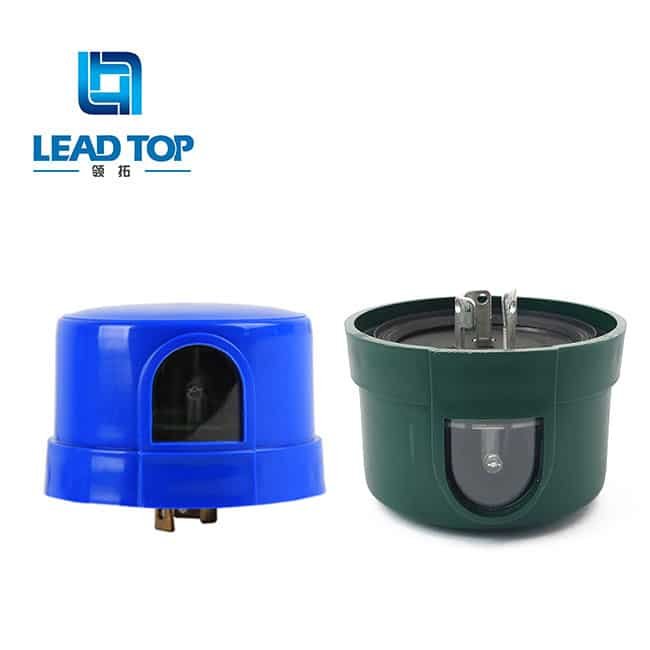
Diseñado para una vida útil prolongada y un rendimiento de conmutación fiable.
Portalámparas fotocontrolado LT655

Ofrece instalación conforme a la norma ANSI y mantenimiento simplificado.
Mejores aplicaciones
- Alumbrado público municipal
- Iluminación de carreteras
- Iluminación del estacionamiento
- proyectos de infraestructura pública
- programas de modernización con tecnología LED
Por qué esta combinación ayuda a reducir costos
Larga vida útil
Reduce la frecuencia de reemplazo y los gastos de mantenimiento.
Reemplazo sencillo en el campo
Reduce las visitas de servicio y los costos laborales.
Alta resistencia a sobretensiones
Mejora la fiabilidad en condiciones exteriores adversas.
Compatibilidad con ANSI C136.10
Apoya la estandarización de los procesos de adquisición.
Menor costo total de propiedad
Ayuda a las ciudades a lograr una estabilidad presupuestaria duradera.
Conclusión
Los sistemas de alumbrado público tradicionales suelen generar gastos ocultos debido al consumo excesivo de energía, las necesidades de mantenimiento recurrentes y los mayores costos a lo largo de su vida útil. Al invertir en alumbrado público inteligente, sistemas de fotocontrol duraderos y sistemas estandarizados de control de iluminación exterior, los municipios pueden mejorar considerablemente la eficiencia y reducir el gasto total.
Los proyectos de modernización más exitosos demuestran que reducir los costos del alumbrado público no se trata simplemente de disminuir el consumo de electricidad. Requiere un enfoque integral centrado en la confiabilidad, el mantenimiento, la estandarización de la infraestructura y la generación de valor a largo plazo.
Los municipios que opten hoy por un alumbrado público energéticamente eficiente estarán en mejores condiciones para lograr un mejor desempeño fiscal, una mayor satisfacción pública y una mayor sostenibilidad de la infraestructura durante las próximas décadas.
Llamada a la acción:
Lead-Top se especializa en Normas ANSI-Fotocontroles, componentes de control de iluminación y soluciones de iluminación exterior que cumplen con las normativas y en las que confían ciudades, proveedores y fabricantes de iluminación de todo el mundo.
Contacta con el Punta de plomo Póngase en contacto con nuestro equipo para hablar sobre los requisitos de su proyecto, solicitar recomendaciones técnicas o recibir una propuesta de solución personalizada.
Referencias:
- https://leaditop.com/product-2/
- https://en.wikipedia.org/wiki/American_National_Standards_Institute
- https://leaditop.com/product/outdoor-automatic-daylight-sensor-switch-for-led-light/
- https://leaditop.com/product/outdoor-twilight-switch-photocell-sensor-switch-photocell-daylight-sensor-switch-dusk-to-dawn-sensor-switch/
- https://en.wikipedia.org/wiki/Return_on_investment




 English
 Portuguese (Brazil)
 Spanish
 Russian
 Dutch
Dutch Japanese
 Portuguese (Portugal)