¿Por qué la IA se está convirtiendo en parte de la infraestructura urbana cotidiana?
Hoy en día, la IA forma parte de la vida urbana cotidiana, inteligencia artificial Ya no se limita a empresas tecnológicas, laboratorios de investigación o conceptos futuristas. Para mejorar la eficiencia, reducir los costos operativos y respaldar los objetivos de sostenibilidad a largo plazo, los municipios de todo el mundo están invirtiendo en infraestructura digital.
El concepto de ciudades controladas por IA se está convirtiendo en realidad. En lugar de operar mediante sistemas aislados, se espera que los municipios del futuro funcionen como entornos interconectados donde los datos fluyan constantemente entre sensores, redes de comunicación y plataformas de gestión.
Sin embargo, el desarrollo tecnológico por sí solo no garantiza el éxito. Si bien los gobiernos y los urbanistas pueden adoptar la automatización, la pregunta fundamental sigue siendo: ¿confiarán los ciudadanos en ella?
Dado que la ciudadanía desea calles más seguras, menor consumo energético y mejores servicios públicos, el consentimiento público se ha convertido en uno de los factores más importantes que influyen en el futuro del desarrollo de las ciudades inteligentes. Al mismo tiempo, también exigen transparencia, privacidad y la certeza de que la tecnología se utiliza de forma responsable.
¿Cómo se está introduciendo silenciosamente la IA en la infraestructura urbana?
Los municipios modernos utilizan progresivamente sistemas inteligentes para brindar apoyo a:
- Optimización de señales de tráfico
- Horarios del transporte público
- gestión de la distribución de energía
- Planificación de la recogida de residuos
- Monitoreo ecológico
- Mantenimiento de infraestructura
Estos sistemas recopilan y examinan datos constantemente para mejorar la toma de decisiones y la eficiencia operativa.
Por ejemplo, los sistemas de tráfico basados en IA pueden monitorear los patrones de congestión y ajustar automáticamente la sincronización de los semáforos para reducir las demoras. Las compañías eléctricas pueden identificar patrones de consumo energético anómalos y optimizar la distribución de energía en consecuencia.
Esta forma de automatización urbana permite a los municipios responder con mayor rapidez a las condiciones cambiantes simplemente reduciendo los gastos operativos.
A medida que avanza la tecnología, se espera que la IA se convierta en un componente cada vez más importante de la infraestructura inteligente, dando soporte a todo, desde el transporte y los servicios públicos hasta la seguridad pública y la sostenibilidad ecológica.

¿Cómo utilizan ya los sistemas de iluminación inteligente la tecnología de sensores automatizados?
Si bien la IA suele centrarse en tecnologías futuristas, los sistemas de iluminación automatizados llevan años funcionando con éxito.
El sensor de amanecer/anochecer es el mejor ejemplo, ya que enciende automáticamente las farolas cuando la luz ambiental cae por debajo de un umbral preestablecido y las apaga cuando vuelve la luz del día.
Para monitorizar constantemente las condiciones de iluminación ecológica, estos sistemas utilizan un sensor fotoeléctrico para las luces exteriores.
Sin necesidad de intervención física, fotocélulas oferta:
- Funcionamiento automático de la iluminación
- Reducción del consumo de electricidad
- Iluminación uniforme
- Menores requisitos de mantenimiento
Los sistemas basados en fotocélulas se encuentran entre las primeras formas de automatización práctica de infraestructuras.
En consecuencia, la fotocélula tradicional está pasando de ser un simple dispositivo de conmutación a un componente clave de la infraestructura urbana conectada.
¿Puede la iluminación controlada por IA mejorar la vida urbana?
Los defensores del desarrollo de ciudades inteligentes suelen señalar la iluminación como una de las formas de automatización más eficientes y reconocidas públicamente.
El alumbrado público afecta directamente a:
- Seguridad pública
- Visibilidad del tráfico
- consumo de energía
- Costos operativos municipales
Los sistemas de iluminación mejorados con IA pueden mejorar estos resultados al reaccionar dinámicamente a situaciones del mundo real.
Por ejemplo, las tecnologías de iluminación adaptativa pueden ajustar robóticamente los niveles de iluminación en función de:
- Densidad de tráfico
- Movimiento de peatones
- Situaciones meteorológicas
- hora del día
- Eventos especiales
Los sistemas de iluminación pueden proporcionar luz de forma precisa cuando y donde se necesita, en lugar de funcionar a máxima intensidad durante toda la noche.
Entre los beneficios de la iluminación con inteligencia artificial se incluyen:
- Mejor visibilidad en la carretera
- Menor consumo de energía
- Menores costos de mantenimiento
- Mejora del rendimiento de la infraestructura
- Mejores resultados en materia de sostenibilidad
¿Cuáles son las ventajas de la iluminación exterior inteligente?
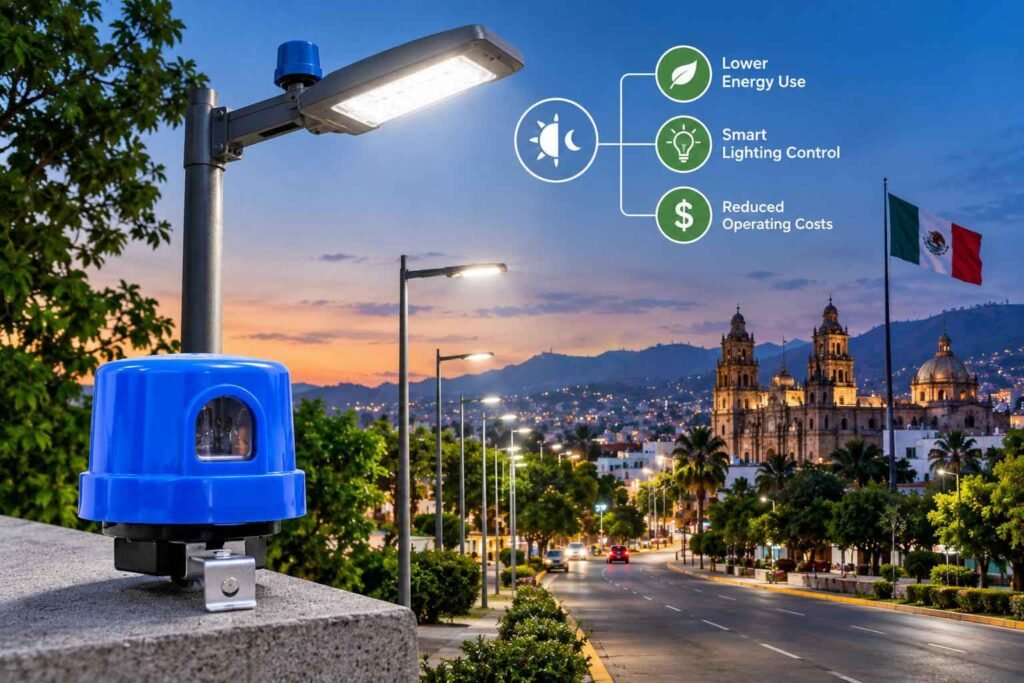
La iluminación inteligente ofrece ventajas que van más allá del ahorro energético.
Un componente clave es el mejor sensor exterior del anochecer al amanecer, que garantiza que los sistemas de iluminación funcionen de forma constante y precisa, independientemente de las variaciones estacionales de la luz diurna.
Los sistemas de iluminación inteligente contemporáneos suelen incorporar tecnologías avanzadas de sensores de luz fotoeléctricos para exteriores que ofrecen un funcionamiento fiable en diversas situaciones ecológicas.
Beneficios importantes de la iluminación exterior inteligente
| Beneficio | Impacto en la infraestructura municipal |
| Eficiencia energética | Disminuye el consumo innecesario de electricidad. |
| Funcionamiento automático | Elimina los requisitos de conmutación que requieren mucha mano de obra. |
| Seguridad mejorada | Mantiene una visibilidad nocturna constante. |
| Menor mantenimiento | Disminuye las llamadas de servicio y los costos laborales. |
| Apoyo a la sostenibilidad | Ayuda a alcanzar los objetivos ecológicos. |
| Fiabilidad operativa | Mejora el rendimiento del sistema a largo plazo. |
Más allá de sus ventajas funcionales, la iluminación inteligente también sirve de base para futuras aplicaciones en ciudades inteligentes.
¿Cuáles son las configuraciones de iluminación recomendadas para la automatización urbana inteligente?
Solución de modernización de iluminación inteligente rentable
Para las ciudades que inician su proceso de modernización, una solución rentable puede ofrecer beneficios inmediatos sin necesidad de una inversión significativa en infraestructura.
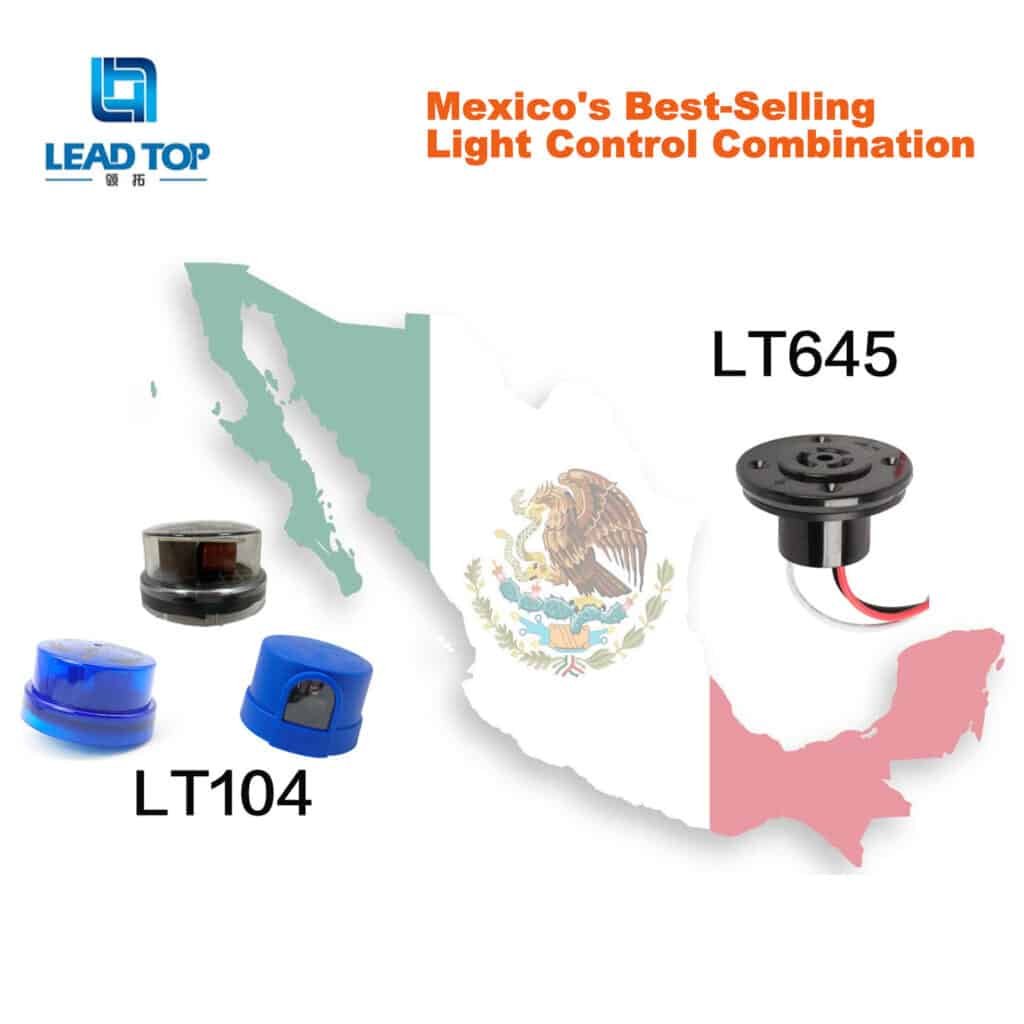
Combinación recomendada
Fotocontrol electrónico de bajo costo LT104 + receptáculo de montaje NEMA LT645 / LT645B
Mejor para
- proyectos metropolitanos sudamericanos
- Reformas urbanas con presupuesto ajustado
- programas de modernización con tecnología LED
Beneficios clave
- Fácil despliegue
- Funcionamiento fiable desde el anochecer hasta el amanecer.
- Normas ANSI compatibilidad
- Bajos costes operativos
Solución de alumbrado público de larga duración
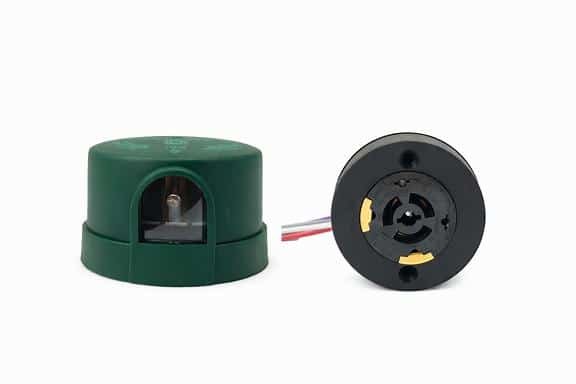
Para proyectos de mayor envergadura, donde la fiabilidad y la reducción del mantenimiento son primordiales, los sistemas de fotocontrol de larga duración ofrecen un mayor valor.
Combinación recomendada
Mejor para
- sistemas de carreteras públicas
- Infraestructura de las zonas de aparcamiento
- Entornos con altos costos de mantenimiento
Beneficios clave
- Mayor vida útil del relé
- Defensa contra corrientes de alta irrupción
- Instalación flexible
- Rendimiento duradero en exteriores
Comparación de soluciones recomendadas
| Característica | LT104 + LT645 | LT134 + LT605R |
| Tamaño del proyecto | De pequeño a mediano | De mediano a grande |
| Inversión inicial | Más bajo | Más alto |
| Vida útil | Estándar | Extendido |
| Protección contra sobretensiones | Básico | Mejorado |
| Flexibilidad de instalación | Bien | Excelente |
| Ahorros en mantenimiento a largo plazo | Moderado | Alto |
¿Por qué la privacidad es una de las mayores preocupaciones de las ciudades inteligentes?
A pesar de los beneficios potenciales de las ciudades controladas por IA, las preocupaciones públicas siguen siendo importantes.
Muchas personas apoyan la mejora del rendimiento de las infraestructuras, pero se muestran cautelosas respecto a cómo la tecnología recopila y utiliza la información.
Entre las preocupaciones más comunes se incluyen:
- Privacidad de datos
- Capacidades de vigilancia
- Transparencia
- Riesgos de ciberseguridad
- Responsabilidad
Estas preocupaciones son lógicas y requieren una cuidadosa consideración.
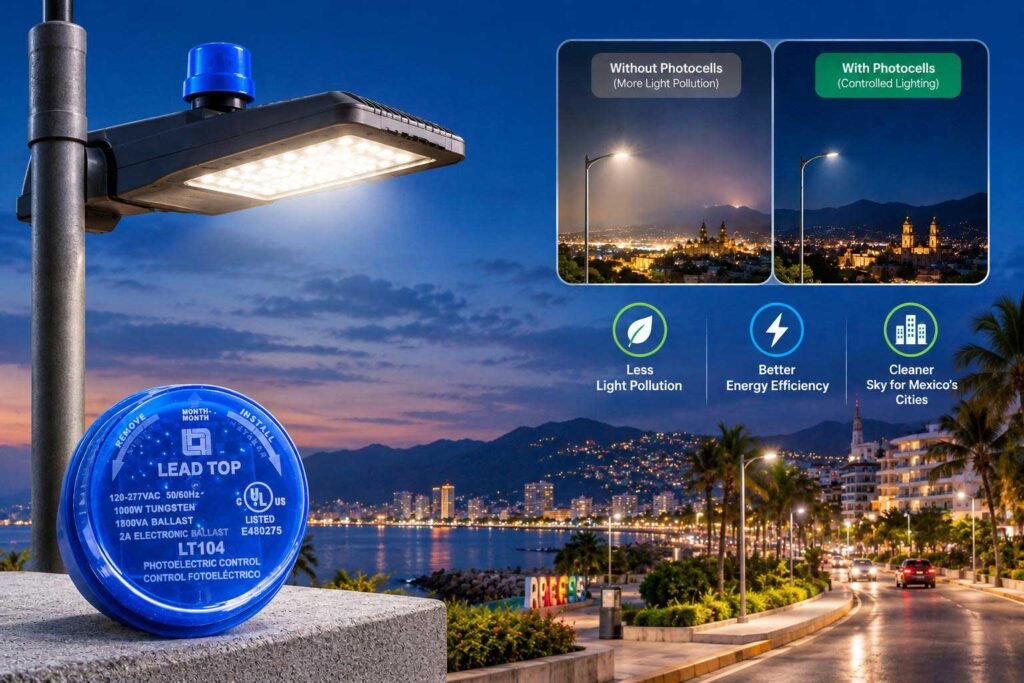
No toda la infraestructura inteligente implica la recopilación de datos personales. Por ejemplo, los sistemas de iluminación basados en fotocélulas miden principalmente los niveles de luz ambiental en lugar de información personal.
Sin embargo, a medida que los municipios implementan más tecnologías conectadas, mantener la confianza pública requiere transparencia en lo que respecta a:
- ¿Qué datos se recopilan?
- Cómo se utilizan los datos
- ¿Quién tiene acceso a la información?
- Cómo se protegen los sistemas
¿Confiarán los ciudadanos en la infraestructura de IA en el futuro?
La confianza pública en la IA dependerá principalmente de cómo los municipios implementen y comuniquen los cambios tecnológicos.
Algunos factores pueden ayudar a generar confianza:
- Comunicación transparente
- Gestión responsable de datos
- Estrategias tecnológicas éticas
- Iniciativas de participación ciudadana
- Supervisión independiente
En esencia, la confianza se construye a través de las relaciones entre los gobiernos, los proveedores de infraestructura y las comunidades a las que sirven; no se construye únicamente a través de la tecnología.
Conclusión: ¿Lograrán las ciudades controladas por IA la aceptación pública?
El futuro de las ciudades controladas por IA dependerá de mucho más que la capacidad tecnológica. La confianza pública, la transparencia y el despliegue responsable desempeñarán un papel igualmente importante.
Mediante la automatización se pueden obtener beneficios prácticos sin alterar la vida cotidiana, y esto es precisamente lo que demuestran los sistemas de iluminación inteligente, que utilizan sensores fotoeléctricos para luces exteriores y sistemas de control innovadores.
Con la continua evolución de los municipios, las infraestructuras inteligentes, la automatización urbana y las soluciones de iluminación adaptativa contribuirán a mejorar la eficiencia, la sostenibilidad y la seguridad pública.
A medida que la tecnología se integra cada vez más en los municipios, el verdadero desafío es garantizar que los ciudadanos se sientan seguros, informados y cómodos.
Llamada a la acción:
Una iluminación inteligente y fiable comienza con sistemas de control fiables.
Las soluciones de fotocélulas inteligentes de Lead-Top ayudan a las ciudades, los proveedores y los profesionales de la iluminación a implementar sistemas de iluminación exterior automatizados y energéticamente eficientes, diseñados para un rendimiento duradero.



 Spanish
  English
  Portuguese (Brazil)
  Russian
  Dutch
Dutch  Japanese
  Portuguese (Portugal)