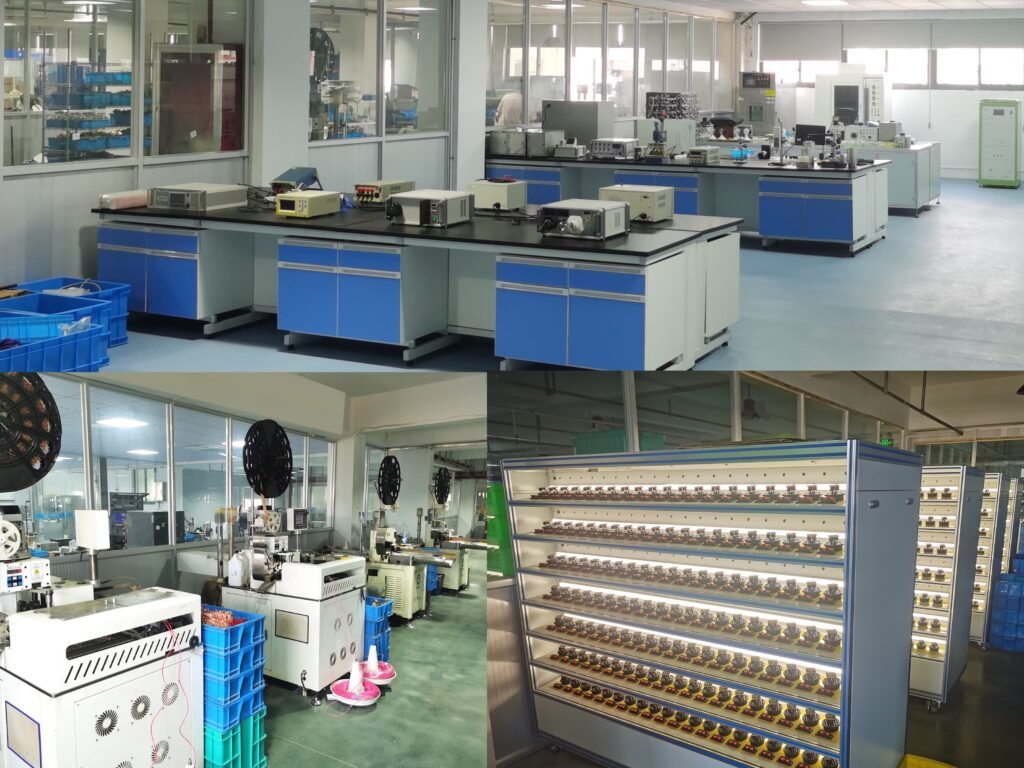
In laboratory conditions, almost every single photocell looks dependable. Controlled temperatures, unchanging voltage, clean power, and short test intervals make performance seems perfect. On the other hand, outdoor illumination control systems do not work in laboratories. They work on poles, rooftops, roads, and industrial places—constantly open to rain, ultraviolet radiation, temperature, cold, dirt, unsteady grids, and recurrent switching cycles.
That is why judging photocells only by factory examination reports offers an imperfect picture. The right measure of quality is how a product performs after 3 years, 5 years, 8 years, and further than in real-world fittings. Long-lasted performance is where actual belief is built—and where poor design selections are unsurprisingly exposed.
At Lead-Top Electrical, we track long-lasted field performance and design products precisely for lifespan dependability. This article explains what in reality happens to photocells over time and why our products continue to perform dependably long after first installation.

Why Is Year 3 the Hidden Battleground of Compatibility and Stability?
By the third year of working, most early-life catastrophes—normally known as “infant mortality”—have by this time occurred. These comprise manufacturing faults, soldering problems, or shipping impairment. As soon as these are removed, the actual and more subtle tests begin.
At this stage, catastrophes are hardly caused by clear component breakdowns. Instead, they are driven by system compatibility, electrical stress, and cumulative wear that only appears after thousands of working cycles.
How Do LED Drivers Become the “Invisible Killer” of Standard Photocells?
Contemporary LED luminaires depend severely on electronic drivers, and their quality differs considerably. Ill designed drivers can produce extraordinary inrush currents, switching spikes, and electrical uproar each time the luminaire turns on or off.
For standard photocells, the internal relay becomes the most susceptible component. Recurring exposure to severe switching situations can cause contact corrosion, pitting, or even welding. When this happens, luminaires may remain enduringly on or off, producing expensive upkeep problems.
To tackle this, Lead-Top uses automotive-grade relay components and subjects them to over 10,000 severe load-switching cycles during authentication. This guarantees that the relay mechanism remains constant even when join up with unpredictable or inferior-quality LED drivers, shielding system compatibility long after fitting.
Why Do Grid Fluctuations Matter More Than Most Specifications Suggest?
Voltage variability is common in actual electrical grids, particularly in developing counties, rural regions, and industrial sectors. While numerous photocells market wide voltage ranges—such as 120–277V auto-sensing—this figure single-handedly does not warranty long-lasted dependability.
Correct voltage resilience hinge on internal regulation, component tolerance, and circuit architecture. Devoid of strong design, lengthy exposure to uneven voltage can damage sensing accurateness, speed up component aging, and cause unpredictable switching behavior.
Lead-Top designs its photocells using industrial-grade voltage regulation circuits and high-tolerance components. This guarantees that the core sensing logic remains precise and constant with the time, averting early aging and erratic operation during the critical third-year period.
Why Is Year 5 the Endurance Race of Materials and Sealing?
Five years of outdoor experience marks a turning point for numerous photocells. At this time, material quality becomes evidently perceptible. Housings may fade, crack, or lose structural forte, whereas inner moistness ingress may initiate to compromise electronics.
This stage splits products designed for appearance from those engineered for endurance.
How Does UV Radiation Expose Weak Housing Materials Over Time?
Ultraviolet radiation is one of the most damaging forces in outside environs. Standard ABS plastics, normally used in low-cost photocells, damage under extended UV exposure. Over time, they become pale, stiff, and prone to cracking, which compromises both mechanical defense and sealing.
Lead-Top uses UV-resistant modified Polycarbonate (PC) for photocell housings. This material upholds its mechanical forte, surface veracity, and defensive function even after years of constant sunlight exposure. As a result, housings stay undamaged and defensive well further than the five-year mark.
Why Is IP67 Protection a Long-Term Defense, Not a One-Time Certificate?
Ingress defense ratings are every so often misinterpreted as static certifications. In actuality, IP performance is tried daily in the field. Temperature variations cause internal air expansion and shrinkage, a phenomenon known as the “breathing effect.” Below par sealed products slowly draw moistness inside, leading to erosion and ultimate catastrophe.
Lead-Top’s IP67 fortification is attained through ultrasonic welding or high-grade silicone gasket systems, guaranteeing long-lasted sealing permanency. This design averts moistness ingress all through seasonal temperature cycles, keeping internal circuitry dry and erosion-free for the whole service life.
What Changes After Year 8 and Why Does Over-Engineering & Warranty Confidence Matter?
By the eighth year, expectations change. The question is no more whether the photocell still works, but whether it continues to function with the same accuracy and consistency as when it was first mounted.
This level of permanency does not take place by accident. It is the outcome of thoughtful over-engineering and conservative design margins.
Managing Sensor Degradation
The light sensor is the “eye” of the photocell, and like all sensing elements, it come across ongoing aging. Over lengthy periods, sensitivity drift can occur, leading to incorrect dusk/dawn switching points.
Lead-Top curtails this influence through particular circuit calibration, sensor screening, and constant reference design. The outcome is insignificant sensitivity drift, permitting the photocell to uphold perfect switching behavior well beyond eight years of working.
The “Life Clock” of Capacitors
Electrolytic capacitors are every so often the main lifespan-limiting components in power electronics. Standard capacitors rated for 85°C worsen considerably earlier under constant outdoor thermal stress.
To counter this, Lead-Top solely uses 105°C-rated high-temperature, long-life capacitors, functioned well underneath their maximum limits. This conservative methodology melodramatically prolongs capacitor lifecycle, guaranteeing constant power regulation far beyond the typical warranty period.
Warranty as a Measure of Confidence
Prolonged warranties are not advertising mottoes—they are risk calculations. Proposing an 8-year or 10-year warranty means accepting long-lasted responsibility for product performance under real circumstances.
Lead-Top’s prolonged warranties are based on authorized material choices, conservative electrical design, and long-lasted testing data. In result, the warranty signifies a contractual transference of risk from the buyer to the producer.
For EPC contractors, municipalities, and lighting operators, this translates into predictable performance, reduced maintenance planning, and lower total cost of ownership.
Time is the eventual test of quality
Time exposes every design compromise. Feeble materials degrade. Marginal components flop. Insufficient sealing permits moistness to creep in. Only products made with lifespan performance in mind remain to perform dependably year after year.
The value of a Lead-Top photocell is demonstrated through:
| Service Year | Key Performance Indicator | Demonstrated Value |
| Year 3 | System compatibility and electrical constancy | Dependable switching with LED drivers and constant grid operation |
| Year 5 | Housing reliability and waterproof sealing | UV-resistant, sealed enclosure with no humidity admission |
| Year 8+ | Sensor accurateness and electrical consistency | Accurate dusk/dawn control supported by long-lasted warranty |
What Does Choosing Lead-Top Ultimately Mean for Long-Term Projects?

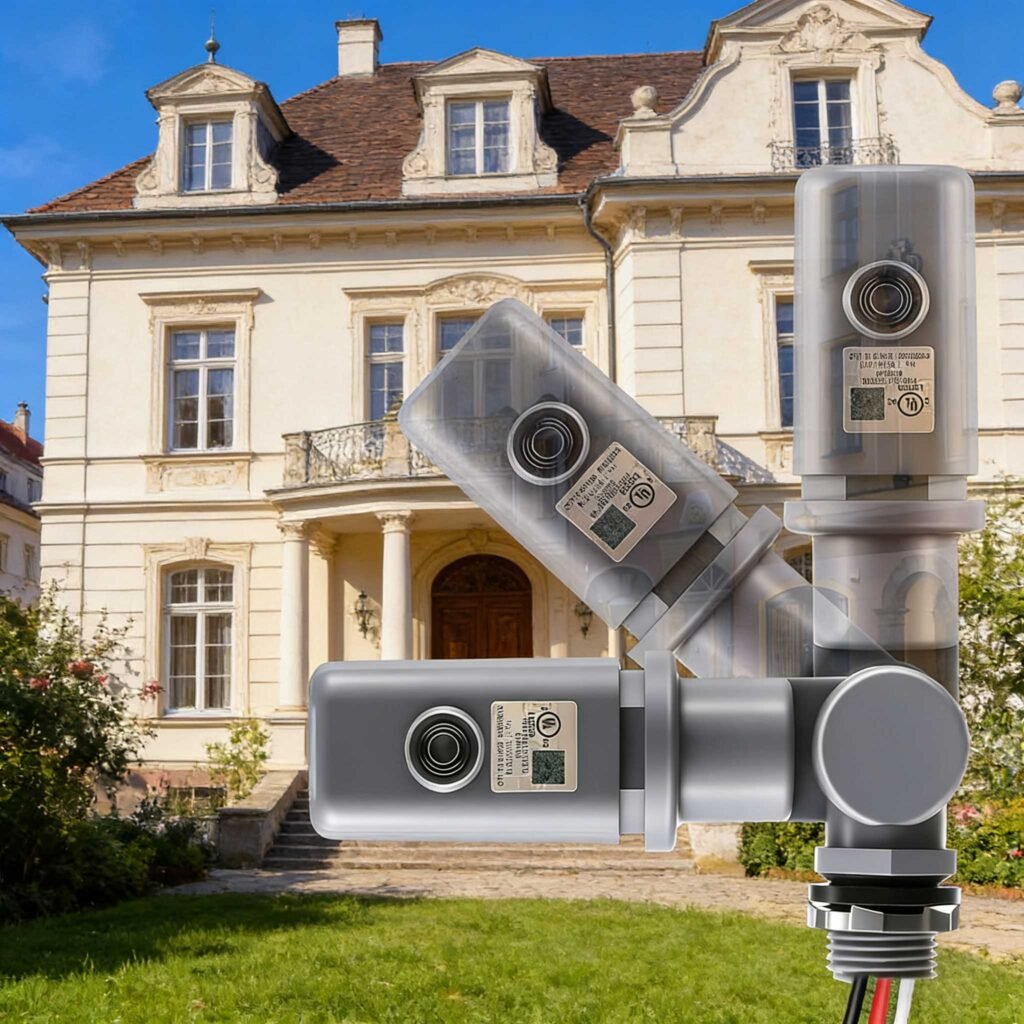
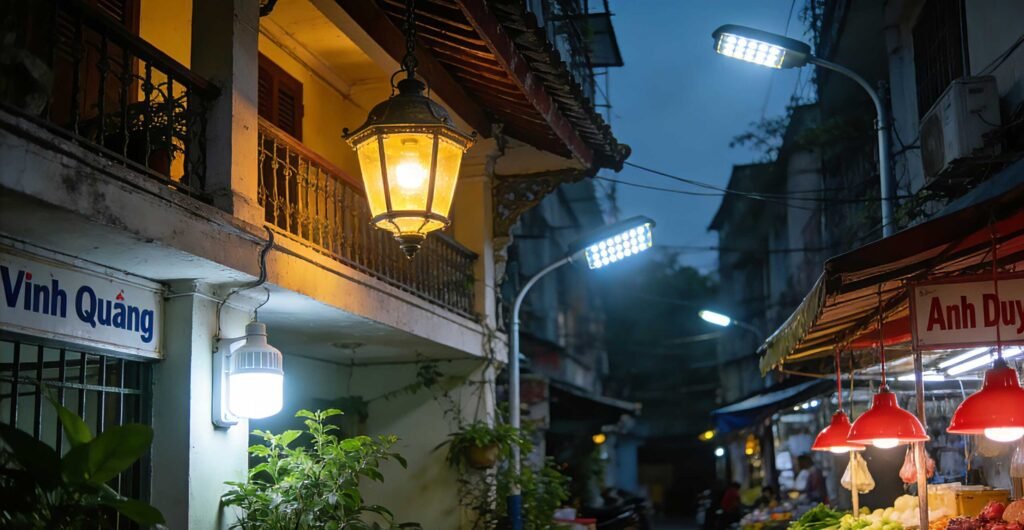
Selecting Lead-Top means choosing predictability. It means investing in photocells designed not just to pass tests, but to perform consistently over time—on the pole, in the rain, under unstable grids, and through years of environmental stress.
| Project Reality | Lead-Top Design Focus | Resulting Benefit |
| Long-term outdoor exposure | Weather-resistant materials and sealed construction | Consistent performance in rain, heat, and UV |
| Unstable power grids | Robust voltage regulation and component tolerance | Reliable operation without erratic switching |
| Continuous field operation | Lifecycle-tested electrical and mechanical design | Predictable performance year after year |
| Limited maintenance access | High durability and extended warranty support | Reduced maintenance risk and total cost of ownership |
When evaluated through the dimension of time, quality becomes unmistakable. And in outdoor lighting, time is the only metric that truly matters.
Reliable photocells engineered for real-world performance—year after year.


 English
  Portuguese (Brazil)
  Spanish
  Russian
  Dutch
Dutch  Japanese
  Portuguese (Portugal)