Contemporary outdoor illumination systems need automation, resilience, and dependability. Metropolises, commercial facilities, and infrastructure supervisors more and more depend on automatic illumination control technologies to certify that lights operate only when needed. Among the most effective solutions used in modern illumination systems is the wire-in button photocell, a compact sensor that robotically turns lights on at sunset and off at dawning.
The LT310T Series wire-in thermal type photo control is specially made for incorporation inside luminaires, providing constant performance even under demanding ecological settings. This type of photocell plays an significant part in improving proficiency, decreasing maintenance costs, and increasing the lifecycle of illumination systems used in streets, parking lots, and commercial facilities.
This article explains how a wire-in button photocell improves illumination control across numerous applications, including LED street illumination, parking lot illumination, wall pack lighting, and OEM luminaire engineering.
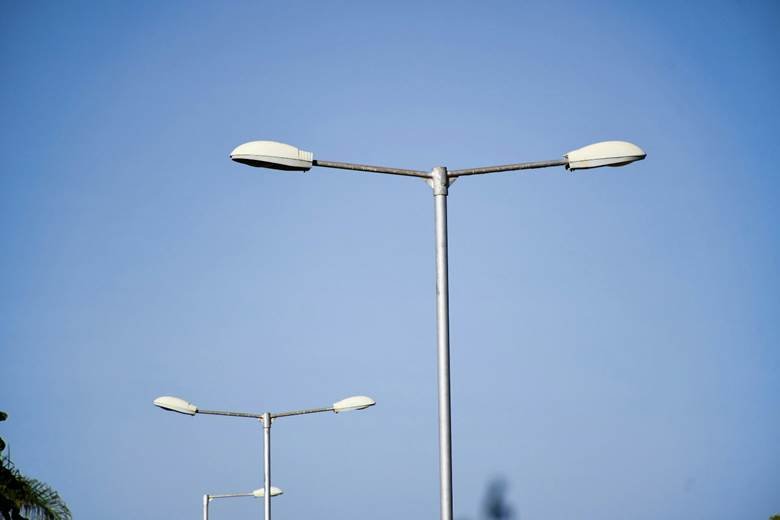
How Does the LT310T Series Wire-in Thermal Photo Control Work?
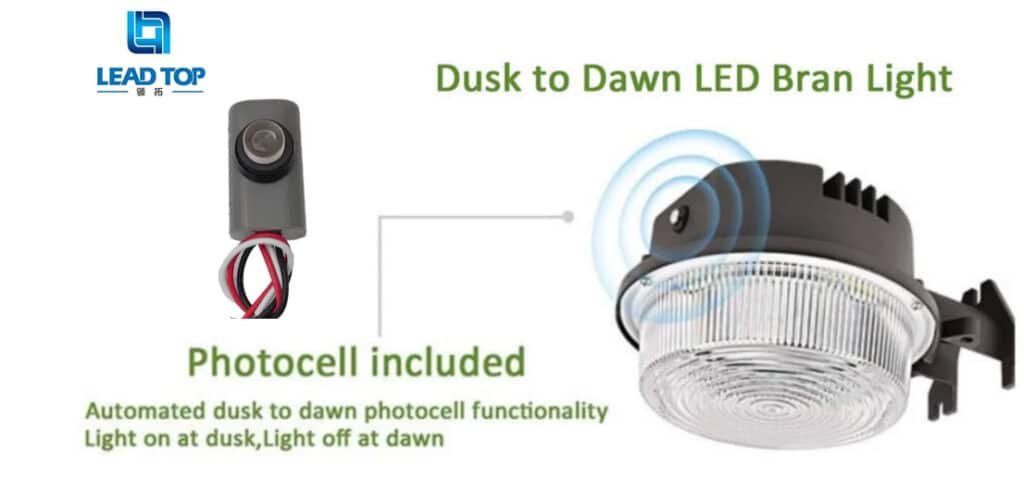
The LT310T Series wire-in thermal type photo control is manufactured for internal installation inside LED illumination fixtures. Dissimilar to external twist-lock photocells that mount on the top of luminaires, wire-in photocells are unified directly into the fixture during engineering.
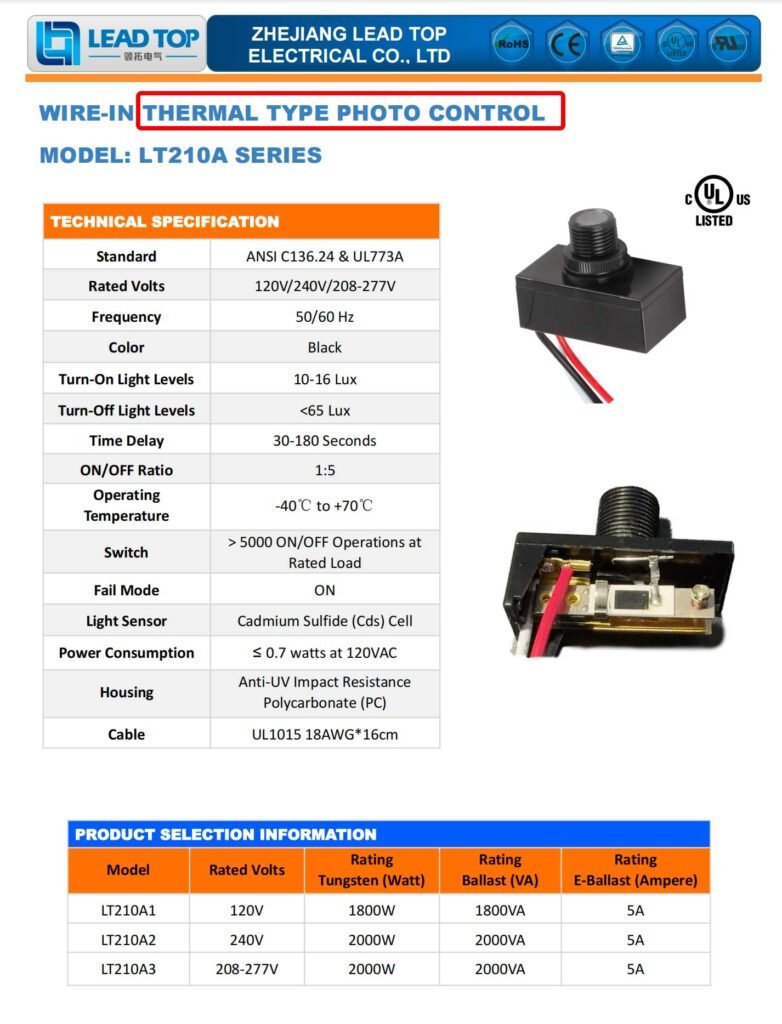
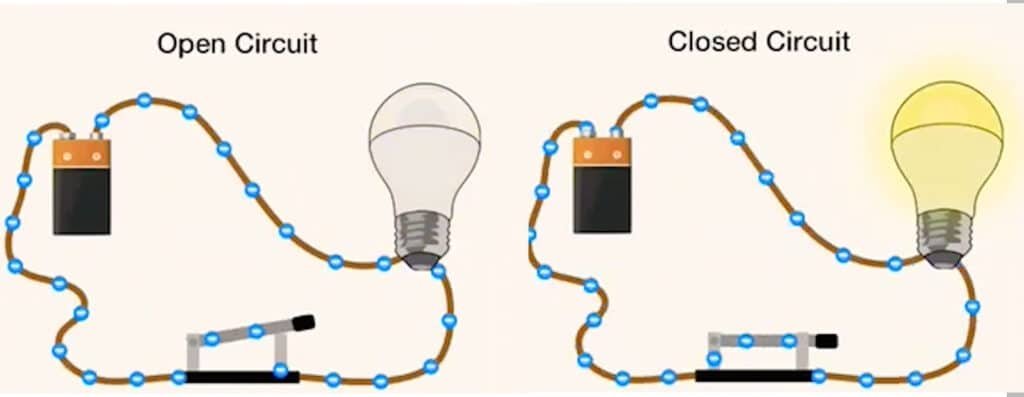
The device uses a light-sensitive sensor that senses environmental glare. When the neighboring lighting falls below the preset level—typically around 10–16 Lux—the internal switching mechanism initiates the illumination circuit. When sunshine returns and the lighting rises above the threshold, the device disconnects the power supply.
This design offers numerous operative benefits. The 120–277V wide voltage compatibility permits the photocell to function across different electrical systems normally used in North American illumination infrastructure. The high load capacity of up to 8A (1000W / 1800VA) allows the device to control contemporary LED drivers as well as old-style HID fixtures.
Furthermore, the photocell is manufactured to work within thrilling temperature range of -40℃ to +70℃, guaranteeing trustworthy performance in both very cold and very hot weathers. With a switching lifecycle above 10,000 ON/OFF cycles, the device delivers long-lasted working constancy for outdoor illumination installations.
Why Are Wire-in Button Photocells Ideal for LED Street Lighting?
Street lighting systems are amongst the most important components of metropolitan infrastructure. They must work dependably every night while enduring severe ecological circumstances such as rain, dirt, heat, and icy temperatures.
The LT310T Series wire-in thermal photo control is mainly well suitable for LED street illumination applications because it meets firm performance standards, including ANSI C136.24 and Underwriters Laboratories UL773A accreditation necessities.
Numerous technical characteristics make this photocell appropriate for street illumination systems.
First, the wide voltage design (120–277V) permits the device to function within different municipal power grids without needing extra converters or electrical modifications. This simplifies installation and decreases compatibility problems during extensive illumination projects.
Second, the high load rating of up to 8A permits the photocell to handle the electrical demands of contemporary LED drivers and old-style illumination systems. Many street illumination fixtures function at relatively high power levels, and a dependable switching device is vital for long-lasted operation.
Third, the precise 10–16 Lux turn-on level guarantees that lights start at the suitable time during sunset.
Lastly, the photocell’s capability to operate within –40℃ to +70℃ temperature situations guarantees that it remains dependable in both northern and southern weathers. This widespread operating range makes the device appropriate for roadway installations across numerous geographic areas.
Because of these features, the LT310T Series is extensively applicable in:
- Civic street illumination systems
- Highway lighting projects
- Domestic roadway illumination networks
- Countryside illumination modernization programs


What Advantages Does Wire-in Photocell Technology Provide for Parking Lot Lighting?
Unlike residential illumination, parking lot illumination systems often work for lengthy periods and must maintain constant performance without false triggering.
One of the most valued features of the LT310T Series wire-in photocell is its built-in 3–15 second time delay. This delay averts the illumination system from responding to temporary flashes of light that could otherwise cause undesirable switching.
Numerous ecological factors can initiate false switching in outdoor illumination systems, including:
- Automobile headlights
- Lightning flashes
- Sudden light reflections from neighboring surfaces
Without a time delay, these temporary light sources might cause the photocell to switch the lights on and off recurrently. Such behavior can lessen the lifecycle of illumination equipment and create erratic lighting.
The integrated delay circuit guarantees that the photocell reacts only to constant changes in surrounding light conditions. Consequently, the illumination system functions smoothly without needless switching cycles.
Another significant feature is the availability of zero-cross switching models. Zero-cross technology decreases electrical stress when switching LED drivers by confirming that the electrical load is triggered at the moment when the AC waveform crosses zero voltage. This considerably decreases inrush current, which is one of the key causes of LED driver wear.
Why Is a Wire-in Button Photocell Effective for Wall Pack and Security Lighting?
One of the core challenges with wall pack lighting is restricted internal space inside the luminaire. Large control components can make fixture design difficult and decrease engineering proficiency.
The wire-in button photocell design tackles this matter by proposing a compact form factor that fits easily inside the luminaire housing. This internal installation improves both aesthetics and security.
The LT310T Series includes numerous design features that make it well suitable for these applications.
First, it uses UL1015 18AWG pre-wired cables, simplifying the installation process for fixture producers and electricians. Pre-wired connections decrease assembly time and guarantee trustworthy electrical connections.
Second, the photocell covering is made of anti-UV polycarbonate, which guards the device from longstanding ultraviolet exposure. This is particularly significant for outdoor illumination fittings that stay under nonstop sunshine for prolonged periods.
Third, the device features low power consumption (≤0.7W). This helps to decrease general energy usage while still upholding dependable and constant working.
Compared with external twist-lock photocells, built-in wire-in photocells offer some extra benefits:
- Improved anti-theft defense
- Cleaner luminaire appearance
- Improved integration with fixture design
- Abridged exposure to ecological damage
How Do OEM Luminaire Manufacturers Benefit from Wire-in Photocell Integration?
The LT310T Series wire-in thermal photocell supports numerous options that make it appropriate for OEM integration.
First, the product is available with multiple current ratings, comprising 2A, 5A, and 8A models. This permits producers to choice the suitable version depending on the power requirements of their illumination fixture.
Second, optional zero-cross switching technology can be included to defend LED drivers and improve electrical constancy.
Third, the photocell supports selectable fail modes, including Fail-On and Fail-Off configurations. These options determine how the illumination system behaves if the photocell flops, permitting producers to select the safest configuration for their application.
Lastly, the product supports UL listed accreditation, which is important for illumination products sold in North American markets.
Because of these features, the LT310T Series can be integrated into a wide range of illumination products, including:
- LED street lights
- Shoebox illumination fixtures
- Canopy lights used in gas stations
- Flood lights for outdoor lighting
Conclusion
A wire-in button photocell offers a trustworthy and lucrative solution for automatic outdoor illumination control. By providing extensive voltage compatibility, high load capacity, and constant thermal performance, the LT310T Series supports a wide range of LED illumination applications, comprising street illumination, parking lot illumination, wall pack fixtures, and OEM luminaire engineering.
With resilient construction, accurate twilight detection, and elongated switching life, this type of photocell helps improve energy proficiency while decreasing maintenance expenditures.
Lead-Top Electrical Co., Ltd. carries more than 10 years of experience in the photo control industry, operating an 8,000㎡ manufacturing facility dedicated to dependable and licensed illumination control products. The company’s portfolio comprises wire-in photocell controllers, NEMA twist-lock photocells, NEMA connectors, and Zhaga-based lighting solutions, supporting public infrastructure projects, wholesale distribution, and international illumination producers.
Top of Form
References:
- https://leaditop.com/product-category/product/wire-in-controllers/
- https://leaditop.com/product/low-voltage-landscape-lighting-portfolio-transformer-photocell/
- https://en.wikipedia.org/wiki/American_National_Standards_Institute
- https://leaditop.com/product-category/product/wire-in-controllers/button-photocell/
- https://leaditop.com/twist-lock-photocontrollers/
- https://en.wikipedia.org/wiki/Zhaga_Consortium


 English
  Portuguese (Brazil)
  Spanish
  Russian
  Dutch
Dutch  Japanese
  Portuguese (Portugal)