Gemeenten over de hele wereld transformeren zich in hoog tempo naar datagestuurde omgevingen. Door middel van sensoren, communicatienetwerken, cloudplatforms en kunstmatige intelligentie worden ouderwetse infrastructuursystemen die ooit autonoom functioneerden, nu met elkaar verbonden.
Deze ontwikkeling verandert de rol van het slimme verlichtingsplatform in hedendaagse gemeenten. Straatverlichtingsnetwerken functioneren nu als communicatielagen, sensorplatforms en operationele intelligentiesystemen die uitgebreide slimme stadsomgevingen ondersteunen.
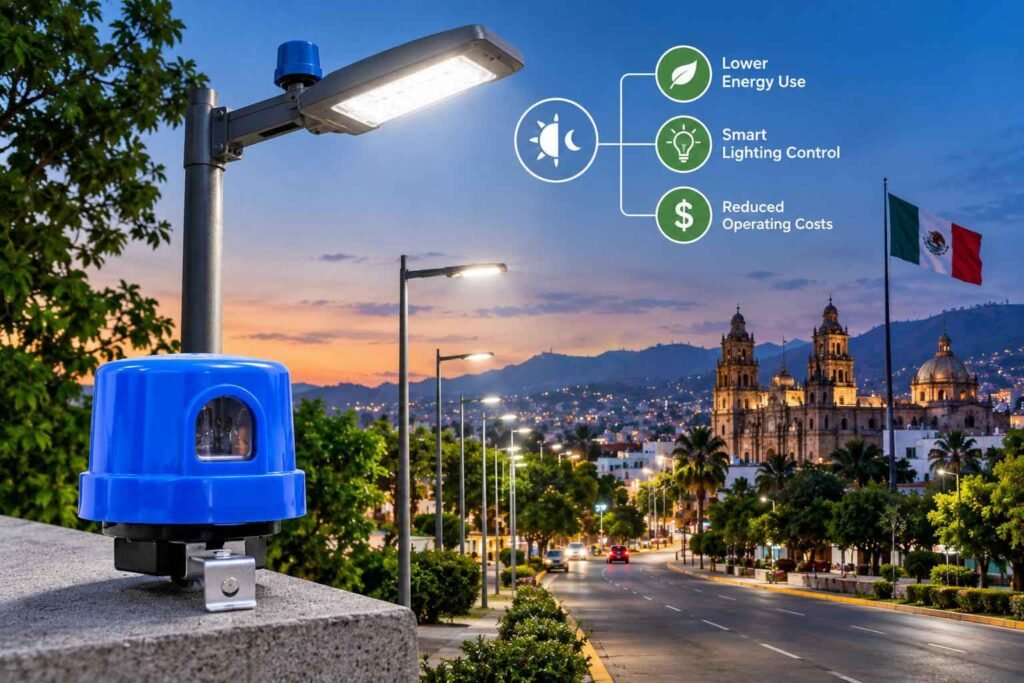
Centraal in deze omslag staat de evolutie van de elektrische fotocel en de slimme fotoceltechnologie voor lichtregeling. Ooit beschouwd als eenvoudige schemerschakelaars, zijn moderne fotocellen uitgegroeid tot geavanceerde technologieën. fotocellen worden nu slimme sensoren die de verbonden stedelijke infrastructuur ondersteunen.
Naarmate gemeenten blijven investeren in IoT- en AI-technologieën voor stedelijke verlichtingssystemen, ontwikkelt de infrastructuur voor slimme verlichting zich tot een van de grootste gedistribueerde stedelijke dataplatformen ter wereld.
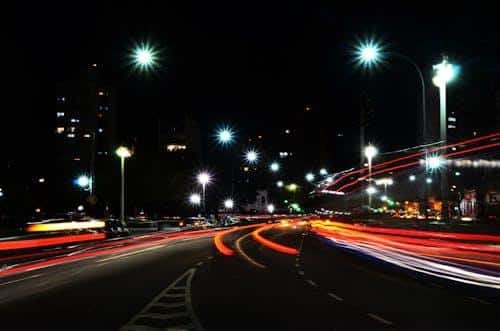
Waarom gaat slimme verlichting verder dan alleen verlichting?
Zorgen voor goede zichtbaarheid 's nachts: Decennialang hadden openbare verlichtingssystemen één hoofddoel. Tegenwoordig stellen gemeenten echter veel hogere eisen aan hun infrastructuur.
Stedelijke overheden staan voor steeds grotere uitdagingen met betrekking tot:
- Energieverbruik
- Filevorming
- Openbare veiligheid
- Infrastructuuronderhoud
- Ecologische monitoring
- Schaalbaarheid van slimme steden
Om deze uitdagingen aan te pakken, investeren gemeenten steeds meer in verbonden infrastructuursystemen die operationele gegevens kunnen verzamelen en verwerken.
Hoe verandert de infrastructuur van slimme steden?
Moderne slimme stadsinfrastructuren zijn sterk afhankelijk van onderling verbonden systemen die continu met elkaar communiceren.
Voorbeelden hiervan zijn:
- Slimme transportnetwerken
- Slimme verkeerssystemen
- Aangesloten nutsbeheer
- AI-gestuurde monitoringsystemen
- Adaptieve publieke diensten
De infrastructuur voor straatverlichting wordt een van de belangrijkste onderdelen van deze digitale vernieuwing, omdat verlichtingssystemen al in stedelijke omgevingen aanwezig zijn.
Lantaarnpalen bieden:
- Elektrische aansluiting
- Uitgebreide geografische dekking
- Verhoogde montage van apparatuur
- Ononderbroken werking
Waarom worden verlichtingssystemen communicatieknooppunten?
Moderne verlichtingssystemen ondersteunen steeds vaker:
- Draadloze communicatie
- IoT connectiviteit
- Sensorintegratie
- Cloudgebaseerd beheer
- Feitelijke monitoring
Hierdoor kunnen verlichtingsnetwerken als volgt functioneren:
- Communicatieknooppunten
- Infrastructuurbewakingssystemen
- Ecologische sensorplatforms
- AI-gestuurde infrastructuurlagen
Moderne slimme verlichtingssystemen werken niet autonoom, maar zijn geïntegreerd in centrale stadsbeheerplatformen.
Hoe maken elektrische fotocellen slimme verlichtingssystemen mogelijk?
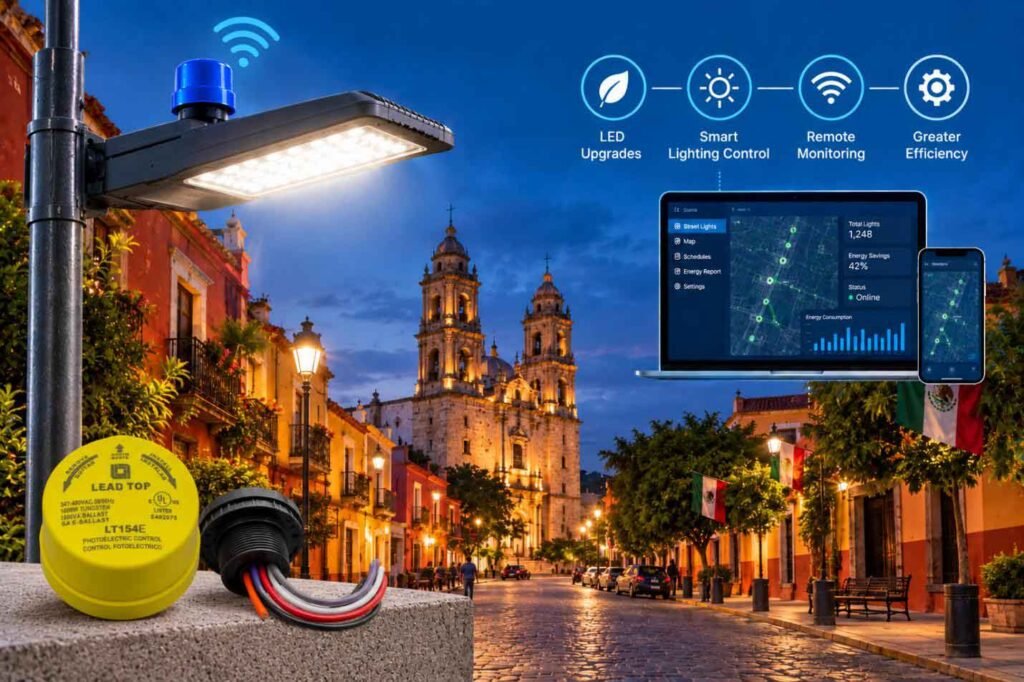
De moderne elektrische fotocel is niet langer beperkt tot een simpele aan/uit-functie. De slimme lichtregelsystemen met fotocellen van vandaag de dag worden belangrijke componenten in de infrastructuur voor verbonden verlichting.
Ouderwetse fotocellen werkten op basis van eenvoudige lichtdetectielogica:
- Schakel bij schemering in.
- Schakel bij zonsopgang UIT.
Welke functies ondersteunen moderne fotocellen?
Geavanceerde fotocelsensor-schakelsystemen voor buitengebruik bieden nu de volgende mogelijkheden:
- Adaptieve verlichtingsregeling
- Diagnose op afstand
- Communicatie-integratie
- Slimme dimsystemen
- Energieoptimalisatie
- Infrastructuurautomatisering
Adaptieve verlichting
Adaptieve verlichtingssystemen passen het verlichtingsgedrag automatisch aan op basis van de actuele omstandigheden, zoals:
- Verkeersbeweging
- voetgangersactiviteit
- Weersomstandigheden
- Tijdstip van de nacht
- Noodsituaties
Infrastructuurautomatisering
Automatisering verbetert de operationele efficiëntie in stedelijke gebieden aanzienlijk.
Moderne lichtregelsystemen met fotocellen helpen steden:
- Schaf handmatig schakelen af.
- Verminder operationele fouten
- Verbeter het energiebeheer.
- Lagere onderhoudsvereisten
- Verbeter de betrouwbaarheid van de infrastructuur.
Hoe worden buitenverlichtingssensoren dataverzamelpunten?
Moderne verlichtingsinfrastructuur ontwikkelt zich tot een van de meest waardevolle gedistribueerde sensornetwerken in slimme gemeenten.
De ouderwetse fotocelsensor voor buitenverlichting transformeert tot een multifunctioneel infrastructuurapparaat dat in staat is om daadwerkelijke operationele intelligentie te ondersteunen.
Moderne buitenlichtsensorsystemen met fotocellen kunnen de volgende functies ondersteunen:
- Verkeerspatroonanalyse
- Ecologische monitoring
- Energieverbruik bijhouden
- Infrastructuurdiagnostiek
- Rapportage van de operationele status
Deze informatie kan steden helpen om hun stedelijke processen efficiënter te maken.
Waarom heeft AI een slimme verlichtingsinfrastructuur nodig?
Kunstmatige intelligentie AI-systemen zijn sterk afhankelijk van dataverzameling. Zonder grootschalige sensornetwerken kunnen AI-systemen niet succesvol functioneren.
De verlichtingsinfrastructuur biedt een van de grootste en meest schaalbare gedistribueerde netwerken die beschikbaar zijn in moderne gemeenten.
AI-gestuurde verkeersoptimalisatie
AI-gestuurde stadsbeheersystemen analyseren gegevens van de verlichtingsinfrastructuur ter ondersteuning van:
- Verkeersoptimalisatie
- Infrastructuurbewaking
- Analyse van de openbare veiligheid
- Energiebeheer
- Voorspellend onderhoud
Aangesloten verlichtingssystemen genereren continu operationele informatie die AI-platforms in realtime kunnen verwerken.
Voorspellend onderhoud
Ouderwetse onderhoudssystemen reageren pas. Problemen worden pas aangepakt nadat er storingen optreden.
Op AI gebaseerde systemen kunnen het volgende voorspellen:
- Uitrusting dragen
- Mogelijke storingen
- Onderhoudsvereisten
- Onzekerheid over het vermogen
Dit helpt gemeenten:
- Verminder de uitvaltijd.
- Lagere onderhoudskosten
- Verbeter de betrouwbaarheid van de infrastructuur.
Realtime infrastructuurbeheer
Gecentraliseerde slimme stadsplatformen stellen beheerders in staat om duizenden verlichtingspunten tegelijkertijd te monitoren.
Voordelen zijn onder meer:
- Snellere foutdetectie
- Dynamische lichtregeling
- Verbeterde operationele bekwaamheid
- Lager energieverbruik
Welke slimme verlichting wordt aanbevolen? Configuraties voor AI-gestuurde infrastructuur?
Smart City DALI-verlichtingsoplossing
Aanbevolen combinatie

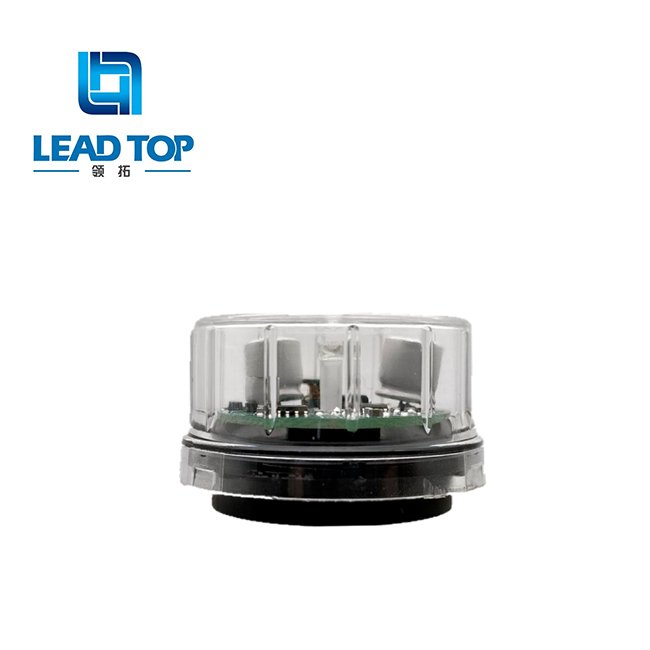
Beste toepassingen
- Europese smart city-projecten
- Adaptieve verlichtingssystemen
- Slimme paalinfrastructuur
- DALI-gebaseerde verbonden verlichting
Belangrijkste voordelen
| Functie | Voordeel |
| Naleving van Zhaga Boek 18 | Gestandaardiseerde slimme integratie |
| DALI smart control-ondersteuning | Geavanceerd digitaal lichtbeheer |
| Compact ontwerp, geschikt voor IoT | Eenvoudigere implementatie van slimme steden |
| Slimme infrastructuurcompatibiliteit | Ondersteunt toekomstige stedelijke uitbreiding |
| Modulaire architectuur | Vereenvoudigt onderhoud en upgrades. |
Positioneringsverklaring
Deze configuratie ondersteunt toekomstbestendige verlichtingsomgevingen die zijn ontworpen voor slimme stadsinfrastructuren.
Wegverlichtingsoplossing van infrastructuurkwaliteit
Aanbevolen combinatie

Beste toepassingen
- Gemeentelijke snelwegsystemen
- Slimme snelweginfrastructuur
- Uitgebreide stedelijke inzet
Belangrijkste voordelen
| Technische capaciteit | Infrastructuurvoordelen |
| ANSI-compatibiliteit | Ondersteunt gestandaardiseerde wegennetwerken. |
| Overspanningsbeveiliging | Verbetert de betrouwbaarheid buitenshuis |
| Slim stopcontact | Maakt toekomstige slimme upgrades mogelijk. |
| Betrouwbare prestaties buitenshuis | Stabiele werking op lange termijn |
| LED-compatibiliteit | Ondersteunt moderne wegverlichting |
Waarom is de toekomst van slimme verlichting verbonden met infrastructuur?
Toekomstige gemeenten zullen steeds meer integreren:
- Aangesloten verlichting
- Verkeersmanagementsystemen
- Ecologische monitoring
- Communicatienetwerken
- Slimme nutsvoorzieningen
- AI-gebaseerde operationele platforms
Verlichtingssystemen worden een essentieel onderdeel van deze transitie, omdat ze al een stadsbrede infrastructuurdekking bieden.
Wat is Urban IoT?
Stedelijke IoT Verwijst naar onderling verbonden infrastructuurapparaten die in staat zijn om feitelijke informatie uit te wisselen.
Voorbeelden hiervan zijn:
- Slimme verkeerssystemen
- Aangesloten snelwegverlichting
- Ecologische sensoren
- Slimme parkeersystemen
- AI-monitoringplatforms
Moderne slimme verlichtingssystemen worden steeds belangrijkere componenten binnen deze stedelijke IoT-omgevingen.
Welke technologieën zullen toekomstige verlichtingssystemen ondersteunen?
Toekomstige slimme verlichtingsinfrastructuur kan de volgende elementen integreren:
- Camera's
- Ecologische sensoren
- EV-laadsystemen
- Draadloze communicatieapparatuur
- Verkeersmonitoringssystemen
- Openbare wifi-platforms
Naarmate gemeenten steeds meer gebruikmaken van verbonden infrastructuur, zullen verlichtingsnetwerken in toenemende mate functioneren als multifunctionele stedelijke technologieplatformen.
Waarom zijn slimme fotocellen belangrijker dan ooit?
Moderne fotocellen zijn niet langer simpele schemerschakelaars. Het worden slimme infrastructuurcomponenten die het volgende ondersteunen:
- Energieoptimalisatie
- Infrastructuurautomatisering
- Sensorintegratie
- Schaalbaarheid van slimme steden
- Langdurige operationele betrouwbaarheid
Betrouwbaarheid van de infrastructuur
Geavanceerde fotocelsystemen helpen gemeenten:
- Voorkom onbedoeld schakelen.
- Verbeter de consistentie van de verlichting
- Shelter LED-drivers
- Verminder operationele storingen
Energiebesparing
De verlichtingsinfrastructuur vormt een belangrijk deel van het energieverbruik van gemeenten.
Slimme fotocellen helpen afval te verminderen door:
- Correcte daglichtdetectie
- Adaptief dimmen
- Intelligente planning
- Dynamische lichtregeling
Langetermijnvermindering van onderhoudskosten
Aangesloten verlichtingssystemen ondersteunen:
- Voorspellend onderhoud
- Diagnose op afstand
- Geautomatiseerde foutdetectie
- Snellere servicereactie
Conclusie
Slimme verlichtingssystemen ontwikkelen zich snel tot digitale infrastructuurplatforms die geschikt zijn voor door AI aangedreven stadsbeheer.
Moderne verlichtingsnetwerken zijn niet langer passieve systemen die zich uitsluitend op verlichting richten. Het worden slimme infrastructuurlagen die ondersteuning bieden voor:
- Gegevensverzameling
- Infrastructuurautomatisering
- Energieoptimalisatie
- Voorspellend onderhoud
- Verbonden stedelijke systemen
- AI-gestuurd operationeel beheer
De ontwikkeling van elektrische fotocellen, buitensensoren met fotocellen en slimme lichtregelingstechnologieën met fotocellen laat zien hoe ouderwetse infrastructuurcomponenten aan het veranderen zijn.
CTA
Ontdek slimme fotocel- en Zhaga-compatibele oplossingen voor lichtregeling, speciaal ontworpen voor verbonden stedelijke infrastructuur en de implementatie van slimme steden in de toekomst. Neem contact op met Lead-Top voor deskundig advies over het bouwen van een AI-gestuurde, slimme lichtinfrastructuur.
Referenties:
- https://leaditop.com/product-2/
- https://en.wikipedia.org/wiki/Internet_of_things
- https://en.wikipedia.org/wiki/Artificial_intelligence
- https://leaditop.com/product/customizable-upgraded-models-highly-waterproof-zhaga-socket-lt600/
- https://leaditop.com/product/customizable-upgraded-models-ip68-highly-waterproof-zhaga-socket-lt600-2/
- https://leaditop.com/product/photo-electric-light-control-switch-120vac/
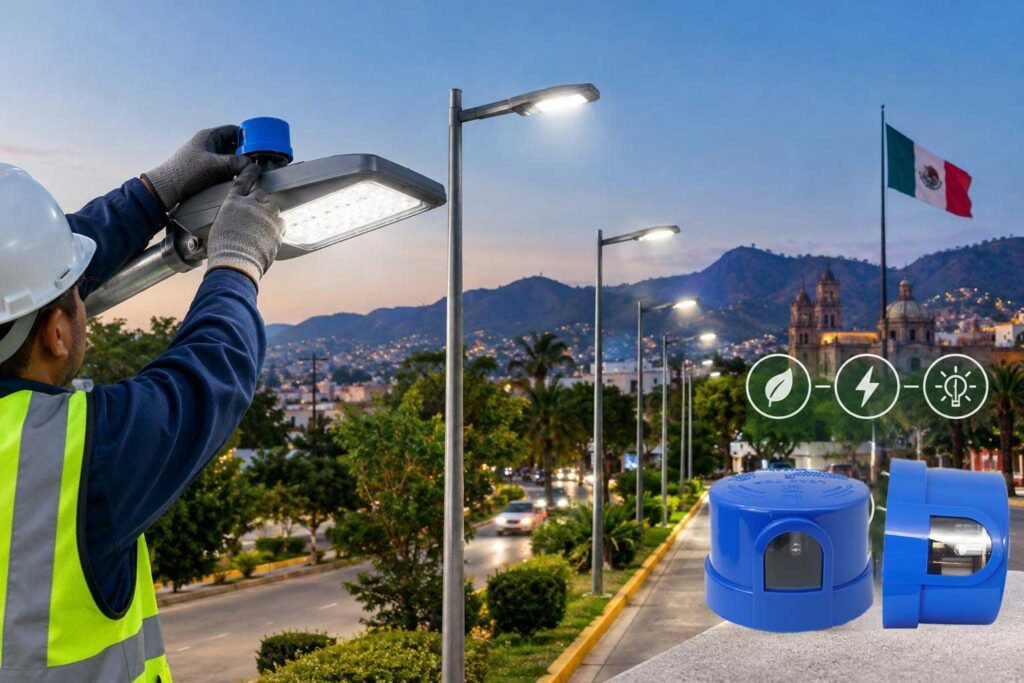
- LT605S Ruimtebesparende ANSI C136.41 5/7P dimbare fitting – met aansluitdraden


 Dutch
Dutch  English
  Portuguese (Brazil)
  Spanish
  Russian
  Japanese
  Portuguese (Portugal)