Het opstellen van een grote aanbesteding voor verlichting kan een uitdaging zijn. Kleine hiaten in de specificaties kunnen grote problemen veroorzaken tijdens de installatie. Een sterke lichtfotocel Het bod moet duidelijk omschrijven:
- Elektrische vereisten
- Certificeringen
- Buitenbescherming
- Betrouwbaarheid
- Testnormen
- Documentatie, en
- Leveringsvoorwaarden
Dit geeft elke leverancier dezelfde technische maatstaf. Het helpt gemeenten ook voorkomen dat ze producten alleen op basis van de prijs kiezen. Maar wat moet je in de aanbesteding opnemen?
Deze handleiding beschrijft de belangrijkste vereisten voor het opstellen van een praktijkopdracht. fotocelschakelaar Specificaties voor grootschalige LED-straatverlichtingsprojecten.

Aan welke elektrische eisen moet een Fotosensor Bieden definiëren?
Begin met het definiëren van de bedrijfsomstandigheden in de aanbesteding. De specificatie moet de voedingsspanning, de schakelbelasting, de compatibiliteit met de LED-driver en het type fitting vermelden. Deze waarden moeten overeenkomen met de daadwerkelijk voor het project geselecteerde armaturen.
Voor een twist-lock installatie moet ook de vereiste interface en elektrische uitwisselbaarheid worden gedefinieerd. ANSI C136.10-2023 behandelt vergrendelbare fotocellen en bijbehorende contactdozen, inclusief hun fysieke en elektrische uitwisselbaarheid en testen.
Voor dimtoepassingen dient u het vereiste besturingsprotocol te specificeren. ANSI C136.41-2025 beschrijft de interface tussen externe vergrendelingssystemen en armaturen. Het toepassingsgebied omvat: 0–10 V En DALI dimprotocollen.
Belangrijkste vereisten om te definiëren:
- Bedrijfsspanning en frequentie
- Belastings- en schakelvereisten
- Compatibiliteit van LED-drivers
- Aansluiting/interface type
- Dim- of besturingsprotocol, indien nodig
Welke normen en certificeringen moet een aanbesteding voor gemeentelijke verlichting vereisen?
Het antwoord hangt af van de locatie van het project en de geldende regelgeving. De aanbesteding moet echter de vereiste normen duidelijk vermelden. Ook moeten ondersteunende certificaten of testdocumenten worden geëist.
Voor draaivergrendelingssystemen in Noord-Amerika is ANSI C136.10-2023 een belangrijke referentie voor fotocellen met vergrendeling en bijbehorende contactdozen. ANSI C136.41-2025 is van toepassing wanneer het project dimregeling vereist.
UL 773 Dit is de basisnorm die UL hanteert voor insteekbare, vergrendelbare lichtsensoren die worden gebruikt bij terreinverlichting. Voor apparatuur die bestemd is voor de EU, moeten de CE-vereisten en de bijbehorende conformiteitsbeoordeling worden gedocumenteerd. RoHS heeft betrekking op beperkte gevaarlijke stoffen in elektrische en elektronische apparatuur.
| Vereiste | Wat het bod moet vragen |
| ANSI | Toepasselijke C136-norm |
| UL | Toepasselijke vermelding of certificering |
| CE | EU-conformiteit, indien van toepassing |
| RoHS | Nalevingsdocumentatie, indien van toepassing |
Welke milieu- en beschermingseisen moeten worden opgenomen?
Zal de fotocel lichtsensor Overleeft het jarenlange blootstelling aan de buitenlucht?
De offerte moet hierop antwoord geven voordat leveranciers worden geselecteerd. ANSI C136.10 omvat milieutests voor vergrendelende fotocellen, waarbij temperatuur, vochtigheid, regen, weersinvloeden en zoutnevel worden getest. Ook de overspanningsprestaties komen aan bod.
Voor een project met meer dan 10.000 eenheden moet de aanbesteding meetbare beschermingseisen definiëren. Deze moeten aansluiten bij de klimaat- en installatieomstandigheden van het project.
- Bescherming tegen binnendringing
Geef aan wat vereist is IP-classificatie.
- Overspanningsbeveiliging
Definieer het vereiste niveau van overspanningsbestendigheid.
- Temperatuur
Geef het bedrijfstemperatuurbereik op.
- Blootstelling aan weersomstandigheden
Besteed aandacht aan regen, luchtvochtigheid, UV-straling en corrosie.
- Invloed
Definieer waar nodig de vereiste mechanische bescherming.
Dit voorkomt dat bieders producten met zeer uiteenlopende beschermingsniveaus aanbieden bij dezelfde prijsvergelijking.
Hoe moeten betrouwbaarheid en schakellevensduur worden gespecificeerd?

Stel meetbare eisen vast. Een gemeentelijke offerte moet de verwachte levensduur van de schakelaars, de elektrische duurzaamheid, de compatibiliteit met LED-drivers en de bedrijfsomstandigheden vermelden. De eisen moeten aansluiten op de daadwerkelijke armatuur en het besturingssysteem.
Bij een groot project kan de inschrijver de betrouwbaarheid beoordelen aan de hand van gedocumenteerde testresultaten en steekproefsgewijze tests. UL Solutions identificeert fotocellen en terreinverlichtingsschakelaars als apparaten die onder haar test- en certificeringsdiensten vallen. De betrouwbaarheidstests beoordelen tevens de verwachte levensduur en mogelijke ontwerpfouten.
| Betrouwbaarheidseis | Wat het bod moet definiëren |
| Een andere levensweg inslaan | Minimale schakelcycli |
| Elektrische duurzaamheid | Vereiste test- of prestatiecriteria |
| LED-compatibiliteit | Goedgekeurd bestuurders-/laadbereik |
| Milieuduurzaamheid | Vereiste bedrijfsomstandigheden |
| Bewijs | Testrapporten en certificering |
Waarom zou steekproefsgewijs testen verplicht moeten zijn vóór massale goedkeuring?
Omdat een datasheet niet kan bevestigen hoe het apparaat zal presteren met de daadwerkelijke LED-armatuur en driver, definieert ANSI C136.41 de mechanische en elektrische interface-eisen voor externe vergrendelingsmechanismen en bijbehorende contactdozen.
Een praktische goedkeuringsprocedure moet volgen:
Offerte → Monster → Technische evaluatie → Goedkeuring → Massaproductie
Het testexemplaar moet op de beoogde armatuur worden geïnstalleerd. Controleer de pasvorm, de schakeling, de respons van de driver en de bedieningsfuncties. Controleer bij dimsystemen de gespecificeerde interface en bedieningsmethode. UL Solutions identificeert LED-belastingen ook als een van de toepassingen die worden geëvalueerd. fotocelhouders en schakelapparaten.
Goedkeuring van monsters geeft het projectteam bewijs voordat er tot massaproductie wordt overgegaan. Het kan compatibiliteitsproblemen vroegtijdig aan het licht brengen en kostbare vervangingen op locatie voorkomen.
Welke documentatie moeten leveranciers van lichtregelsystemen bij hun offertes indienen?

Het bod moet voldoende technische bewijsstukken bevatten om de naleving van de voorschriften aan te tonen. Een specificatieblad moet het model, de elektrische specificaties, de bedrijfsomstandigheden en de installatievereisten vermelden. Certificeringsdocumenten moeten de toepasselijke norm en het gecertificeerde product vermelden.
Van bieders wordt vereist dat zij het volgende indienen:
- Productinformatieblad
- Toepasselijke certificaten
- Testrapporten
- Installatie-instructies
- Garantievoorwaarden
- Kwaliteitsdocumentatie
- Productmarkeringen en identificatiegegevens
Voor UL-gecertificeerde producten kan de certificering worden geverifieerd via UL Product iQ. UL geeft aan dat de database certificeringsinformatie en details over productcategorieën bevat.
Hoe moeten leverings- en batchvereisten worden gedefinieerd voor meer dan 10.000 eenheden?
Definieer het leveringsplan voordat de offertes worden beoordeeld. Het project moet alle noodzakelijke informatie bevatten, zoals het leveringsschema en de batchgrootte. Het moet ook duidelijk maken of deelleveringen zijn toegestaan.
Bij grootschalige aanbestedingen voor straatverlichting kunnen aparte technische en financiële evaluatiefasen gelden. Daarom moeten de leveringsvoorwaarden duidelijk in de aanbestedingsdocumenten worden vermeld.
De aanbesteding moet het volgende definiëren:
- Totaal aantal fotocontrollers
- Vereiste leverdata
- Maximale batchvariatie
- Verpakking en etikettering
- Inspectievereisten
- Reserve-eenheden vereist
- Vervangingsvoorwaarden voor defecte eenheden
Batchcontrole helpt ook om consistente specificaties te handhaven gedurende het hele project. Dit is belangrijk wanneer duizenden units met dezelfde armatuur en fitting moeten werken.
Hoe kan LT134 Kan dit document als referentie dienen voor specificaties van gemeentelijke fotocelcamera's?
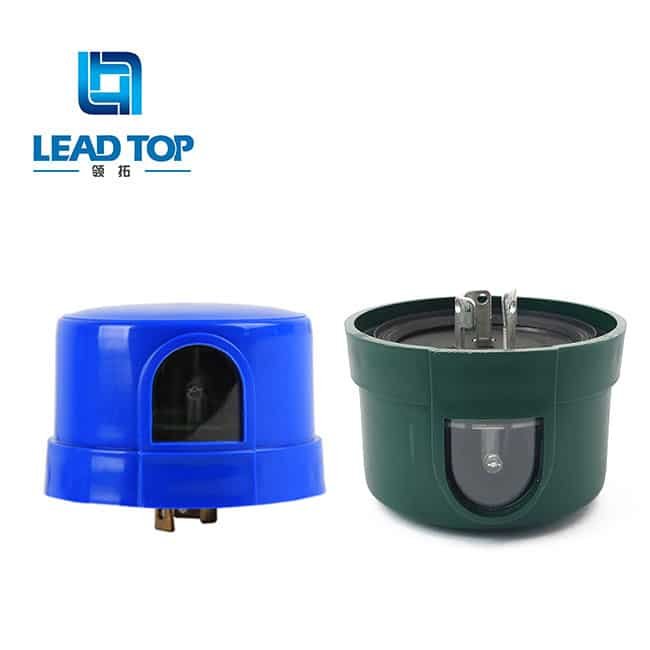
Heeft u een praktisch productoverzicht nodig bij het opstellen van specificaties?
De Lead-Top LT134 Long-Life Twist-Lock fotocel is daar een voorbeeld van. Hieronder vindt u de productspecificaties:
- Het is geschikt voor een spanning van 120–277V, met een toepassingsbereik van 105–305V.
- Het voldoet aan de ANSI C136.10- en UL773-normen.
- Het ondersteunt 1000W/1800VA en meer dan 15.000 aan/uit-schakelingen bij nominale belasting.
- Het heeft een IP66/IP67-beschermingsgraad tegen indringing van stof en water.
Gebruik de LT134 als referentiepunt, niet als een verplichte merkvereiste. Vergelijk:
| Vereiste | Wat te controleren |
| Elektrisch | Spanning en belasting |
| Interface | Compatibiliteit met draaisluiting |
| Betrouwbaarheid | Een andere levensweg inslaan |
| Bescherming | IP- en overspanningsclassificatie |
| Naleving | Vereiste normen |
| Documentatie | Testrapporten en certificaten |
Wat moet een eenheid van meer dan 10.000 eenheden doen? Fotocelschakelaar Wat moet de checklist met biedingsspecificaties bevatten?
De specificatie moet de volledige productlevenscyclus omvatten. Een praktische checklist kan het volgende bevatten:
| Categorie | Wat te definiëren? |
| Elektrisch | Spanning, belasting, compatibiliteit met LED-driver |
| Normen | Toepasselijke certificeringen en normen |
| Bescherming | IP-classificatie, overspanning, impact, blootstelling aan weersomstandigheden |
| Betrouwbaarheid | Leven en uithoudingsvermogen verruilen. |
| Installatie | Aansluiting en interface |
| Testen | Monstergoedkeuring en acceptatietests |
| Documentatie | Datasheets, certificaten, testrapporten |
| Levering | Hoeveelheid, batches, planning |
| Garantie | Dekkings- en vervangingsvoorwaarden |
Veelgestelde vragen
Wat moet een aanbestedingsspecificatie voor een fotocontroller bevatten?
Het document moet de eisen op het gebied van elektriciteit, milieu, betrouwbaarheid, certificering, testen, documentatie, levering en garantie definiëren. Elke eis moet waar mogelijk meetbaar zijn.
Moeten gemeenten een merk of model voorschrijven?
Specificaties dienen over het algemeen generiek en prestatiegericht te blijven. De Pakistaanse PPRA-regels ontmoedigen merkspecifieke eisen, tenzij gerechtvaardigd; waar nodig dient een "of gelijkwaardige" optie te worden gedefinieerd.
Waarom is goedkeuring van monsters belangrijk?
Een monstergoedkeuring controleert of de fotocontroller compatibel is met de daadwerkelijke armatuur, driver en fitting voordat de massaproductie van start gaat. Hierdoor kunnen compatibiliteitsproblemen worden opgespoord voordat duizenden exemplaren zijn geïnstalleerd.
Wat is het grootste inkooprisico bij een groot LED-project?
Het kiezen van het goedkoopste product zonder de technische specificaties te controleren, kan leiden tot problemen met compatibiliteit, betrouwbaarheid en vervanging. Duidelijke technische specificaties helpen dit risico te voorkomen.
De kern van de zaak
Een sterke offerte voor een fotocontroller stelt duidelijke eisen aan alles, van compatibiliteit tot beveiliging en levering. Dit helpt risico's te verminderen bij grootschalige LED-projecten. Voor grote gemeentelijke projecten, Lood-Top Wij bieden fotocontrollers, samples, technische ondersteuning en aanpassingsmogelijkheden om aan de projectvereisten te voldoen.
Als u een aanbesteding voor meer dan 10.000 eenheden voorbereidt, neem dan contact op met Lead-Top om de vereiste specificaties en leveringsoplossingen te bespreken.
Externe links
- https://www.ansi.org/
- https://en.wikipedia.org/wiki/0-10_V_lighting_control
- https://www.dali-alliance.org/
- https://www.iec-equipment.com/new/new-31-969.html
- https://www.ul.com/
- https://single-market-economy.ec.europa.eu/single-market/goods/ce-marking_en
- https://en.wikipedia.org/wiki/RoHS
- https://iec.ch/ip-ratings


 English
 Portuguese (Brazil)
 Spanish
 Russian
 Dutch
Dutch Japanese
 Portuguese (Portugal)