Preparing a large lighting tender can be challenging. Small gaps in the specification can create major problems during installation. A strong light photocell bid should clearly define:
- Electrical requirements
- Certifications
- Outdoor protection
- Reliability
- Testing standards
- Documentation, and
- Delivery terms
This gives every supplier the same technical benchmark. It also helps municipalities avoid choosing products based only on price. But what should you include in the tender?
This guide explains the key requirements for preparing a practical photocell switch specification for large-scale LED street lighting projects.

What Electrical Requirements Should a Photosensor Bid Define?
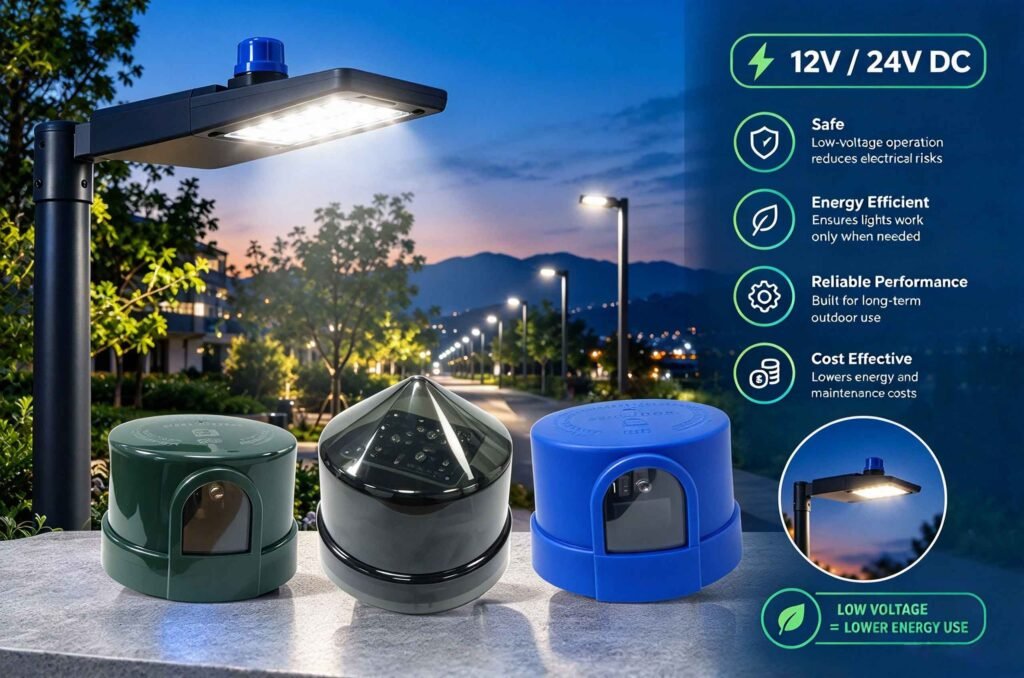
Start by defining the operating conditions in the tender. The specification should state the supply voltage, switching load, LED driver compatibility, and receptacle type. These values should match the actual luminaires selected for the project.
For a twist-lock installation, also define the required interface and electrical interchangeability. ANSI C136.10-2023 covers locking-type photocontrols and mating receptacles, including their physical and electrical interchangeability and testing.
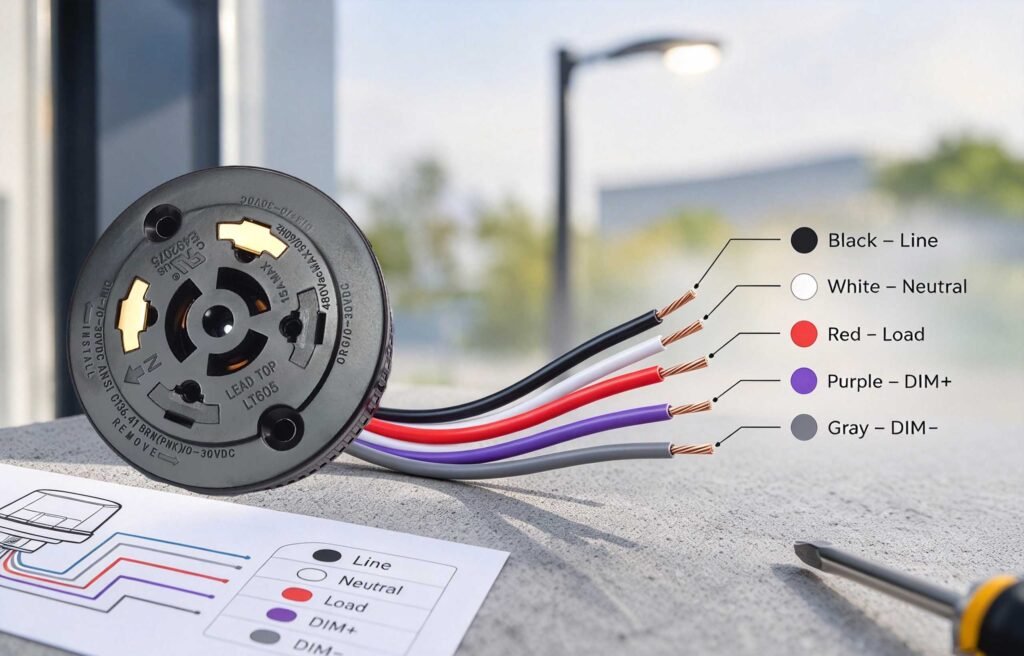
For dimming applications, specify the required control protocol. ANSI C136.41-2025 covers the interface between external locking-type controls and luminaires. Its scope includes 0–10 V and DALI dimming protocols.
Key requirements to define:
- Operating voltage and frequency
- Load and switching requirements
- LED driver compatibility
- Receptacle/interface type
- Dimming or control protocol, if required
Which Standards and Certifications Should a Municipal Lighting Tender Require?
The answer depends on the project location and applicable regulations. However, the tender should name the required standards clearly. It should also require supporting certificates or test documents.
For North American twist-lock applications, ANSI C136.10-2023 is a key reference for locking-type photocontrols and mating receptacles. ANSI C136.41-2025 applies when the project requires dimming control.
UL 773 is the basic standard used by UL for plug-in locking-type photocontrols used with area lighting. For EU-bound equipment, CE requirements and the applicable conformity assessment should be documented. RoHS addresses restricted hazardous substances in electrical and electronic equipment.
| Requirement | What the Bid Should Request |
| ANSI | Applicable C136 standard |
| UL | Applicable listing or certification |
| CE | EU conformity, where applicable |
| RoHS | Compliance documentation, where applicable |
What Environmental and Protection Requirements Should Be Included?
Will the photocell lighting sensor survive years of outdoor exposure?
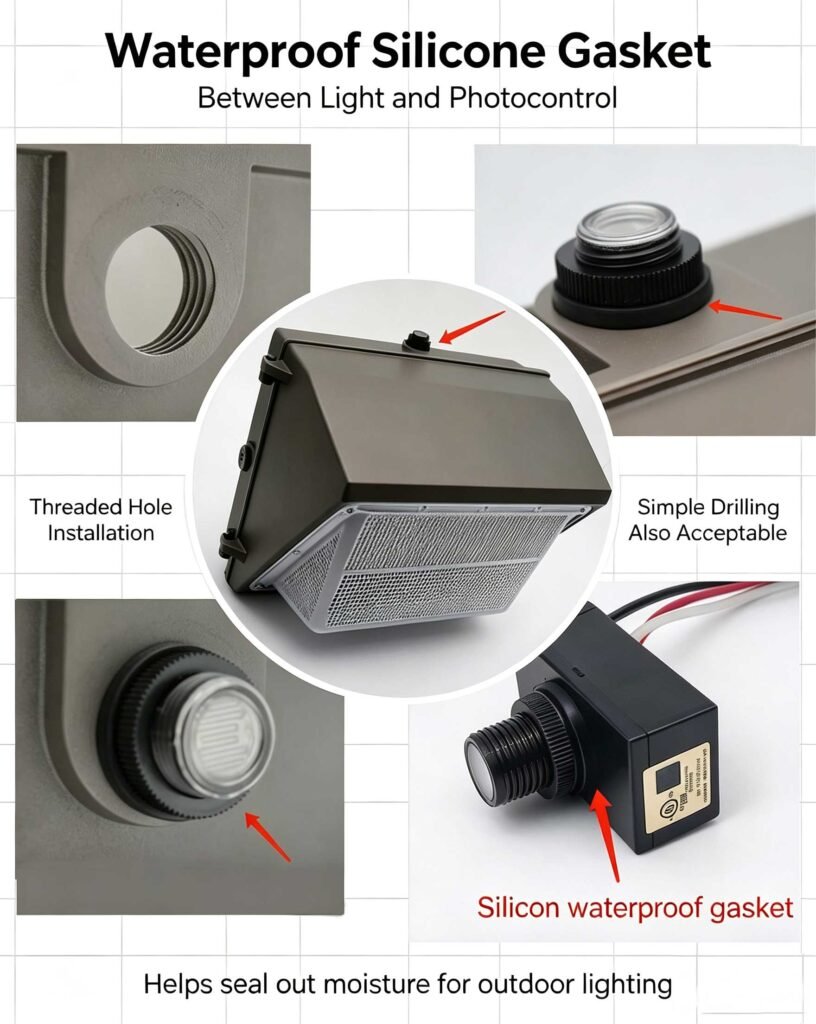
The bid should answer this before suppliers are selected. ANSI C136.10 includes environmental testing for locking-type photocontrols, covering temperature, humidity, rain, weathering, and salt fog. It also addresses surge performance.
For a 10,000+ unit project, the tender should define measurable protection requirements. These should match the project’s climate and installation conditions.
- Ingress protection
State the required IP rating.
- Surge protection
Define the required surge withstand level.
- Temperature
Specify the operating temperature range.
- Weather exposure
Address rain, humidity, UV, and corrosion.
- Impact
Define the required mechanical protection where applicable.
This prevents bidders from offering products with widely different protection levels under the same price-based comparison.
How Should Reliability and Switching Life Be Specified?

Set measurable requirements. A municipal bid should state the expected switching life, electrical endurance, LED driver compatibility, and operating conditions. The requirements should reflect the actual luminaire and control system.
For a large project, the tender can evaluate reliability through documented test results and sample testing. UL Solutions identifies photocontrollers and area-lighting switches among the devices covered by its testing and certification services. Its reliability testing also assesses expected life-cycle performance and potential design weaknesses.
| Reliability Requirement | What the Bid Should Define |
| Switching life | Minimum switching cycles |
| Electrical endurance | Required test or performance criteria |
| LED compatibility | Approved driver/load range |
| Environmental durability | Required operating conditions |
| Evidence | Test reports and certification |
Why Should Sample Testing Be Required Before Mass Approval?
Because a datasheet cannot confirm how the device will perform with the actual LED luminaire and driver. ANSI C136.41 defines mechanical and electrical interface requirements for external locking controls and mating receptacles.
A practical approval process should follow:
Bid → Sample → Technical Evaluation → Approval → Mass Production
The sample should be installed on the proposed luminaire. Check fit, switching, driver response, and control functions. For dimming systems, verify the specified interface and control method. UL Solutions also identifies LED loads among the applications evaluated for photocontrol receptacles and switching devices.
Sample approval gives the project team evidence before committing to mass production. It can expose compatibility issues early and reduce costly field replacements.
What Documentation Should Lighting Control Suppliers Submit With Their Bids?

The bid should contain enough technical evidence to verify compliance. A datasheet should identify the model, electrical ratings, operating conditions, and installation requirements. Certification documents should identify the applicable standard and certified product.
Require bidders to submit:
- Product datasheet
- Applicable certificates
- Test reports
- Installation instructions
- Warranty terms
- Quality documentation
- Product markings and identification details
For UL-certified products, certification can be verified through UL Product iQ. UL states that its database provides certification information and product category details.
How Should Delivery and Batch Requirements Be Defined for 10,000+ Units?
Define the supply plan before bids are evaluated. The project should state all the necessary information, such as the delivery schedule and batch size. It should also clarify whether partial deliveries are permitted.
Large street-lighting procurements can involve separate technical and financial evaluation stages, so delivery terms should be clear in the bidding documents.
The tender should define:
- Total photocontroller quantity
- Required delivery dates
- Maximum batch variation
- Packaging and labeling
- Inspection requirements
- Spare-unit requirements
- Replacement terms for defective units
Batch controls also help maintain consistent specifications across the project. This matters when thousands of units must work with the same luminaire and receptacle.
How Can LT134 Be Used as a Reference for Municipal Photocontroller Specifications?
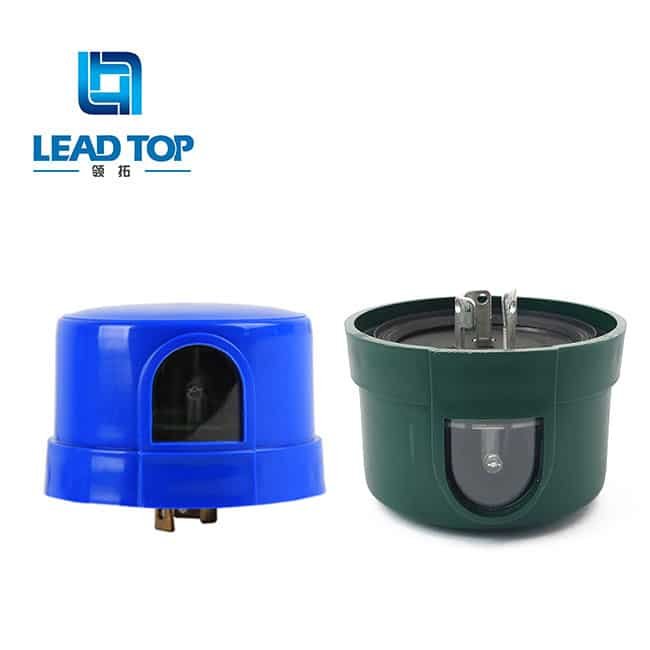
Need a practical product reference when preparing specifications?
Lead-Top’s LT134 Long-Life Twist-Lock Photocontrol provides one example. Here are the product specifications:
- It is rated at 120–277V, with an applicable range of 105–305V.
- It is listed with ANSI C136.10 and UL773 compliance.
- It supports 1000W/1800VA and more than 15,000 ON/OFF operations at rated load.
- It has IP66/IP67 ingress protection.
Use the LT134 as a reference point, not a mandatory brand requirement. Compare:
| Requirement | What to Verify |
| Electrical | Voltage and load |
| Interface | Twist-lock compatibility |
| Reliability | Switching life |
| Protection | IP and surge rating |
| Compliance | Required standards |
| Documentation | Test reports and certificates |
What Should a 10,000+ Unit Photocell Switch Bid Specification Checklist Include?
The specification should cover the complete product lifecycle. A practical checklist can include:
| Category | What to Define |
| Electrical | Voltage, load, LED driver compatibility |
| Standards | Applicable certifications and standards |
| Protection | IP rating, surge, impact, weather exposure |
| Reliability | Switching life and endurance |
| Installation | Receptacle and interface |
| Testing | Sample approval and acceptance tests |
| Documentation | Datasheets, certificates, test reports |
| Delivery | Quantity, batches, schedule |
| Warranty | Coverage and replacement terms |
FAQs
What should a photocontroller tender specification include?
It should define electrical, environmental, reliability, certification, testing, documentation, delivery, and warranty requirements. Each requirement should be measurable where possible.
Should municipalities specify a brand or model?
Generally, specifications should remain generic and performance-based. Pakistan’s PPRA rules discourage brand-specific requirements unless justified; where necessary, an “or equivalent” option should be defined.
Why is sample approval important?
Sample approval verifies the photocontroller with the actual luminaire, driver, and receptacle before mass production. It can identify compatibility issues before thousands of units are installed.
What is the biggest procurement risk in a large LED project?
Choosing the lowest-priced product without checking technical compliance can create compatibility, reliability, and replacement problems. A clear technical specification helps prevent this risk.
The Bottom Line
A strong photocontroller bid sets clear requirements for everything from compatibility to protection and delivery. This helps reduce risks across large-scale LED projects. For large municipal projects, Lead-Top offers photocontrollers, samples, technical support, and customization options to match project requirements.
If you are preparing a 10,000+ unit tender, contact Lead-Top to discuss the required specifications and supply solution.
External Links
- https://www.ansi.org/
- https://en.wikipedia.org/wiki/0-10_V_lighting_control
- https://www.dali-alliance.org/
- https://www.iec-equipment.com/new/new-31-969.html
- https://www.ul.com/
- https://single-market-economy.ec.europa.eu/single-market/goods/ce-marking_en
- https://en.wikipedia.org/wiki/RoHS
- https://iec.ch/ip-ratings


 English
 Portuguese (Brazil)
 Spanish
 Russian
 Dutch
Dutch Japanese
 Portuguese (Portugal)