Inleiding: Waarom worden slimme straatverlichtingsprojecten een prioriteit voor moderne steden?
Gezien het feit dat gemeenten wereldwijd, als onderdeel van grootschalige stedelijke transformatie- en duurzaamheidsstrategieën, steeds meer investeren in slimme straatverlichtingssystemen, dwingen stijgende elektriciteitskosten, strengere ecologische principes en een toenemende vraag naar efficiënte openbare infrastructuur steden ertoe om de werking van buitenverlichtingssystemen te herzien.
Talrijke gemeenten zijn zich er inmiddels van bewust dat traditionele straatverlichtingssystemen niet langer voldoen aan de hedendaagse stedelijke behoeften. Conventionele verlichting verbruikt vaak onnodig veel energie, vereist regelmatig onderhoud en biedt geen slimme aansturingsmogelijkheden. Daarom stappen steeds meer gemeenten over op slimme LED-verlichtingsnetwerken met geautomatiseerde besturingssystemen.
Projecten in gemeenten zoals Genua hebben aangetoond dat slimme straatverlichting het totale energieverbruik met maar liefst 701 ton kan verlagen. Hoewel LED-armaturen aanzienlijk bijdragen aan deze besparingen, schuilt de ware effectiviteit in de combinatie van LED's met vooruitstrevende technologieën. Energiezuinige verlichtingsregeling technologieën.
De kern van deze slimme systemen wordt gevormd door de fotocelsensor voor buiten, die ervoor zorgt dat de verlichting alleen werkt wanneer dat nodig is, en tegelijkertijd automatisering, beveiliging en adaptieve besturingsfuncties mogelijk maakt.
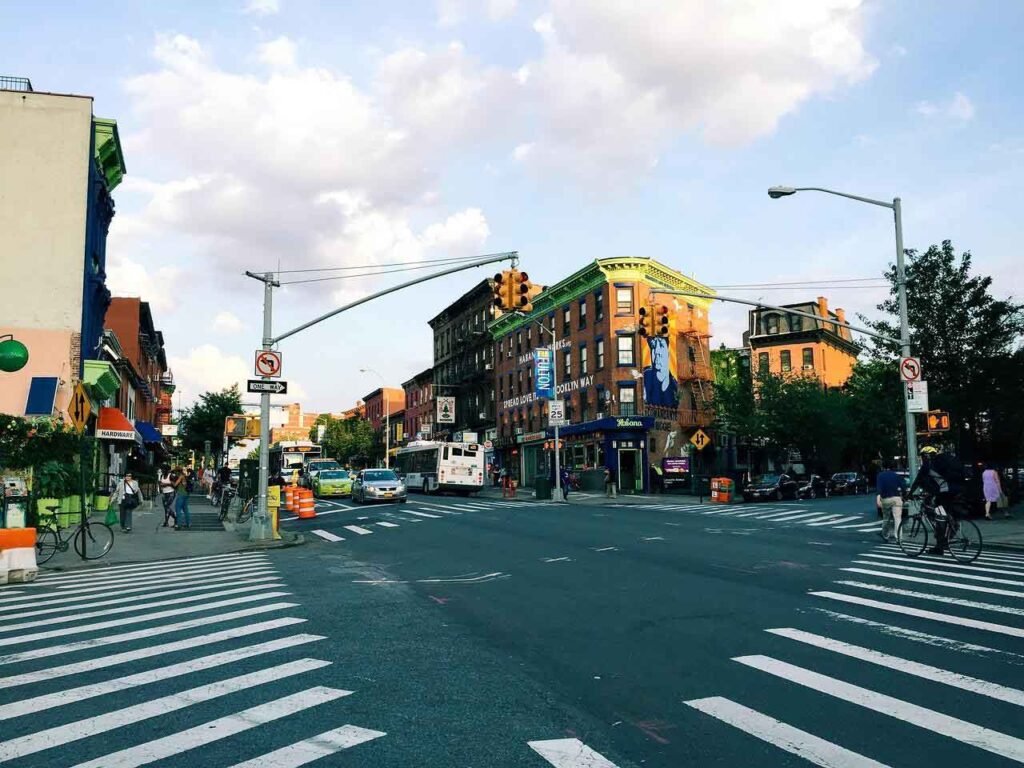
Wat onthult het Genua Smart Lighting Project over energiebesparing?
De slimme verlichtingstechnologie in Genua is een treffend voorbeeld geworden van hoe gemeenten de efficiëntie aanzienlijk kunnen verbeteren door middel van slimme infrastructuurmodernisering.
Het project omvatte:
- Uitgebreid LED vervanging van armaturen
- Automatische verlichtingsregeling
- Verbeterd operationeel beheer
- Slimmere onderhoudsplanning
De resultaten waren van groot belang:
- Energieafname van meer dan 70%
- Lagere onderhoudskosten
- Verbeterde consistentie van de verlichting
- Verbeterde burgertevredenheid
De effectiviteit van de verlichting hangt echter niet alleen af van de lamp zelf, maar ook van hoe slim het systeem wordt aangestuurd, en dat is de belangrijkste les uit Genua.
Waarom is de lichtefficiëntie zo sterk afhankelijk van intelligente besturingssystemen?
Mensen gaan ervan uit dat energiebesparing alleen mogelijk is met ledtechnologie. In werkelijkheid vormen leds echter slechts een onderdeel van een compleet slim verlichtingssysteem.
De werkelijke efficiëntiewinst wordt behaald door LED-armaturen te combineren met geavanceerde technologieën voor straatverlichtingsautomatisering.
Hoe verbeteren nauwkeurige schakelschema's de efficiëntie?
Gangbare verlichtingssystemen werken vaak met vaste timers of fysieke bedieningselementen, wat kan leiden tot onnodige inschakeling overdag of late activering 's nachts.
Moderne fotocellen bieden nauwkeurige regeling van de verlichting van schemering tot zonsopgang door robotachtig te reageren op de omgevingslichtomstandigheden.
De voordelen omvatten:
- Afschaffing van energieverspilling overdag
- Continue werking over grote netwerken
- Verkorte menselijke fout
- Verbeterde operationele nauwkeurigheid
Deze automatische schakelfunctie is een van de eenvoudigste, maar tegelijkertijd meest efficiënte manieren om het energieverbruik van verlichting te verminderen.
Hoe verbetert dynamisch dimmen de prestaties van slimme verlichting?
Geavanceerde slimme verlichtingssystemen kunnen de lichtsterkte nauwkeurig aanpassen aan de omgevingsomstandigheden en de mate van activiteit.
Bijvoorbeeld:
- Minder verblinding tijdens rustige uren
- Betere verlichting tijdens de spitsuren.
- Adaptieve reactie op weersomstandigheden of noodsituaties
Door de verlichting krachtig te dimmen, wordt het onnodige energieverbruik aanzienlijk verminderd, terwijl de openbare veiligheid gewaarborgd blijft.
Moderne LED-verlichtingsbesturingssystemen integreren steeds vaker dimmogelijkheden direct in de fotocelinfrastructuur.
Wat is zoneverlichting en adaptieve verlichting?
Grote gemeenten verdelen verlichtingsnetwerken vaak in verschillende operationele zones.
Afhankelijk van de omstandigheden kunnen verschillende zones verschillende verlichtingsbehoeften hebben:
- Verkeersdichtheid
- voetgangersactiviteit
- Commerciële activiteit
- Prioriteiten op het gebied van openbare veiligheid
Adaptieve verlichtingssystemen maken gebruik van sensoren en automatische besturing om elke zone afzonderlijk te optimaliseren, waardoor de efficiëntie verbetert en de operationele kosten dalen.
Waarom zijn fotocellen zo belangrijk in slimme straatverlichtingssystemen?
De fotocel is een van de meest cruciale onderdelen van elk buitenverlichtingssysteem, omdat deze bepaalt wanneer het verlichtingssysteem moet inschakelen.
Zonder betrouwbare fotocellen kunnen verlichtingssystemen:
- Functie overdag
- Onregelmatig schakelen
- Verspilde elektriciteit
- Ervaar vroegtijdige slijtage van componenten.
Moderne fotocelsensoren voor buitengebruik bieden veel meer dan alleen een eenvoudige aan/uit-schakeling.
Hoe verbetert automatische bediening de efficiëntie van stadsverlichting?
Automatische fotocellen maken fysieke bediening overbodig door continu de omgevingslichtniveaus te monitoren.
Dit maakt het mogelijk:
- Betrouwbare werking van zonsondergang tot zonsopgang
- Constante verlichtingsprestaties in de hele stad
- Verkorte arbeidsvereisten
- Verbeterde operationele bekwaamheid
Naarmate steden hun verlichtingsinfrastructuur uitbreiden, wordt automatisering essentieel om de efficiëntie op grote schaal te behouden.
Waarom is overspanningsbeveiliging belangrijk voor buitenverlichtingssystemen?
Straatverlichtingssystemen worden continu blootgesteld aan zware elektrische omstandigheden, zoals:
- blikseminslagen
- Spanningsvariabiliteit
- Rastervariaties
- Stroompieken
Moderne slimme fotocellen bevatten daarom steeds vaker geavanceerde overspanningsbeveiligingsfuncties voor verlichting, zoals:
- Overspanningstolerantie van 10 kV tot 20 kV
- MOV-beveiligingssystemen
- Grotere duurzaamheid van het relais
Deze beveiligingen helpen storingen te verminderen en de algehele levensduur van het systeem te verlengen.
Hoe voorkomen fotocellen valse alarmen?
Een veelvoorkomend probleem bij buitenverlichtingssystemen is het onterecht activeren van de verlichting, veroorzaakt door:
- Autokoplampen
- Bliksemflitsen
- Momentane reflecties
- Onverwachte ecologische lichtveranderingen
Een betrouwbare schakelprestatie is met name belangrijk bij grote stedelijke projecten, waar terugkerend flikkeren kan leiden tot klachten van het publiek en hogere onderhoudskosten.
Waarom is een lange operationele levensduur belangrijk voor gemeentelijke projecten?
Gemeentelijke verlichtingssystemen omvatten vaak duizenden, of zelfs tienduizenden, armaturen.
Het herhaaldelijk vervangen van besturingscomponenten leidt tot aanzienlijke problemen:
- Onderhoudskosten
- Arbeidskosten
- Verkeershinder
- Operationele uitvaltijd
Fotocellen met een lange levensduur bieden daarom aanzienlijke economische voordelen, omdat ze:
- Verkorte onderhoudsfrequentie
- Verbeterde netwerkstabiliteit
- Lagere vervangingskosten
- Betere ROI op de lange termijn
Welke technische kenmerken zijn het belangrijkst in moderne stadsverlichtingsprojecten?
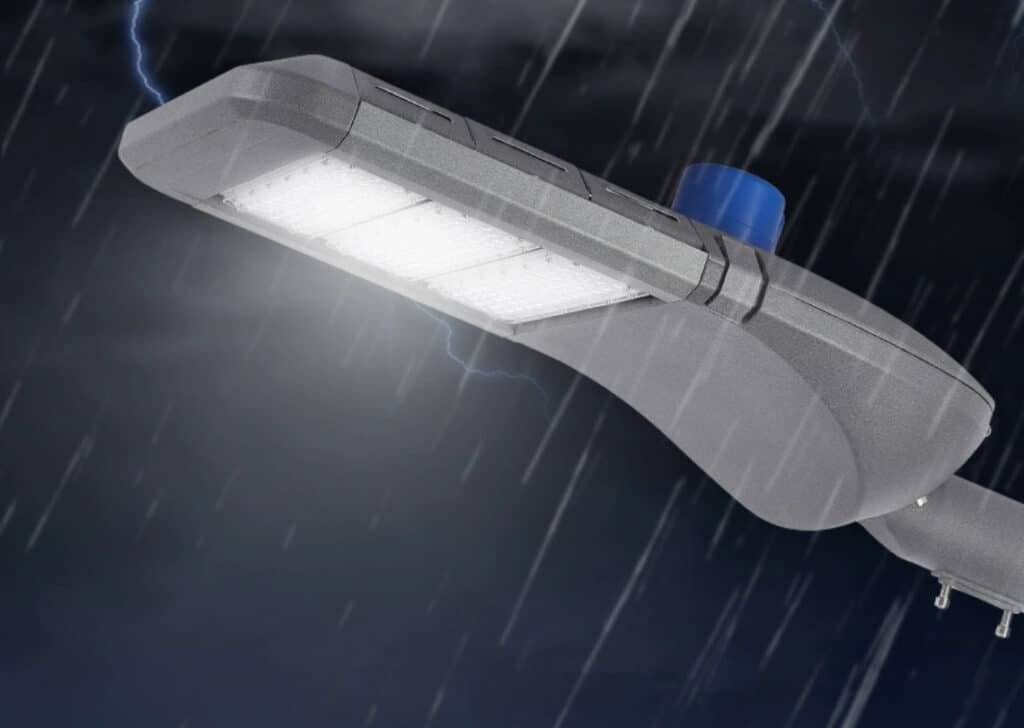
Hedendaagse smart city-infrastructuurprojecten vereisen fotocellen die ontworpen zijn voor veeleisende buitenomgevingen en slimme netwerkintegratie.
Sommige technische kenmerken worden tegenwoordig als belangrijk beschouwd.
Waarom is IP66 Is weerbestendigheid belangrijk?
Buitenverlichting moet bestand zijn tegen:
- Regenval
- Sneeuwval
- Vuil
- Vocht
- UV-blootstelling
- Spannende temperaturen
Om een betrouwbare en langdurige werking buitenshuis te garanderen, bieden IP66-gecertificeerde fotocellen een sterke bescherming tegen het binnendringen van water en vuil.
Waarom is brede spanningscompatibiliteit noodzakelijk?
Verschillende gemeentelijke elektriciteitsnetten werken onder wisselende spanningsomstandigheden.
Breedspanningsfotocellen kan het volgende aan:
- Spanningsvariaties
- Infrastructuuronregelmatigheden
- Regionale elektrische variaties
Dit verbetert de betrouwbaarheid bij grootschalige infrastructuurimplementaties.
Wat is nuldoorgangschakeling en waarom is het belangrijk?
Nuldoorgangschakeling is een innovatieve regeltechnologie die elektrische belastingen schakelt in de buurt van het nulpunt van de wisselstroomgolf.
De voordelen omvatten:
| Functie | Voordeel |
| Verminderde elektrische belasting | Verlengt de levensduur van het relais. |
| Lagere impact van inschakelstroom | Beschermt LED-drivers |
| Stabiel schakelen | Vermindert flikkering |
| Verbeterde betrouwbaarheid | Lagere onderhoudskosten |
Deze technologie is met name waardevol in moderne LED-verlichtingsbesturingssystemen.
Waarom is ondersteuning voor slimme dimfuncties belangrijk?
Slimme dimtechnologie stelt steden in staat om de helderheid te verminderen tijdens perioden met weinig activiteit.
De voordelen zijn onder andere:
| Slimme dimfunctie | Operationeel voordeel |
| Adaptieve helderheid | Lager energieverbruik |
| Verkeersgestuurde regeling | Verbeterde efficiëntie |
| Geplande dimming | Lagere bedrijfskosten |
| Noodverlichting | Verbeterde openbare veiligheid |
Deze functies ondersteunen geavanceerde strategieën voor energiezuinige verlichtingsregeling.
Welke fotocellen met loden bovenkant worden aanbevolen voor projecten met een hoog rendement?
Hedendaagse gemeentelijke projecten vereisen fotocellen die geschikt zijn voor LED-systemen en tegelijkertijd een lange levensduur garanderen.
Meerdere Lood-Top Deze modellen zijn bijzonder geschikt voor upgrades naar slimme verlichting.
Waarom is de LT154 zware fotocel geschikt voor slimme steden?

De LT154 fotocel is ontworpen voor veeleisende stedelijke omgevingen en biedt:
- Hoge inschakelstroombeveiliging
- Extreme overspanningsbeveiliging tot 20 kV/10 kA
- Betrouwbare draaivergrendelingsinstallatie
- Lange levensduur
Het is uitermate geschikt voor een uitgebreide infrastructuur voor slimme straatverlichting.
Waarom is de LT104 zo populair voor grote renovatieprojecten?

De LT104 fotocel Het biedt een evenwicht tussen betaalbaarheid en betrouwbare, ANSI-conforme prestaties.
De belangrijkste voordelen zijn onder meer:
- Kostenefficiënte implementatie
- Stabiele schakelprestaties
- LED-compatibiliteit
- Betrouwbare automatiseringsmogelijkheden
Waarom is de LT310T geschikt voor geïntegreerde armatuurontwerpen?

De LT310T fotocel Bedrade fotocellen zijn bedoeld voor compacte, geïntegreerde installaties.
De voordelen omvatten:
- Interne installatiemogelijkheid
- Ruimtebesparend ontwerp
- Vereenvoudigde armatuurintegratie
- Continue werking van zonsondergang tot zonsopgang
Veelgestelde vragen
Vraag 1: Hoe verbeteren fotocellen de energie-efficiëntie?
Ze zorgen ervoor dat de verlichting alleen brandt wanneer dat nodig is, waardoor onnodig energieverbruik wordt voorkomen.
Vraag 2: Zijn fotocellen geschikt voor alle buitenverlichting?
Ja, vooral voor straatverlichting, parkeerterreinen en openbare infrastructuur.
Vraag 3: Wat is nuldoorgangschakeling?
Het vermindert de elektrische belasting tijdens het schakelen, waardoor de levensduur van de verlichtingsapparatuur wordt verlengd.
Conclusie: Waarom zijn fotocellen essentieel voor maximale energiebesparing?
Hoewel LED's het elektriciteitsverbruik dramatisch verlagen, zijn het slimme besturingssystemen die de efficiëntie en de besparingen op de lange termijn echt maximaliseren.
Geavanceerde fotocelsensoren voor buitengebruik bieden:
- Betrouwbare automatische verlichting van schemering tot zonsopgang
- Energiebesparing door betere verlichting
- Verbeterde aanvalsafweer
- Verkorte onderhoudskosten
- Betere integratie met de infrastructuur van slimme verlichtingssystemen
Naarmate gemeenten blijven investeren in verbonden stedelijke infrastructuur, zullen fotocellen een fundamentele technologie blijven die efficiënte, automatische en slimme buitenverlichtingsnetwerken ondersteunt.
CTA
Bent u klaar om de energiebesparing in uw verlichtingsprojecten te maximaliseren? Neem contact met ons op en ontdek hoogwaardige fotoceloplossingen die speciaal zijn ontwikkeld voor slimme stadstoepassingen.”

 Dutch
Dutch  English
  Portuguese (Brazil)
  Spanish
  Russian
  Japanese
  Portuguese (Portugal)