Invoering
Overal ter wereld versnellen steden hun investeringen in de verbetering van de openbare verlichting. Waar de eerste golf van verbeteringen zich vooral richtte op het vervangen van ouderwetse armaturen door energiezuinige ledlampen, is er nu een nieuwe ontwikkelingsfase gaande. Gemeenten beseffen steeds meer dat verlichtingsinfrastructuur veel meer kan doen dan alleen straten verlichten.
Hedendaagse openbare verlichtingsnetwerken ontwikkelen zich tot verbonden infrastructuurplatforms die automatisering, communicatie, monitoring en dataverzameling ondersteunen. Daardoor neemt de vraag naar slimme verlichtingsregeling, slimme stadsverlichting, verbonden verlichtingsnetwerken en IoT-straatverlichtingstechnologieën snel toe.
De toekomst van stedelijke verlichting wordt niet langer alleen bepaald door helderdere en efficiëntere armaturen. Deze wordt steeds meer gevormd door slimme besturingselementen, communicatieklare interfaces en gestandaardiseerde technologieën zoals ANSI C136.41, Zhaga Book 18 en geavanceerde NEMA-stopcontactoplossingen.
Hoe illustreren Polen en Mexico één wereldwijde verlichtingstrend?
Hoewel Polen en Mexico beide te maken hebben met verschillende infrastructurele uitdagingen, tonen hun programma's voor de modernisering van de verlichting een gemeenschappelijke richting.

Waarom investeert Polen in grootschalige LED-modernisering?
In heel Polen streven steden naar grote projecten. LED Verbetering van de straatverlichting om het elektriciteitsverbruik te verminderen en duurzaamheidsdoelstellingen te behalen.
Er worden projecten uitgevoerd met tienduizenden lichtpunten om:
- Lagere energierekeningen
- Verminder de CO2-uitstoot.
- Verbeter de operationele bekwaamheid.
- Verleng de levenscyclus van de infrastructuur
Voor veel lokale overheden vormen verlichting een van de grootste terugkerende kostenposten. De overstap naar led-technologie biedt directe financiële voordelen en legt tegelijkertijd de basis voor toekomstige slimme stadsinitiatieven.
Waarom richt Mexico zich op moderne openbare verlichting?
Gemeenten in heel Mexico investeren fors in de verbetering van snelwegen en openbare verlichting.
Deze projecten richten zich op:
- Verbetering van de zichtbaarheid 's nachts
- Verbetering van de openbare veiligheid
- Ondersteunende transportinfrastructuur
- Toenemend vertrouwen in de gemeenschap
Moderne verlichting wordt niet langer alleen als een nutsvoorziening gezien, maar steeds meer beschouwd als een belangrijk onderdeel van de stedelijke ontwikkeling.
Wat hebben beide benaderingen gemeen?
Ondanks de verschillende prioriteiten besteden beide landen geld aan:
- LED-modernisering
- Verlichtingsautomatisering
- Toekomstbestendige infrastructuur
- Langdurige operationele besparingen
Waarom is ledverlichting slechts de eerste stap?
Veel steden beschouwen de vervanging van LED-verlichting aanvankelijk als het belangrijkste doel van modernisering.
LED's alleen bieden echter niet alle voordelen van een slimme infrastructuur.
Hoe verbetert LED-technologie de efficiëntie?
LED-armaturen bieden tal van voordelen:
- Lager energieverbruik
- Langere levensduur
- Verkorte onderhoudsvereisten
- Verbeterde verlichtingskwaliteit
Waarom is het vervangen van hardware niet voldoende?
Hoewel LED-armaturen de efficiëntie verbeteren, creëren ze niet automatisch een slim verlichtingsnetwerk.
Zonder intelligente besturingssystemen staan gemeenten nog steeds voor uitdagingen zoals:
- Vaste werktijden
- Beperkte bewakingsmogelijkheid
- Handmatige onderhoudsprocessen
- Gebrek aan operationele gegevens
Daarom worden in hedendaagse projecten steeds vaker slimme straatverlichtingstechnologieën gecombineerd met LED-upgrades.
Hoe breidt slimme verlichting de voordelen van LED uit?
Slimme besturingssystemen helpen steden:
- Optimaliseer de werkuren
- Infrastructuur op afstand bewaken
- Verlaag de onderhoudskosten
- Ondersteun adaptieve verlichtingsstrategieën
De combinatie van LED's en slimme bedieningselementen zorgt voor een aanzienlijk langere levensduur dan alleen het vervangen van LED's.
Waarom vereist slimme verlichting slimme besturingscomponenten?
Het succes van een slim verlichtingssysteem hangt sterk af van de besturingscomponenten die de armaturen verbinden met communicatie- en beheerplatformen.
Zonder deze componenten kunnen intelligente verlichtingsfuncties niet volledig tot hun recht komen.
Welke rol speelt de LT154 ANSI C136.41 dimbare fotocel Toneelstuk?
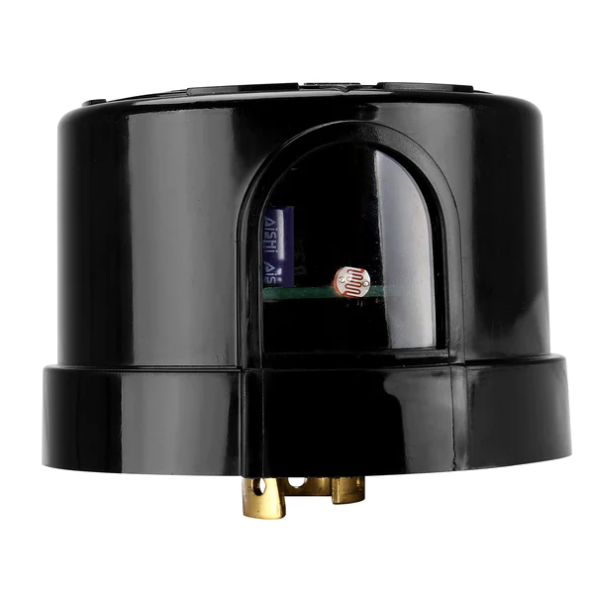
De LT154 biedt betrouwbare werking van schemering tot zonsopgang en ondersteunt tegelijkertijd innovatieve slimme verlichtingstoepassingen.
De belangrijkste voordelen zijn onder meer:
- LED-compatibele schakelaar
- Hoge inschakelstroombeveiliging
- Ondersteuning voor slimme dimfuncties
- Langdurige betrouwbaarheid
Dit maakt het geschikt voor hedendaagse implementaties van slimme verlichtingssystemen.
Waarom is de LT605-7PIN ANSI C136.41-aansluiting Belangrijk?

De LT605-7PIN fungeert als een gestandaardiseerde interface tussen verlichtingsarmaturen en slimme besturingsknooppunten.
Voordelen zijn onder meer:
- Ondersteuning voor draadloze communicatiemodules
- Vereenvoudigde installatie ter plaatse
- Toekomstige doorgroeimogelijkheden
- Compatibiliteit met slimme steden
Hoe werkt de LT100B-7PIN ANSI C136.41 Basis Ondersteuning van infrastructuurgroei?

De LT100B-7PIN biedt een robuuste en gestandaardiseerde basis voor de implementatie van slimme verlichting.
Voordelen zijn onder meer:
- Constante installatienormen
- Onderhoudsvriendelijk
- Verbeterde interoperabiliteit
- Verkorte levenscycluskosten
Waarom is de LT600-serie Zhaga-connector Wordt het steeds populairder?

De LT600-serie ondersteunt compacte, slimme verlichtingsarchitecturen gebaseerd op de Zhaga Book 18-standaarden.
Voordelen zijn onder meer:
- Modulair ontwerp
- DALI-compatibiliteit
- Compacte sensorintegratie
- Toekomstbestendige implementatie van slimme steden
Tabel 1: Componenten van slimme verlichting en hun functies
| Onderdeel | Primaire functie | Voordelen van slimme infrastructuur |
| LT154 ANSI C136.41 Fotocontrole | Verlichtingsautomatisering | Ondersteunt dimmen en slimme bediening. |
| LT605-7PIN-aansluiting | Slimme knooppuntinterface | Maakt communicatiemodules mogelijk |
| LT100B-7PIN Basis | Gestandaardiseerde montage | Vereenvoudigt het onderhoud |
| LT600-serie Zhaga-connector | Sensorconnectiviteit | Ondersteunt IoT-compatibele verlichtingssystemen |
| Slimme controllers | Gegevenscommunicatie | Maakt bewaking op afstand mogelijk |
Waarom worden ANSI C136.41 en Zhaga Book 18 industriestandaarden?
Standaardisatie is steeds belangrijker geworden naarmate steden op grote schaal slimme verlichtingssystemen inzetten.
Wat is ANSI C136.41?
ANSI C136.41 is een algemeen aanvaarde standaard die interfaces definieert voor slimme straatverlichtingssystemen.
De voordelen omvatten:
- Plug-and-play-compatibiliteit
- Ondersteuning voor slimme knooppunten
- Draadloze communicatie-integratie
- Vereenvoudigde upgrades
ANSI C136.41 is vanwege deze voordelen een populaire norm geworden voor projecten op het gebied van snelwegverlichting.
Wat is Zhaga Boek 18?
Zhaga Boek 18 stelt gestandaardiseerde interfaces vast voor lichtsensoren en communicatieapparaten.
Het ondersteunt:
- DALI mededeling
- Sensorintegratie
- Compacte besturingsmodules
- Slimme stadstoepassingen
Waarom geven steden de voorkeur aan gestandaardiseerde systemen?
Gestandaardiseerde infrastructuurprojecten bieden talrijke voordelen:
- Eenvoudiger onderhoud
- Lagere voorraadvereisten
- Verkorte installatiecomplexiteit
- Toekomstige technologiecompatibiliteit
Gemeenten geven steeds vaker prioriteit aan systemen die zich over decennia kunnen ontwikkelen zonder dat ze volledig vervangen hoeven te worden.
Tabel 2: Traditionele verlichting versus slimme verlichtingsinfrastructuur
| Functie | Traditionele verlichting | Slimme verlichtingsinfrastructuur |
| Controlemethode | Handmatig of vast schema | Geautomatiseerd en adaptief |
| Monitoring | Inspecties ter plaatse | Bewaking op afstand |
| Energieoptimalisatie | Beperkt | Dynamische besturing |
| Onderhoud | reactief | Voorspellend |
| Mededeling | Geen | IoT-compatibel |
| Toekomstige uitbreiding | Moeilijk | Zeer schaalbaar |
| Gegevensverzameling | Niet beschikbaar | Operationele gegevens in realtime |
Conclusie
Hoewel LED-armaturen een belangrijke basis blijven vormen, wordt de grootste waarde op de lange termijn behaald door de integratie van slimme lichtregeling, slimme straatverlichting, een verbonden verlichtingsnetwerk en IoT-technologieën voor straatverlichting.
Om schaalbare, flexibele en toekomstbestendige verlichtingsnetwerken te bouwen die de doelstellingen van slimme steden voor de komende jaren kunnen ondersteunen, bieden standaarden zoals ANSI C136.41 en Zhaga Book 18 gemeenten de nodige mogelijkheden.
Slimme verlichtingsregelsystemen zullen een cruciale rol spelen bij het verbeteren van de efficiëntie, duurzaamheid, openbare veiligheid en werkprestaties, naarmate de stedelijke infrastructuur zich verder ontwikkelt.
Veelgestelde vragen
Wat is het verschil tussen slimme verlichting en ledverlichting?
LED-verlichting betekent energiezuinige lichtbronnen, terwijl slimme verlichting communicatie-, monitoring-, automatiserings- en adaptieve besturingsmogelijkheden omvat.
Wat is ANSI C136.41?
ANSI C136.41 is een gestandaardiseerde interface die wordt gebruikt om slimme verlichtingscontrollers, communicatieknooppunten en dimsystemen aan te sluiten op verlichtingsarmaturen langs snelwegen.
Waarvoor wordt Zhaga Boek 18 gebruikt?
Zhaga Book 18 definieert een gestandaardiseerde interface voor slimme verlichtingssensoren en communicatiemodules, ter ondersteuning van IoT- en DALI-gebaseerde verlichtingssystemen.
Lead-Top is een expert op het gebied van fotocellen, slimme stopcontacten, Zhaga-connectoren en slimme verlichtingsoplossingen voor moderne gemeentelijke infrastructuur. Of uw project nu gericht is op LED-retrofit, de implementatie van een slimme stad, snelwegverlichting of verbonden verlichtingsnetwerken, ons engineeringteam helpt u bij het bouwen van schaalbare en betrouwbare verlichtingssystemen voor de toekomst.
Neem vandaag nog contact op met Lead-Top om de mogelijkheden te ontdekken van op maat gemaakte slimme verlichtingsoplossingen die perfect aansluiten op de eisen van uw project.




 English
  Portuguese (Brazil)
  Spanish
  Russian
  Dutch
Dutch  Japanese
  Portuguese (Portugal)