Invoering
Kunstmatige intelligentie verandert in hoog tempo de manier waarop gemeenten functioneren. Wat ooit als geavanceerde technologie werd beschouwd, wordt nu onderdeel van de dagelijkse stedelijke infrastructuur. AI helpt gemeenten efficiënter, duurzamer en datagestuurder te worden, of het nu gaat om slimme verkeerssystemen, geautomatiseerde nutsvoorzieningen of platforms voor voorspellend onderhoud.
Hedendaagse gemeenten zijn niet langer alleen afhankelijk van fysieke infrastructuur zoals wegen, elektriciteitsnetten en straatverlichting. In plaats daarvan bouwen ze onderling verbonden digitale omgevingen die in staat zijn om enorme hoeveelheden realtime data te verzamelen en te analyseren.
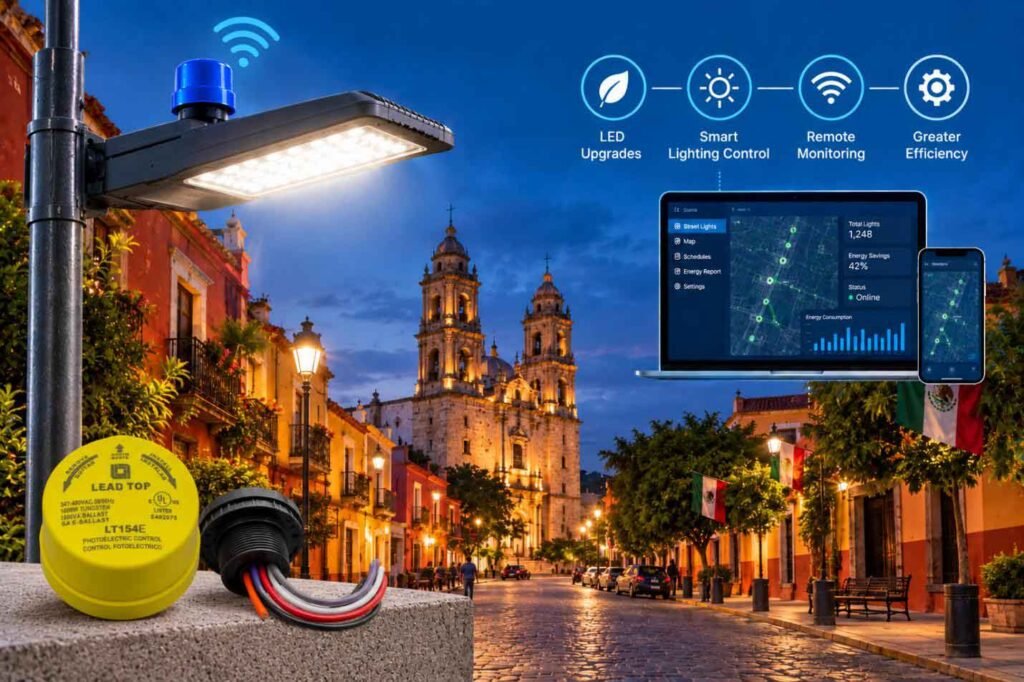
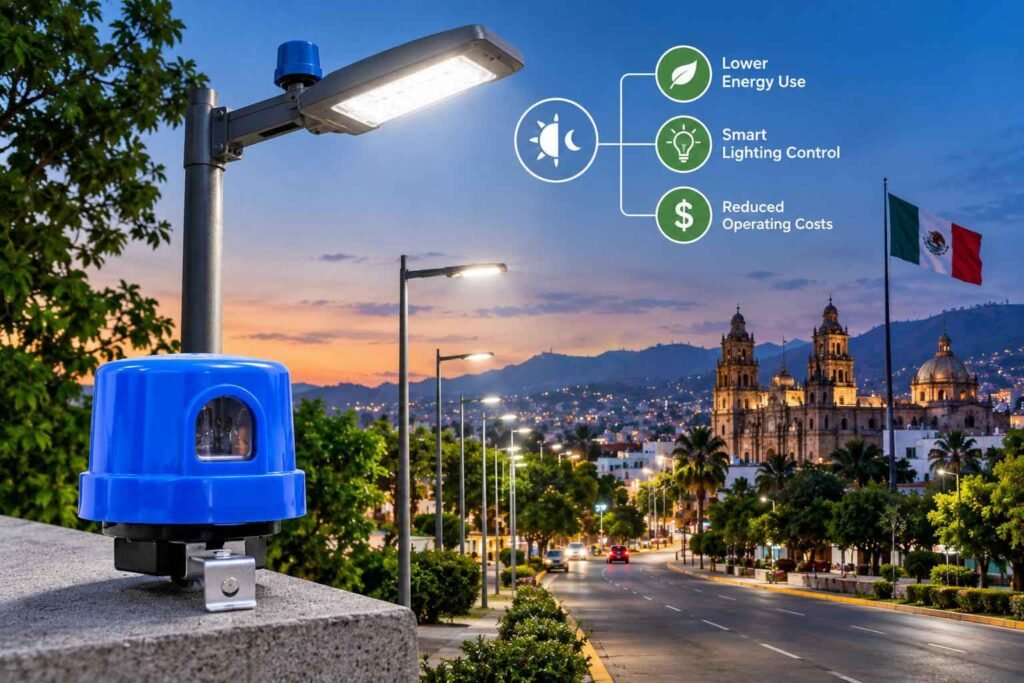
Centraal in deze omschakeling staan slimme sensortechnologieën zoals de fotocelsensor, de fotocelsensor voor buitenverlichting en geavanceerde verlichtingsregelsystemen die zijn ontworpen voor adaptieve stedelijke omgevingen.
Ongeacht of gemeenten doorgaan met de ontwikkeling van slimme steden met behulp van AI, zal slimme verlichtingsinfrastructuur een cruciale rol spelen bij het creëren van veiligere, energiezuinigere en beter verbonden stedelijke omgevingen.

Waarom stappen steden over op AI-gestuurde infrastructuur?
Gemeenten wereldwijd staan onder steeds grotere druk door de groeiende bevolking in stedelijke gebieden, stijgende energiekosten, klimaatuitdagingen en de toenemende complexiteit van de infrastructuur. Traditionele methoden voor stadsbeheer zijn niet langer toereikend om moderne stedelijke omgevingen te ondersteunen.
Door systemen in staat te stellen gegevens te verzamelen, omstandigheden in realtime te analyseren en automatisch intelligente operationele beslissingen te nemen. Kunstmatige intelligentie biedt gemeenten een krachtige oplossing.
AI-verkeersbeheer
Om de verkeersstroom dynamisch te optimaliseren, maken AI-gestuurde verkeerssystemen gebruik van camera's, sensoren en verbonden infrastructuur, aangezien verkeersopstoppingen wereldwijd een van de belangrijkste stedelijke uitdagingen blijven.
AI-systemen kunnen:
- Verkeerslichten robotisch afstellen
- Analyseer storingspatronen
- Verbeter de routeplanning voor hulpdiensten.
- Verminder het brandstofverbruik
- Verbeter de veiligheid op de snelwegen
AI-energieoptimalisatie
Om het energieverbruik in de openbare infrastructuur te verminderen, maken gemeenten ook gebruik van AI.
AI-gestuurde systemen kunnen:
- Monitor het elektriciteitsverbruik in realtime.
- De lichtintensiteit dynamisch aanpassen
- Voorspel de piek in de energievraag
- Optimaliseer de stroomdistributie.
Door fotocellen voor buitenverlichtingssystemen te integreren in gecentraliseerde AI-platforms, kunnen steden de onnodige energieverspilling aanzienlijk verminderen.
AI-hulpprogramma's en -infrastructuur
Watersystemen, afvalbeheer, transportnetwerken en elektriciteitsinfrastructuur worden in toenemende mate gekoppeld aan op AI gebaseerde monitoringsystemen.
Deze systemen ondersteunen:
- Voorspellend onderhoud
- Storing stopzetten
- Resourceoptimalisatie
- Feitelijke operationele analyse
AI-gestuurde publieke diensten
Kunstmatige intelligentie verbetert ook publieke diensten zoals:
- Noodhulp
- Ecologische monitoring
- Openbare veiligheidssystemen
- Slimme bewaking
- Stedelijke planning
Een goed verbonden verlichtingsinfrastructuur speelt een essentiële rol bij het mogelijk maken van veel van deze toepassingen.
Hoe zorgen sensoren voor de aandrijving van slimme stedelijke systemen?
Zonder sensoren kunnen AI-systemen niet de gegevens verzamelen die essentieel zijn voor intelligente besluitvorming. Sensoren vormen de basis van de moderne infrastructuur van slimme steden.
Moderne stedelijke systemen zijn sterk afhankelijk van:
- Ecologische sensoren
- Bewegingssensoren
- Verkeerscamera's
- Luchtkwaliteitsmeters
- Slimme verlichtingsregeling
- Fotocel-sensortechnologieën
Sensornetwerken
Sensornetwerken stellen gemeenten in staat om stedelijke omgevingen continu en automatisch te monitoren.
Deze systemen bieden realtime informatie over:
- Verkeerssituaties
- Klimaatpatronen
- Stroomverbruik
- Verlichtingsstatus
- Infrastructuurprestaties
In hedendaagse stedelijke sensornetwerken is de buitenlichtsensor met fotocel daarom een onmisbaar onderdeel.
Realtime monitoring van de infrastructuur
Moderne verlichtingssystemen kunnen het volgende detecteren en rapporteren:
- Lampstoringen
- Stroomonregelmatigheden
- Spanningsvariaties
- Onderhoudsvereisten
- Problemen met de verlichtingsprestaties
Dit is een verbetering:
- Onderhoudsbekwaamheid
- Openbare veiligheid
- Operationele betrouwbaarheid
- Energiebeheer
Stedelijke automatiseringssystemen
Automatisering wordt een van de belangrijkste kenmerken van slimme steden.
Sensorgestuurde systemen bieden nu ondersteuning voor:
- Automatische straatverlichting
- Dynamische verkeersregeling
- Slimme parkeersystemen
- Ecologische responsystemen
- Adaptief infrastructuurbeheer
Wat is de rol van fotocelsensoren in AI-verlichtingssystemen?
De moderne fotocelsensor voor buitenverlichting is niet langer slechts een eenvoudige aan/uit-schakelaar. Het is uitgegroeid tot een slim infrastructuuronderdeel dat AI-gebaseerde systemen voor lichtregeling kan ondersteunen.
Ouderwetse stijl fotocellen Vroeger werden de lichten simpelweg bij schemering ingeschakeld en bij zonsopgang weer uitgeschakeld. Moderne slimme fotocellen kunnen worden geïntegreerd met:
- Draadloze communicatiesystemen
- Adaptieve verlichtingsplatforms
- Software voor bewaking op afstand
- AI-gestuurde energieoptimalisatiesystemen
Adaptieve verlichtingssystemen
Een van de grootste voordelen van AI-gestuurde verlichting is adaptieve regeling.
Adaptieve verlichtingssystemen kunnen:
- Verminder de verlichting tijdens rustige verkeersuren.
- Verhoog de verlichting tijdens noodsituaties.
- Reageer op de weersomstandigheden
- Verbeter de zichtbaarheid op de snelweg dynamisch.
Sensorgestuurde automatisering
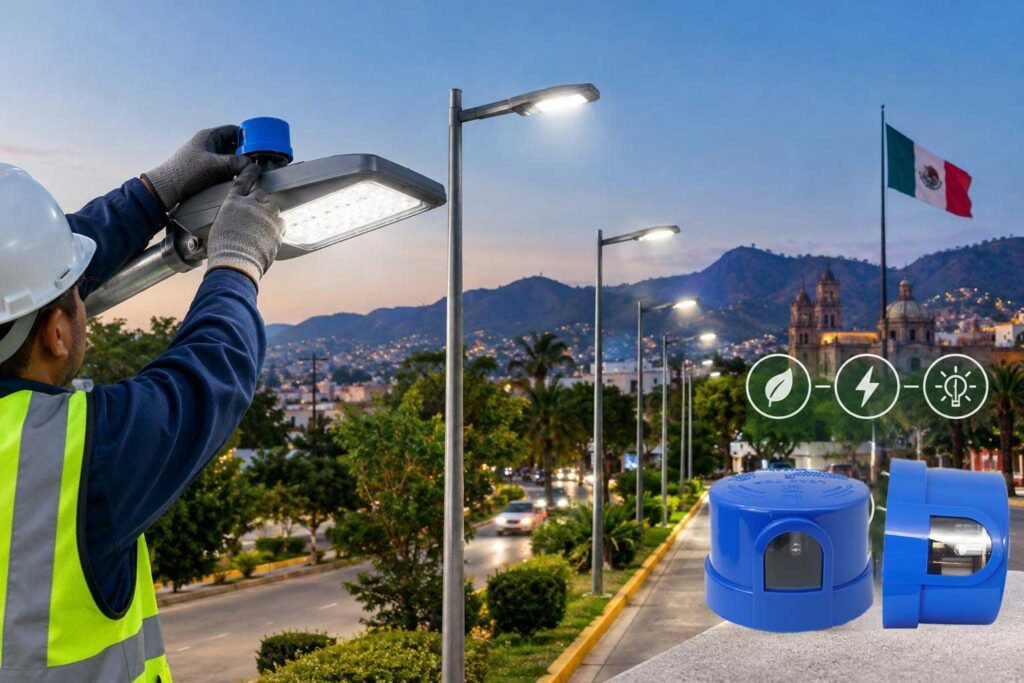
Moderne fotocellen voor buitenverlichtingssystemen ondersteunen innovatieve automatiseringsfuncties zoals:
- Bewegingsgevoelige verlichting
- Geplande dimming
- Dynamische verblindingscontrole
- Ecologische responsaanpassing
Energieoptimalisatie
De infrastructuur voor verlichting vormt een belangrijke operationele kostenpost voor steden.
AI-geïntegreerde fotocelsensoren voor buitenverlichtingssystemen helpen energieverspilling te verminderen door:
- Intelligente planning
- Werkelijke helderheidsaanpassing
- Geautomatiseerde daglichtdetectie
- Voorspellend operationeel management
Hoe kan AI-gestuurde straatverlichting de energieverspilling in steden verminderen?
Energiezuinigheid is een van de belangrijkste redenen waarom gemeenten investeren in AI-gestuurde verlichtingssystemen.
Ouderwetse verlichtingssystemen verspillen vaak energie omdat ze op een vast lichtniveau werken, ongeacht de werkelijke situatie.
Op AI gebaseerde verlichtingssystemen verbeteren de prestaties door middel van verschillende technologieën.
Schemering-tot-dageraad automatisering
Moderne fotocellen activeren de verlichting automatisch, alleen wanneer dat nodig is.
Dit elimineert:
- Daglichtverspilling
- Arbeidsintensieve schakelfouten
- Onnodige openingstijden
Dynamische dimming
AI-systemen kunnen de lichtniveaus dynamisch aanpassen op basis van:
- Verkeersbeweging
- aanwezigheid van voetgangers
- Weersomstandigheden
- Tijdstip van de nacht
Dit verlaagt het elektriciteitsverbruik aanzienlijk.
Intelligente planning
Gekoppelde verlichtingsplatformen stellen steden in staat om:
- Operationele schema's van het programma
- Seizoensinstellingen aanpassen
- Optimaliseer het energieverbruik.
- Onderzoek trends in energieverbruik
Wat zijn de aanbevolen AI-geschikte verlichtingsconfiguraties?
Standaardoplossing voor weginfrastructuur
Aanbevolen combinatie

Beste toepassingen
- Snelwegverlichting
- Infrastructuur van snelwegen in de metropoolregio
- Slimme snelwegprojecten in de GCC
Belangrijkste voordelen
| Functie | Voordeel |
| ANSI-instemming | Ondersteunt gestandaardiseerde snelwegsystemen. |
| Slim stopcontact | Compatibel met toekomstige slimme upgrades. |
| Overspanningsweerstand | Beschermt tegen instabiele stroomomstandigheden buitenshuis. |
| LED-driverbeveiliging | Vermindert de elektrische belasting van LED-systemen |
| Betrouwbare schakeling | Stabiele werking van zonsondergang tot zonsopgang |
Adaptieve verlichtingsoplossing voor slimme steden
Aanbevolen combinatie
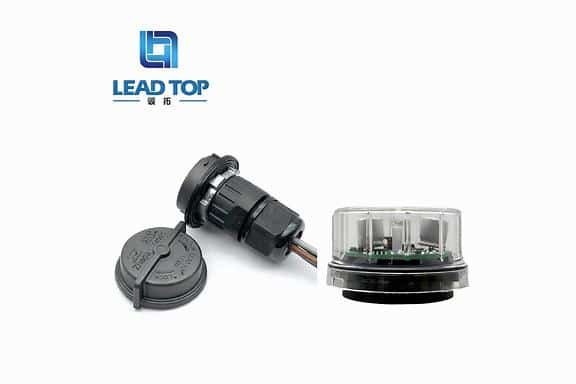
Beste toepassingen
- AI-projecten voor slimme steden
- Adaptieve stadsverlichting
- Aangesloten infrastructuursystemen
Belangrijkste voordelen
| Slimme functie | Infrastructuurvoordelen |
| Zhaga-compatibiliteit | Gestandaardiseerde integratie van slimme knooppunten |
| DALI-verlichtingsondersteuning | Geavanceerde digitale verlichtingsregeling |
| Compact modulair ontwerp | Eenvoudigere installatie en onderhoud. |
| IoT-geschikte architectuur | Ondersteunt de infrastructuur van een verbonden stad. |
| Compatibiliteit met adaptieve verlichting | Maakt slim verlichtingsbeheer mogelijk |
Hoe evolueert stedelijke infrastructuur van eenvoudige lichtregeling naar voorspellende systemen?
De toekomst van slimme gemeenten is sterk afhankelijk van voorspellend infrastructuurbeheer.
Onderhoud van infrastructuur volgens de traditionele methode is reactief. Problemen worden pas aangepakt nadat er storingen optreden.
Door data continu te analyseren, stellen AI-systemen gemeenten in staat om over te stappen op voorspellend onderhoud.
Voorspellend onderhoud
Moderne verlichtingssystemen kunnen voorspellen:
- Slijtage van onderdelen
- Stroomonregelmatigheden
- Mogelijke storingen
- Onderhoudsvereisten
Dit vermindert:
- Uitvaltijd
- Noodreparatiekosten
- Infrastructuurstoringen
AI-foutdetectie
Aangesloten verlichtingssystemen kunnen op robotische wijze de volgende zaken herkennen:
- Stroomuitval
- Spanningsvariabiliteit
- Communicatiestoringen
- Sensoronregelmatigheden
AI-algoritmen analyseren deze informatie om de betrouwbaarheid van de infrastructuur te verbeteren.
Bewaking op afstand
Dankzij gecentraliseerde monitoringsplatforms kunnen medewerkers duizenden verlichtingspunten op afstand beheren.
Dit is een verbetering:
- Operationele bekwaamheid
- Onderhoudsplanning
- Energieoptimalisatie
- Schaalbaarheid van de infrastructuur
Waarom zullen toekomstige steden afhankelijk zijn van sensornetwerken?
Toekomstige gemeenten zullen sterk afhankelijk zijn van intelligente sensornetwerken ter ondersteuning van stedelijke automatisering en optimalisatie van de infrastructuur.
De infrastructuur voor straatverlichting is bijzonder belangrijk omdat deze de volgende voordelen biedt:
- Bestaande elektrische toegang
- Stadsbrede dekking
- Verhoogde sensorlocaties
- Schaalbare implementatiemogelijkheden
Moderne fotocellen ontwikkelen zich tot intelligente infrastructuurapparaten die de volgende functies kunnen ondersteunen:
- Aangesloten verlichting
- AI-verkeerssystemen
- Slimme nutsvoorzieningen
- Ecologische monitoring
- Openbare veiligheidssystemen
De moderne fotocel-lichtsensor voor buiten wordt onderdeel van een uitgebreid stedelijk data-ecosysteem in plaats van te functioneren als geïsoleerde schakelaars.
Conclusie
Kunstmatige intelligentie transformeert stedelijke infrastructuur in slimme, verbonden omgevingen die in staat zijn het energieverbruik te optimaliseren, de openbare veiligheid te verbeteren en duurzame stadsontwikkeling te ondersteunen.
Slimme verlichtingssystemen behoren tot de eerste grootschalige, door AI ondersteunde infrastructuurplatformen, omdat ze de volgende elementen combineren:
- Sensornetwerken
- Feitelijke monitoring
- Geautomatiseerde besturing
- Gegevensverzameling
- Energieoptimalisatie
De ontwikkeling van de fotocelsensor, de fotocelsensor voor buitenverlichting en slimme verlichtingsregelsystemen laat zien hoe zelfs ouderwetse infrastructuurcomponenten onderdeel worden van de door AI gedreven toekomst.
Toekomstige gemeenten zullen afhankelijk zijn van slimme sensorsystemen, en slimme verlichtingssystemen helpen vandaag al bij het leggen van die basis.
CTA
Ontdek AI-gestuurde oplossingen voor lichtregeling in de infrastructuur van toekomstige slimme steden. Neem contact op met Lead-Top voor meer informatie over slimme fotocelsystemen., Zhaga-compatibele oplossingen en adaptieve verlichtingstechnologieën bedoeld voor de volgende generatie stedelijke infrastructuurprojecten.
Referenties:
- https://leaditop.com/product-2/
- https://leaditop.com/product/photo-electric-light-control-switch-120vac/
- https://leaditop.com/product/lt605s-sapce-saving-ansi-c136-41-5-7p-dimming-socket/
- https://leaditop.com/product/customizable-upgraded-models-highly-waterproof-zhaga-socket-lt600/
- https://leaditop.com/product/zhaga-socket-connected-dali-2-0-protocol-and-0-10v-dimming-control-luminaire-lighting-2/
- https://en.wikipedia.org/wiki/Zhaga_Consortium
- https://en.wikipedia.org/wiki/Artificial_intelligence

 Dutch
Dutch  English
  Portuguese (Brazil)
  Spanish
  Russian
  Japanese
  Portuguese (Portugal)