Waarom wordt AI onderdeel van de dagelijkse stedelijke infrastructuur?
Tegenwoordig maakt AI deel uit van het dagelijks leven in de stad., kunstmatige intelligentie Het is niet langer beperkt tot technologiebedrijven, onderzoekslaboratoria of futuristische concepten. Om de efficiëntie te verbeteren, de operationele kosten te verlagen en de duurzaamheidsdoelstellingen op lange termijn te ondersteunen, investeren gemeenten wereldwijd in digitale infrastructuur.
Het concept van door AI aangestuurde steden wordt werkelijkheid. In plaats van te functioneren via geïsoleerde systemen, zullen toekomstige gemeenten naar verwachting functioneren als onderling verbonden omgevingen waar data constant stroomt tussen sensoren, communicatienetwerken en beheerplatformen.
Technologische ontwikkeling alleen garandeert echter geen succes. Hoewel overheden en stedenbouwkundigen automatisering wellicht omarmen, blijft de uiteindelijke vraag: zullen burgers het vertrouwen?
Omdat mensen veiligere straten, een lager energieverbruik en betere openbare diensten willen, is de publieke opinie een van de belangrijkste factoren geworden die de toekomst van slimme steden bepalen. Tegelijkertijd willen ze echter ook transparantie, privacy en het vertrouwen dat technologie op een verstandige manier wordt gebruikt.
Hoe dringt AI ongemerkt door in de stedelijke infrastructuur?
Moderne gemeenten maken steeds vaker gebruik van slimme systemen ter ondersteuning van:
- Optimalisatie van verkeerslichten
- Dienstregeling openbaar vervoer
- Energieverdelingsbeheer
- Afvalinzamelingsplanning
- Ecologische monitoring
- Infrastructuuronderhoud
Deze systemen verzamelen en analyseren continu gegevens om de besluitvorming en operationele efficiëntie te verbeteren.
Zo kunnen door AI aangedreven verkeerssystemen bijvoorbeeld filepatronen monitoren en de timing van verkeerslichten automatisch aanpassen om vertragingen te verminderen. Energiebedrijven kunnen afwijkende energieverbruikspatronen opsporen en de stroomdistributie daarop optimaliseren.
Deze vorm van stedelijke automatisering stelt gemeenten in staat sneller te reageren op veranderende omstandigheden door de operationele kosten te verlagen.
Naarmate de technologie zich verder ontwikkelt, zal AI naar verwachting een steeds belangrijkere rol gaan spelen in slimme infrastructuur, ter ondersteuning van alles van transport en nutsvoorzieningen tot openbare veiligheid en ecologische duurzaamheid.

Hoe maken slimme verlichtingssystemen nu al gebruik van geautomatiseerde sensortechnologie?
Hoewel AI zich vaak richt op futuristische technologieën, functioneren geautomatiseerde verlichtingssystemen al jaren met succes.
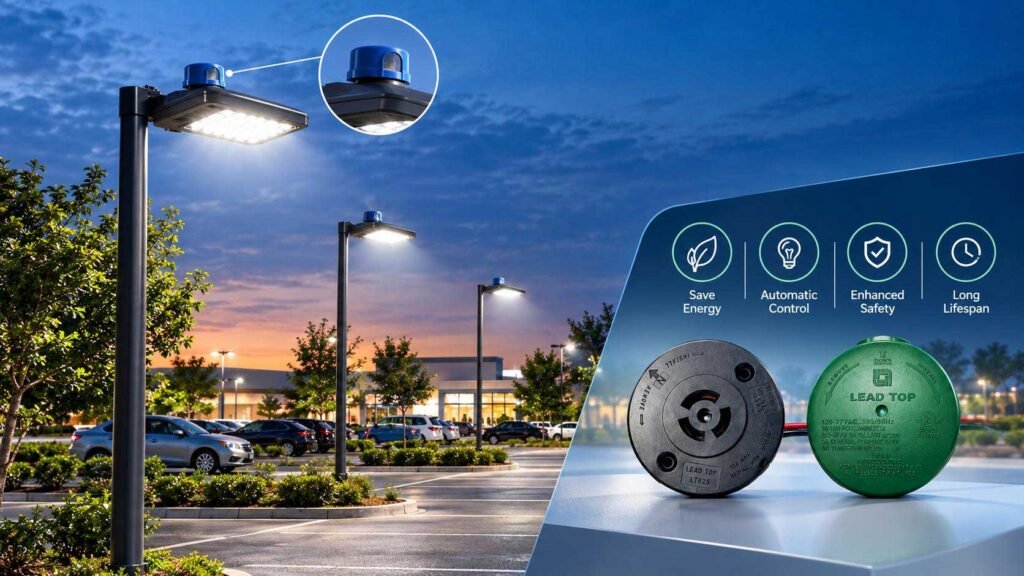
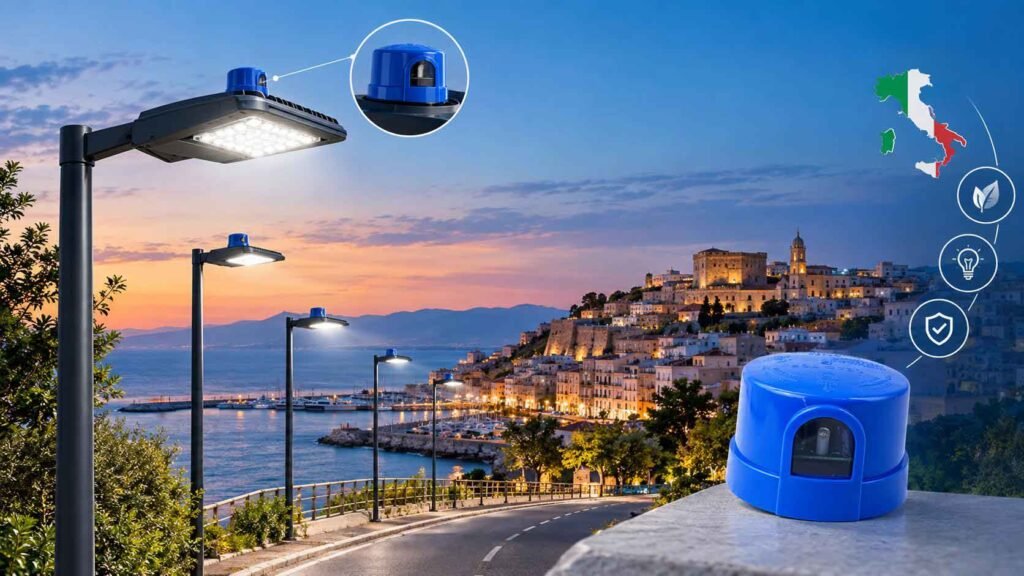
Een schemeringssensor is hiervan het beste voorbeeld. Deze schakelt automatisch straatverlichting in wanneer het omgevingslicht onder een vooraf ingestelde drempelwaarde daalt en schakelt deze weer uit wanneer het weer daglicht wordt.
Om de ecologische lichtomstandigheden continu te monitoren, maken deze systemen gebruik van een fotocelsensor voor buitenverlichting.
Zonder dat fysieke interventie nodig is, fotocellen aanbod:
- Automatische verlichtingswerking
- Verminderd elektriciteitsverbruik
- Constante verlichting
- Lagere onderhoudsvereisten
Op fotocellen gebaseerde systemen behoren tot de vroegste vormen van praktische infrastructuurautomatisering.
Daardoor verandert de ouderwetse fotocel van een eenvoudig schakelapparaat in een essentieel onderdeel van de verbonden stedelijke infrastructuur.
Kan AI-gestuurde verlichting het stadsleven verbeteren?
Voorstanders van de ontwikkeling van slimme steden wijzen vaak op verlichting als een van de meest efficiënte en algemeen erkende vormen van automatisering.
Straatverlichting heeft directe gevolgen voor:
- Openbare veiligheid
- Verkeerszichtbaarheid
- Energieverbruik
- Gemeentelijke operationele kosten
Door AI-gestuurde verlichtingssystemen kunnen deze resultaten verbeteren door dynamisch te reageren op situaties in de praktijk.
Adaptieve verlichtingstechnologieën kunnen bijvoorbeeld automatisch de lichtsterkte aanpassen op basis van:
- Verkeersdichtheid
- voetgangersbeweging
- Weersomstandigheden
- Tijdstip van de dag
- Speciale evenementen
Verlichtingssystemen kunnen nauwkeurig licht leveren wanneer en waar dat nodig is, in plaats van de hele nacht op volle sterkte te branden.
De voordelen van AI-gestuurde verlichting zijn onder meer:
- Verbeterd zicht op de weg
- Lager energieverbruik
- Lagere onderhoudskosten
- Verbeterde infrastructuurprestaties
- Verbeterde duurzaamheidsresultaten
Wat zijn de voordelen van slimme buitenverlichting?
Slimme verlichting biedt voordelen die verder gaan dan alleen energiebesparing.
Een essentieel onderdeel is de beste schemeringssensor voor buiten, die garandeert dat verlichtingssystemen constant en nauwkeurig werken, ongeacht de seizoensgebonden variaties in daglicht.
Moderne intelligente verlichtingssystemen bevatten vaak geavanceerde fotocel-lichtsensoren voor buitengebruik, die een betrouwbare werking garanderen onder uiteenlopende omgevingsomstandigheden.
Belangrijke voordelen van slimme buitenverlichting
| Voordeel | Impact op de gemeentelijke infrastructuur |
| Energievaardigheid | Vermindert onnodig elektriciteitsverbruik |
| Automatische bediening | Elimineert arbeidsintensieve overstapvereisten. |
| Verbeterde veiligheid | Zorgt voor constante zichtbaarheid 's nachts. |
| Lager onderhoud | Vermindert servicebezoeken en arbeidskosten. |
| Duurzaamheidsondersteuning | Draagt bij aan het behalen van ecologische doelstellingen. |
| Operationele betrouwbaarheid | Verbetert de prestaties van het systeem op de lange termijn. |
Naast de praktische voordelen biedt slimme verlichting ook een basis voor toekomstige slimme stadstoepassingen.
Wat zijn de aanbevolen verlichtingsconfiguraties voor slimme stedelijke automatisering?
Kostenefficiënte slimme verlichtingsoplossing voor renovatie
Voor steden die aan hun moderniseringsproces beginnen, kan een kostenefficiënte oplossing direct voordelen opleveren zonder dat er grote investeringen in infrastructuur nodig zijn.
Aanbevolen combinatie
LT104 voordelige elektronische fotocel + LT645 / LT645B NEMA-montageaansluiting

Het beste voor
- Zuid-Amerikaanse metropoolprojecten
- Budgetvriendelijke stadsvernieuwingen
- LED-retrofitprogramma's
Belangrijkste voordelen
- Eenvoudige implementatie
- Betrouwbare werking van zonsondergang tot zonsopgang
- ANSI verenigbaarheid
- Lage operationele kosten
Duurzame gemeentelijke verlichtingsoplossing
Voor grotere projecten waar betrouwbaarheid en minder onderhoud prioriteit hebben, bieden fotocelsystemen met een lange levensduur meer toegevoegde waarde.
Aanbevolen combinatie
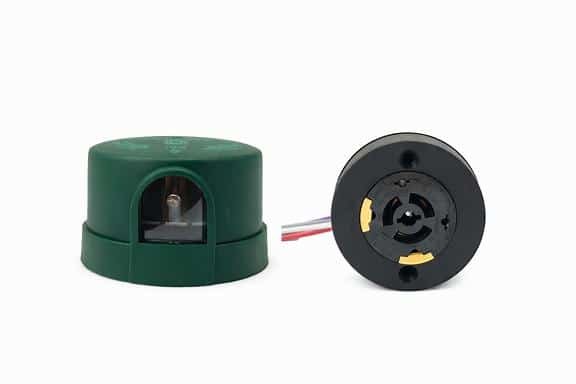
Het beste voor
- Openbare snelwegen
- Infrastructuur van parkeerterreinen
- Omgevingen met hoge onderhoudskosten
Belangrijkste voordelen
- Verlengde levensduur van het relais
- Hoge inschakelstroombeveiliging
- Flexibele installatie
- Langdurige prestaties buitenshuis
Vergelijking van aanbevolen oplossingen
| Functie | LT104 + LT645 | LT134 + LT605R |
| Projectomvang | Klein tot middelgroot | Middelgroot tot groot |
| Initiële investering | Lager | Hoger |
| Levensduur van de dienst | Standaard | Verlengd |
| Inschakelbeveiliging | Basis | Versterkt |
| Installatieflexibiliteit | Goed | Uitstekend |
| Besparingen op onderhoud op de lange termijn | Gematigd | Hoog |
Waarom is privacy een van de grootste zorgen bij slimme steden?
Ondanks de potentiële voordelen van door AI bestuurde steden, blijven er belangrijke zorgen bij het publiek bestaan.
Veel mensen zijn voorstander van betere infrastructuurprestaties, maar staan tegelijkertijd waakzaam tegenover de manier waarop technologie informatie verzamelt en gebruikt.
Veelvoorkomende problemen zijn onder andere:
- Gegevensprivacy
- Bewakingsmogelijkheden
- Transparantie
- Cyberbeveiligingsrisico's
- Verantwoordelijkheid
Deze zorgen zijn logisch en vragen om zorgvuldige overweging.
Niet alle slimme infrastructuur omvat het verzamelen van persoonsgegevens. Zo meten lichtsystemen op basis van fotocellen voornamelijk de ecologische lichtniveaus in plaats van persoonlijke informatie.
Naarmate gemeenten meer verbonden technologieën inzetten, vereist het behoud van publiek vertrouwen transparantie met betrekking tot:
- Welke gegevens worden verzameld?
- Hoe gegevens worden gebruikt
- Wie heeft toegang tot de informatie?
- Hoe systemen beveiligd worden
Zullen burgers in de toekomst vertrouwen hebben in AI-infrastructuur?
Het vertrouwen van het publiek in AI zal vooral afhangen van hoe gemeenten technologische veranderingen implementeren en communiceren.
Enkele factoren kunnen bijdragen aan het opbouwen van vertrouwen:
- Transparante communicatie
- Verantwoord gegevensbeheer
- Ethische technologiestrategieën
- initiatieven voor publieke participatie
- Onafhankelijk toezicht
Vertrouwen wordt in essentie opgebouwd door relaties tussen overheden, infrastructuurproviders en de gemeenschappen die zij bedienen; vertrouwen wordt niet alleen door technologie opgebouwd.
Conclusie: zullen door AI bestuurde steden publieke acceptatie krijgen?
De toekomst van door AI bestuurde steden zal van veel meer afhangen dan alleen technologische mogelijkheden. Publiek vertrouwen, transparantie en een verantwoorde implementatie zullen een even belangrijke rol spelen.
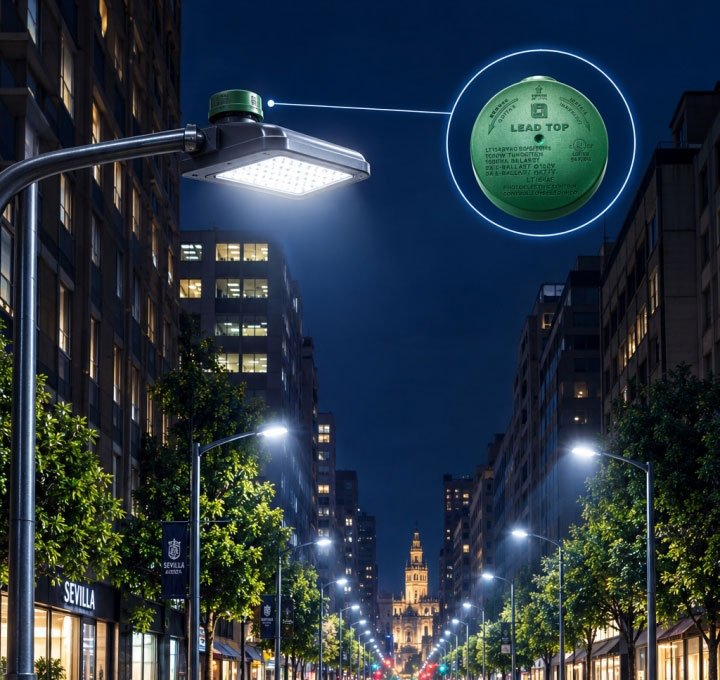
Automatisering kan praktische voordelen bieden zonder het dagelijks leven te verstoren, en dat is precies wat slimme verlichtingssystemen, aangedreven door fotocelsensoren voor buitenverlichting en innovatieve besturingssystemen, aantonen.
Met de voortdurende evolutie van gemeenten zullen slimme infrastructuur, stedelijke automatisering en adaptieve verlichtingsoplossingen bijdragen aan de verbetering van de efficiëntie, duurzaamheid en openbare veiligheid.
Naarmate technologie steeds meer geïntegreerd raakt in gemeenten, is de echte uitdaging ervoor te zorgen dat burgers zich zelfverzekerd, geïnformeerd en op hun gemak voelen.
CTA:
Betrouwbare slimme verlichting begint met betrouwbare besturingssystemen.
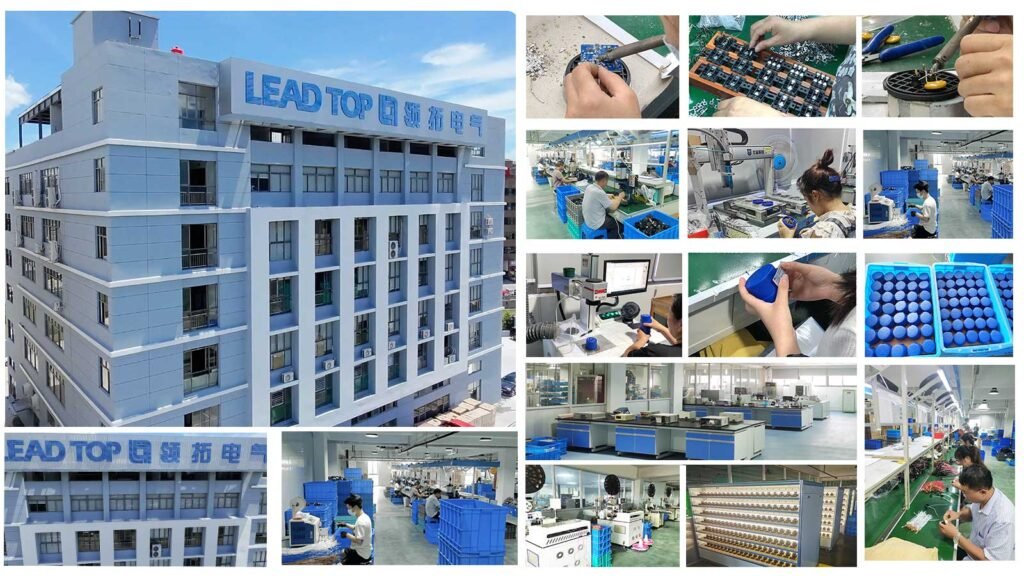
De slimme fotoceloplossingen van Lead-Top helpen steden, leveranciers en verlichtingsprofessionals bij het implementeren van energiezuinige, geautomatiseerde buitenverlichtingssystemen die ontworpen zijn voor langdurige prestaties.

 Dutch
Dutch  English
  Portuguese (Brazil)
  Spanish
  Russian
  Japanese
  Portuguese (Portugal)