The Ultimate Guide to Photocells, Photocontrols, NEMA Sockets, and Zhaga: What Must Outdoor Lighting Professionals Know Today?
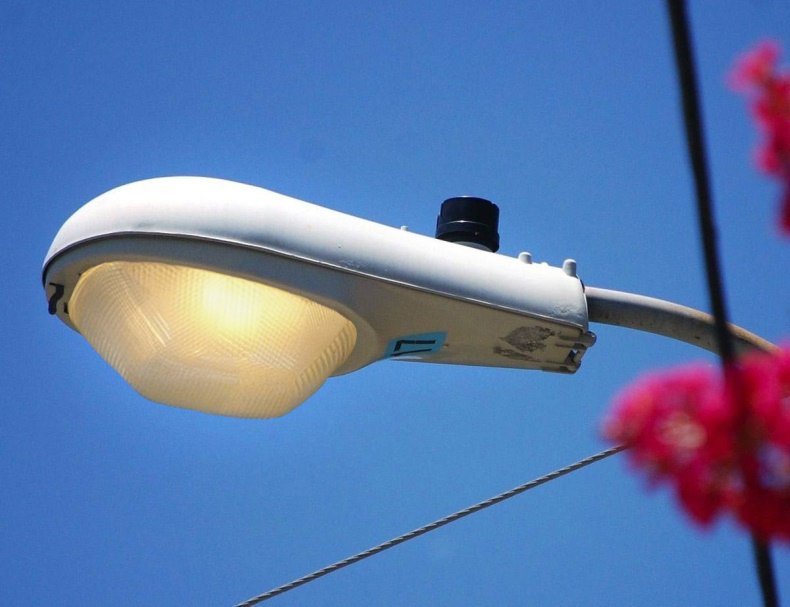
Outdoor lighting is no more the simple, one-directional utility system it used to be. The engineering is moving quickly in the direction of smart city incorporation, energy optimization, and sustainability acquiescence. At the heart of this progression lies a small but commanding component: the photocell (or photocontrol). Formerly in charge only for turning lights on […]
Is It Necessary to Add Surge Protection to NEMA Sockets? A System-Level Perspective on the Division of Functions Between Photocells and Sockets

Introduction: The Importance of Surge Protection in Smart Lighting Systems Ensuring electrical stability has become a critical concern as smart lighting systems evolve. Among various threats, power surges—caused by lightning strikes, grid switching, or inductive loads—are a major risk to outdoor lighting infrastructure. Many projects adopt NEMA socket standards for their streetlight lighting controller interfaces, […]
NEMA 5P vs. NEMA 7P Photocells: Which One is Right for Your Smart Lighting Needs?

Differentiating between NEMA 5P and NEMA 7P photo controls is quite strenuous for the majority of buyers. Although their practicality and usage scenarios vary notably, both are widely applied in outdoorsy lighting applications. Selecting the best-fit photo sensor guarantees better lighting show, energy efficiency, and integration with smart lighting systems. Understanding these differences can help municipalities, […]
Customizable Nema Photocell Switch Cover and Base UV Resistant PC Housing for Outdoor Lighting Control
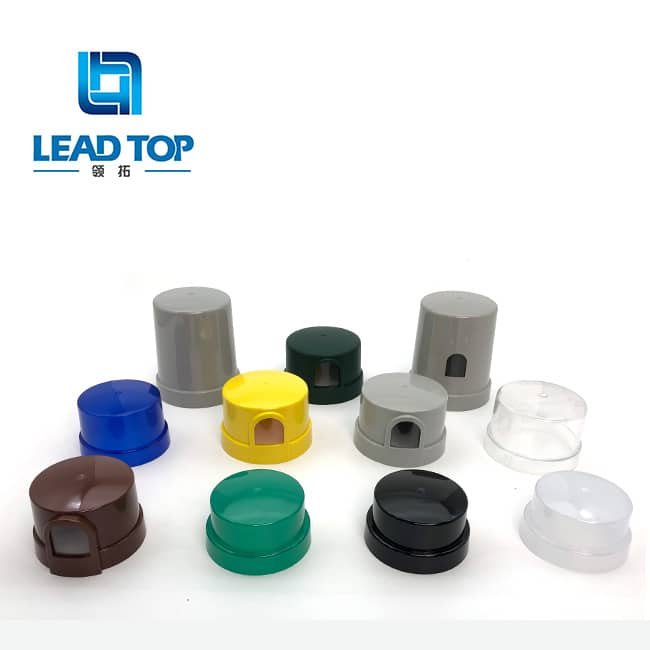
Our street lighting photocells are ANSI C136.10 compliant, providing a cost-effective and dependable solution for automated lighting control from dusk to dawn. Engineered to optimize lighting system performance and save energy, these photocells utilize advanced electronic circuitry and a stable phototransistor light sensor for consistent on/off functionalit
TECHNICAL SPECIFICATION
BASE LT100B-5PIN & 7PIN
Standard :ANSI C136.41-2013
Rated Voltage Power: 0-480VAC (Contact: 0-30VDC)
Rated Load Power: 15A (Contact: 250mA)
Base :High Temperature Resistance
Polybutylene Terephthalate (PBT)
Power Pin :Brass with Tin Plate
Contact Pin :Phosphor Copper with tinplating and
gold plating on contact segment
5 Position :3 power contacts
2 dimming/signal contacts
7 Position :3 power contacts
4 dimming/signal contacts
Operating Temperature :-40℃ to +70℃
COVER LT100C – C3090 & C3100 & C3130
Material :Anti-UV Impact Resistance
Polycarbonate
Thickness :3mm
Height:
LT100C-C3090: 90mm
LT100C-C3100: 100mm
LT100C-C3130: 130mm
Operating Temperature :-40℃ to +70℃
Color :Clear Black
Understanding LED Driver Inrush Current and Why Zero-Cross Photocells Matter
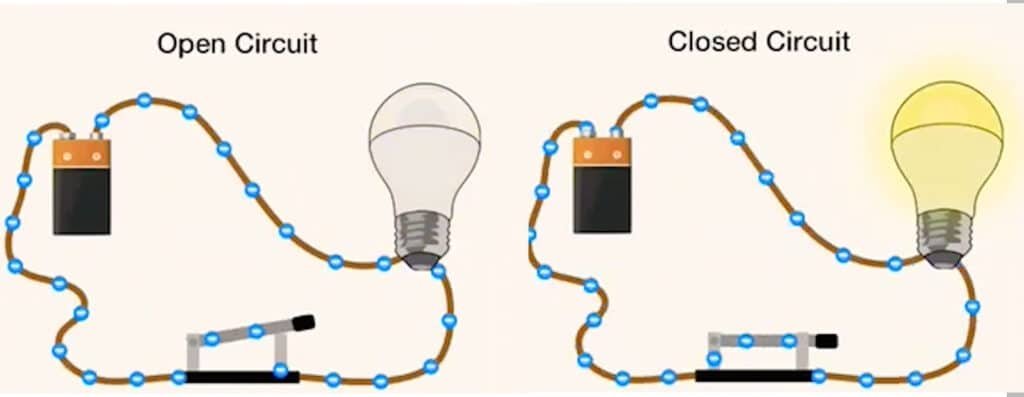
Contemporary outdoor illumination systems are progressively based on LED technology because of their high energy proficiency, extended lifecycle, and upgraded performance. Though, as LED systems become more progressive, the compatibility between LED drivers and switching devices such as photocells becomes more significant. One of the most ordinarily misinterpreted electrical characteristics in LED illumination systems is inrush […]
Is Lux Adjustment in Photocells Really Necessary?
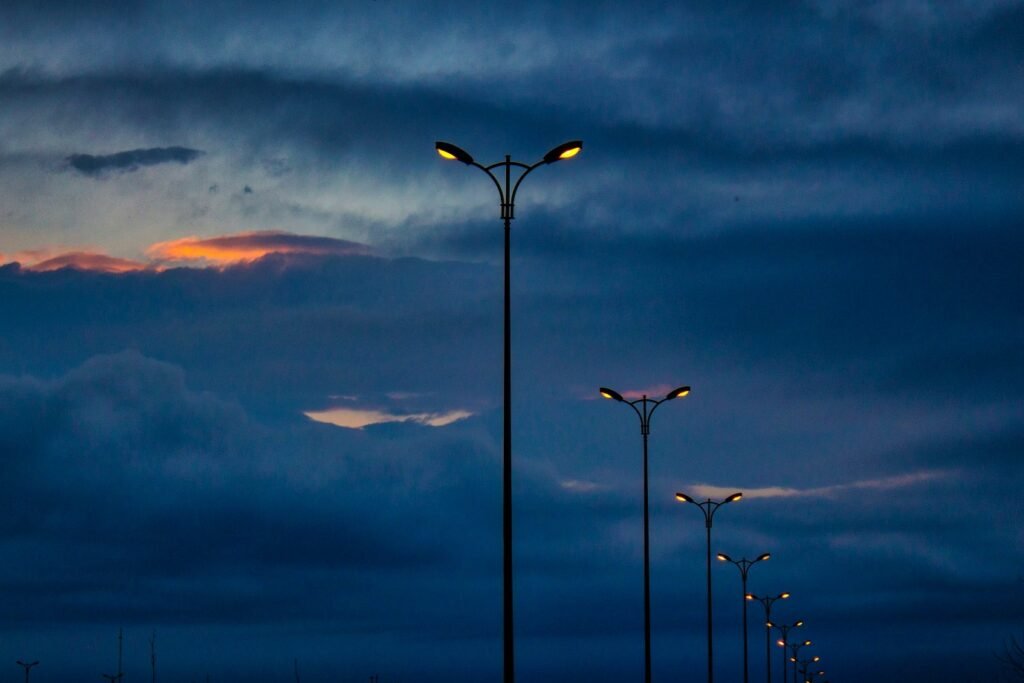
In contemporary outdoor lighting control systems, photocells appear deceivingly simple. They sense surrounding light and switch lighting circuits ON or OFF consequently. Yet one design feature continues to cause debate amongst producers, engineers, and purchasers alike: lux adjustment. Numerous product datasheets promote lux adjustment photocell designs as more supple, specialized, or customizable. Modifiable settings are often outlined as […]
Why Are Wire-In Photocells Still the Most Cost-Effective Lighting Control Solution?

Introduction: Why Do Many Buyers Think Traditional Lighting Controls Are Becoming Obsolete? With the speedy progression of smart illumination, IoT platforms, and wireless control technologies, numerous purchasers now assume that old-fashioned lighting control components are out-of-date. Cloud dashboards, wireless nodes, and intelligent sensors every so often control marketing narratives, making the impression that older technologies […]
Wire-In Photocells Explained: Internal vs External Installation — Pros & Cons

When postulating illumination control components for outdoor luminaires, many engineers and purchasers focus on electrical parameters like voltage range, load capacity, or waterproof rating. However one important decision time and again receives less attention than it deserves: Should the wire-in photocell be installed internally or externally? This selection unswervingly affects the actual performance of an […]
Future of Outdoor Lighting Controls: Why Photocells Will Still Dominate in the Next Decade
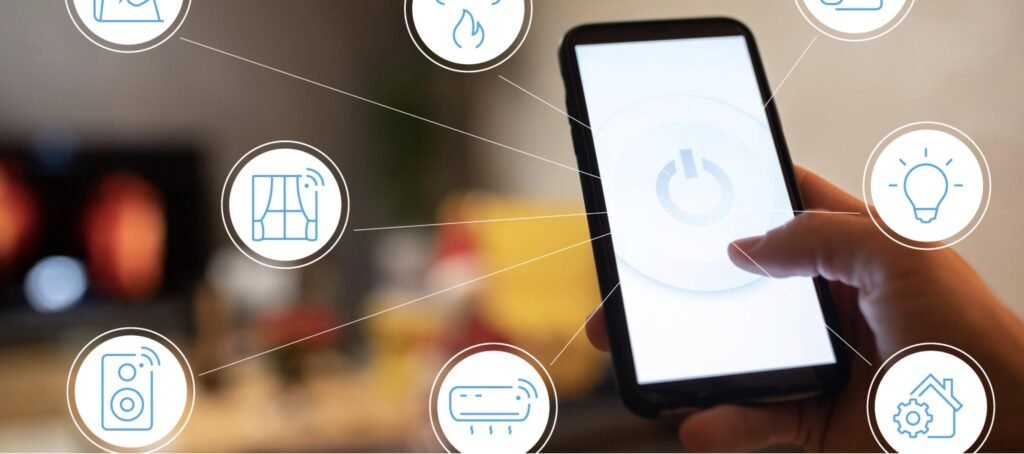
What Is Driving the Debate About the Future of Outdoor Lighting Controls? The future of outdoor lighting controls is one of the most chatted matters in the international illumination industry nowadays. As metropolises spend deeply in smart city infrastructure, discussions time and again focus on cloud platforms, AI-based analytics, wireless communication, and centralized dashboards. These inventions […]
Hidden Risks for Distributors: How Do Low-Quality Photocells Destroy Profit Margins?
Introduction: Why Does “Cheap” Often Become Expensive in the Lighting Business? In lighting distribution, pricing stress is continuous and challenging. Suppliers face demands from contractors, metropolises, and project designers for nonstop rebates, faster delivery timetables, and prolonged payment terms. In this situation, it can be enormously tempting to source low-cost photocells to gain price advantages and […]
 English
  Portuguese (Brazil)
  Spanish
  Russian
  Dutch
Dutch  Japanese
  Portuguese (Portugal)