Contemporary outdoor illumination systems are progressively based on LED technology because of their high energy proficiency, extended lifecycle, and upgraded performance. Though, as LED systems become more progressive, the compatibility between LED drivers and switching devices such as photocells becomes more significant. One of the most ordinarily misinterpreted electrical characteristics in LED illumination systems is inrush current.
Numerous switching issues that occur in LED outdoor illumination installations are not due to product faults but are in its place related to electrical behavior during startup. Understanding how inrush current works and why zero-cross photocells are advantageous can considerably improve the dependability and lifecycle of illumination control systems.
What Is LED Driver Inrush Current?
In LED illumination systems, the LED fitting comprises an internal electronic component known as an LED driver. The driver changes AC input power into the controlled DC power required by LEDs.
Inside the LED driver are numerous electronic components such as rectifiers, EMI filters, and input capacitors. These capacitors must charge instantly when power is first applied to the fixture.
At the moment the light is switched on, the capacitors draw large amount of current for a very short period. This abrupt thwart in current is known as inrush current.
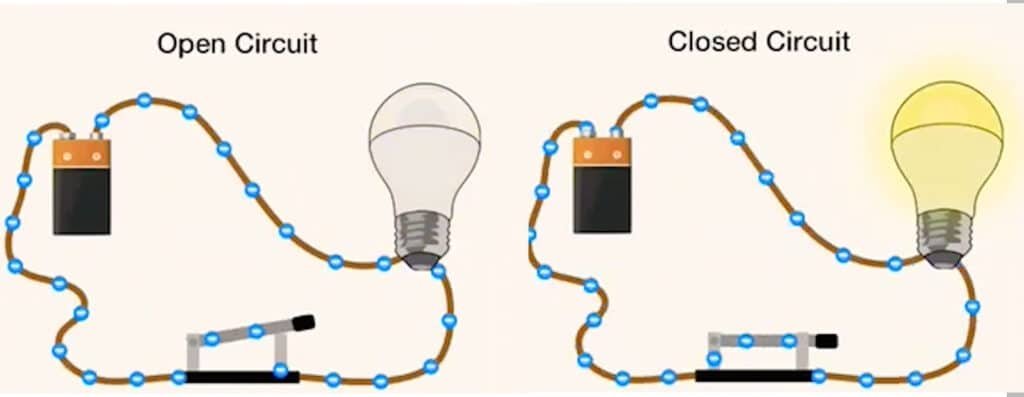
Though this surge normally continues only a few milliseconds, the peak current can be many times higher than the fixture’s normal operative current.
This short-term but strong current thwart can place significant stress on switching components in the illumination system.
Why Does Inrush Current Occur in LED Lighting Systems?
Inrush current is far more common in LED illumination than in old-fashioned illumination technologies because LED drivers are electronic switching power supplies instead of simple resistive loads.
Old incandescent lamps behave like resistors. When power is applied, current rises slowly and predictably. This makes switching comparatively easy for devices such as photocells or relays.
LED drivers, though, contain numerous electronic stages planned to increase proficiency and constancy. These components comprise:
- Rectifiers that change AC power to DC
- EMI filters that decrease electrical intrusion
- Input capacitors that stabilize voltage
As LED illumination remains to swap old-style lamps in applications such as street illumination, parking area illumination, and commercial outdoor fittings, understanding this electrical difference becomes progressively significant.
How Does Inrush Current Affect Photocells and Switching Devices?

When a photocell switches power to an LED fitting with high inrush current, the contacts inside the photocell must bear the abrupt current thwart.
If the surge is too high, several problems may occur.
Possible Effects of High Inrush Current
| Problem | Description |
| Contact welding | Excessive surge current can cause the contacts to fuse together |
| Startup flickering | The lighting system may flicker briefly during power-on |
| Switching failure | The photocell may fail to turn the light on or off properly |
| Shortened lifespan | Repeated electrical stress can degrade internal switching components |
These problems are predominantly common when numerous LED fittings are connected to a single photocell. When a number of drivers try to charge their capacitors all at once, the total inrush current can become very high.
What Is Zero-Cross Switching?
Zero-cross switching is a technology intended to decrease electrical stress when switching AC circuits.
In an AC system, voltage continuously moves back and forth in a sine wave pattern. It goes from positive to negative voltage several rounds in just a second.
The moment when the voltage crosses from positive to negative (or vice versa) is called the zero-cross point. This name is given because at this crossing point, the voltage is letrally zero for a moment.
A zero-cross photocell is programmed to open or close the circuit only when the AC waveform passes through this zero-voltage point.
This timing considerably decreases the electrical stress experienced by switching components.
When switching occurs at peak voltage, the electrical load experiences an instant high voltage difference, which rises current shock and stress on the contacts.
Why Does Zero-Cross Switching Improve System Reliability?
Zero-cross switching technology brings numerous benefits for LED illumination systems, mainly those with high inrush current drivers.
Benefits of Zero-Cross Photocells
| Benefit | Explanation |
| Reduced electrical stress | Switching occurs at minimal voltage |
| Longer contact lifespan | Less arcing and contact damage |
| Improved LED driver compatibility | Helps manage high inrush current |
| More stable startup | Reduces flickering during power-on |
| Increased system reliability | Enhances long-term performance |
Owing to these benefits, zero-cross switching is mainly useful in contemporary LED illumination installations where drivers produce substantial inrush current.
When Should Zero-Cross Photocells Be Used?
Though normal photocells function well in many illumination systems, certain circumstances benefit greatly from zero-cross technology.
Zero-cross photocells are suggested when LED fittings produce high startup current or when numerous fixtures are controlled by a single switching device.
These circumstances comprise:
- High-wattage LED street illuminations
- Commercial outdoor illumination installations
- Urban illumination infrastructure
- Illumination systems with many fixtures on one photocell
- Projects needing elongated service life and low upkeep
Urban street illumination systems, for example, every so often operate uninterruptedly for many years. In such cases, minimalizing electrical stress on switching components can considerably decrease upkeep costs and equipment failure.
So, engineers and illumination designers often favor zero-cross photocells in extensive LED installations.
How Can LED Drivers and Photocells Be Properly Matched?
Appropriate matching of LED drivers and photocells is important for guaranteeing constant and dependable illumination operation. Engineers and installers should consider some factors before choosing switching devices for LED illumination systems.
First, it is imperative to check the inrush current specification listed in the LED driver’s technical documentation. This value specifies the highest startup current that the driver may draw.
Next, the switching capacity of the photocell should be confirmed to confirm it can securely handle both stable working current and short-range surge current.
Further best practices comprise:
- Choosing photocells with proper load ratings
- Using zero-cross models for high-power LED fittings
- Evading excessive fixture grouping on a single photocell
- Conducting pilot installations before full deployment
What Are the Most Common Questions About Inrush Current and Photocells?
What Happens If Inrush Current Is Too High?
If inrush current surpasses the switching capacity of the photocell, it can harm internal contacts or cause early wear. With the time, this may lead to switching letdown or untrustworthy operation.
Do All LED Fixtures Produce Inrush Current?
Yes. Nearly all LED drivers comprise input capacitors that produce some level of inrush current when power is first applied. Though, the magnitude of the surge varies depending on driver design.
Is Zero-Cross Switching Required for Every LED Fixture?
No. Numerous small LED fixtures function well with normal photocells. Zero-cross switching is most advantageous for high-power fittings or installations with manifold drivers connected to one switching device.
Can Inrush Current Cause Visible Flickering?
Yes. If the switching device cannot handle the startup surge appropriately, the illumination system may face flickering or uneven startup behavior.
Conclusion
As LED illumination remains to substitute old-style illumination technologies in outdoor applications, understanding the electrical characteristics of LED drivers becomes progressively significant.
One of the most noteworthy of these characteristics is inrush current, the short but powerful surge that occurs when LED fixtures are first energized. This surge can place substantial stress on switching devices such as photocells, relays, and connectors.
Using zero-cross photocells helps decrease electrical stress by guaranteeing that switching occurs when AC voltage passes through zero. This simple but effective design feature decreases contact wear, increases LED driver compatibility, and improves general system dependability.
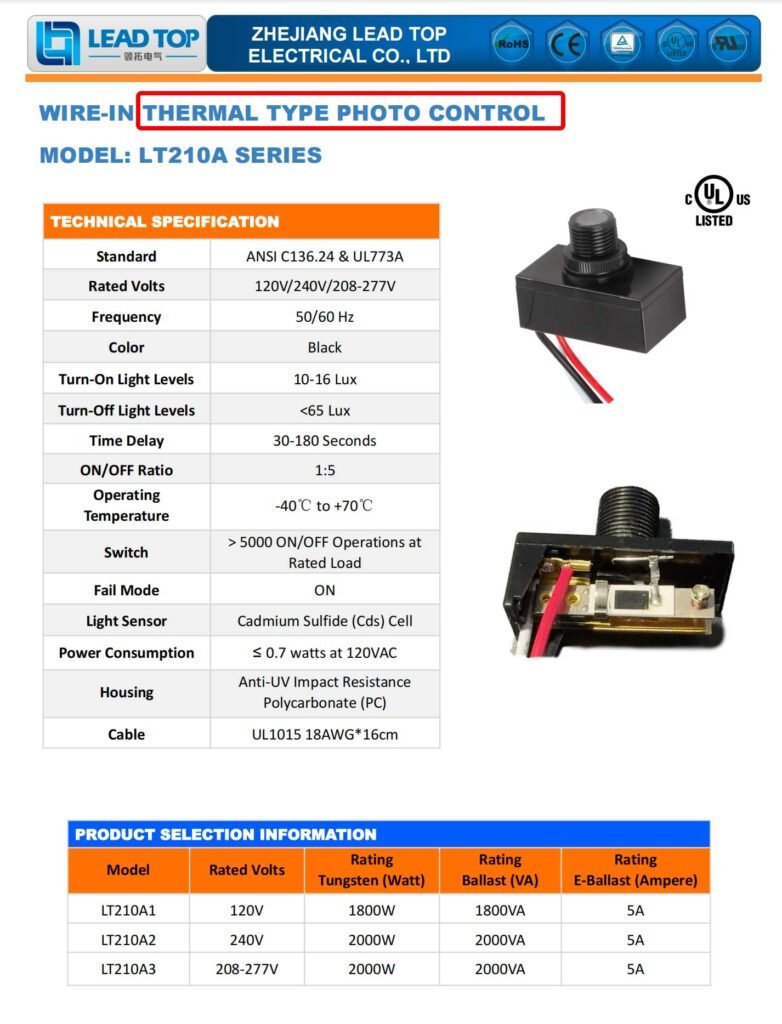
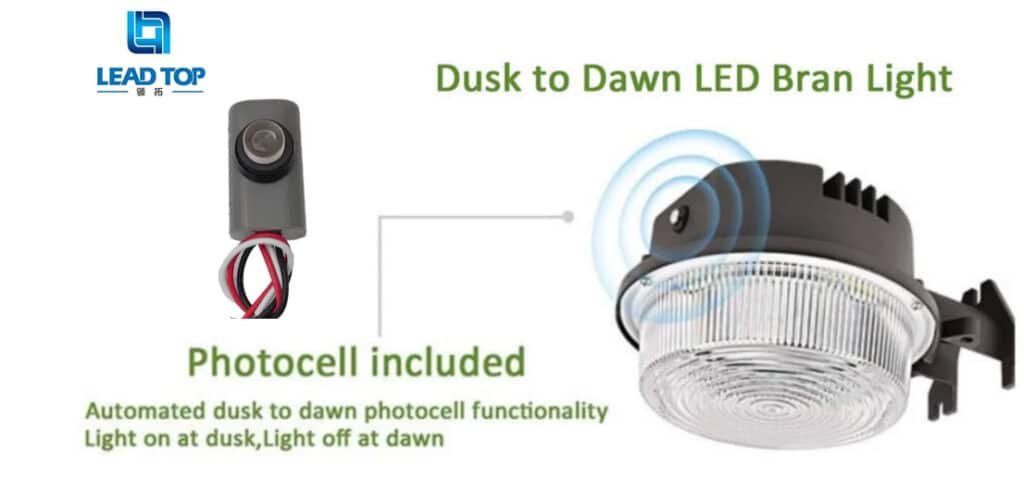
With more than a decade of experience in photo control engineering, Lead-Top Electrical Co., Ltd. offers licensed wire-in, NEMA, and Zhaga series photo controls made to deliver dependable performance and excellent compatibility with modern LED lighting systems around the world.
References:
- https://en.wikipedia.org/wiki/National_Electrical_Manufacturers_Association
- https://leaditop.com/product-2/
- https://leaditop.com/wire-in-controllers/
- https://leaditop.com/twist-lock-photocontrollers/
- https://leaditop.com/product-category/product/zhaga-control/
- https://www.sourcetronic.com/en/glossary/emi-filter/


 English
  Portuguese (Brazil)
  Spanish
  Russian
  Dutch
Dutch  Japanese
  Portuguese (Portugal)