How Professional Lighting Manufacturers Choose a Reliable Photocell Supplier

Introduction: Why Is Choosing the Right Photocell Supplier So Critical? For professional lighting producers the thing that directly impact product quality, brand reputation, and long lasted profitability is selecting the right supplier, as it is a tactical move to save your own skin in future. Countless corporations undervalue the significance of supplier selection till problems […]
Are You a Factory or a Trading Company? (Lead-Top Transparency Guide)
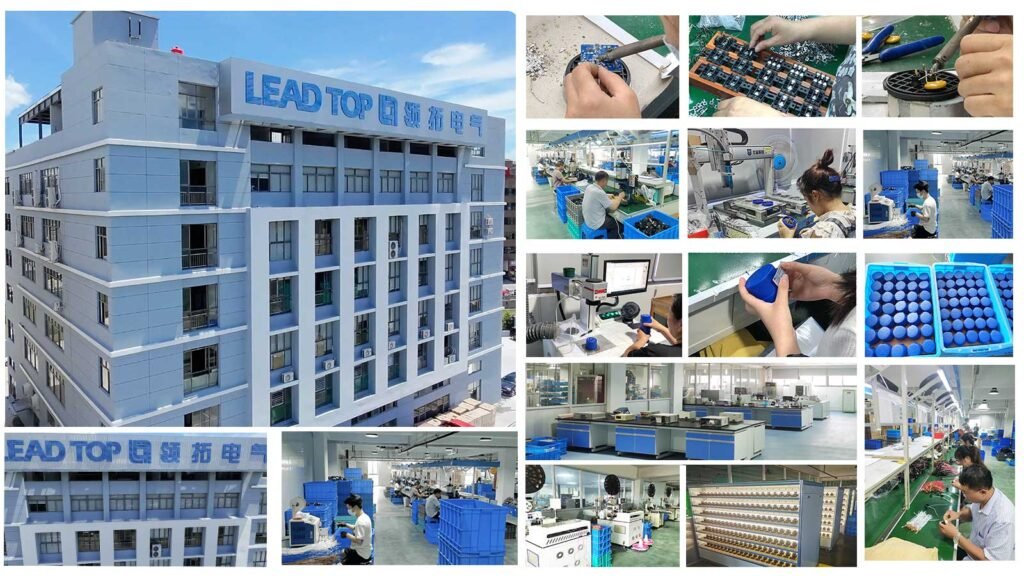
Introduction: Why Does It Matter Whether Your Supplier Is a Factory or a Trading Company? In today’s international sourcing environs, one of the most significant questions purchasers ask is: Are you a real factory or just a trading company? This question has become more and more critical, particularly for foreign purchasers looking for trustworthy long-lasted […]
Why Choose Lead-Top Photocells for Your Lighting Business?
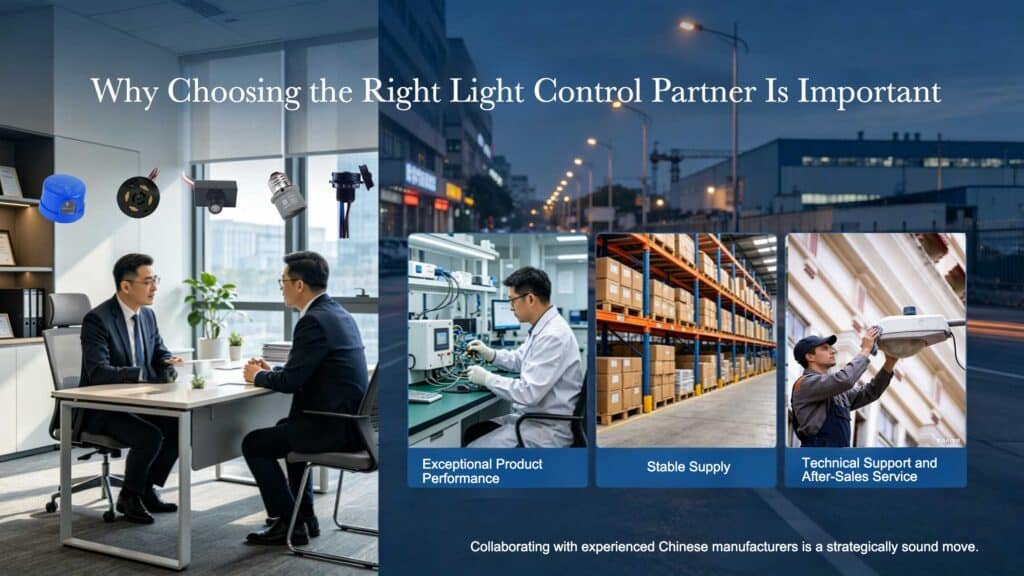
Introduction: Why Is Choosing the Right Photocell Partner So Important? In today’s competitive illumination industry, choosing the correct partner is just as imperative as selecting the correct product. Numerous purchasers emphasis only on price, but this tactic every so often leads to long-lasted problems such as unreliable quality, postponed consignments, and system letdowns. A reliable […]
Top 5 Problems When Buying Photocells (And How to Avoid Bad Suppliers)
Introduction: Why Do Buyers Face Problems When Sourcing Photocells? Sourcing photocells may appear simple, but in actuality, numerous illumination producers, suppliers, and distributors experiences unseen risks—particularly when working with unacquainted suppliers. The international market is filled with options, ranging from high-grade licensed producers to cheap traders with unreliable products. These risks every so often lead to […]
Photocell Market in Southeast Asia & Middle East
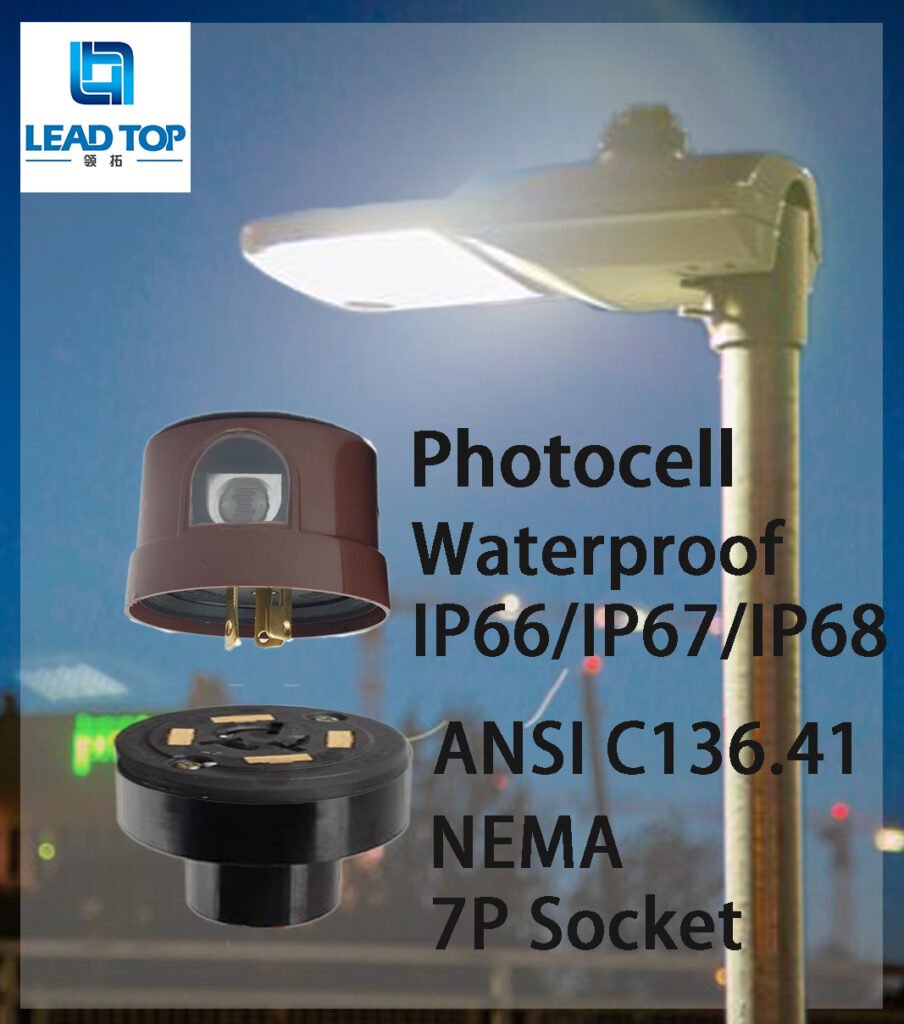
Introduction: Why Is the Photocell Market Growing in Southeast Asia and the Middle East? The photocell market southeast asia middle east is witnessing fast progression because of extensive infrastructure development and growing demand for dependable outdoor illumination systems. Administrations crosswise these areas are spending deeply in metropolitan extension, freeway construction, and community safety projects, and all these […]
Zhaga Photocell Market in Europe

Introduction: Why Is the Zhaga Photocell Market Growing Rapidly in Europe? The zhaga photocell europe market is witnessing fast growth as municipalities crosswise region spend deeply in smart infrastructure and energy proficient illumination systems. For a long span of time Europe has been a leader in sustainability and innovation, and this trend is now spreading into outdoor […]
Smart Photocell Trends in 2026

Introduction: Why Are Smart Photocell Trends Reshaping the Lighting Industry in 2026? The lighting industry is experiencing a major revolution because municipalities and infrastructure systems become more connected and data-driven. Old-style photocells, once restricted to simple dusk-to-dawn switching, are now progressing into smart devices that play a vital role in contemporary illumination networks. These smart […]
North America Photocell Market Guide

Introduction: Why Is the North America Photocell Market So Important Globally? The north america photocell market is broadly known as the biggest and most structured market for photocell products globally. It accounts for about 50–60% of worldwide demand, making it a main target for producers and contractors looking to grow globally. This market is mainly driven by […]
Wire-in vs NEMA vs Zhaga Photocell
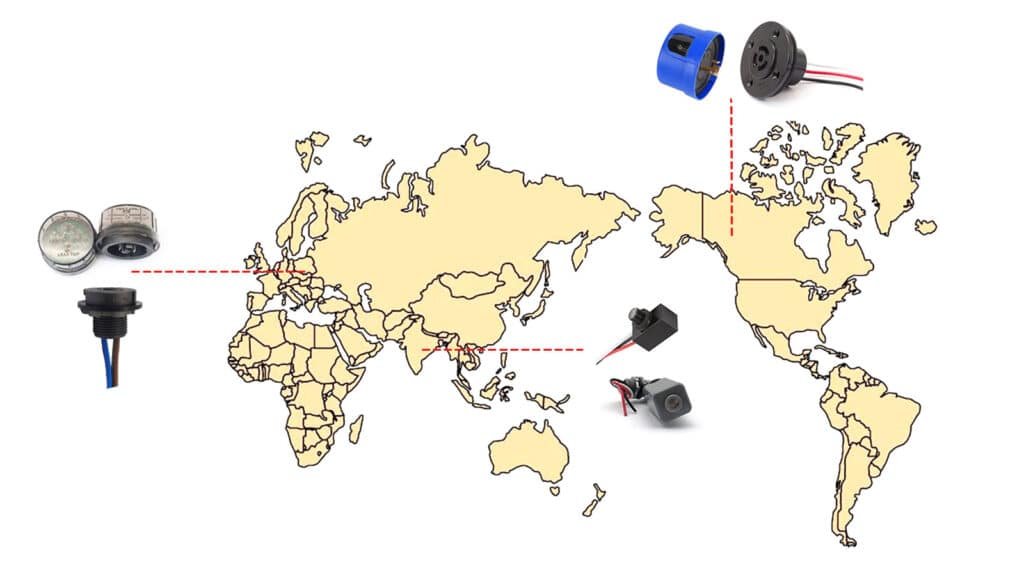
Introduction: Why Is Choosing the Right Photocell Type Important? Choosing the right photocell is always been an important step in designing proficient and dependable outdoor illumination systems. With numerous standards available—such as wire-in vs nema vs zhaga photocell—purchasers every so often experience confusion when deciding which option best suits their project. Each photocell type is made […]
Standard vs Industrial Photocell: What’s the Difference?

Introduction: Why Is It Important to Realize the Difference Between Standard and Industrial Photocells? It is always an important decision to choose correct photocell in any outdoor lighting control project. In many of the cases purchasers or buyers feel difficulty in making decision whether they need a standard photocell or an industrial photocell, every so often leading to […]
Why More Customers Are Choosing Fail ON Photocells
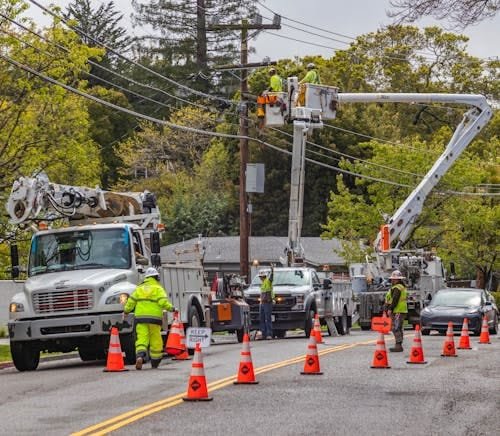
Introduction: Why Is Safety Becoming a Top Priority in Outdoor Lighting Systems? Outdoor illumination is no more just about lighting in today’s quickly emerging metropolitan atmospheres, — today’s top priority is security, dependability, and risk avoidance. In order to get constant operation, particularly in important communal zones, Municipalities, suppliers, and infrastructure designers are progressively emphasizing on […]
High Cost-Effective Photocell Recommendation for Developing Markets
Introduction As in regions like Southeast Asia, South America, and parts of Africa there is a fast growth in their infrastructure development, so in order to improve security, urbanization, and energy proficiency the governments and private suppliers are spending deeply in outdoor lighting control systems. Although, the biggest challenge here in this part of world is […]
Why Photocells Like LT112 Are Ideal for Middle East and Southeast Asia Markets

Introduction Because of metropolitan extension, infrastructure improvement, and growing demand for public security Outdoor illumination systems in Southeast Asia and the Middle East are increasing speedily. Though, choosing the correct photocell controller is important for guaranteeing dependable performance in these areas. Most republics in these areas operate on a 220V–240V power supply, making the 220V photocell the […]
How to Choose a Photocell? Complete Guide to LT111 / LT112 / LT113 / LT115
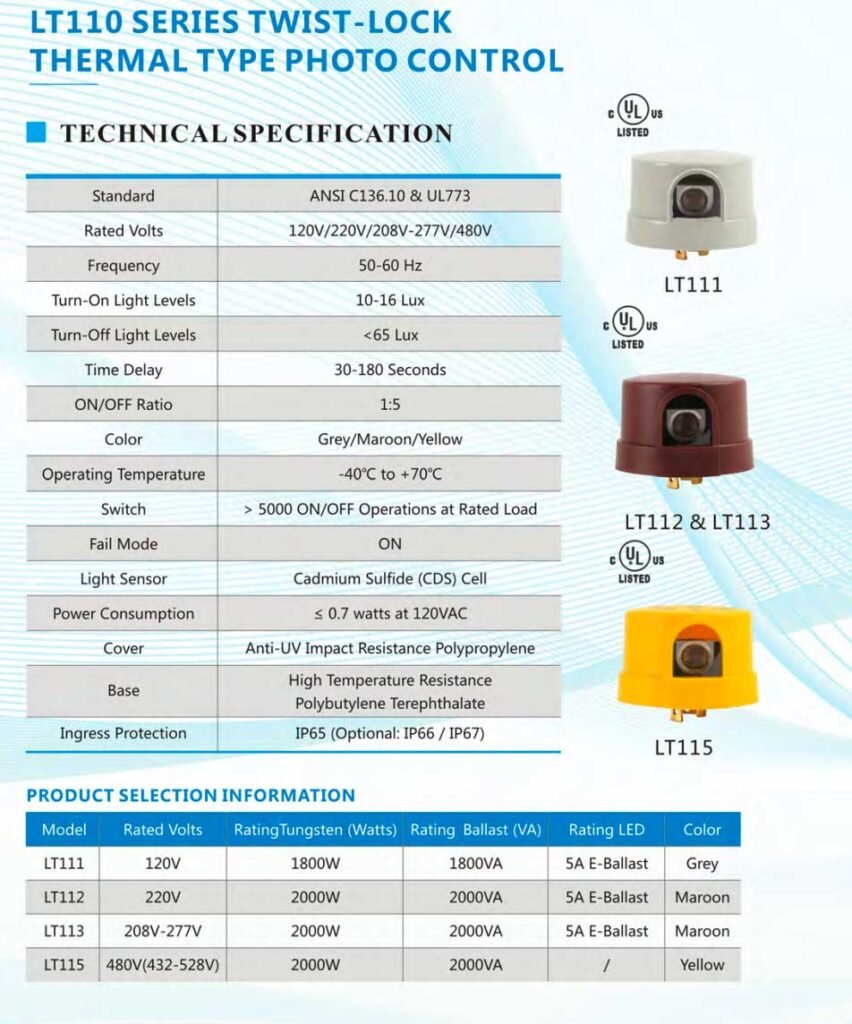
Introduction: When it is about designing proficient and trustworthy illumination systems Choosing the correct photocell is an important step. If someone is working on a community project, providing illumination equipment, or managing industrial infrastructure, selecting the incorrect photocontrol switch can lead to system catastrophes, greater upkeep expenditures, and poor performance. This photocell selection guide will assist you in […]
How to Choose Reliable Photocell and Receptacle Solutions for Outdoor Lighting Projects in Mexico
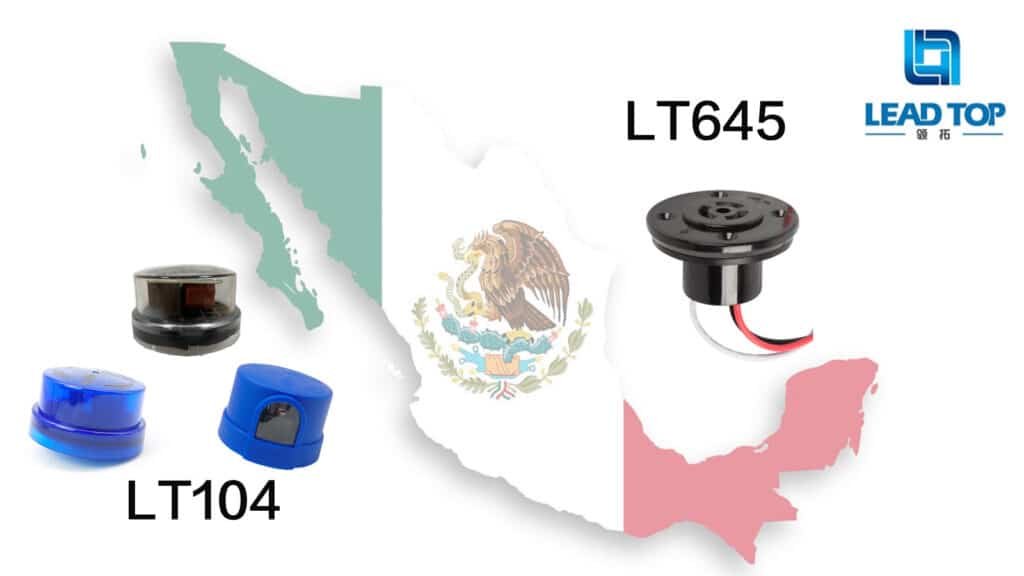
Because of metropolitan development, infrastructure advancements, and growing demand for communal security, Outdoor illumination projects in Mexico are growing speedily. Though, confirming long-lasted dependability in these projects needs more than just high-grade luminaires. The actual challenge lies in choosing trustworthy photocell controllers and NEMA receptacles that can survive the country’s ecological and electrical situations. From uneven voltage supply to […]
Future Trends in Outdoor Lighting Control (2026–2030)

The outdoor illumination industry getting entry into a phase which is dominated by fast development in smart technology, energy efficiency, and urban digitalization. From 2026 to 2030, the growth in photocell controllers, IoT-enabled systems, and connected infrastructure will redefine how municipalities manage street illumination. As the Old-styled illumination systems were dependent on fixed schedules or […]
 English
  Portuguese (Brazil)
  Spanish
  Russian
  Dutch
Dutch  Japanese
  Portuguese (Portugal)