Los municipios de todo el mundo se están transformando rápidamente en entornos basados en datos. Mediante sensores, redes de comunicación, plataformas en la nube e inteligencia artificial, los sistemas de infraestructura tradicionales que antes operaban de forma autónoma ahora se están interconectando.
Esta iniciativa está transformando el papel de la plataforma de iluminación inteligente en los municipios contemporáneos. Las redes de alumbrado público ahora funcionan como capas de comunicación, plataformas de detección y sistemas de inteligencia operativa que dan soporte a entornos urbanos inteligentes de gran envergadura.
En el punto medio de esta conversión se encuentra la evolución de las tecnologías de control de luz mediante fotocélulas eléctricas e inteligentes. Consideradas antes como simples interruptores del anochecer al amanecer, las modernas fotocélulas Ahora se están convirtiendo en dispositivos de detección inteligentes que dan soporte a la infraestructura urbana conectada.
A medida que los municipios siguen invirtiendo en tecnologías de IoT urbana y sistemas de iluminación con IA, la infraestructura de iluminación inteligente está evolucionando hasta convertirse en una de las plataformas de datos urbanos distribuidos más grandes del mundo.
¿Por qué la iluminación inteligente está evolucionando más allá de la mera iluminación?
Proporcionar visibilidad nocturna: Durante décadas, los sistemas de alumbrado público tuvieron un propósito principal. Sin embargo, hoy en día, los municipios exigen mucho más de su infraestructura.
Los gobiernos urbanos se enfrentan a crecientes desafíos relacionados con:
- consumo de energía
- atascos de tráfico
- Seguridad pública
- Mantenimiento de infraestructura
- Monitoreo ecológico
- Escalabilidad de las ciudades inteligentes
Para hacer frente a estos desafíos, los municipios están invirtiendo cada vez más en sistemas de infraestructura conectados capaces de recopilar y procesar datos operativos.
¿Cómo está cambiando la infraestructura de las ciudades inteligentes?
La infraestructura de las ciudades inteligentes modernas depende en gran medida de sistemas interconectados que se comunican incesantemente.
Algunos ejemplos son:
- Redes de transporte inteligentes
- Sistemas de tráfico inteligentes
- Gestión de servicios públicos conectados
- Sistemas de monitoreo impulsados por IA
- Servicios públicos adaptativos
La infraestructura de alumbrado público se está convirtiendo en uno de los componentes más importantes de esta renovación digital, ya que los sistemas de iluminación ya existen en todos los entornos urbanos.
Las farolas ofrecen:
- Acceso eléctrico
- Amplia cobertura geográfica
- Montaje de equipos elevados
- Funcionamiento ininterrumpido
¿Por qué los sistemas de iluminación se están convirtiendo en nodos de comunicación?
Los sistemas de iluminación actuales ofrecen cada vez más soporte para:
- Comunicación inalámbrica
- IoT conectividad
- Integración de sensores
- Gestión basada en la nube
- Monitoreo real
Esto permite que las redes de iluminación funcionen como:
- Nodos de comunicación
- Sistemas de monitoreo de infraestructura
- Plataformas de detección ecológica
- Capas de infraestructura habilitadas para IA
En lugar de funcionar de forma autónoma, los modernos sistemas de iluminación inteligente se integran en las plataformas centrales de gestión de la ciudad.
¿Cómo permiten las fotocélulas eléctricas los sistemas de iluminación inteligentes?
Las fotocélulas eléctricas modernas ya no se limitan a un simple encendido/apagado. Los sistemas de control de luz con fotocélulas inteligentes actuales se están convirtiendo en componentes importantes de la infraestructura de iluminación conectada.
Las fotocélulas antiguas funcionaban mediante una lógica básica de detección de luz:
- Encender al anochecer
- Apagar al amanecer
¿Qué funciones cumplen las fotocélulas modernas?
Los sistemas avanzados de interruptores con sensores fotoeléctricos para exteriores ahora permiten:
- Control de iluminación adaptativo
- Diagnóstico remoto
- Incorporación de la comunicación
- Sistemas de atenuación inteligentes
- Optimización energética
- Automatización de infraestructuras
Iluminación adaptativa
Los sistemas de iluminación adaptativa ajustan robóticamente el comportamiento de la iluminación en función de las condiciones reales, tales como:
- movimiento del tráfico
- Actividad peatonal
- Situaciones meteorológicas
- Hora de la noche
- Eventos de emergencia
Automatización de infraestructuras
La automatización mejora considerablemente la eficiencia operativa urbana.
Los modernos sistemas de control de iluminación mediante fotocélulas ayudan a las ciudades:
- Suprimir el cambio manual
- Reducir los errores operativos
- Mejorar la gestión de la energía
- Menores requisitos de mantenimiento
- Mejorar la fiabilidad de la infraestructura
¿Cómo se están convirtiendo los sensores de iluminación exterior en puntos de recopilación de datos?
La infraestructura de iluminación moderna se está convirtiendo en una de las redes de sensores distribuidos más valoradas en los municipios inteligentes.
El sensor fotoeléctrico tradicional para luces exteriores se está transformando en un dispositivo de infraestructura multifuncional capaz de brindar soporte a la inteligencia operativa real.
Los sistemas modernos de sensores de luz con fotocélulas para exteriores pueden admitir:
- Análisis de patrones de tráfico
- Monitoreo ecológico
- Seguimiento del consumo de energía
- Diagnóstico de infraestructura
- Informes sobre el estado operativo
Esta información puede ayudar a las ciudades a optimizar sus operaciones urbanas de manera más eficiente.
¿Por qué la IA necesita una infraestructura de iluminación inteligente?
Inteligencia artificial Dependen profundamente de la recopilación de datos. Sin redes de sensores a gran escala, los sistemas de IA no pueden funcionar correctamente.
La infraestructura de iluminación ofrece una de las redes distribuidas más grandes y escalables disponibles en los municipios modernos.
Optimización del tráfico mediante IA
Los sistemas de gestión urbana impulsados por IA examinan datos de la infraestructura de iluminación para brindar soporte a:
- Optimización del tráfico
- Monitoreo de infraestructura
- Análisis de seguridad pública
- Gestión energética
- Mantenimiento predictivo
Los sistemas de iluminación conectados generan constantemente información operativa que las plataformas de IA pueden procesar en tiempo real.
Mantenimiento predictivo
Los sistemas de mantenimiento tradicionales son reactivos. Los problemas se abordan solo después de que se producen las fallas.
Los sistemas basados en IA pueden prever:
- Desgaste del equipo
- Posibles fallos
- Requisitos de mantenimiento
- Incertidumbre de potencia
Esto ayuda a los municipios:
- Reducir el tiempo de inactividad
- Menores costos de mantenimiento
- Mejorar la fiabilidad de la infraestructura
Gestión de infraestructura en tiempo real
Las plataformas centralizadas de ciudades inteligentes permiten a los operadores monitorizar miles de puntos de iluminación al mismo tiempo.
Los beneficios incluyen:
- Detección de errores más rápida
- Ajuste dinámico de la iluminación
- Mayor eficiencia operativa
- Menor consumo de energía
¿Cuáles son las opciones de iluminación inteligente recomendadas? ¿Configuraciones para infraestructura impulsada por IA?
Solución de iluminación DALI para ciudades inteligentes
Combinación recomendada

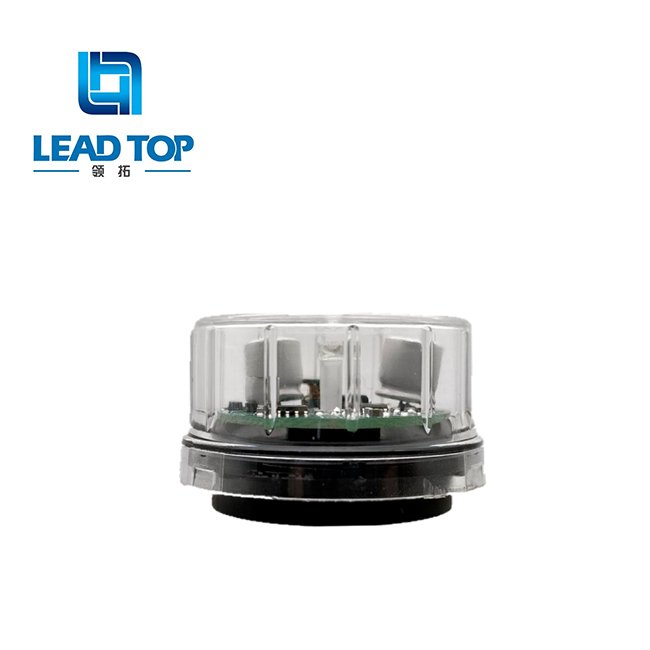
Mejores aplicaciones
- Proyectos europeos de ciudades inteligentes
- Sistemas de iluminación adaptativa
- Infraestructura de postes inteligentes
- Iluminación conectada basada en DALI
Beneficios clave
| Característica | Ventaja |
| Cumplimiento del Libro 18 de Zhaga | Integración inteligente estandarizada |
| Compatibilidad con control inteligente DALI | Gestión avanzada de iluminación digital |
| Diseño compacto preparado para IoT | Implementación más sencilla de ciudades inteligentes |
| Compatibilidad con infraestructuras inteligentes | Apoya la futura expansión urbana |
| Arquitectura modular | Simplifica el mantenimiento y las actualizaciones. |
Declaración de posicionamiento
Esta configuración admite entornos de iluminación preparados para el futuro, diseñados para la infraestructura de ciudades inteligentes.
Solución de iluminación vial de nivel infraestructural
Combinación recomendada
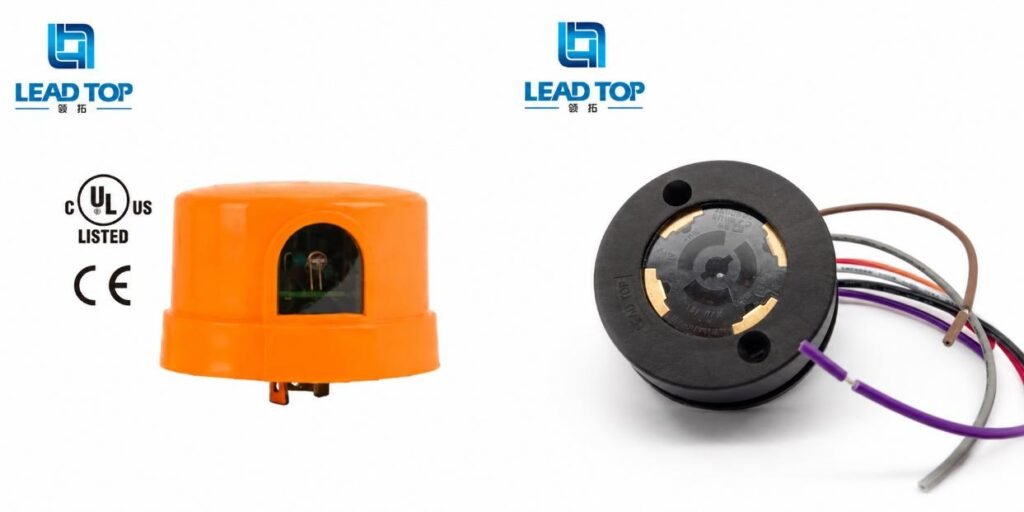
Mejores aplicaciones
- sistemas de carreteras municipales
- Infraestructura de autopistas inteligentes
- Amplio despliegue urbano
Beneficios clave
| Capacidad técnica | Beneficio de infraestructura |
| Compatibilidad con ANSI | Admite sistemas de carreteras estandarizados |
| Protección contra sobretensiones | Mejora la fiabilidad en exteriores |
| Tomacorriente inteligente | Permite futuras actualizaciones inteligentes |
| Rendimiento fiable en exteriores | Funcionamiento estable a largo plazo |
| Compatibilidad con LED | Compatible con la iluminación vial moderna |
¿Por qué el futuro de la iluminación inteligente reside en la infraestructura conectada?
Los municipios del futuro integrarán cada vez más:
- Iluminación conectada
- Sistemas de gestión del tráfico
- Monitoreo ecológico
- Redes de comunicación
- Servicios públicos inteligentes
- Plataformas operativas basadas en IA
Los sistemas de iluminación se están convirtiendo en una parte vital de esta transición porque ya ofrecen cobertura de infraestructura en toda la ciudad.
¿Qué es el IoT urbano?
IoT urbano Se refiere a dispositivos de infraestructura interconectados capaces de intercambiar información real.
Algunos ejemplos son:
- Sistemas de tráfico inteligentes
- Iluminación de autopistas conectadas
- sensores ecológicos
- Sistemas de estacionamiento inteligentes
- Plataformas de monitoreo de IA
Los modernos sistemas de iluminación inteligente se están convirtiendo en componentes importantes dentro de estos entornos urbanos de IoT.
¿Qué tecnologías podrán soportar los futuros sistemas de iluminación?
La futura infraestructura de iluminación inteligente podría integrar:
- Cámaras
- sensores ecológicos
- sistemas de carga de vehículos eléctricos
- Equipos de comunicación inalámbrica
- Sistemas de monitoreo de tráfico
- Plataformas Wi-Fi públicas
A medida que los municipios sigan adoptando infraestructuras conectadas, las redes de iluminación funcionarán cada vez más como plataformas tecnológicas urbanas multifuncionales.
¿Por qué las células fotoeléctricas inteligentes son más importantes que nunca?
Las fotocélulas modernas ya no son simples interruptores del anochecer al amanecer. Se están convirtiendo en dispositivos de infraestructura inteligente que admiten:
- Optimización energética
- Automatización de infraestructuras
- Incorporación de sensores
- Escalabilidad de las ciudades inteligentes
- Fiabilidad operativa de larga duración
Fiabilidad de la infraestructura
Los sistemas avanzados de fotocélulas ayudan a los municipios:
- Evitar cambios falsos
- Mejorar la uniformidad de la iluminación
- Controladores LED Shelter
- Reducir los fallos operativos
Ahorro de energía
La infraestructura de alumbrado representa una parte importante del consumo energético municipal.
Las células fotovoltaicas inteligentes ayudan a reducir los residuos mediante:
- Detección precisa de la luz natural
- Atenuación adaptativa
- Programación inteligente
- Ajuste dinámico de la iluminación
Reducción del mantenimiento a largo plazo
Los sistemas de iluminación conectados admiten:
- Mantenimiento predictivo
- Diagnóstico remoto
- Detección automatizada de fallos
- Respuesta de servicio más rápida
Conclusión
Los sistemas de iluminación inteligente se están transformando rápidamente en plataformas de infraestructura digital capaces de dar soporte a la gestión urbana basada en inteligencia artificial.
Las redes de iluminación modernas ya no son sistemas pasivos centrados únicamente en la iluminación. Se están convirtiendo en capas de infraestructura inteligentes que brindan soporte a:
- Recopilación de datos
- Automatización de infraestructuras
- Optimización energética
- Mantenimiento predictivo
- Sistemas urbanos conectados
- Gestión operativa impulsada por IA
La evolución de las tecnologías de fotocélula eléctrica, interruptor sensor de fotocélula exterior y control de luz de fotocélula inteligente muestra cómo los componentes de infraestructura de estilo antiguo se están transformando en
CTA
Descubra soluciones de control de iluminación con fotocélulas inteligentes y compatibles con Zhaga, diseñadas para infraestructuras urbanas conectadas y el futuro despliegue de ciudades inteligentes. Contacte con Lead-Top para consultar con expertos sobre cómo construir una infraestructura de iluminación inteligente basada en IA.
Referencias:
- https://leaditop.com/product-2/
- https://en.wikipedia.org/wiki/Internet_of_things
- https://en.wikipedia.org/wiki/Artificial_intelligence
- https://leaditop.com/product/customizable-upgraded-models-highly-waterproof-zhaga-socket-lt600/
- https://leaditop.com/product/customizable-upgraded-models-ip68-highly-waterproof-zhaga-socket-lt600-2/
- https://leaditop.com/product/photo-electric-light-control-switch-120vac/
- LT605S Enchufe regulable ANSI C136.41 de 5/7 pines que ahorra espacio – con cable superior



 Spanish
  English
  Portuguese (Brazil)
  Russian
  Dutch
Dutch  Japanese
  Portuguese (Portugal)