¿Por qué se suele malinterpretar el concepto de LUX en las aplicaciones de fotocélulas?
En la industria de la iluminación exterior, uno de los parámetros técnicos que más se malinterpretan es el LUX. Numerosos compradores, proveedores e incluso algunos ingenieros asumen que el LUX es una medida fija y universal que indica directamente cuán brillante parece un espacio. En consecuencia, cuando un célula fotoeléctrica Cuando los interruptores se encienden o apagan a un nivel de LUX que parece diferente al previsto, a menudo se responsabiliza al producto por ser erróneo o defectuoso.
Sin embargo, esta suposición es técnicamente errónea.
Comprender el significado de lux en las fotocélulas es fundamental para quienes eligen, identifican o regulan dispositivos de control de iluminación. En realidad, el lux no es un valor absoluto en las aplicaciones de fotocélulas. Se trata de una medida de ingeniería condicional influenciada por el método de prueba, la fuente de luz, el diseño del sensor, el ángulo de instalación y factores ambientales.
Una fotocélula no interpreta la iluminación como lo hace el ojo humano. Responde a la energía lumínica medida según las características de su sensor y los umbrales de conmutación automáticos. Por lo tanto, una interpretación errónea de los lux en el control de la iluminación suele generar expectativas poco realistas, ajustes de parámetros inadecuados y críticas innecesarias en los proyectos.
Este artículo explica por qué la luminosidad (LUX) nunca debe considerarse una constante absoluta al evaluar el rendimiento de las células fotovoltaicas.

¿Qué mide realmente el LUX en los sistemas de iluminación?
Para comprender el comportamiento de una fotocélula lux, primero es importante entender qué significa LUX en sí mismo.
El LUX mide la cantidad de luz que incide sobre una superficie. Porque es una unidad de iluminancia.
Matemáticamente:
1 lux = 1 lumen por metro cuadrado
Esto significa que LUX define la intensidad de la luz que recibe una superficie, no el deslumbramiento tal como lo percibe el ojo humano.
Esa diferencia es muy importante.
Las fotocélulas utilizan sensores para detectar la energía lumínica entrante y transformarla en una señal eléctrica. El sensor reacciona a la iluminancia física, no a la experiencia visual subjetiva.
Tabla 1: Qué mide LUX y qué no mide.
| Parámetro | Lo que representa | ¿Afecta a la respuesta de la fotocélula? |
| LUX | Iluminancia física en la superficie del sensor | Sí |
| percepción humana del brillo | experiencia visual subjetiva | No |
| Preferencia de color | Respuesta psicológica/visual | No |
| Confort visual ambiental | Percepción ambiental | No |
Esta es la base del significado de lux en las fotocélulas: LUX es una medida física, no una métrica de percepción.
¿Por qué no? LUX ¿Igualdad en la percepción del brillo en los humanos?
Una de las principales fuentes de confusión en la percepción de lux frente a brillo es que la visión humana y los sensores fotoeléctricos no evalúan la luz de la misma manera.
La percepción humana del brillo depende de múltiples variables que van más allá de la iluminancia bruta, entre las que se incluyen:
- Temperatura de color
- Contraste cercano
- Superficies reflectantes
- Adaptación de los ojos
- Ambiente de fondo
- hora del día
Por ejemplo:
- Una lámpara halógena de luz cálida de 30 lux puede parecer menos brillante que un LED de luz blanca fría de 30 lux.
- Debido a la reflectividad de la superficie, un área de estacionamiento con 20 lux puede parecer más brillante que una calle con 20 lux. .
- Una persona que llega a la oscuridad después de haber estado expuesta a la luz del día percibe la zona más oscura que alguien que ya está adaptado a entornos nocturnos.
Una fotocélula no interpreta nada de esto.
Solo responde a la energía luminosa que llega al sensor.
Por eso, la percepción de lux frente a brillo es uno de los conceptos más malinterpretados en el control de la iluminación.
¿Cómo utilizan realmente las fotocélulas el LUX para la conmutación?
Las fotocélulas no intentan "igualar la preferencia de brillo humana". En su lugar, utilizan los lux como parte de un sistema de lógica de control basado en umbrales.
Su objetivo es la automatización funcional, no la conclusión visual.
Una fotocélula sigue clásicamente esta lógica:
- Encienda el dispositivo cuando la luz medida caiga por debajo del umbral de encendido.
- Apagar cuando la luz medida supere el umbral de apagado.
Debido a que los valores de encendido y apagado varían, las fotocélulas integran histéresis para evitar conmutaciones inestables.
Tabla 2: Lógica típica de conmutación de fotocélulas
| Función | Condición desencadenante | Objetivo |
| Encender | La luz ambiental cae por debajo del umbral. | Activar la iluminación al anochecer. |
| Apagar | La luz ambiental supera el umbral. | Desactivar la iluminación al amanecer. |
| Brecha de histéresis | El umbral de APAGADO es mayor que el umbral de ENCENDIDO. | Evitar el parpadeo/ciclo |
| Función de retardo | Espere de 3 a 10 segundos antes de cambiar. | Filtrar cambios de luz temporales |
Esto significa que en el control de iluminación, el lux se utiliza como un disparador de control, no como un ajuste de preferencia de brillo.
¿Por qué un mismo valor de LUX puede producir diferentes respuestas en las fotocélulas?
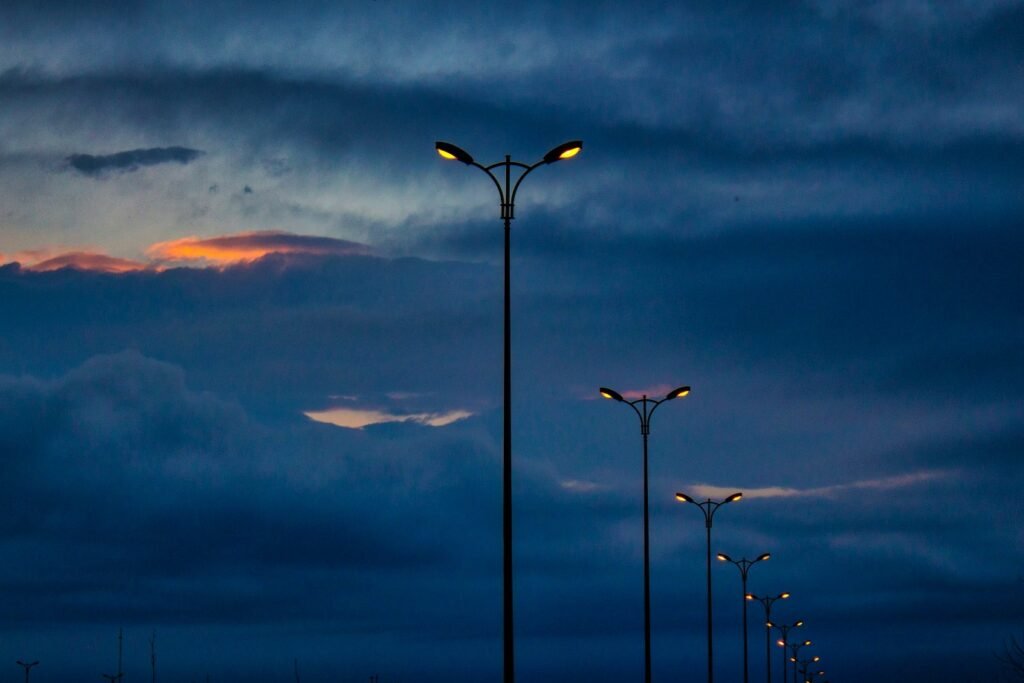
Aunque dos atmósferas de prueba midan los mismos valores de LUX, una fotocélula puede responder de manera diferente según las situaciones.
Esto se debe a que la sensibilidad de la fotocélula está influenciada por algo más que la iluminancia numérica.
Los principales factores influyentes son:
Espectro de la fuente de luz
Las distintas fuentes de luz producen diferentes dispersiones de longitud de onda.
- Incandescente = espectro cálido e ininterrumpido
- LED = espectro máximo
- Fluorescente = espectro intermitente
Los sensores fotoeléctricos pueden responder de manera diferente a la misma intensidad lumínica (LUX) proveniente de diferentes espectros.
Ángulo del sensor
El ángulo con el que la luz incide sobre el sensor afecta a la exposición efectiva.
Un sensor que apunta directamente recibe más luz útil que uno montado en ángulo.
Distancia desde la fuente de luz
La ley del cuadrado inverso modifica la iluminación efectiva de forma melodramática.
Diseño de viviendas
Las carcasas opacas, translúcidas o con ventana modifican la exposición del sensor.
Reflexión ambiental
Las paredes, el pavimento o la nieve que hay cerca pueden aumentar la luz reflejada.
Todos estos factores afectan la sensibilidad de la fotocélula, lo que significa que los valores LUX no se pueden deducir independientemente del contexto.
¿Por qué los diferentes estándares producen diferentes valores LUX?
Otra razón importante por la que LUX no es absoluto es que las normas internacionales de ensayo definen diferentes métodos de medición.
Por ejemplo:
UL773 Estándar
- Fuente de luz cálida (2800K–3000K)
- Rangos de encendido/apagado estrechos
- Configuración estricta del laboratorio
Normas BS/Normas Internacionales
- Fuente de luz blanca fría (4000K–6500K)
- Rangos de encendido/apagado más amplios
- Pruebas más prácticas y orientadas al campo
Por lo tanto, la misma fotocélula puede producir diferentes valores de LUX dependiendo del estándar de prueba.
Esto pone de manifiesto que el significado de la medición en lux de las fotocélulas depende del estándar, no es universal.
¿Por qué los ingenieros deben definir las condiciones al especificar LUX?
La ingeniería especializada de células fotovoltaicas requiere más que simplemente indicar un valor en lux.
Para que una especificación LUX tenga sentido, debe definir:
- Estándar de prueba apropiado
- Tipo de fuente de luz
- Temperatura de color
- Orientación del sensor
- Distancia de prueba
- Ambiente ambiental
- Diseño de viviendas
- Geometría de instalación
Sin esta información, la cifra tiene poco valor desde el punto de vista de la ingeniería.
Por este motivo, los contratistas especializados tratan la sensibilidad de las fotocélulas y la calibración LUX como parámetros de ingeniería específicos de cada aplicación.
¿Por qué es mejor considerar LUX como un parámetro de control relativo en lugar de un número absoluto?
El punto de vista de ingeniería más preciso es el siguiente:
En las células fotovoltaicas, el valor de LUX es un parámetro de control relativo, no una constante universal absoluta.
Su función es:
- Definir umbrales de conmutación
- Compatibilidad con la lógica de automatización
- Permitir un comportamiento de control repetible
No está previsto:
- Coincidir con la percepción visual humanoide
- Representar el resplandor ecológico exacto
- Sirve como métrica de comparación mundial en todas las circunstancias.
Este principio es fundamental para comprender el significado de la intensidad lumínica de las fotocélulas.
Conclusión: ¿Por qué el LUX no es un valor absoluto en las células fotovoltaicas?
El valor LUX es uno de los parámetros más importantes, pero también uno de los más malinterpretados, en el control de la iluminación exterior.
Aunque muchos asumen que representa directamente la iluminación visible, la realidad es mucho más técnica.
En resumen:
- LUX mide la iluminancia, no la iluminación percibida.
- Las fotocélulas reaccionan a la energía luminosa, no al juicio visual humano.
- La sensibilidad de la fotocélula varía según el espectro, el ángulo, la carcasa y la atmósfera.
- Los distintos estándares definen el LUX de manera diferente.
- Sin condiciones de prueba, un número LUX tiene un significado incompleto.
Comprender la percepción de la luminosidad (lux) frente a la del brillo es importante para especificar las fotocélulas adecuadamente y evitar errores de configuración.
En definitiva, un control eficaz de la iluminación no depende de buscar un valor de LUX "perfecto", sino de adaptar la configuración y la calibración de la fotocélula a la aplicación real.
CTA
¿Busca definir los parámetros LUX adecuados para su proyecto? Punta de plomo Ofrece asistencia técnica y soluciones de fotocélulas personalizadas para adaptarse a las condiciones del mundo real.



 English
 Portuguese (Brazil)
 Spanish
 Russian
 Dutch
Dutch Japanese
 Portuguese (Portugal)