Introduction: Why Is It Important to Realize the Difference Between Standard and Industrial Photocells?
It is always an important decision to choose correct photocell in any outdoor lighting control project. In many of the cases purchasers or buyers feel difficulty in making decision whether they need a standard photocell or an industrial photocell, every so often leading to either overspending or choosing a product that cannot meet system requirements.
In order to make sure that your illumination system functions safely, proficiently, and cost-efficiently, the Understanding of the difference between these two types is must. Any incompatibility can result in equipment letdown, security risks, and amplified upkeep expenses.
This guide elucidates the differences in detail and assists you to decide which type of outdoor lighting switch is best matched for your application.

What Is a Standard Photocell and Where Is It Used?
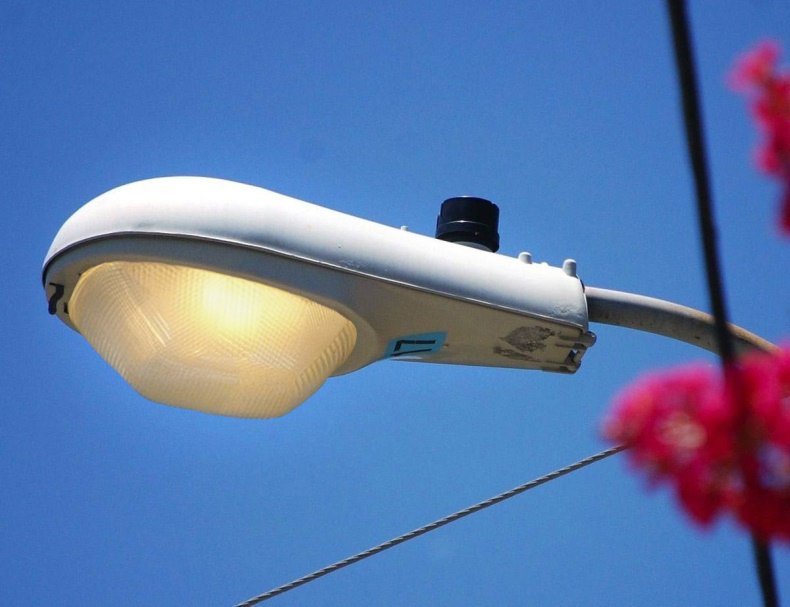
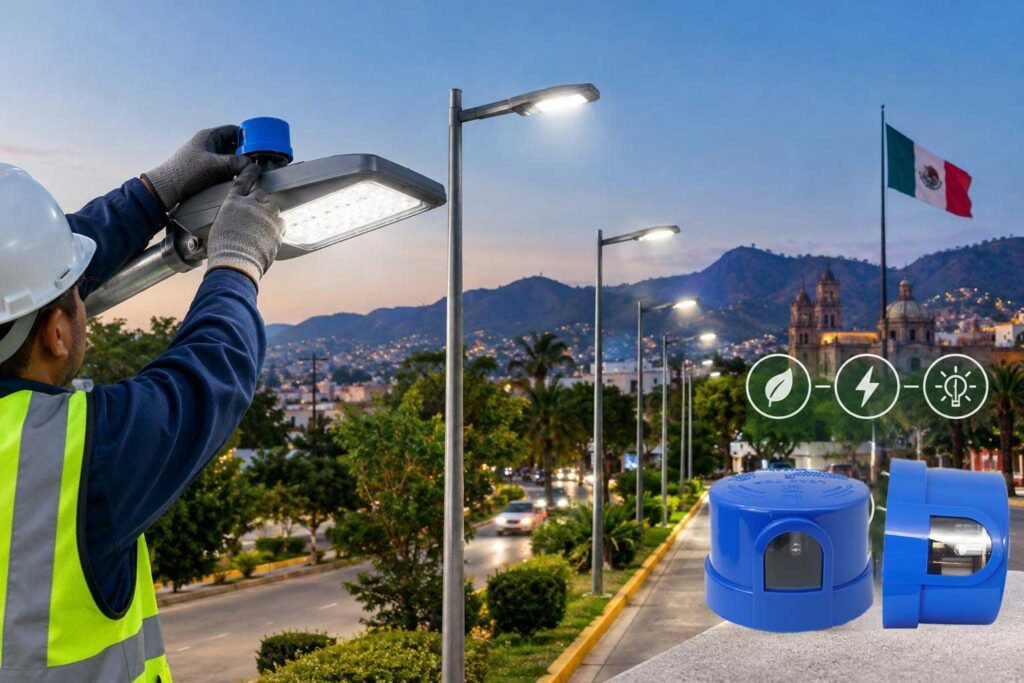
When it is about general-purpose illumination applications than a standard photocell is manufactured for it. Standard photocell is the most regularly used type of outdoor lighting switch and is suitable for environments where electrical loads and working circumstances are moderate.
Where Are Standard Photocells Normally Used?
- Street illumination systems
- Domestic spaces
- Small commercial projects
- Parking areas and passageways
What Are the Main Aspects of a Standard Photocell?
- Voltage range: 120V–277V photocell compatibility
- Moderate load capability
- Made for usual outdoor settings
These photocells are perfect for projects where the power supply is unwavering and the working circumstances are not thrilling.
Because of their affordability and flexibility, standard photocells are extensively used in street light and public illumination systems.
What Is an Industrial Photocell and Why Is It Different?
In order to attain high end performance than industrial photocell is specially manufactured for this purpose. It is manufactured to tackle higher voltage systems and function uninterruptedly under heavy loads.
Where Are Industrial Photocells Used?
- Workshops and engineering plants
- Big infrastructure projects
- High-voltage illumination systems
- Industrial areas and storerooms
What Are the Main Aspects of an Industrial Photocell?
- Voltage competency up to 480V photocell systems
- High resilience and vigorous construction
- Made for heavy duty lighting control
When there is a matter of enduring thrilling circumstances, comprising high temperatures, electrical stress, and nonstop working than industrial photocells are the best choice as they are manufactured for such scenarios .
What Are the Main Differences Between Standard and Industrial Photocells?
To have the basic Understanding of the differences between a standard photocell and an industrial photocell is important for making the correct decision.
Table 1: Standard vs Industrial Photocell Comparison
| Feature | Standard Photocell | Industrial Photocell |
| Voltage Range | 120–277V | Up to 480V |
| Application | Domestic / street illumination | Industrial / infrastructure |
| Cost | Lower | Higher |
| Durability | Moderate | High |
| Load Capacity | Medium | Heavy-duty |
Voltage is one of the most important aspect in selecting the correct photocell. A standard photocell normally supports 120V–277V, which is enough for most domestic and commercial illumination systems.
Though, industrial settings every so often need 480V photocell solutions because of greater power demands.
Using a standard photocell in a high-voltage system can lead to:
- Apparatus damage
- Electrical vulnerabilities
- System letdown
So, all the time match the photocell voltage to your system requirements.
When Should You Select an Industrial Photocell?
Selecting an industrial photocell is essential when your project involves demanding situations or higher electrical loads.
You Should Select an Industrial Photocell If:
- Your system works at 480V
- The atmosphere is severe (heat, dirt, moisture)
- The illumination system runs nonstop
- You need heavy duty lighting control
In these cases, an industrial photocell offers the resilience and dependability desired for long-lasted operation.
When Is a Standard Photocell the Better Choice?
In numerous cases, a standard photocell is enough and more cost-efficient.
Select a Standard Photocell If:
- Your system works within 120V–277V
- The atmosphere is comparatively steady
- The application is domestic or limited commercial
- Budget is a main concern
Using an industrial photocell in these circumstances may result in needless costs without additional benefits.
How Can You Avoid Common Mistakes When Selecting a Photocell?
Choosing the incorrect photocell can lead to grave problems.
Common Mistakes Comprise:
- Using a standard photocell in high-voltage systems
- Paying extra for an industrial photocell when not required
- Overlooking ecological circumstances
- Not assessing real load requirements
Evading these mistakes make sure improved performance and cost effectiveness in your outdoor lighting switch system.
What Are the Cost Implications of Choosing the Wrong Photocell?
Selecting the incorrect type of photocell can considerably effect project expenditures.
Table 2: Cost Impact Comparison
| Cost Factor | Wrong Selection | Correct Selection |
| Initial Cost | May be lower or higher unnecessarily | Optimized |
| Maintenance Cost | High | Low |
| Replacement Frequency | Frequent | Minimal |
| System Reliability | Poor | High |
Why Does Durability Matter in Industrial Applications?
In industrial settings, illumination systems every so often work endlessly and are wide-open to severe circumstances.
An industrial photocell is manufactured to handle:
- Extraordinary temperatures
- Electrical gushes
- Nonstop operation
This makes it important for heavy duty lighting control applications where dependability is important.
How Does Supplier Selection Impact Photocell Performance?
Picking the correct supplier is just as significant as choosing the correct product.
Working with knowledgeable producers like lead-top guarantees:
- Appropriate product endorsements
- Reliable quality
- Dependable performance
- Technical support
A reliable and trustworthy supplier can always be a helping hand for you to choose between a standard photocell and an industrial photocell depending on your exact project requirements.
Frequently Asked Questions (FAQ)
Can I Use a Standard Photocell for Industrial Applications?
No, a standard photocell may not carefully tackle high voltage or heavy loads.
Is an Industrial Photocell Always Better?
It depends on your application. For standard environs, a standard photocell is more cost-efficient.
Conclusion: How Do You Choose Between Standard and Industrial Photocells?
The selection between a standard photocell and an industrial photocell is depends on three main factors:
- Voltage requirements
- Ecological settings
- Application type
For most of the general illumination applications, a standard photocell is enough and cost-efficient. But in case of high-voltage systems and demanding atmospheres, an industrial photocell must be the select.
By choosing the correct outdoor lighting switch, you can adjust cost, improve dependability, and guarantee long-lasted system performance.
Working with skilled producers like lead-top control further guarantees that you get the best solution custom-made to your requirements.
Eventually, making the correct choice helps you evade costly mistakes and make sure the success of your illumination project.

 English
  Portuguese (Brazil)
  Spanish
  Russian
  Dutch
Dutch  Japanese
  Portuguese (Portugal)