Introduction: Is the Lowest Purchase Price Really the Lowest Project Cost?
While exposed to harsh environmental conditions Contemporary outdoor lighting solutions are about to operate reliably for 10, 15, or even 20 years. The illumination system must keep on carrying continuous lighting, minimise maintenance requirements, and support public security during this time. A low-cost component that fails too early may seem cost-effective initially, but recurring maintenance visits, replacement parts, and system downtime can rapidly wipe away any upfront savings.
This is why professional purchasers are progressively shifting their focus from purchase price alone to lighting project cost over the whole lifespan. They understand that the low-cost option is not always the most economical solution. In its place, they assess product dependability, compatibility with LED systems, maintenance requirements, supplier support, and long-lasted availability.
Whether the project involves municipal streets, commercial parking zones, industrial facilities, or residential developments, spending in reliable photocontrol devices and reliable street lighting components often results in considerably lower operative costs all through the project’s lifetime.

Why Is Initial Cost Often Overvalued in Outdoor Lighting Projects?
Lowest Price Does Not Always Mean Lowest Cost
Initial buying price is easy to compare. It is a visible number that appears in every quotation, making it appealing for purchasers to select the lowest-priced option. Though, outdoor illumination systems remain in service for numerous years, meaning the buying price represents only one part of the total investment.
Professional illumination projects involve many extra costs after installation, comprising maintenance labour, replacement components, equipment downtime, vehicle expenditures, and administrative management. When these factors are considered, the lowermost buying price hardly equals the lowest lifespan cost.
Understanding the True Lifecycle Cost
The actual cost of an outdoor illumination system comprises:
- Initial product buying
- Installation labour
- Electrical commissioning
- Routine maintenance
- Emergency repairs
- Replacement components
- Operational downtime
- Equipment disposal
Viewed from this viewpoint, spending in high-grade outdoor lighting solutions often delivers a healthier financial return than selecting the least expensive products available.
How Can Small Component Failures Create Major Project Costs?
One of the leading misapprehensions in outdoor illumination procurement is that only expensive components matter. In fact, relatively inexpensive items such as photocontrols, receptacles, connectors, and switching devices recurrently determine whether a whole illumination point functions properly.
A failed photocell for outdoor lights can cause some operational glitches, including:
- Lights remaining on during daylight hours
- Lights failing to switch on at night
- Increased electricity usage
- Public security concerns
- Extra maintenance visits
Table 1. Initial Cost vs Long-Term Project Cost
| Cost Factor | Low-Cost Components | Reliable Components |
| Purchase Price | Lower | Slightly higher |
| Installation Cost | Similar | Similar |
| Maintenance Frequency | Higher | Lower |
| Replacement Rate | More frequent | Less frequent |
| System Downtime | Greater | Reduced |
| Total Lifecycle Cost | Often higher | Typically lower |
Why Does Reliability Matter More for Long-Term Infrastructure Projects?
Dissimilar to temporary installations, public illumination infrastructure is anticipated to deliver reliable service for many years under demanding conditions.
Dependable illumination systems should deliver:
- Steady switching performance
- Long working life
- High weather resistance
- Constant electrical performance
- Easy maintenance
- Compatibility with LED technology
This is where LED lighting reliability becomes particularly important.
How Are Professional Buyers Changing Their Purchasing Decisions?
Today’s professional purchasers assess suppliers using a much broader range of criteria.
Rather than asking:
“Which product costs less?”
They increasingly ask:
- Which product lasts longer?
- Which supplier offers technical support?
- Which solution lessens maintenance visits?
- Which products are licensed?
- Which components support future upgrades?
This changeover reflects increasing awareness that lighting project cost rely on long-lasted performance instead of initial expenditure.
Key buying considerations now include:
- Product dependability
- Certification acquiescence
- LED compatibility
- Supplier repute
- Technical documentation
- Warranty support
- Long-lasted product availability
What Can We Learn from Customer Conversations?
Numerous years ago, customers normally focused on decreasing purchase prices.
Today, their primacies have evolved toward operational performance.
Common concerns now include:
- How can failures be reduced?
- Which components last longest?
- How can maintenance be streamlined?
- Will replacement parts remain available?
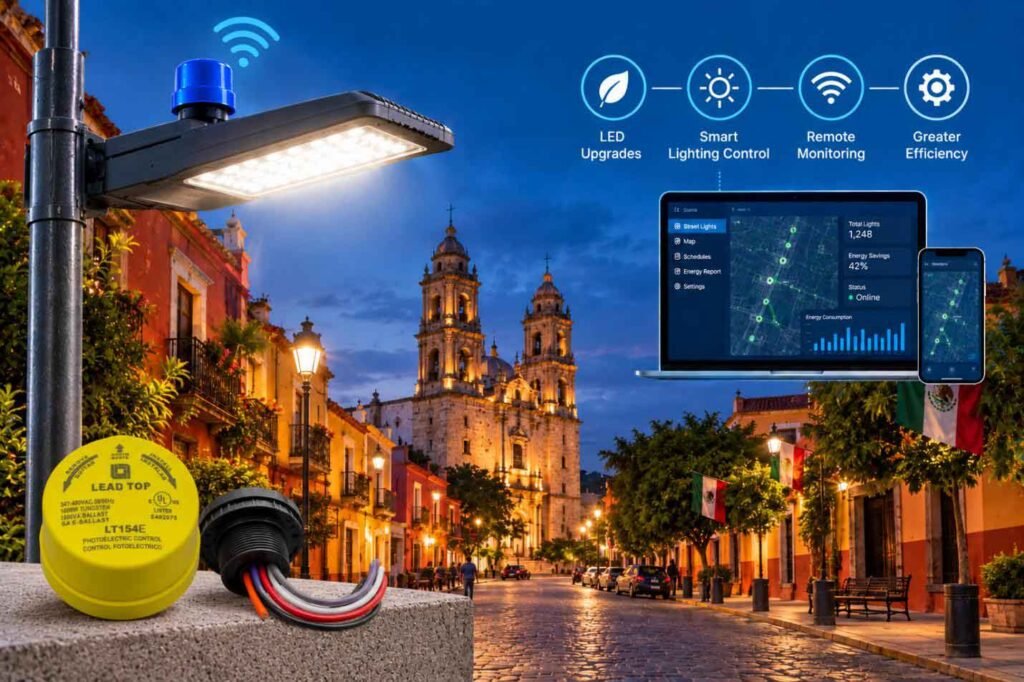
- Can the system support future smart illumination advancements?
They are progressively expected to offer technical supervision that helps customers select the most suitable solution for each project.
Dependable suppliers therefore become long-lasted project partners instead of simply equipment vendors.
Which Long-Life Outdoor Lighting Solution Is Recommended?
For municipal, commercial, and industrial illumination projects needing reliable long-term operation, a practical solution combines:
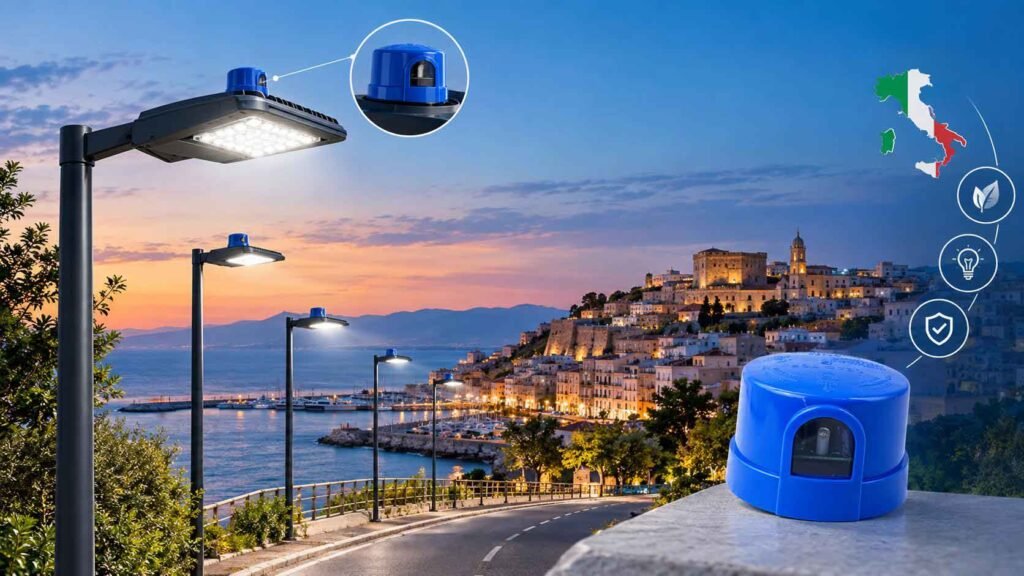
- LT134 Long-Life Twist-Lock Photocontrol
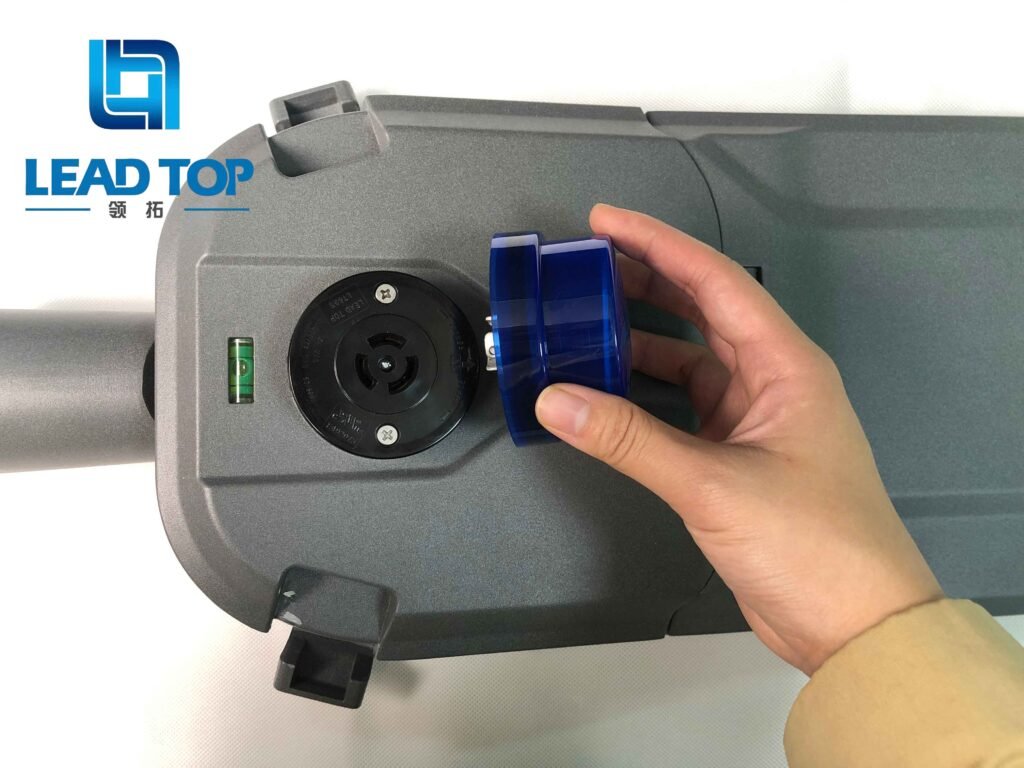
- LT605 ANSI C136.41 Receptacle
This blend offers a dependable illumination control solution that supports proficient maintenance while remaining compatible with modern LED infrastructure.
- Extended switching life
- High inrush current defense
- Outstanding LED compatibility
- Steady dusk-to-dawn operation
- Abridged maintenance frequency
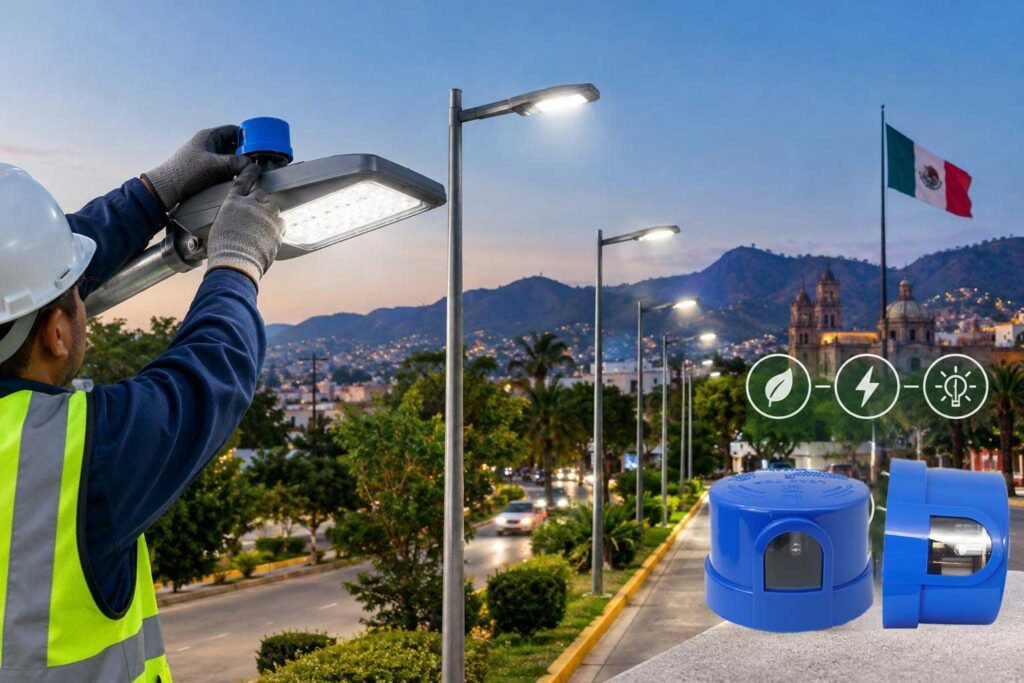
- Easy field replacement
- ANSI-standard interface
- Municipal illumination
- Commercial complexes
- Car parks
- Industrial facilities
- Roadway illumination
- Public infrastructure
This grouping helps contractors lessen compatibility issues while improving the long-lasted performance of outdoor illumination systems.
Table 2. Recommended Long-Life Outdoor Lighting Solution

| Product | Primary Function | Key Benefits | Typical Applications |
| LT134 Long-Life Twist-Lock Photocontrol | Automatic dusk-to-dawn switching | Long service life, high inrush protection, reliable LED operation | Municipal streets, commercial sites, parking areas |
| LT605 ANSI C136.41 Receptacle | Standardised electrical interface | Easy replacement, secure connection, future smart-lighting compatibility | Roadway lighting, public infrastructure, LED retrofit projects |

Frequently Asked Questions (FAQ)
Is the cheapest lighting component always the best choice?
No. While low-cost components lessen initial expenditure, they may result in higher upkeep costs, more regular substitutions, and increased lifespan expenses. Total cost of ownership should always be considered.
What factors should buyers evaluate besides price?
Professional purchasers should evaluate dependability, certification, LED compatibility, anticipated service life, ecological durability, maintenance requirements, supplier support, and future upgrade compatibility.
Why is a reliable photocontrol important?
A reliable photocontrol guarantees accurate dusk-to-dawn operation, improves energy proficiency, decreases needless operating hours, and helps minimise maintenance costs.
How can municipalities reduce outdoor lighting maintenance?
By choosing durable street lighting components, using standardised interfaces, and spending in dependable photocontrol technology, cities can reduce failures and simplify maintenance operations.
Why should lighting projects consider lifecycle cost instead of purchase price?
As illumination systems typically operate for many years, maintenance, repairs, electricity usage, and replacement costs often surpass the initial equipment price. Assessing total lifespan cost provides a more precise measure of project value.
Conclusion: Why Is Long-Term Reliability the Better Investment?
Dependable outdoor lighting solutions, reliable photocell for outdoor lights, and high-quality street lighting components help cities, contractors, and commercial operators achieve lower upkeep costs, better LED lighting reliability, and better long-lasted financial performance.
Request a Reliable Outdoor Lighting Solution
Lead-Top offers professional outdoor illumination control products, including long-life photocontrols, ANSI C136.41 receptacles, and trustworthy illumination interfaces intended for demanding outdoor environs. Our technical squad can help you recognize the most appropriate products for your project, whether you need standard solutions or OEM/ODM customisation.
Contact Lead-Top today to discuss your requirements, request technical specifications, or receive a customised recommendation that supports dependable, proficient, and future-ready outdoor illumination infrastructure.
References:
- https://en.wikipedia.org/wiki/Light-emitting_diode
- https://leaditop.com/product-2/
- https://en.wikipedia.org/wiki/American_National_Standards_Institute
- https://leaditop.com/product/outdoor-automatic-daylight-sensor-switch-for-led-light/
- http://leaditop.com/product/lt605-ip67-high-waterproof-grade-7pin-photocell-receptacle/
- https://en.wikipedia.org/wiki/Original_equipment_manufacturer

 English
  Portuguese (Brazil)
  Spanish
  Russian
  Dutch
Dutch  Japanese
  Portuguese (Portugal)