Poland is investing more in modern municipal lighting. The 2026 EKO Latarnia program in Łódź Voivodeship is a clear example. It supports energy-efficient lighting upgrades and intelligent lighting control.
This means cities are looking beyond simple LED replacements. They also need reliable ways to control when and how street lights operate. Photocells and photocontrols can help meet this need. They automate operation and can support more advanced lighting systems.
For municipalities planning extensive LED retrofits, choosing the right control components can improve efficiency and extend performance.
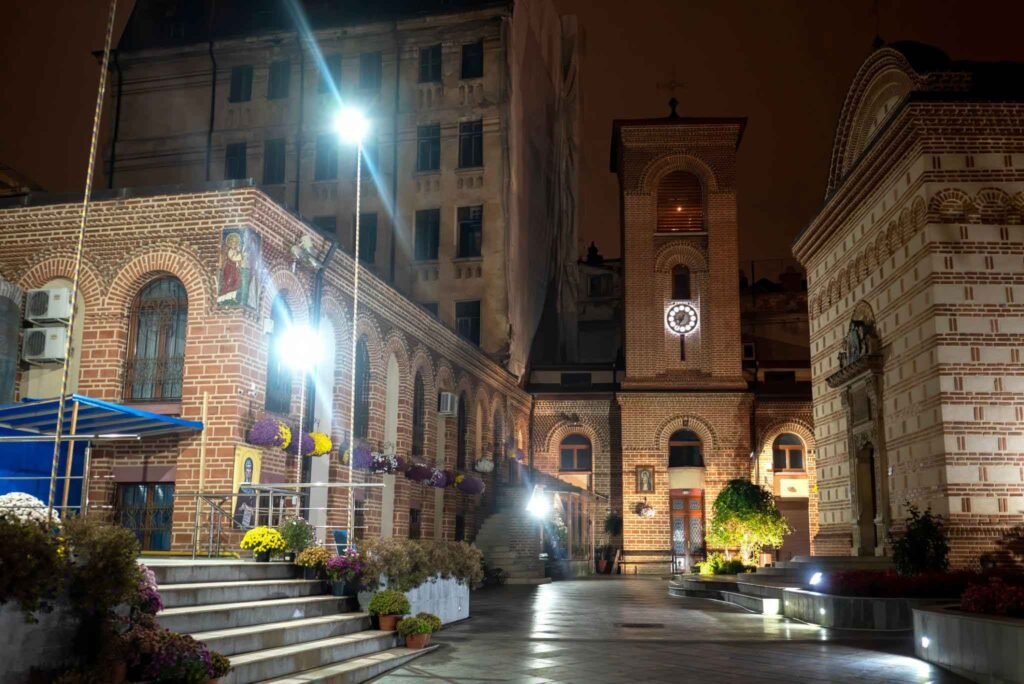
Why Is Poland Putting More Money Into Municipal Lighting Modernization?
Poland’s municipal lighting strategy is moving toward more efficient and controllable infrastructure. The 2026 EKO Latarnia program in Łódź Voivodeship is a strong example. It has PLN 30 million available for outdoor lighting modernization. The funding can support energy-efficient luminaires and intelligent lighting-control systems.
The program allows total support of up to PLN 5 million per project. The PLN 30 million budget is divided between grants and loans. The program is aimed at local government units and eligible municipal entities.
This matters for lighting suppliers and contractors. Municipal projects are no longer focused only on replacing old fixtures. Control, connectivity, and operating efficiency are becoming part of the modernization scope.
Why Is LED Replacement Only One Part of a Modern Lighting Upgrade?
Replacing inefficient luminaires with LEDs only limits the potential to reduce energy use. But a modern street lighting project can go further. The EKO Latarnia 2026 program specifically supports intelligent lighting-control systems alongside energy-efficient luminaires.
Modernization Scope
A municipal upgrade can involve:
- Replacing inefficient lighting with smart models.
- Installing an intelligent lighting control system.
- Adjusting lighting levels to current requirements.
- Connecting upgraded lighting to an existing control system.
The control system must allow lighting intensity to be adjusted according to current needs. Projects can also use an existing control system instead of installing a completely new one, provided the upgraded infrastructure can connect to it.
This changes the project equation. LEDs provide efficient lighting. Control systems determine how that lighting operates. Together, they create a more complete municipal lighting upgrade.
Why Do Light Photocells Matter in Municipal LED Street Lighting?
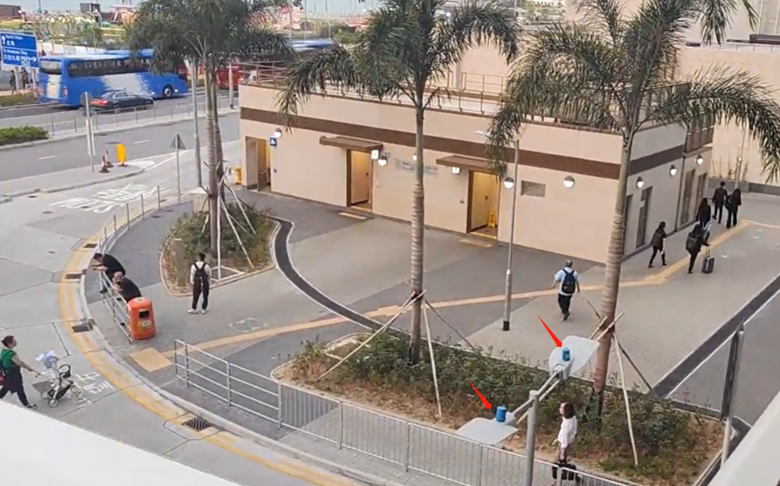
Because efficient hardware still needs reliable control. A photosensor detects ambient light and controls the luminaire’s operating hours. This helps prevent street lights from running unnecessarily during daylight hours.
For municipal projects, the photocontrol also needs to match the lighting system. Key selection factors include:
- Rated voltage and switching capacity
- LED driver compatibility
- Outdoor environmental protection
- Required NEMA interface
- Standard or dimming control
A basic dusk-to-dawn photocell can automate switching. More advanced photocontrols can support dimming interfaces. ANSI C136.41-2025 covers interfaces between locking-type photocontrols and luminaires for dimming and other functions, including 0–10V and DALI protocols.
How Can Photocontrols Connect Basic Street Lighting With Smart Lighting Control?
A light photocell switch does not have to be limited to simple ON/OFF switching. The interface can determine how much control a municipal lighting system can support.
From Basic Switching to Advanced Control
| Lighting setup | Typical function | Application |
| 3-pin photocontrol | ON/OFF switching | Standard street lighting |
| 5/7-pin photocontrol | Dimming and additional control | LED modernization |
| Zhaga Book 18 | Sensor and communication interface | Connected smart lighting |
ANSI C136.41 defines the interface for dimming between external locking-type photocontrols and LED drivers. Zhaga Book 18 takes another approach. It provides a standardized interface for sensing and communication modules on outdoor luminaires.
This makes the control component important during modernization. The right interface can support today’s lighting needs while leaving room for future smart upgrades.
Which Lead-Top Smart Lighting Components Fit Modern Municipal Projects?
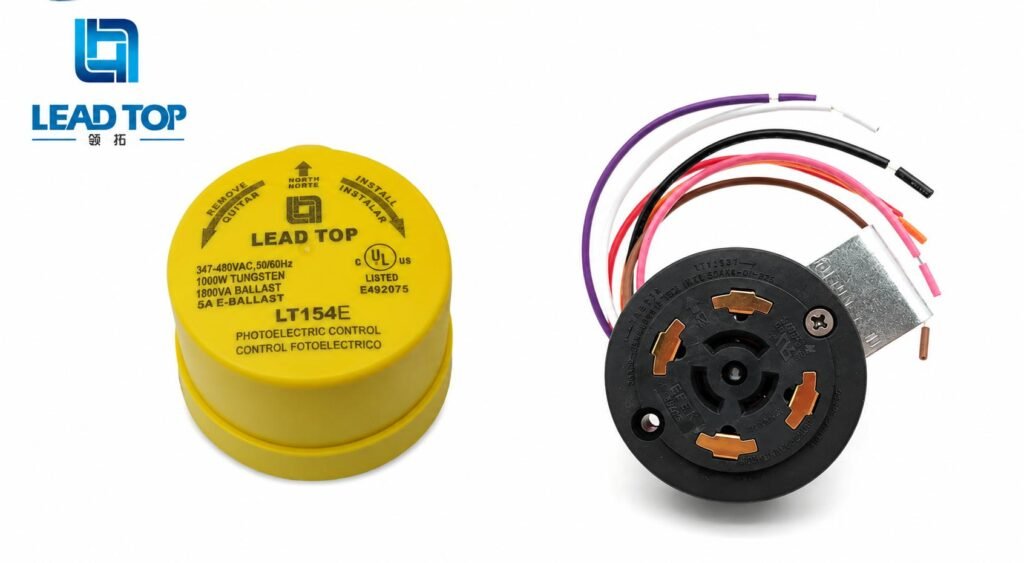
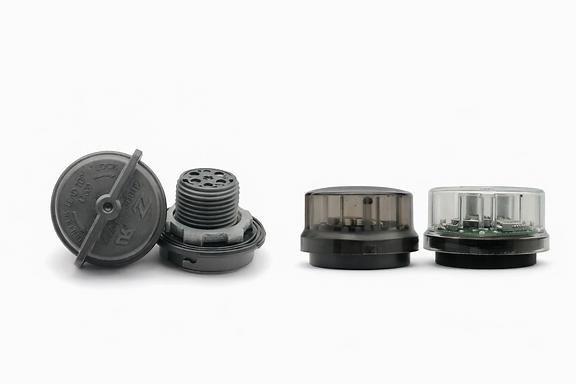
Different modernization projects need different control architectures. Lead-Top offers both ANSI C136.41 NEMA and Zhaga Book 18 options. This gives municipalities and contractors more flexibility when selecting components.
| Lead-Top solution | Control approach | Best fit |
| LT154E + LT605-7PIN | ANSI C136.41 dimming | Municipal LED retrofits and adaptive lighting |
| LT600 + LT6002 | Zhaga Book 18 + DALI | Connected and smart street lighting |
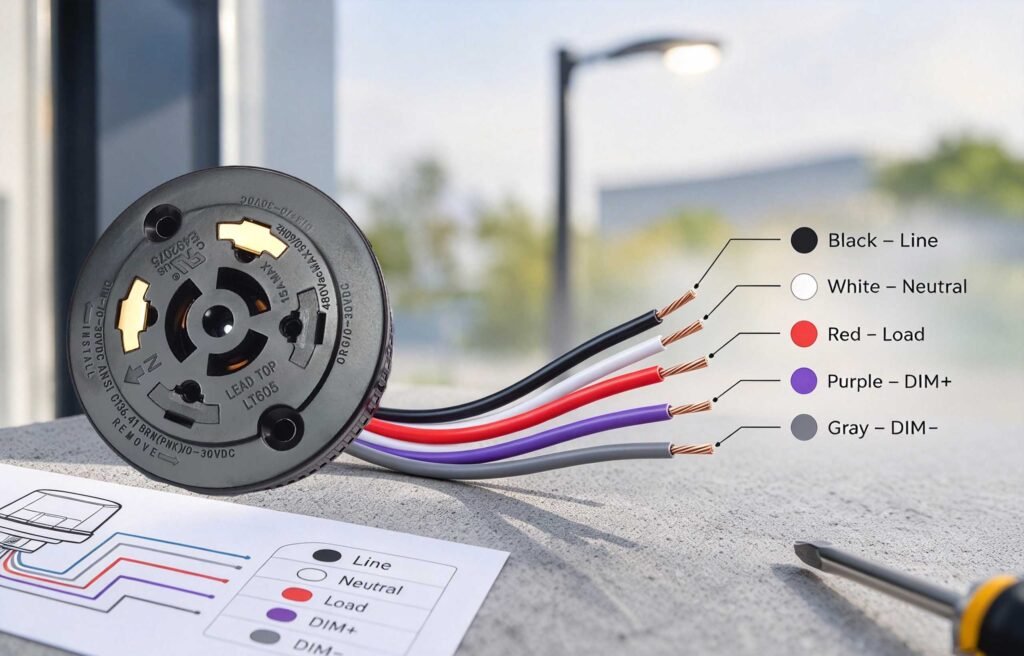
The LT154E with LT605-7PIN is suited to LED luminaires requiring dimming control. The 7-pin interface provides additional signal contacts beyond basic power switching.
The LT600 + LT6002 combination targets Zhaga-based systems. Lead-Top lists the LT6002 for DALI 2.0 and 0–10V dimming control. This makes the combination relevant to connected municipal lighting and future smart-control deployments.
What Should Polish Municipalities Consider Before Modernizing Street Lighting?
A lighting modernization project should start with the existing system. The EKO Latarnia 2026 program requires modernization to be based on a lighting audit. Any additional lighting points must also be justified by the audit results.
Project Checklist
- Lighting audit: Identify existing luminaires and lighting requirements.
- LED compatibility: Confirm the selected luminaire and driver requirements.
- Control strategy: Decide between basic ON/OFF, dimming, or connected control.
- Interface: Select the appropriate 3-pin, 5/7-pin NEMA, or Zhaga interface.
- Existing infrastructure: Check whether new controls can connect to the current system.
- Maintenance: Consider replacement access and long-term component availability.
This planning matters because EKO Latarnia supports both efficient luminaires and their integration with an existing or newly designed intelligent lighting-control system.
What Will the Future of Municipal Lighting Look Like in Poland?
Poland’s municipal projects are increasingly adding intelligent control to efficient lighting. The 2026 EKO Latarnia program supports modernization that connects energy-efficient outdoor lighting with existing or newly designed intelligent control systems.
Future projects are likely to focus on:
- Dimming: Adjusting light output to actual needs.
- Remote control: Managing lighting through centralized systems.
- Connected infrastructure: Linking luminaires with control and communication networks.
- Data-driven operation: Using system data to improve energy and maintenance decisions.
This direction is already visible in Polish municipal projects. For example, Gmina Głowno’s EKO Latarnia project includes 1,239 LED luminaires with remote-control systems.
The shift is clear. Municipal lighting is moving from simple fixture replacement toward efficient, controllable, and connected infrastructure. Photocontrols, dimming interfaces, and smart controllers can become important components in that transition.
FAQs
Why Are Municipalities Replacing Traditional Street Lights With LED Lighting?
LED luminaires can provide higher efficiency and longer service life than many older lighting technologies. Their dimming capability also makes them suitable for advanced lighting systems.
How Does a Photocontrol Receptacle Improve LED Street Lighting?
They detect ambient light and automate switching of the street lights. This helps with low power consumption.
Can a Light Sensor Be Used as Part of a Smart Lighting System?
Yes. Advanced photocontrols connect LED luminaires with dimming and networked control systems. This can support remote management and better energy control.
What Is the Difference Between a 3-Pin and 5/7-Pin Photocell?
A 3-pin photocontrol is commonly used for basic switching. 5- and 7-pin interfaces provide additional connections for functions such as dimming and advanced lighting control.
What Should Municipalities Consider When Choosing a Street Light Photocell?
Check voltage, switching capacity, LED driver compatibility, environmental protection, and the required interface. The photocontrol should also match the project’s control strategy and existing infrastructure.
What Is a NEMA Photocontrol?
A NEMA photocontrol is a locking-type outdoor lighting control. They are designed to work with a compatible receptacle. It can provide automatic light-level control and, depending on the interface, support dimming functions.
The Bottom Line
Poland’s lighting modernization is moving beyond LED replacement toward smarter and more efficient municipal lighting. Photocells and advanced control interfaces can support this transition. Lead-Top supplies NEMA photocontrols, receptacles, and Zhaga solutions for municipal LED and outdoor lighting projects. If you are planning a lighting upgrade in Poland, Lead-Top can help you select the right control components for your system.


 English
 Portuguese (Brazil)
 Spanish
 Russian
 Dutch
Dutch Japanese
 Portuguese (Portugal)