France is moving toward more efficient and flexible public lighting. The Limoges modernization project shows what this can look like at city scale. Here are the project highlights:
- It has a €5.3 million investment
- 7,500 lighting points have been replaced
- 5,000 fixtures have been reprogrammed
- 290 electrical cabinets across 950 streets have been upgraded
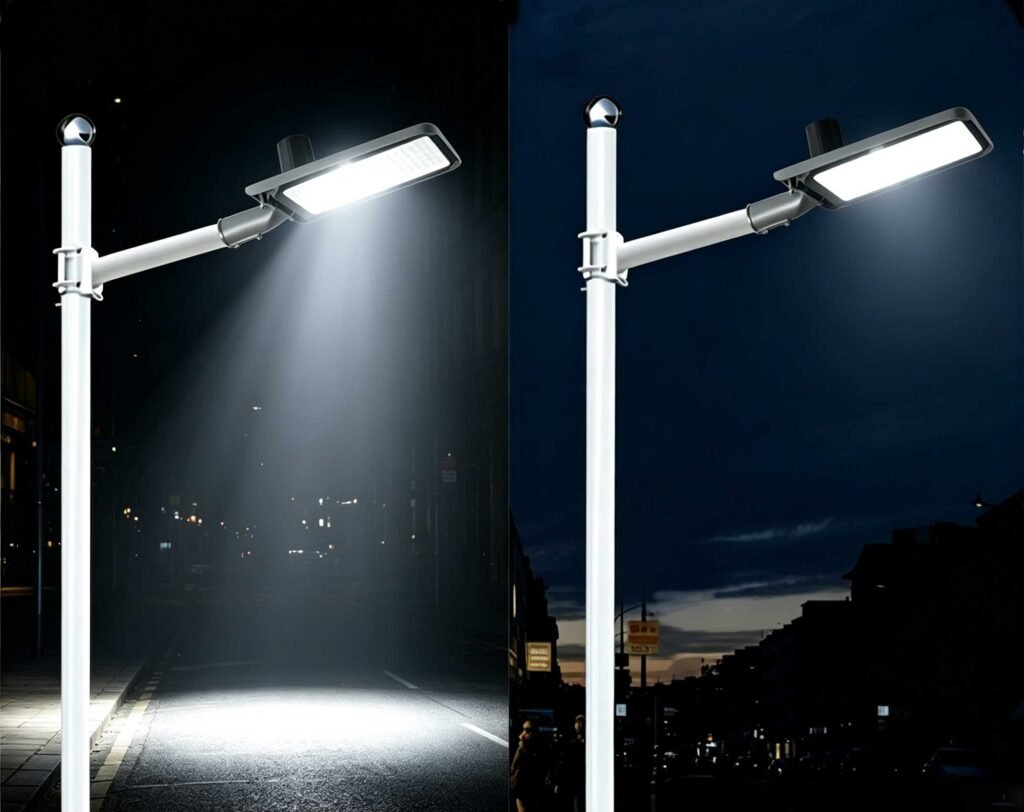
Instead of switching lights off completely, the city aims to keep them on at lower intensity during the night. This approach can reduce energy use while supporting safety. It also highlights the need for reliable outdoor lighting control.
What Can Cities Learn From the Limoges Public Lighting Upgrade?
The Limoges project shows that public lighting modernization is more than an LED replacement job. The city is combining new LED luminaires with fixture reprogramming and electrical infrastructure upgrades.
The project also changes how energy savings are achieved. Instead of relying on complete nighttime shutoffs, Limoges is using light-intensity modulation. This keeps streets illuminated while reducing output when demand is lower. The target is up to 89% energy savings.
For municipalities, the lesson is clear:
- Upgrade the light source.
- Improve the infrastructure.
- Control lighting levels.
- Keep nighttime needs in mind.
Why Does Automatic Lighting Control Matter in Extensive Municipal Projects?
LED fixtures can reduce energy use, but they still need proper control. A street light should not operate at full output during daylight. Photocontrol helps prevent this unnecessary operation.
A photocell sensor detects changes in ambient light. It can switch outdoor lights according to natural light availability. This reduces the need for manual switching across large lighting networks. TE Connectivity describes street-light photocontrols as solutions for automated outdoor lighting, including simple on/off applications and more advanced dimming controls.
For municipal projects, this matters at scale. Thousands of lighting points can require consistent control every day. A reliable street light photocell can therefore support:
- Automatic day/night operation
- Consistent lighting schedules
- Less manual intervention
- More efficient use of LED lighting
Manual vs. Automatic Outdoor Lighting Control
| Factor | Manual Control | Automatic Photocontrol |
| Switching trigger | Operator or preset schedule | Ambient light level |
| Daylight response | May require adjustment | Responds automatically |
| Human intervention | Higher | Lower |
| Large lighting networks | More difficult to manage manually | Easier to apply consistently |
| Seasonal daylight changes | Requires schedule changes | Responds to changing daylight |
| Basic ON/OFF control | Possible | Built for automatic operation |
How Can Municipalities Build a Cost-Effective Street Lighting System With Photocell Switches?
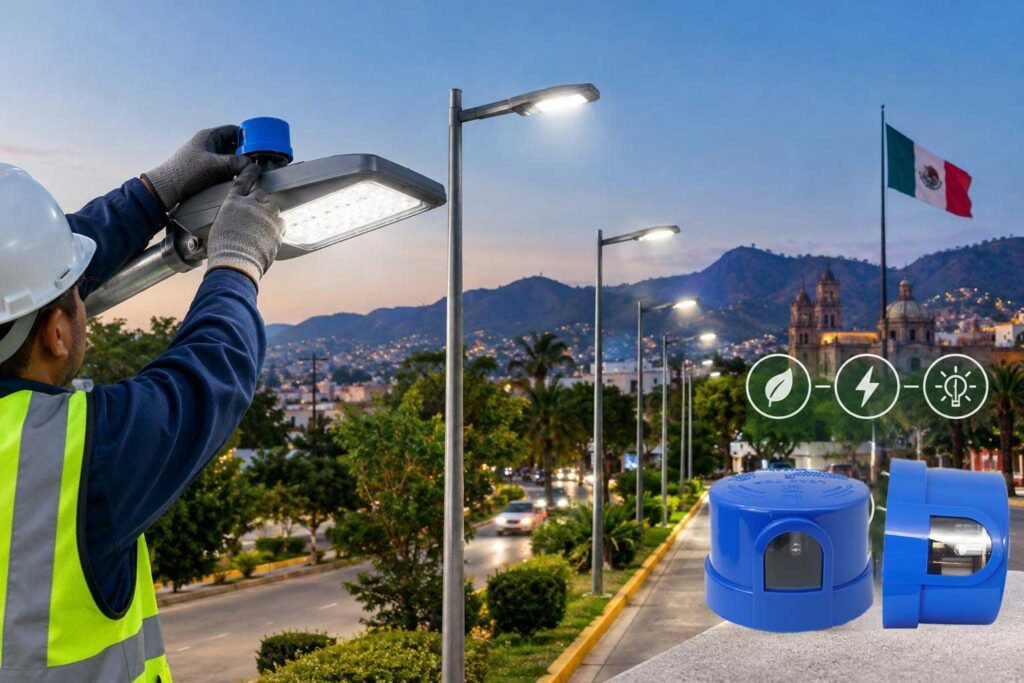
A practical option is a twist-lock photocontrol paired with a compatible receptacle. The recommended combination will be:
LT104 Low-Cost Twist-Lock Photo Control + LT645 Economical 3-Pin Photocontrol Receptacle
How Does the LT104 + LT645 System Work?
The setup is straightforward:
LED Street Light → LT645 Receptacle → LT104 Photocontrol → Automatic Lighting Control
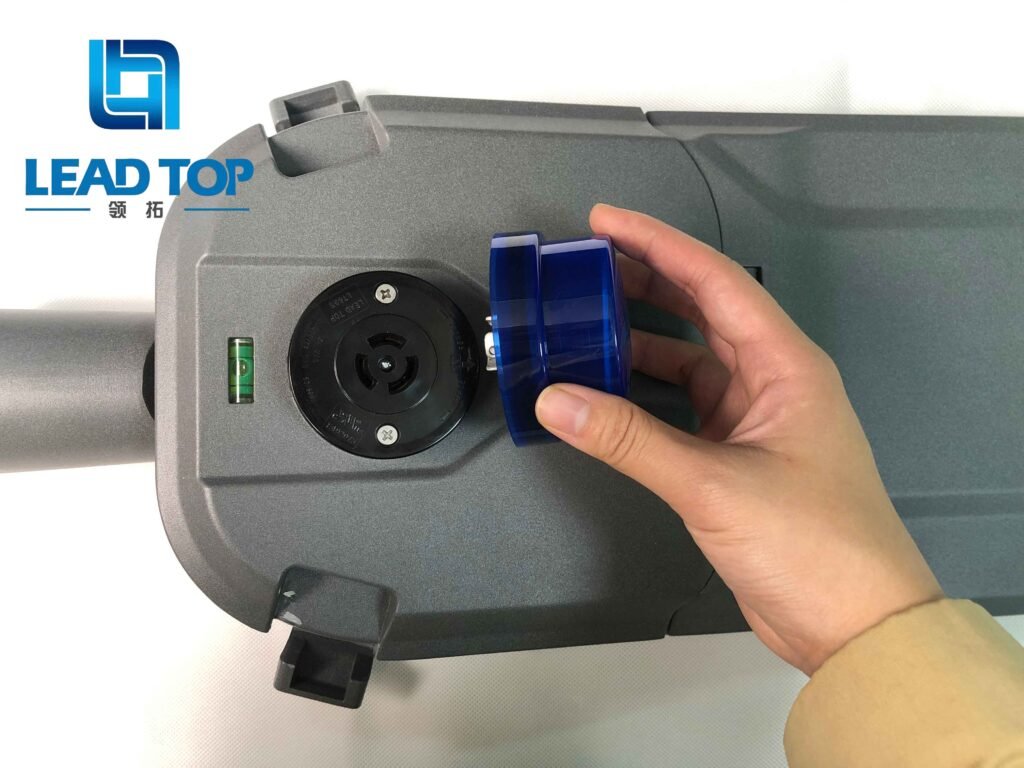
The LT645 provides the fixture interface. The LT104 detects ambient light through an IR-filtered phototransistor. It then supports automatic lighting control based on outdoor light conditions.
The LT104 is rated IP66. It operates in a diverse temprature range. It is also positioned as a cost-effective model for LED, HID, and tungsten lighting.
What Should Municipal Buyers Consider?
Before selecting a photocontrol, check:
- Fixture and receptacle compatibility
- Installation method
- Environmental protection
- Operating temperature
- Project quantity
- Required control functions
- Long-term replacement costs
| Specification | LT104 Twist-Lock Photocontrol | LT645 3-Pin Photocontrol Receptacle |
| Product type | Twist-lock photocontrol | 3-pin photocontrol receptacle |
| Primary role | Automatic light control | Photocontrol mounting/interface |
| Installation | Twist-lock | Compatible 3-pin receptacle interface |
| Light sensing | IR-filtered phototransistor | — |
| Enclosure rating | IP66 | Economical outdoor receptacle design |
| Operating temperature | -40°C to +70°C | — |
| Lighting compatibility | LED, HID, tungsten | Designed for compatible 3-pin photocontrols |
| Application | Outdoor lighting control | Street-light photocontrol installation |
Why Can a Simple Photocell Combination Make Sense for Municipal Lighting?
Not every municipal lighting project needs connected controls. Some projects only need reliable automatic switching. In those cases, a basic light sensor can meet the requirement without adding unnecessary system complexity.
This approach can make sense for residential roads, basic public lighting, and large-volume LED replacement projects. It is especially relevant when municipalities need to install control devices across many lighting points while keeping component costs manageable.
A simple photocontrol system can provide the essential function:
- Detect daylight → Switch lighting off
- Detect darkness → Switch lighting on
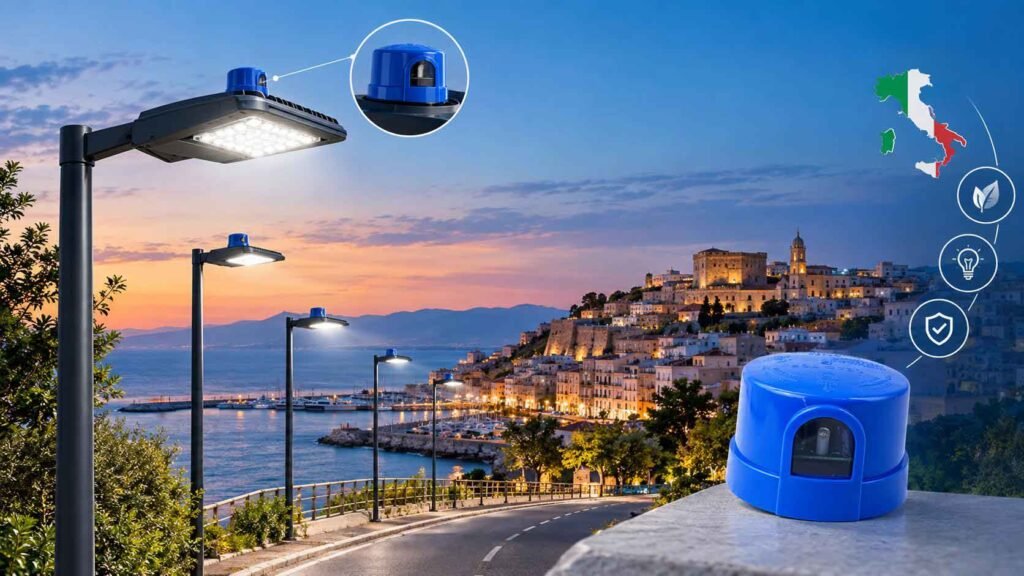
Smart controls become more useful when the project requires remote monitoring, data collection, centralized management, or advanced dimming. Limoges itself shows why control requirements can vary. Its modernization program uses modulation of light intensity to maintain nighttime lighting while targeting major energy savings.
The key is to match the control technology with the project. Simple does not mean unsuitable. It means using only the control functions the application actually needs.
What Should Municipalities Consider When Choosing Between Basic and Smart Lighting Control?

Should every municipal lighting project use smart controls? Not necessarily.
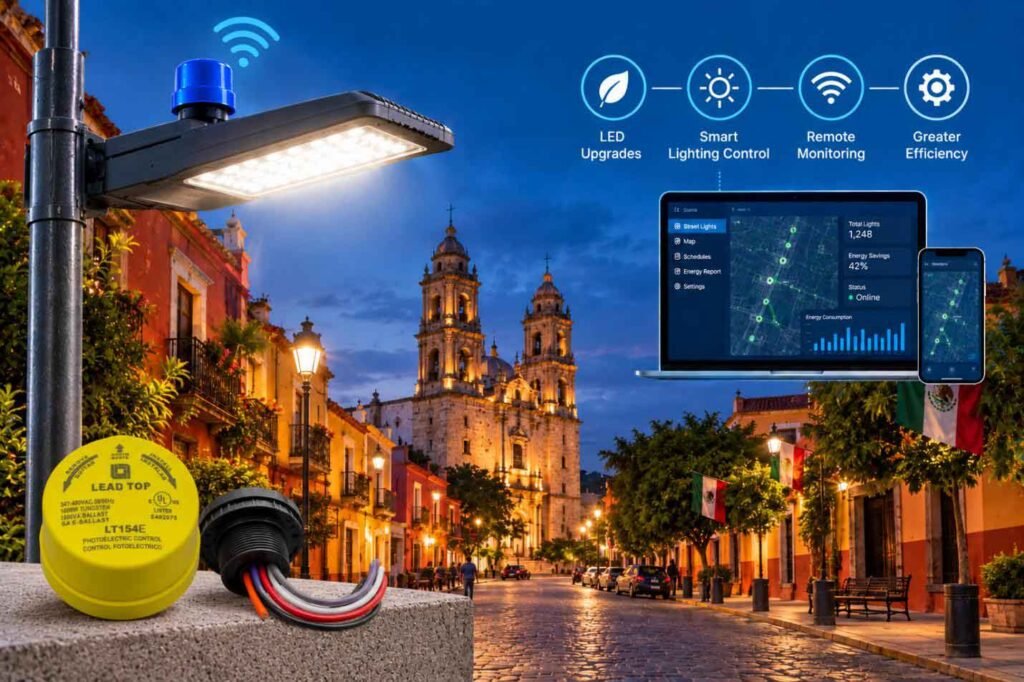
The right choice depends on what the system needs to do. A basic light sensor switch can provide automatic operation without adding network hardware or centralized software. This can suit residential roads, basic public lighting, and large LED replacement programs where simple control is the priority. TE Connectivity also identifies simple on/off photocells as a low-cost option for outdoor lighting systems.
Smart controls make more sense when municipalities need additional functions, such as:
- Remote monitoring
- Centralized management
- Data collection
- Advanced dimming
- Connected lighting control
The decision should therefore consider project scale, budget, and control requirements. A simple system can be more practical when automatic light-based switching is the main goal. A connected system is better when the municipality needs deeper control and operational data.
FAQs
1. What Is a Photocell in a Street Lighting System?
It’s a small electronic device that automates light switching. It turns street lights on as daylight fades and off when natural light returns.
2. Why Use a Photocell With LED Street Lights?
They help prevent LED street lights from operating unnecessarily during daylight. It provides automatic control without relying on manual switching.
3. Is the LT104 Suitable for Large-Scale Municipal Projects?
Yes, when the project mainly requires cost-effective automatic light control. Its design makes it suitable for applications where many lighting points need basic photocontrol.
4. Why Combine the LT104 With a 3-Pin Photocontrol Receptacle?
The LT645 provides the mounting and electrical interface for a compatible photocontrol. This allows the LT104 to connect directly to a suitable street-light fixture.
5. Is a Basic Photocell Enough for Every Smart Street Lighting Project?
No. Projects needing remote monitoring or advanced dimming may require smart controls. Basic photocells are better suited to straightforward automatic control.
The Bottom Line
Limoges shows how LED upgrades and smarter control can make public lighting more efficient. Reliable photocontrols can support this shift without adding unnecessary complexity. For cost-effective municipal lighting projects, Lead-Top offers reliable photocontrollers and receptacle solutions designed for practical outdoor lighting control.

 English
  Portuguese (Brazil)
  Spanish
  Russian
  Dutch
Dutch  Japanese
  Portuguese (Portugal)