Ajustes tarifários de 2026: e quanto ao contexto político e industrial?
O anúncio da redução das tarifas para 2026 representa uma mudança política significativa com efeitos diretos no mercado internacional de iluminação. A partir de 1º de janeiro de 2026, a China Comissão de Tarifas Aduaneiras Implementará tarifas especiais para uma ampla gama de produtos importados, incluindo produtos relacionados à iluminação, provenientes de 34 estados e regiões, ao abrigo de 24 acordos comerciais.
No contexto das tarifas alfandegárias da indústria de iluminação, essa política revela um esforço constante em direção à liberalização do comércio e a uma integração mais profunda com as cadeias de suprimentos regionais. Embora as tarifas possam parecer uma preocupação macroeconômica, seu impacto é sentido de forma mais substancial nos níveis de produto e projeto — principalmente para produtos de iluminação externa e seus componentes críticos de controle.
Tarifas mais baixas podem impactar estratégias de fornecimento, estruturas de preços e posicionamento competitivo. No entanto, elas também aumentam a concorrência ao eliminar barreiras para contratados estrangeiros, remodelando a forma como produtores e partes interessadas do projeto definem valor.
O plano tarifário de 2026 faz parte da estratégia comercial de longo prazo da China, focada no desenvolvimento de alta qualidade em vez do progresso impulsionado pelo volume. Ao aplicar taxas especiais de forma seletiva, as autoridades visam incentivar cadeias de suprimentos eficientes, a conformidade com os padrões globais e a maturidade tecnológica.
Do ponto de vista da indústria, essas mudanças reforçam a realidade de que a proteção tarifária não é mais o principal fator de competitividade. Em seu lugar, o ambiente político favorece os produtores que conseguem oferecer soluções confiáveis, homogêneas e baseadas em engenharia — principalmente em setores como o de controle de iluminação externa, onde a constância de desempenho é fundamental.
Para empresas de iluminação que atuam internacionalmente, isso significa se adaptar a um mercado onde as vantagens de custo são menores e a diversidade de produtos deve ser construída com base na substância de fabricação, e não apenas no preço.
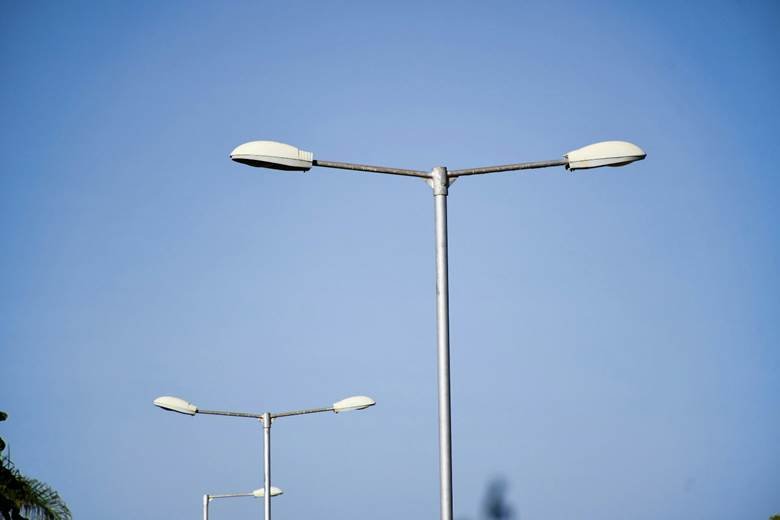
Quais produtos de iluminação serão afetados pelas reduções tarifárias de 2026?
O plano tarifário de 2026 aplica-se a uma ampla gama de importações relacionadas à iluminação em diversas regiões. As mudanças mais significativas incluem descontos para produtos provenientes de nações da ASEAN, Japão, Coreia do Sul, Austrália, Nova Zelândia e inúmeros mercados em desenvolvimento.
Tabela 1: Resumo das reduções tarifárias para produtos de iluminação em 2026
| Região/País de origem | Faixa tarifária anterior | Faixa tarifária de 2026 | Impacto principal |
| Países da ASEAN | 5,6% – 14,7% | 2,5% – 13,5% | Ampla redução de custos em todas as categorias de iluminação |
| Japão | 5,8% – 16,3% | 3,4% – 13,8% | Maior competitividade para componentes de alta especificação. |
| Coréia do Sul | 0% – 9% | 0% – 8% | Reduções marginais, mas significativas. |
| Austrália | ~3% – 16% | ~2,5% – 15% | Melhoria incremental |
| Nova Zelândia | ~4% – 17% | ~3% – 16% | Ligeira otimização de custos |
| Paquistão, Nicarágua, Equador, Sérvia | Varia | Reduzido | Maior flexibilidade de fornecimento |
Essas reduções aplicam-se não apenas às luminárias acabadas, mas também aos componentes de controle de iluminação, incluindo sensores, conectores e interfaces de controle.
Como as reduções tarifárias influenciam as cadeias de suprimentos globais de iluminação?
Tarifas mais baixas reduzem os custos de importação, mas também reformam a dinâmica da cadeia de suprimentos. Com maior flexibilidade no fornecimento, os produtores têm acesso a uma ampla gama de materiais e componentes a preços competitivos. No entanto, essa mesma abertura gera maior concorrência por parte de fornecedores globais.
Na prática, os descontos tarifários comprimem as margens de lucro. Empresas que dependem apenas de vantagens de preço podem ter dificuldades, enquanto aquelas que oferecem design superior, flexibilidade e confiabilidade estão em melhor posição.
Para produtos de iluminação externa, onde os custos ao longo da vida útil importam mais do que o preço inicial, as decisões da cadeia de suprimentos priorizam progressivamente a constância e o desempenho duradouro em detrimento da economia a curto prazo.
Qual o papel das fotocélulas no desempenho da iluminação externa?
Dentre os dispositivos de controle de iluminação, a fotocélula para iluminação externa continua sendo um dos componentes mais cruciais. Fotocélulas Decidem quando as luminárias ligam e desligam, influenciando diretamente o consumo de energia, a poluição luminosa e a confiabilidade do sistema.
Em grandes implantações, o comportamento imprevisível das fotocélulas pode resultar em acionamentos inesperados, operação desnecessária sob luz solar ou falhas prematuras. Esses problemas podem parecer pequenos individualmente, mas se transformam em ineficiência operacional significativa em centenas ou milhares de luminárias.
Por esse motivo, projetos profissionais frequentemente especificam fotocélulas uniformes de nível industrial em vez de alternativas genéricas.
Por que a padronização é preferível ao ajuste em campo em projetos de grande porte?
Os projetos profissionais de iluminação externa estão caminhando para parâmetros de controle padronizados e definidos em fábrica. Essa tática reduz a variabilidade causada por ajustes no local e diminui a dependência do conhecimento do instalador.
As soluções ajustáveis em campo podem oferecer flexibilidade, mas também introduzem imprevisibilidade, principalmente em projetos onde os dispositivos de controle são fixados em altura ou em posições de difícil acesso.
Os projetos padronizados estão em consonância com a tendência mais ampla da indústria em direção à certeza, à aceitação e à redução do risco operacional, principalmente à medida que as cadeias de suprimentos se tornam mais universais sob regimes tarifários mais baixos.
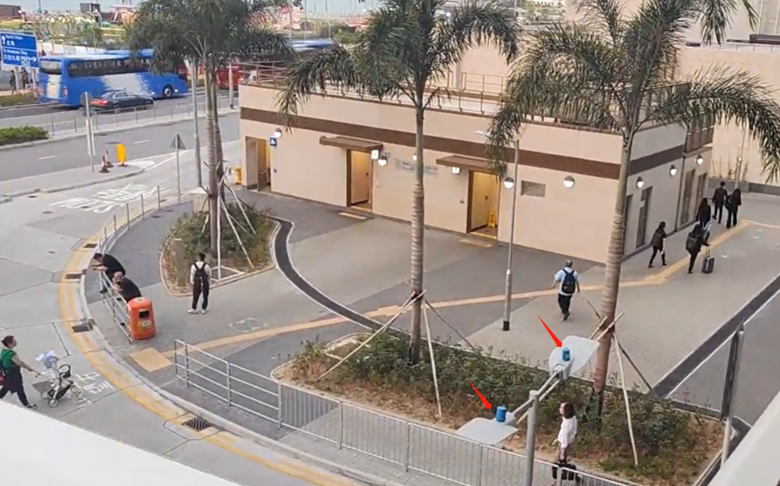
De que forma as reduções tarifárias de 2026 apoiam o desenvolvimento de uma indústria de alta qualidade?
As alterações tarifárias de 2026 não visam apenas a redução de custos; elas indicam que a indústria de iluminação provavelmente competirá com base na qualidade, confiabilidade e desempenho. Ao eliminar barreiras comerciais, os formuladores de políticas incentivam os produtores a aprimorarem suas capacidades de fabricação e a se alinharem aos padrões globais.
Para os compradores, isso significa maior variedade de opções, mas também maior obrigação de avaliar os produtos além do preço. Em um mercado aberto, os produtos que demonstram desempenho comprovado e compatibilidade com o sistema naturalmente se destacam.
Embora os componentes de controle de iluminação representem uma pequena porcentagem do custo total do projeto, seu impacto nas despesas operacionais a longo prazo é significativo. A baixa precisão do controle pode aumentar o consumo de energia, enquanto componentes não confiáveis elevam os custos de manutenção e as interrupções de serviço.
Tabela 2: Impacto da qualidade do controle de iluminação no desempenho do projeto
| Atributo de controle | Resultado de baixa qualidade | Resultado de nível de engenharia |
| Precisão de comutação | Temporização inconsistente de ligar/desligar | Operação precisa e repetível |
| Eficiência energética | Consumo desnecessário de energia | Consumo de energia otimizado |
| Frequência de manutenção | Visitas frequentes ao local | Intervenção reduzida |
| Confiabilidade do sistema | Falhas prematuras | Estabilidade a longo prazo |
| Custo do ciclo de vida | Custo total mais elevado | Redução do custo total ao longo do tempo. |
Num mercado moldado pelo impacto das tarifas sobre produtos de iluminação, esses custos a longo prazo superam cada vez mais as diferenças de preço iniciais.
Quem é a Lead-Top e como ela se encaixa nessa mudança do setor?
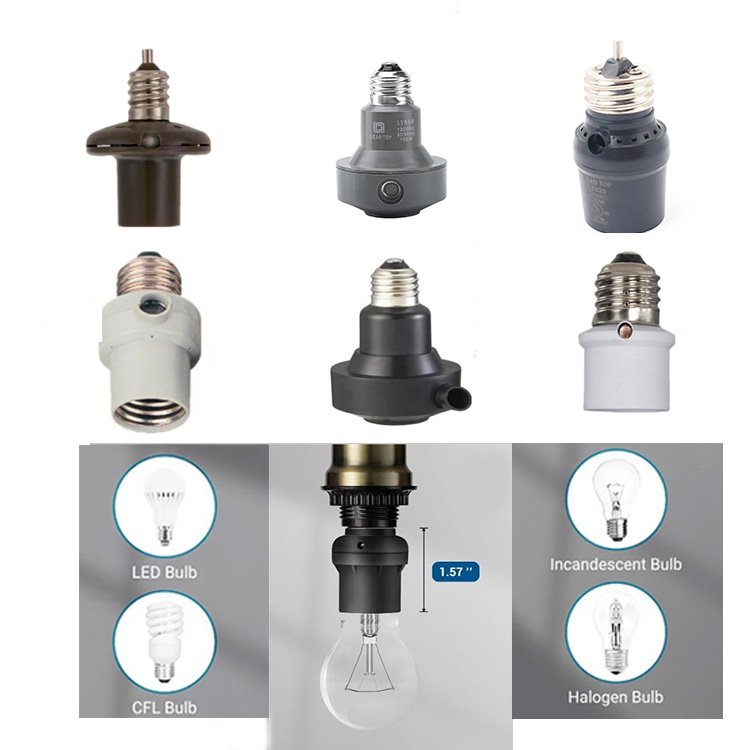
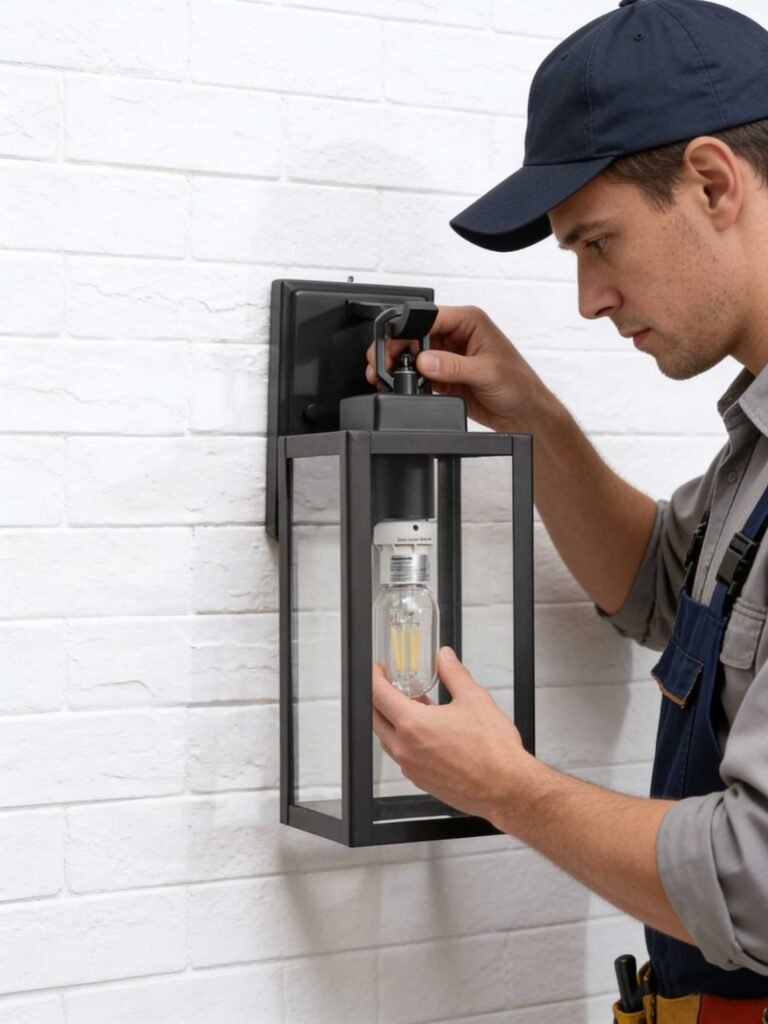
A Lead-Top é especializada em produtos de nível de engenharia. Fotocélula NEMA Soluções desenvolvidas para sistemas especializados de iluminação externa. Atendendo fabricantes de equipamentos originais (OEMs), fornecedores de engenharia, aquisição e construção (EPC) e projetos de infraestrutura em todo o mundo, a Lead-Top prioriza confiabilidade, constância e compatibilidade em nível de sistema.
A fotocélula NEMA tornou-se um padrão de referência universal para o controle de iluminação externa, principalmente em projetos de infraestrutura. Sua interface homogênea, características elétricas e método de instalação permitem a intercambialidade e a compatibilidade em nível de sistema.
Do ponto de vista da gestão de projetos, os dispositivos padrão NEMA simplificam o processo de aquisição, reduzem a inconsistência na instalação e permitem o desempenho previsto em diferentes locais e regiões.
Com a redução das tarifas alfandegárias e o aumento da disponibilidade de componentes transfronteiriços, a obediência a normas reconhecidas como a NEMA torna-se ainda mais vital para manter a confiabilidade do sistema.
Em um mercado marcado pela redução de tarifas prevista para 2026 e pela intensificação da concorrência, a estratégia da Lead-Top alinha-se à tendência do setor em direção a soluções de controle de iluminação externa de alta qualidade, homogêneas e com foco em desempenho, que proporcionam os resultados esperados ao longo de toda a sua vida útil.


 Portuguese (Portugal)
  English
  Portuguese (Brazil)
  Spanish
  Russian
  Dutch
Dutch  Japanese