Introdução
A rápida urbanização, o aumento do consumo de energia, os congestionamentos de trânsito, as preocupações ecológicas e as crescentes demandas por serviços públicos estão forçando os governos a repensarem o funcionamento dos municípios e, devido a todos esses fatores, os municípios estão enfrentando desafios extraordinários.
Essa conversão está criando uma nova geração de infraestrutura inteligente, onde iluminação, transporte, serviços públicos, redes de comunicação e serviços públicos funcionam em conjunto por meio de tecnologias digitais.
Um dos pilares mais importantes dessa revolução é o ecossistema de iluminação inteligente, onde os sistemas de iluminação modernos fazem muito mais do que simplesmente iluminar. Eles funcionam como sensores, plataformas de comunicação e pontos de controle operacional que dão suporte a objetivos mais amplos de gestão urbana.
À medida que os municípios prosseguem sua jornada de renovação digital, tecnologias como fotocélulas para iluminação externa, fotocélulas para iluminação externa e sistemas avançados de controle de iluminação estão se tornando componentes importantes do futuro desenvolvimento metropolitano.

Por que a infraestrutura está se tornando inteligente?
Os municípios contemporâneos geram uma enorme quantidade de informações todos os dias.
Os padrões de tráfego mudam a cada minuto.
A demanda de energia varia ao longo do dia.
As condições meteorológicas afetam o transporte e a segurança pública.
Os ativos de infraestrutura precisam de monitoramento e manutenção constantes.
A infraestrutura tradicional não possui a capacidade de responder dinamicamente a essas situações variáveis.
A infraestrutura inteligente resolve esse problema incorporando:
- Sensores
- Redes de comunicação
- Plataformas em nuvem
- Inteligência artificial
- Sistemas de controle automático
Isso permite que os municípios passem de uma gestão reativa para uma tomada de decisão proativa.
Infraestrutura tradicional versus infraestrutura inteligente
| Recurso | Infraestrutura tradicional | Infraestrutura Inteligente |
| Operação | Manual | Automatizado |
| Coleta de dados | Limitado | Contínuo |
| Manutenção | Reativo | Preditivo |
| Gestão de energia | Horários fixos | Otimização dinâmica |
| Monitoramento | Inspeção no local | Monitoramento remoto |
| Escalabilidade | Limitado | Altamente escalável |
Por meio da IoT urbana, os ativos de infraestrutura se transformam em dispositivos conectados capazes de compartilhar informações e apoiar a tomada de decisões em toda a cidade.
Em vez de funcionarem de forma autônoma, os sistemas passam a fazer parte de uma rede inteligente maior.
Esta é a base da cidade moderna e conectada.
Por que a iluminação externa é a base das cidades inteligentes?
Dentre todos os recursos metropolitanos, os sistemas de iluminação oferecem uma vantagem singular:
A essa altura, eles já estavam espalhados por toda parte.
Os postes de iluminação iluminam ruas, rodovias, jardins, estacionamentos, áreas industriais, comunidades residenciais e locais públicos.
Como as redes de iluminação já estão amplamente distribuídas, elas oferecem uma plataforma ideal para o posicionamento de tecnologias inteligentes.
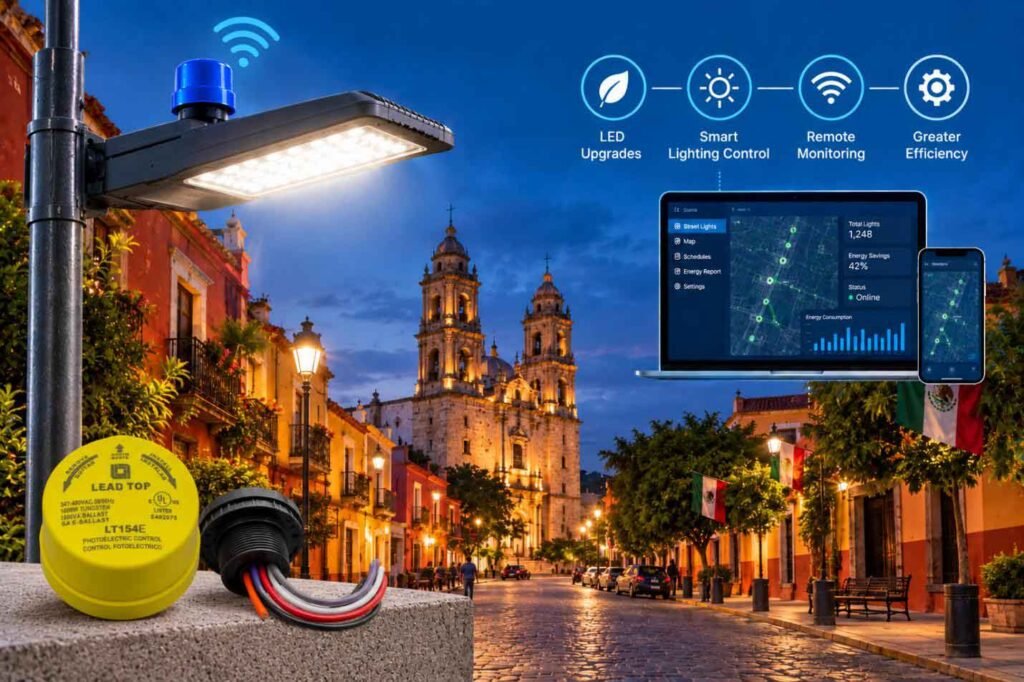
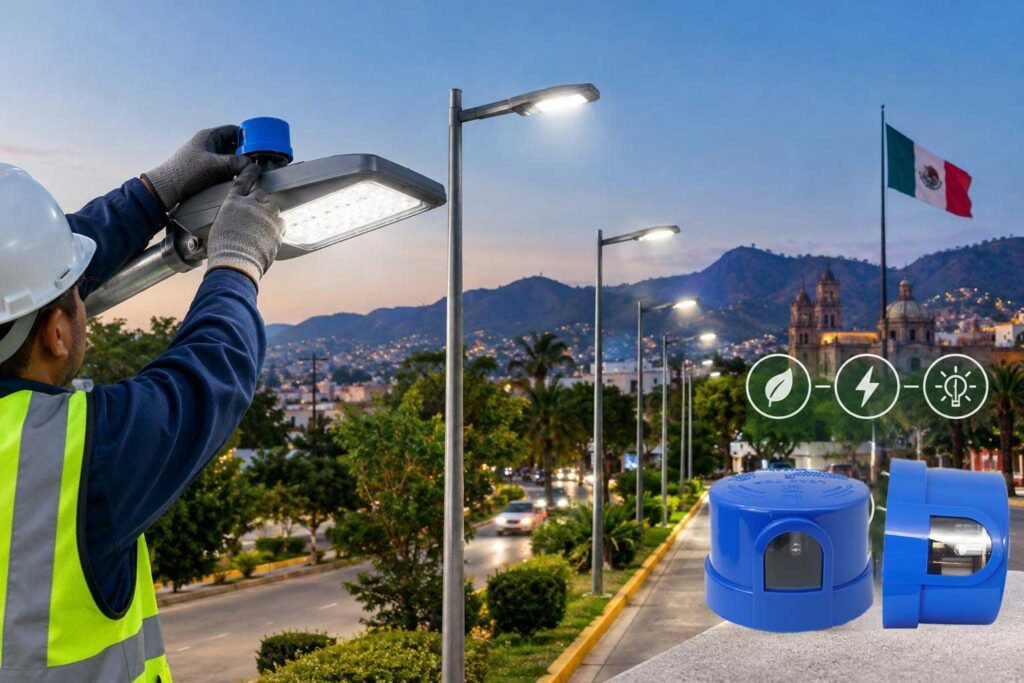
Uma fotocélula moderna para iluminação externa pode servir para muito mais do que um simples dispositivo de comutação. Ela pode se tornar parte de uma plataforma de infraestrutura inteligente para toda a cidade.
Os benefícios incluem:
- Conectividade elétrica existente
- Ampla cobertura geográfica
- Operação ininterrupta
- Fácil integração com sensores
- Implantação com boa relação custo-benefício
Consequentemente, em vez de um simples acessório de iluminação, a tecnologia de fotocélulas para iluminação externa é cada vez mais vista como um investimento estratégico em infraestrutura.
Como os sensores inteligentes conectam os sistemas urbanos?
Cidades inteligentes dependem de dados.
Sem sensores, os municípios não conseguem coletar as informações necessárias para uma tomada de decisão inteligente.
É aqui que tecnologias como sistemas de sensores de fio fotoelétrico e soluções de sensores de fotocélulas para iluminação se tornam cruciais.
A infraestrutura de iluminação moderna com sensores integrados pode suportar:
- Monitoramento da luz ambiental
- Monitoramento do consumo de energia
- Relatórios de status do equipamento
- Detecção de falhas
- Monitoramento de tráfego
- Sensoriamento ecológico
Funções comuns dos sensores de iluminação inteligentes
| Função do sensor | Benefício Urbano |
| Detecção de luz ambiente | Controle automático de iluminação |
| Monitoramento de falhas | Resposta de manutenção mais rápida |
| Medição de energia | Redução dos custos de eletricidade |
| Sensoriamento Ambiental | Monitoramento da qualidade do ar |
| Análise de tráfego | Planejamento de transporte aprimorado |
| Diagnóstico remoto | Custos de manutenção mais baixos |
Com o avanço da tecnologia de sensores, as redes de iluminação tornam-se componentes cada vez mais importantes dos sistemas de automação urbana.
Por que as cidades precisam de redes de controle de iluminação confiáveis?
Os sistemas de iluminação estão entre os maiores consumidores de energia urbana.
Mesmo pequenas ineficiências podem resultar em custos operacionais consideráveis.
Redes confiáveis de controle de iluminação ajudam os municípios a alcançar:
Otimização de Energia
Sistemas de iluminação inteligentes ajustam seu funcionamento roboticamente com base nas condições ecológicas.
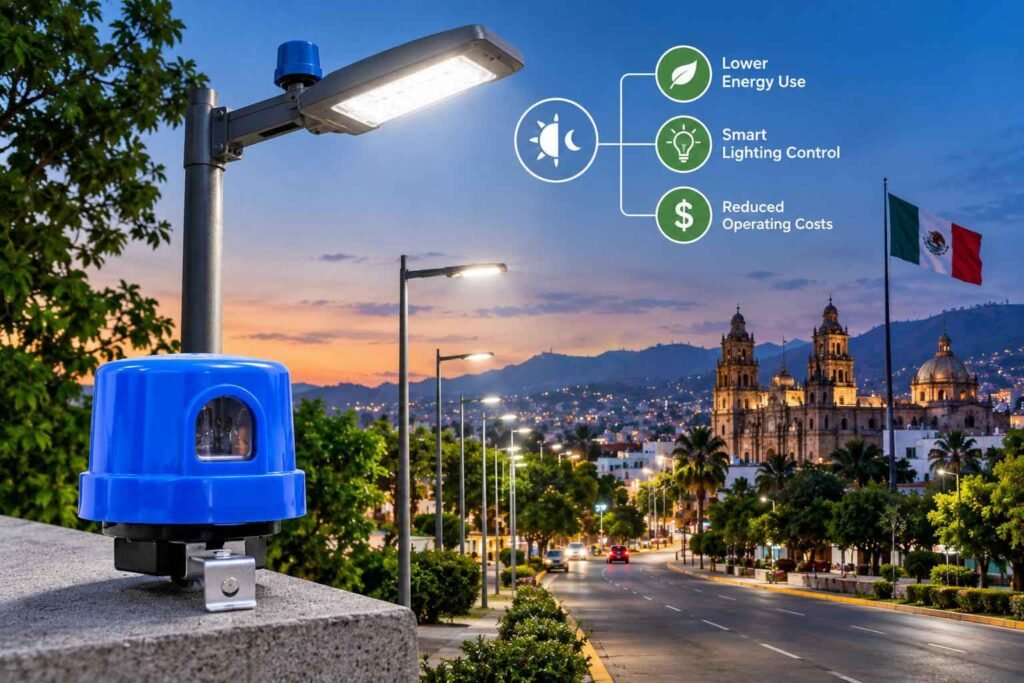
Isso reduz o consumo desnecessário de energia, ao mesmo tempo que mantém a segurança pública.
Redução dos custos de manutenção
O monitoramento remoto permite que as equipes de manutenção identifiquem problemas antes que eles causem falhas.
Isso reduz os custos de reparo e as interrupções de serviço.
Escalabilidade da infraestrutura
À medida que os municípios crescem, os sistemas padronizados de controle de iluminação tornam a expansão mais fácil e econômica.
Confiabilidade operacional
Sistemas avançados de fotocontrole melhoram a precisão do chaveamento e reduzem acionamentos falsos.
Como as diferentes regiões estão impulsionando a adoção da iluminação inteligente?
Europa
Os municípios europeus continuam a perseguir metas ambiciosas de redução de carbono e sustentabilidade.
Muitas cidades estão passando da simples modernização com LED para sistemas de iluminação totalmente conectados.
Médio Oriente
Projetos de cidades inteligentes de grande escala integram cada vez mais redes de iluminação inteligente como parte de iniciativas mais amplas de infraestrutura digital.
América latina
Os programas de modernização urbana estão impulsionando a demanda por sistemas de controle de iluminação confiáveis e economicamente eficientes, que melhorem a eficiência energética e a segurança pública.
Que soluções de iluminação inteligente são adequadas para diferentes estágios de desenvolvimento urbano?
Solução de Retrofit Inteligente de Nível Básico
Combinação recomendada:
Fotocontrolador eletrônico de baixo custo LT104 + receptáculo de montagem NEMA LT645 / LT645B
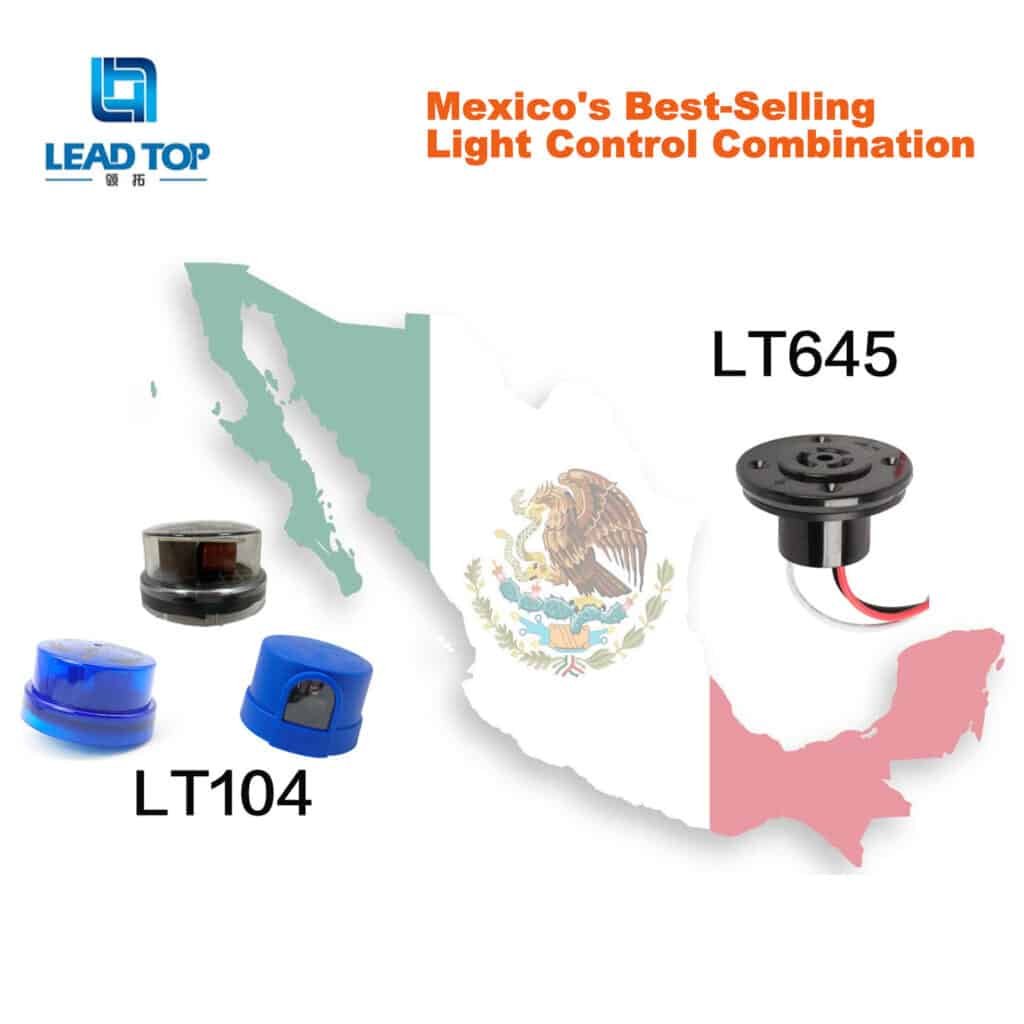
Ideal para
- projetos de retrofit de LED
- cidades sul-americanas
- Avanços em infraestrutura com foco na economia orçamentária
Benefícios
- Implantação com boa relação custo-benefício
- Desempenho de comutação confiável
- Instalação fácil
- Design compatível com ANSI
Solução padrão para rodovias inteligentes
Combinação recomendada:
Fotocontrolador LT124 com trava giratória + Tomada LT605 ANSI C136.41
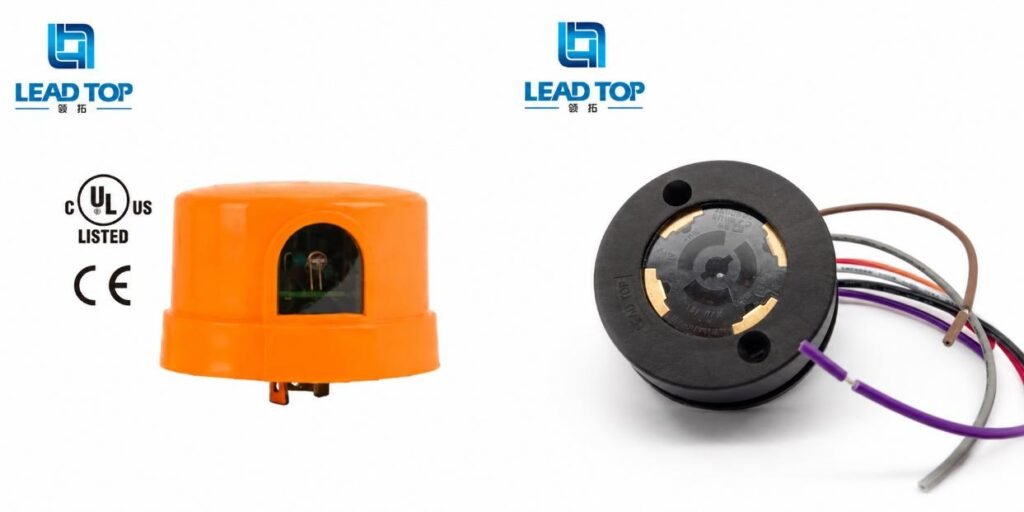
Ideal para
- sistemas de vias públicas
- Iluminação da rodovia
- Posicionamento de infraestrutura padrão
Benefícios
- Compatibilidade com LED
- Defesa contra surtos
- Interfaces padronizadas
- Confiabilidade a longo prazo
Solução de iluminação municipal de alta confiabilidade
Combinação recomendada:
Fotocontrolador LT134 de longa duração com trava giratória + Tomada rotativa LT605R
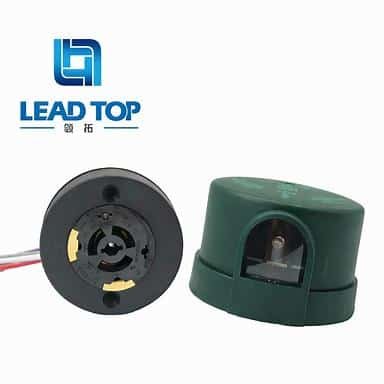
Ideal para
- Regiões industriais
- Áreas de estacionamento
- Ambientes de alto custo de manutenção
Benefícios
- Ciclo de vida operacional prolongado
- Alta capacidade de corrente de partida
- Instalação flexível
- Frequência de manutenção abreviada
Solução de Iluminação para Cidades Inteligentes do Futuro
Combinação recomendada:
Conector LT600 Zhaga Book 18 + Controlador DALI LT6002
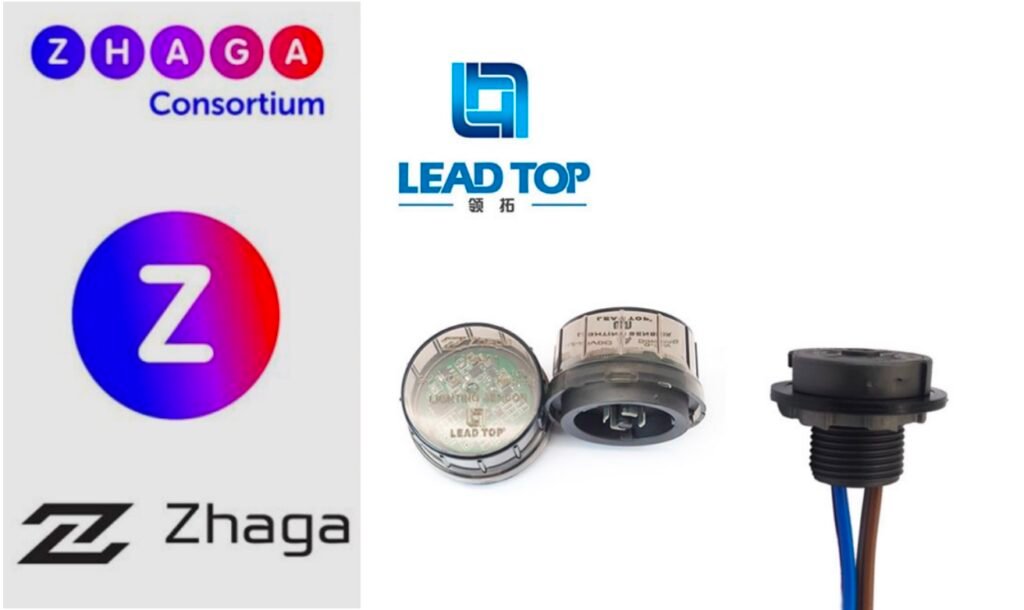
Ideal para
- projetos europeus de cidades inteligentes
- Sistemas de iluminação adaptativa
- Posicionamento inteligente de postes
Benefícios
- Zhaga Livro 18 aquiescência
- Integração DALI
- prontidão para a IoT
- Flexibilidade para avanços futuros
Como está evoluindo a infraestrutura de iluminação urbana?
A iluminação urbana passou por diversas grandes reformas.
Etapa 1: Iluminação Tradicional
Os postes de iluminação funcionavam de forma autônoma, com pouca automação.
Etapa 2: Retrofit de LED
Os municípios substituíram tecnologias de iluminação ineficientes por LEDs para reduzir o consumo de energia.
Etapa 3: Iluminação Conectada
Os sistemas de iluminação tornaram-se interligados e gerenciáveis remotamente.
Etapa 4: Infraestrutura habilitada por IA
As redes de iluminação estão se tornando plataformas de infraestrutura inteligentes, capazes de dar suporte a operações urbanas mais amplas.
Os futuros sistemas de iluminação poderão integrar:
- Sensores ecológicos
- Módulos de comunicação
- infraestrutura de carregamento de veículos elétricos
- Wi-Fi público
- dispositivos de monitoramento de tráfego
- Sistemas de resposta a emergências
Por que as cidades inteligentes precisam de parceiros de infraestrutura mais inteligentes?
Os profissionais de iluminação focados em infraestrutura desempenham um papel importante para garantir o sucesso do projeto, visto que os projetos de cidades inteligentes estão se tornando cada vez mais complexos.
A Lead-Top concentra-se no desenvolvimento de tecnologias de controle de iluminação que atendam às necessidades da infraestrutura urbana moderna.
Suas soluções incluem:
- Sistemas inteligentes de fotocontrole
- ANSI Soluções C136.10
- Interfaces inteligentes compatíveis com ANSI C136.41
- Conectividade do Livro 18 de Zhaga
- capacidades de personalização OEM
- Tecnologias de controle externo de longa duração
Essas funcionalidades ajudam cidades, fabricantes de equipamentos originais (OEMs) e integradores de iluminação a se prepararem para as demandas futuras de infraestrutura.
Conclusão:
À medida que os municípios adotam a automação, a IA e a transformação digital, os sistemas de iluminação estão se tornando uma das plataformas de infraestrutura mais importantes disponíveis atualmente.
Para ir além da iluminação básica e alcançar ambientes urbanos totalmente conectados, tecnologias como fotocélulas para iluminação externa, sensores fotoelétricos, iluminação adaptativa, IoT urbana e soluções de ecossistema de iluminação inteligente são essenciais.
A iluminação inteligente está se tornando uma camada crítica da infraestrutura digital que dá suporte à otimização de energia, manutenção preditiva, segurança pública e inovação em cidades inteligentes do futuro. Não se trata mais apenas de acender e apagar luzes.
Chamada para ação (CTA)
Explore a fotocélula inteligente., ZhagaSoluções de controle de iluminação inteligentes e compatíveis com o mercado, projetadas para infraestrutura de cidades inteligentes preparadas para o futuro. Seja para um projeto de retrofit de LED, modernização da iluminação de rodovias, posicionamento inteligente de postes ou cidade conectada, a Lead-Top oferece soluções escaláveis que garantem confiabilidade duradoura, eficiência energética e desenvolvimento urbano inteligente.
Referências:
- http://xn--https-ix3b//leaditop.com/product/lt104-conical-shell-12-48v-120-240v-twist-lock-photocontrollers-for-outdoor-landscape-barn-lighting/
- https://leaditop.com/product/ip66-ansi-c136-41-nema-3-pintwist-lock-photocell-socket-ip66-ultra-thin/
- https://leaditop.com/product/photo-electric-light-control-switch-120vac/
- https://leaditop.com/product/360-degree-rotation-nema-5-pin-360-degree-rotation-ansic136-41-nema-5-pin-twist-lock-photocell-connector/
- https://leaditop.com/product/outdoor-automatic-daylight-sensor-switch-for-led-light/
- https://leaditop.com/product/customizable-upgraded-models-ip68-highly-waterproof-zhaga-socket-lt600-2/
- https://en.wikipedia.org/wiki/American_National_Standards_Institute
- https://en.wikipedia.org/wiki/Zhaga_Consortium


 Portuguese (Portugal)
  English
  Portuguese (Brazil)
  Spanish
  Russian
  Dutch
Dutch  Japanese