Introdução
Em todo o mundo, as cidades estão acelerando os investimentos em melhorias na iluminação pública. Enquanto a primeira onda de avanços se concentrou principalmente na substituição de luminárias antigas por LEDs de baixo consumo, uma nova fase de desenvolvimento está em andamento. Os municípios estão percebendo cada vez mais que a infraestrutura de iluminação pode fazer muito mais do que iluminar as ruas.
As redes de iluminação pública contemporâneas estão se desenvolvendo em plataformas de infraestrutura conectadas, capazes de suportar automação, comunicação, monitoramento e coleta de dados. Consequentemente, a demanda por tecnologias como Controle Inteligente de Iluminação, Iluminação Urbana Inteligente, Redes de Iluminação Conectadas e Iluminação Pública IoT está crescendo rapidamente.
A perspectiva da iluminação urbana não se define mais apenas por luminárias mais brilhantes e eficientes. Ela é progressivamente moldada por controles inteligentes, interfaces prontas para comunicação e tecnologias padronizadas como ANSI C136.41, Zhaga Book 18 e soluções avançadas de tomadas NEMA.
Como a Polônia e o México exemplificam uma tendência global de iluminação?
Embora a Polônia e o México enfrentem desafios de infraestrutura diferentes, seus programas de modernização da iluminação pública revelam uma direção comum.

Por que a Polônia está investindo na modernização em larga escala da iluminação LED?
Em toda a Polônia, cidades estão buscando grandes mudanças. LIDERADO Melhorias na iluminação pública para diminuir o consumo de eletricidade e atingir as metas de sustentabilidade.
Estão sendo implementados projetos que incluem dezenas de milhares de pontos de iluminação para:
- Contas de energia mais baixas
- Reduzir as emissões de carbono
- Aprimorar a eficiência operacional
- Prolongar o ciclo de vida da infraestrutura
Para inúmeras administrações locais, a iluminação representa uma das maiores despesas frequentes com serviços públicos. A adoção da tecnologia LED oferece benefícios financeiros imediatos, ao mesmo tempo que cria uma base para futuras iniciativas de cidades inteligentes.
Por que o México está investindo em iluminação pública moderna?
Municípios em todo o México estão investindo pesadamente em melhorias nas rodovias e na iluminação pública.
Esses projetos têm como foco:
- Melhorar a visibilidade noturna
- Melhorar a segurança pública
- Infraestrutura de transporte de apoio
- Crescente confiança da comunidade
Mais do que um mero serviço público, a iluminação moderna é cada vez mais vista como um componente importante do desenvolvimento urbano.
O que ambas as abordagens têm em comum?
Apesar das diferentes prioridades, ambos os países estão investindo em:
- Modernização LED
- Automação de iluminação
- Infraestrutura preparada para o futuro
- Economias operacionais de longa duração
Por que a iluminação LED é apenas o primeiro passo?
Inicialmente, muitas cidades consideram a substituição da iluminação por LED como o principal objetivo da modernização.
No entanto, os LEDs por si só não conseguem proporcionar todos os benefícios de uma infraestrutura inteligente.
Como a tecnologia LED melhora a eficiência?
As luminárias LED oferecem inúmeras vantagens:
- Menor consumo de energia
- Vida útil mais longa
- Requisitos de manutenção resumidos
- Qualidade de iluminação aprimorada
Por que a substituição de hardware não é suficiente?
Embora as luminárias LED melhorem a eficiência, elas não criam automaticamente uma rede de iluminação inteligente.
Sem controles inteligentes, os municípios ainda enfrentam desafios como:
- Horários de trabalho fixos
- Capacidade de monitoramento restrita
- Processos de manutenção manual
- Falta de dados operacionais
É por isso que os projetos contemporâneos incluem progressivamente tecnologias de iluminação pública inteligente, juntamente com atualizações para LED.
Como a iluminação inteligente amplia os benefícios da iluminação LED?
Sistemas de controle inteligentes ajudam as cidades:
- Otimizar o horário de trabalho
- Monitorar infraestrutura remotamente
- Reduzir os custos de manutenção
- Apoiar estratégias de iluminação adaptativa
A combinação de LEDs e controles inteligentes cria um valor consideravelmente maior e mais duradouro do que a simples substituição por LEDs.
Por que a iluminação inteligente requer componentes de controle inteligentes?
O sucesso de um sistema de iluminação inteligente depende fortemente dos componentes de controle que conectam as luminárias às plataformas de comunicação e gerenciamento.
Sem esses componentes, as funções de iluminação inteligente não podem ser totalmente executadas.
Qual é o papel do Fotocontrolador de dimerização LT154 ANSI C136.41 Jogar?
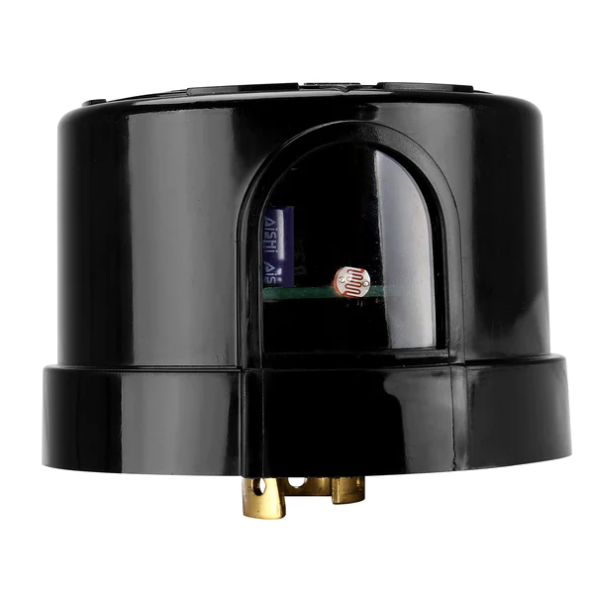
O LT154 oferece operação confiável do anoitecer ao amanhecer, além de suportar aplicações inovadoras de iluminação inteligente.
Os principais benefícios incluem:
- comutação compatível com LED
- Fortificação de corrente de entrada elevada
- Suporte para escurecimento inteligente
- Confiabilidade duradoura
Isso o torna adequado para implementações contemporâneas de controle de iluminação inteligente.
Por que é o Conector LT605-7PIN ANSI C136.41 Importante?

O LT605-7PIN serve como uma interface padronizada entre luminárias e nós de controle inteligentes.
Os benefícios incluem:
- Suporte para módulos de comunicação sem fio
- Instalação simplificada em campo
- Flexibilidade para avanços futuros
- Compatibilidade com cidades inteligentes
Como é que... Base LT100B-7PIN ANSI C136.41 Apoiar o crescimento da infraestrutura?

O LT100B-7PIN oferece uma base robusta e padronizada para a implementação de iluminação inteligente.
As vantagens incluem:
- Padrões de instalação constantes
- Manutenção fácil
- Interoperabilidade aprimorada
- Custos resumidos do ciclo de vida
Por que é o Conector Zhaga da série LT600 Ganhando popularidade?

A série LT600 suporta arquiteturas de iluminação inteligentes e compactas baseadas nos padrões Zhaga Book 18.
Os benefícios incluem:
- Design modular
- Compatibilidade com DALI
- Integração compacta de sensores
- Implantação de cidades inteligentes à prova do futuro
Tabela 1: Componentes de iluminação inteligente e suas funções
| Componente | Função principal | Benefícios da Infraestrutura Inteligente |
| Fotocontrolador LT154 ANSI C136.41 | Automação de iluminação | Suporta regulação de intensidade e controle inteligente. |
| Receptáculo LT605-7PIN | Interface de nó inteligente | Habilita módulos de comunicação |
| Base LT100B-7PIN | Montagem padronizada | Simplifica a manutenção. |
| Conector Zhaga da série LT600 | Conectividade do sensor | Compatível com sistemas de iluminação prontos para IoT |
| Controladores inteligentes | Comunicação de dados | Permite monitoramento remoto |
Por que as normas ANSI C136.41 e Zhaga Book 18 estão se tornando padrões da indústria?
A padronização tornou-se cada vez mais importante à medida que as cidades implementam sistemas de iluminação inteligente em larga escala.
O que é a norma ANSI C136.41?
A norma ANSI C136.41 é amplamente aceita e define interfaces para controles de iluminação pública inteligente.
Os benefícios incluem:
- Compatibilidade plug-and-play
- Suporte para nós inteligentes
- integração de comunicação sem fio
- Atualizações simplificadas
A norma ANSI C136.41 tornou-se uma das preferidas para projetos de iluminação de rodovias devido a esses benefícios.
O que é o livro 18 de Zhaga?
O Livro 18 de Zhaga estabelece interfaces padronizadas para sensores de iluminação e dispositivos de comunicação.
Suporta:
- DALI comunicação
- Integração de sensores
- Módulos de controle compactos
- Aplicações de cidades inteligentes
Por que as cidades preferem sistemas padronizados?
As propostas padronizadas para infraestrutura oferecem inúmeras vantagens:
- Manutenção mais fácil
- Requisitos de estoque menores
- Complexidade de instalação resumida
- Compatibilidade com tecnologias futuras
Os municípios priorizam progressivamente sistemas que possam evoluir ao longo de décadas sem necessidade de substituição completa.
Tabela 2: Infraestrutura de Iluminação Tradicional vs. Iluminação Inteligente
| Recurso | Iluminação tradicional | Infraestrutura de iluminação inteligente |
| Método de controle | Horário manual ou fixo | Automatizado e adaptativo |
| Monitoramento | Inspeções no local | Monitoramento remoto |
| Otimização de Energia | Limitado | Controle dinâmico |
| Manutenção | Reativo | Preditivo |
| Comunicação | Nenhum | habilitado para IoT |
| Expansão futura | Difícil | Altamente escalável |
| Coleta de dados | Não disponível | Dados operacionais em tempo real |
Conclusão
Embora as luminárias LED continuem sendo uma base importante, o maior valor duradouro vem da incorporação de tecnologias como Controle Inteligente de Iluminação, Iluminação Pública Inteligente, Rede de Iluminação Conectada e IoT para Iluminação Pública.
Para construir redes de iluminação escaláveis, flexíveis e preparadas para o futuro, capazes de suportar os objetivos de cidades inteligentes nos próximos anos, normas como ANSI C136.41 e Zhaga Book 18 estão capacitando os municípios.
Sistemas inteligentes de controle de iluminação desempenharão um papel crucial na melhoria da eficiência, sustentabilidade, segurança pública e desempenho no trabalho, à medida que a infraestrutura metropolitana continua a se desenvolver.
Perguntas frequentes
Qual a diferença entre iluminação inteligente e iluminação LED?
A iluminação LED refere-se a fontes de luz com eficiência energética, enquanto a iluminação inteligente abrange recursos de comunicação, monitoramento, automação e controle adaptativo.
O que é a norma ANSI C136.41?
A norma ANSI C136.41 é uma interface padronizada usada para conectar controladores de iluminação inteligentes, nós de comunicação e sistemas de dimerização a luminárias de rodovias.
Para que serve o Livro 18 de Zhaga?
O Zhaga Book 18 define uma interface padronizada para sensores de iluminação inteligentes e módulos de comunicação, com suporte para sistemas de iluminação baseados em IoT e DALI.
Somos especialistas em fotocontroladores, tomadas inteligentes, conectores Zhaga e soluções inteligentes de controle de iluminação para infraestrutura urbana contemporânea. Seja qual for o foco do seu projeto — modernização para LED, implantação de cidades inteligentes, iluminação de rodovias ou redes de iluminação conectadas —, nossa equipe de engenharia pode ajudá-lo a construir sistemas de iluminação escaláveis e confiáveis para o futuro.
Entre em contato com a Lead-Top hoje mesmo para explorar soluções de iluminação inteligente personalizadas, feitas sob medida para as necessidades do seu projeto.




 English
 Portuguese (Brazil)
 Spanish
 Russian
 Dutch
Dutch Japanese
 Portuguese (Portugal)