Acapulco está investindo em uma melhor iluminação pública. Mais de 200 luminárias foram reformadas em agosto de 2026.
Mas será que consertar os postes de iluminação pública é suficiente?
Os municípios também precisam de um controle de iluminação confiável para evitar operações desnecessárias e melhorar a eficiência. A iluminação pública em LED está se tornando cada vez mais comum. Isso reforça a necessidade de controle automático. sensores de iluminação fotocélula Podem automatizar o acionamento com base na luz ambiente. Podem reduzir o funcionamento durante o dia e simplificar a gestão da iluminação.
Para os municípios mexicanos, a combinação de atualizações para LED com fotocontroladores confiáveis pode proporcionar redes de iluminação pública mais eficientes e confiáveis.
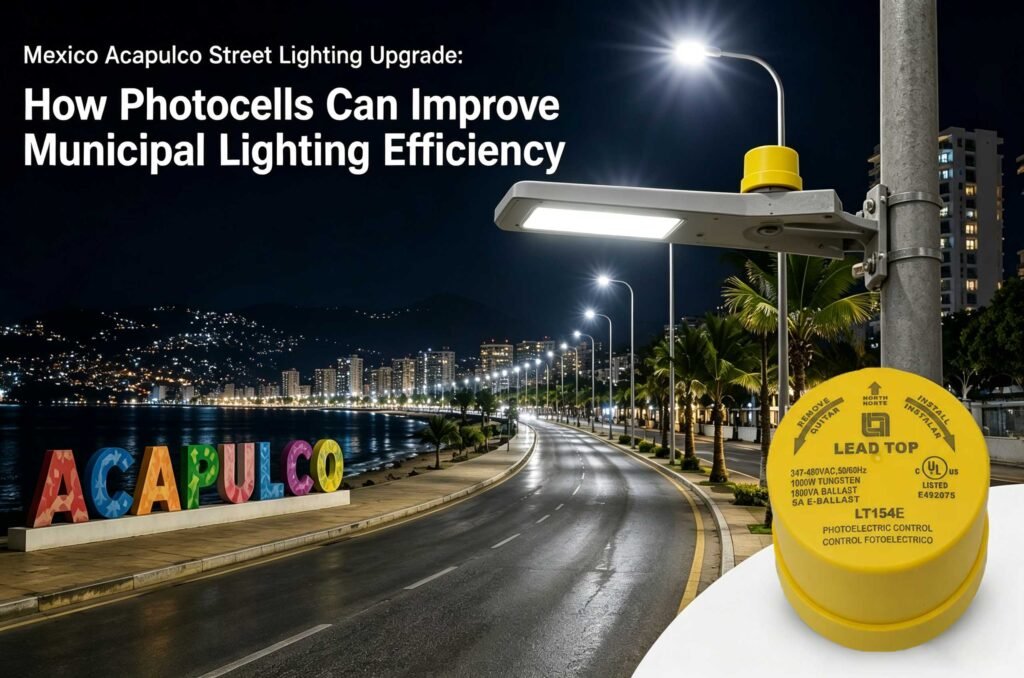
O que está acontecendo com os mais de 200 postes de iluminação pública de Acapulco?
A cidade está empenhada em revitalizar sua rede de iluminação pública. Informações divulgadas em 18 de agosto de 2026 afirmam que a prefeitura renovou mais de 200 luminárias durante o mês. O trabalho abrangeu diversas avenidas principais e não se limitou à substituição de lâmpadas.
As equipes também repararam a infraestrutura elétrica. Na Avenida Ejército Nacional, reabilitaram 10 unidades com potência nominal de 70W e realocaram outras duas. Além disso, instalaram 170 metros de cabo 1+1 em Nuevo Centro de Población.
Uma atualização municipal posterior relatou cerca de 220 reabilitações diárias e observou danos em fotocélulas e fiação causados por variações elétricas, chuva, desgaste ou curtos-circuitos.
Por que a reabilitação da iluminação também deve incluir Controle de iluminação?
O reparo de uma luminária restaura a emissão de luz. Mas o sistema de iluminação também precisa de um controle confiável. Isso é especialmente importante quando as prefeituras precisam manter centenas de luminárias em ruas, bairros e espaços públicos.
O trabalho recente de Acapulco demonstra por que os componentes de controle merecem atenção. A cidade já informou ter substituído fotocélulas e fiação durante suas atividades de revitalização.
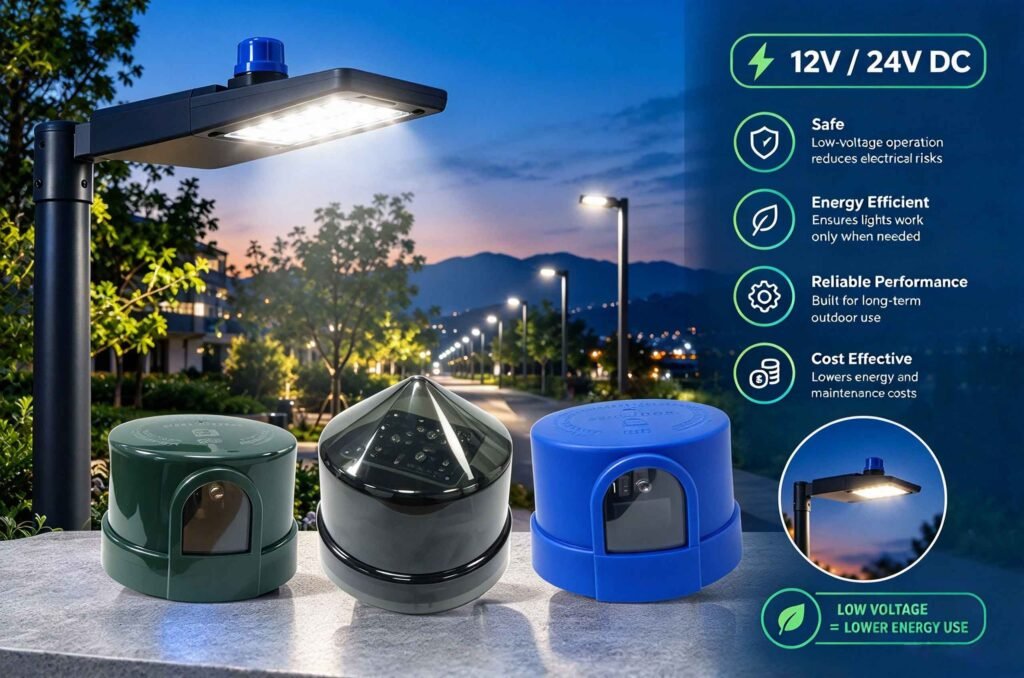
A interruptor fotocélula do sensor de luz Pode automatizar o ciclo básico de iluminação. Detecta as condições ambientais e controla quando um poste de luz é acionado. Isso ajuda a evitar o funcionamento desnecessário durante o dia e reduz a dependência de acionamentos manuais.
Para modernizações de iluminação LED em municípios, a abordagem prática é considerar ambas as partes em conjunto:
- Luminárias LED para uma emissão de luz eficiente.
- Fotocontroladores para operação automática.
- Tomadas compatíveis para instalação e manutenção confiáveis.
Como Interruptores fotocélula Aumentar a eficiência da iluminação pública municipal?
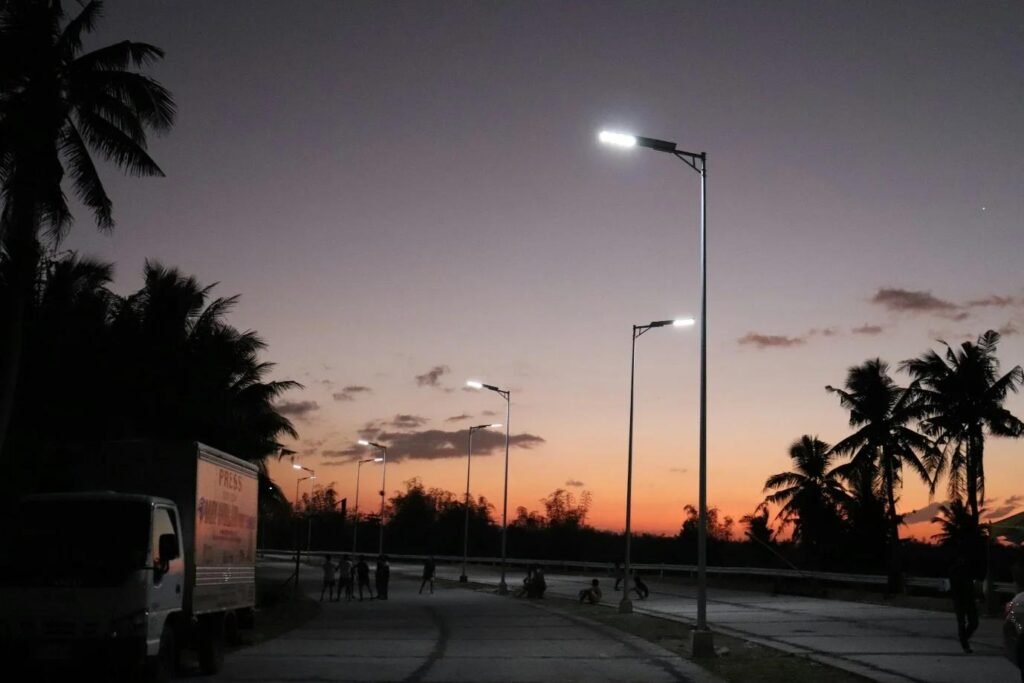
Um fotossensor ajuda a automatizar o funcionamento da iluminação pública. Ele detecta a luz ambiente e aciona a luminária de acordo. Isso evita que as luzes fiquem acesas desnecessariamente durante o dia.
Para grandes redes municipais, o controle automático também reduz a dependência de acionamentos manuais. Cada luminária pode responder localmente às mudanças nas condições de luminosidade.
Os principais benefícios incluem:
- Operação automática do anoitecer ao amanhecer
- Redução da iluminação diurna desnecessária
- Melhor suporte para iluminação pública em LED.
- Menos intervenção manual
- Controle escalável para grandes redes de iluminação
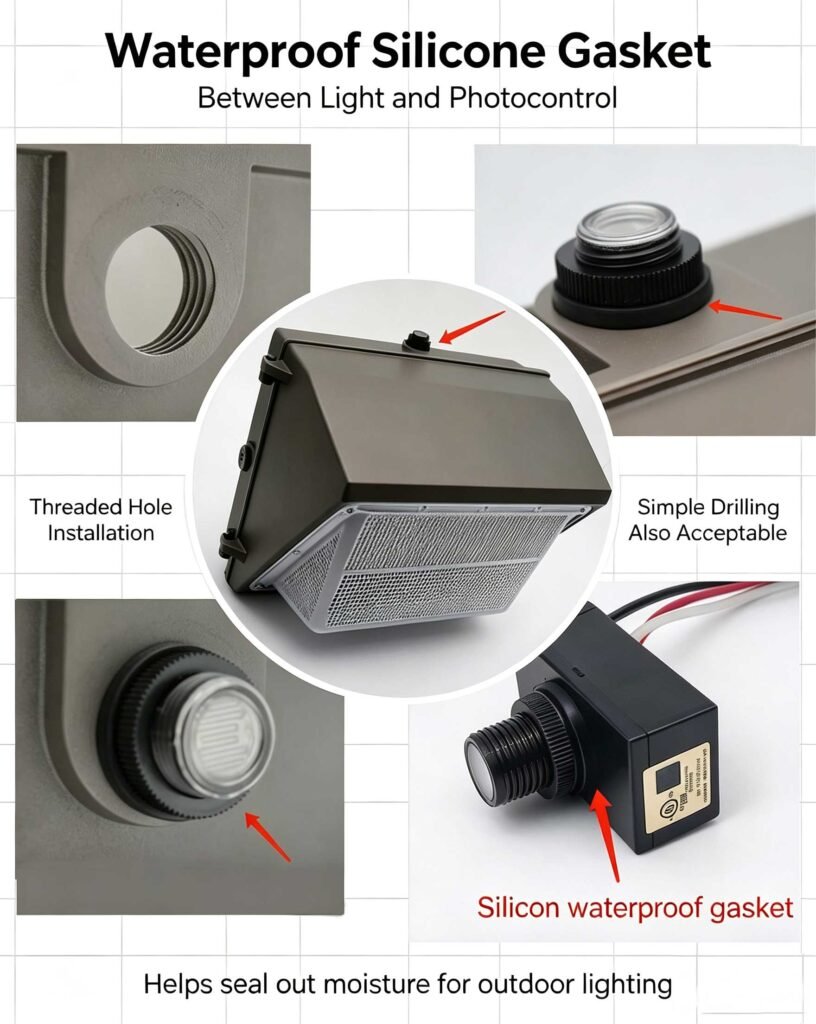
A escolha da fotocélula correta ainda é importante. Projetos municipais devem verificar a tensão, a capacidade de carga, a compatibilidade com LEDs, a proteção ambiental, o desempenho em surtos e a interface da tomada antes da seleção. ANSI A norma C136.10 abrange a intercambialidade física e elétrica entre fotocontroladores do tipo com trava e receptáculos correspondentes.
Qual Lead-Top Sensor de fotocomutação Existem soluções que podem apoiar os projetos de iluminação pública no México?
Diferentes projetos exigem diferentes níveis de controle. A Lead-Top oferece opções de trava giratória padrão e avançada. Isso inclui os modelos LT124 e LT154E.
A gama de produtos também inclui configurações de tomadas ANSI C136.10 e ANSI C136.41.
Quando é o LT124 Uma boa escolha?

O LT124 é ideal para projetos que necessitam de um controle simples do anoitecer ao amanhecer. É uma opção prática para postes de iluminação pública LED padrão e projetos de modernização de sistemas de iluminação municipais. Quando utilizado com um receptáculo de 3 pinos compatível, ele suporta a instalação padronizada com trava, baseada na interface ANSI C136.10.
Quando puder LT154E Ser usado?

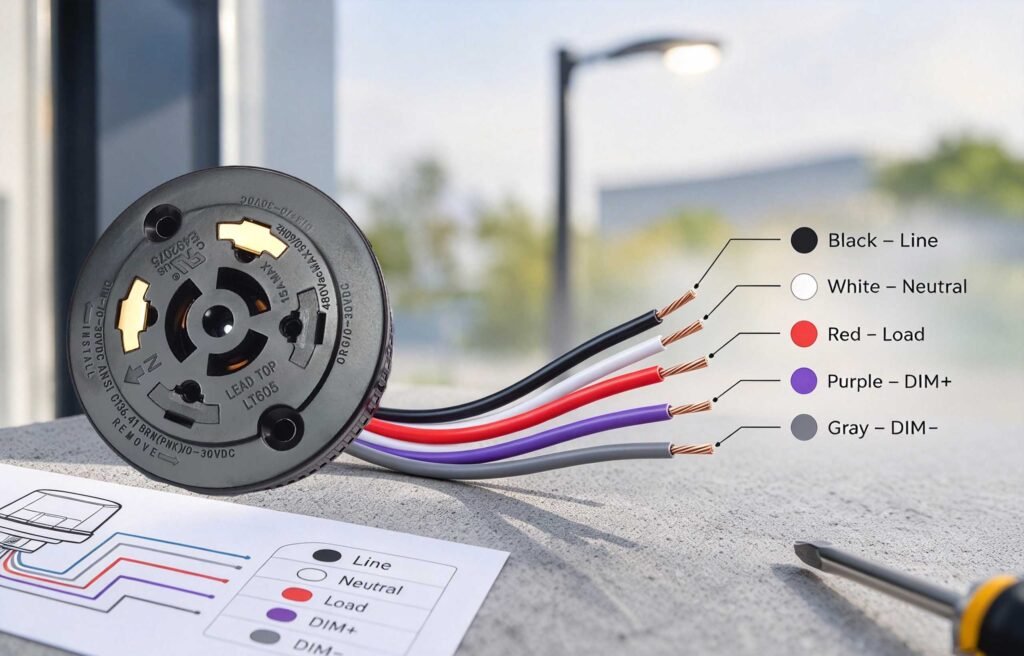
O LT154E é mais adequado para projetos que exigem controle avançado. A Lead-Top o inclui entre seus fotocontroladores de especificação superior e oferece opções de receptáculos multipinos compatíveis com ANSI C136.41. A norma ANSI C136.41 estabelece interfaces para funções de dimerização, incluindo 0–10V e DALI aplicações.
| Necessidade do projeto | Direção sugerida |
| Iluminação LED padrão ON/OFF | LT124 + receptáculo de 3 pinos compatível |
| Infraestrutura com capacidade de dimerização | LT154E + receptáculo multipino compatível |
Como a revitalização da iluminação pública de Acapulco pode contribuir para o futuro da iluminação municipal no México?
O trabalho recente de Acapulco mostra que as melhorias na iluminação pública envolvem mais do que a simples substituição de luminárias defeituosas. A cidade também substituiu fotocélulas, reparou a fiação e solucionou danos causados por variações elétricas, chuva e curtos-circuitos.
O próximo passo pode ser um controle de iluminação mais consistente. Acapulco instalou recentemente 55 luminárias de LED, incluindo 40 unidades com potência nominal de 100W e 15 com 50W, juntamente com 20 postes de aço e cerca de 800 metros de rede elétrica.
Isso cria um caminho claro em direção a:
- Modernização LED
- Controle automático liga/desliga
- Interfaces de fotocontrole padronizadas
- Infraestrutura preparada para dimerização em projetos avançados
O que os municípios devem considerar ao escolher uma fotocélula para iluminação pública?
Escolher um interruptor do fotossensor Deve-se começar pelos requisitos da luminária e do sistema de controle. Os municípios devem verificar a classificação elétrica, a interface, a compatibilidade com LEDs e as condições ambientais antes da aquisição.
| Fator de seleção | O que verificar |
| Tensão | Combine a alimentação da luminária. |
| Interface | Confirme o que é necessário. NEMA receptáculo |
| Controlar | Ligar/Desligar ou diminuir a intensidade |
| Ambiente | Chuva, calor, umidade e exposição |
| Padrão | Verifique os requisitos ANSI aplicáveis. |
Para sistemas de encaixe padrão, a norma ANSI C136.10 abrange a intercambialidade física e elétrica de fotocontroladores e receptáculos correspondentes. Para aplicações de dimerização, a norma ANSI C136.41 abrange a interface entre controles externos de encaixe e luminárias, incluindo os protocolos 0–10V e DALI.
O próprio trabalho de manutenção de Acapulco também demonstra a importância da confiabilidade das fotocélulas. A prefeitura relatou a substituição de fotocélulas durante reparos e a reconexão de luminárias com novas fotocélulas.
Perguntas frequentes
Como um interruptor fotocélula com sensor de luz melhora a eficiência da iluminação pública?
A controle de iluminação O sistema aciona automaticamente os postes de iluminação pública com base na luz ambiente. Isso ajuda a evitar o funcionamento desnecessário durante o dia e reduz a necessidade de controle manual.
É possível usar sensores de luz automáticos com postes de iluminação LED?
Sim. As fotocélulas são amplamente utilizadas em iluminação pública e de áreas externas com LED. O fotocontrolador deve ser compatível com a tensão, a carga e os requisitos de controle da luminária.
O que é um fotocontrolador NEMA?
Um fotocontrolador NEMA é um controlador de iluminação externa do tipo com trava, projetado para funcionar com uma tomada compatível. Essa norma define a interface para sensores de luz convencionais.
Qual a diferença entre uma fotocélula de 3 pinos e uma de 5/7 pinos?
Um sistema de 3 pinos fornece controle básico de LIGAR/DESLIGAR. Sistemas de cinco e sete pinos adicionam contatos de sinal para funções como dimerização ou controles avançados de iluminação.
Como escolher o fotossensor certo para um poste de iluminação pública municipal?
Verifique a tensão, a carga, a compatibilidade do driver de LED, o tipo de receptáculo e a função de controle necessária da luminária. Considere também as condições ambientais e as normas ANSI aplicáveis.
Conclusão
A revitalização da iluminação de Acapulco demonstra a necessidade de luminárias LED confiáveis e controle automático de iluminação. As fotocélulas podem tornar a iluminação pública municipal mais eficiente e fácil de gerenciar. Para projetos no México, Topo de chumbo A Lead-Top oferece fotocélulas e tomadas NEMA para aplicações de iluminação padrão e avançadas. Converse com a Lead-Top para encontrar a solução ideal para o seu próximo projeto de iluminação pública.


 English
 Portuguese (Brazil)
 Spanish
 Russian
 Dutch
Dutch Japanese
 Portuguese (Portugal)