The city is upgrading its public lighting system with around 9,000 new LED luminaires and 500 new lighting poles. The project aims to improve safety and energy efficiency in public spaces.
But is replacing old fixtures with LEDs enough? Not quite.
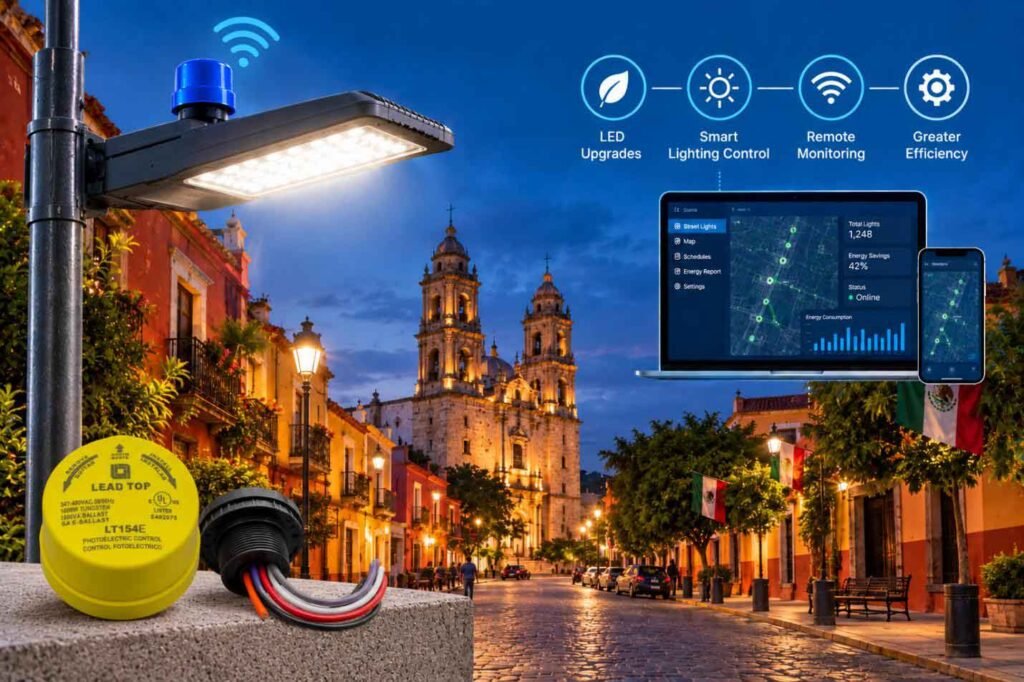
Light sensor control can be the actual game-changer. They automate lighting based on natural light availability, and Compatible receptacles can make installation and replacement easier.
As Italian municipalities continue modernizing public lighting, these small components can play an important role in keeping large LED networks efficient and manageable.
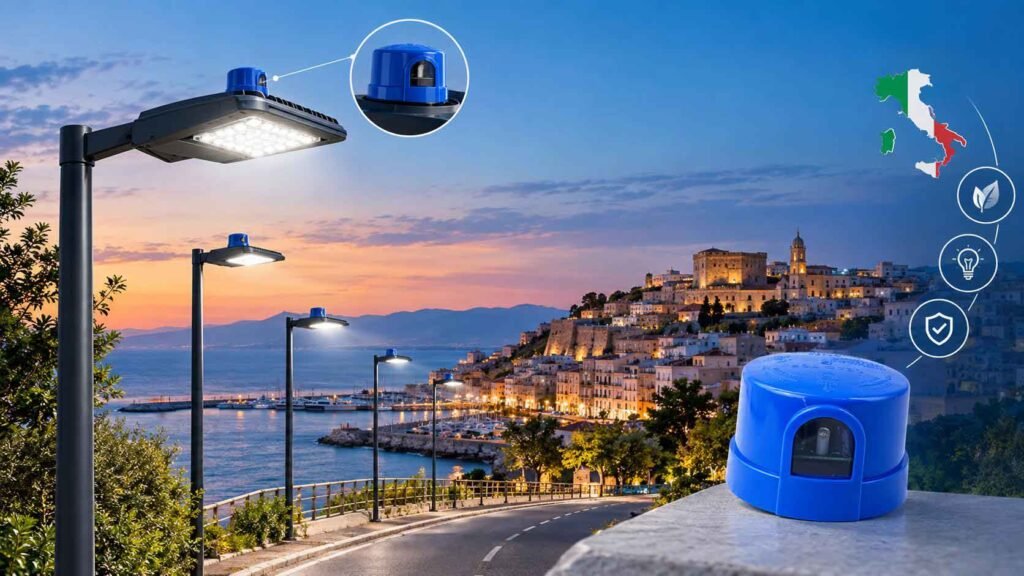
Why Is Manfredonia Accelerating Its Public Lighting Modernization?
Manfredonia is moving ahead with a broad public lighting upgrade, installing about 9,000 new-generation LED luminaires. Work has already reached peripheral areas and major access roads.
The plan is not only about replacing old lights. It also targets practical improvements in daily public spaces:
- Better lighting quality
- Improved road and pedestrian safety
- Higher visibility
- Lower energy consumption
- More modern public spaces
- Upgraded lighting infrastructure
The municipality has also linked public lighting with regular maintenance and LED-based energy efficiency. This makes Manfredonia a clear example of a wider shift toward more efficient municipal lighting systems.
Why Is LED Replacement Only the First Step in Street Lighting Modernization?
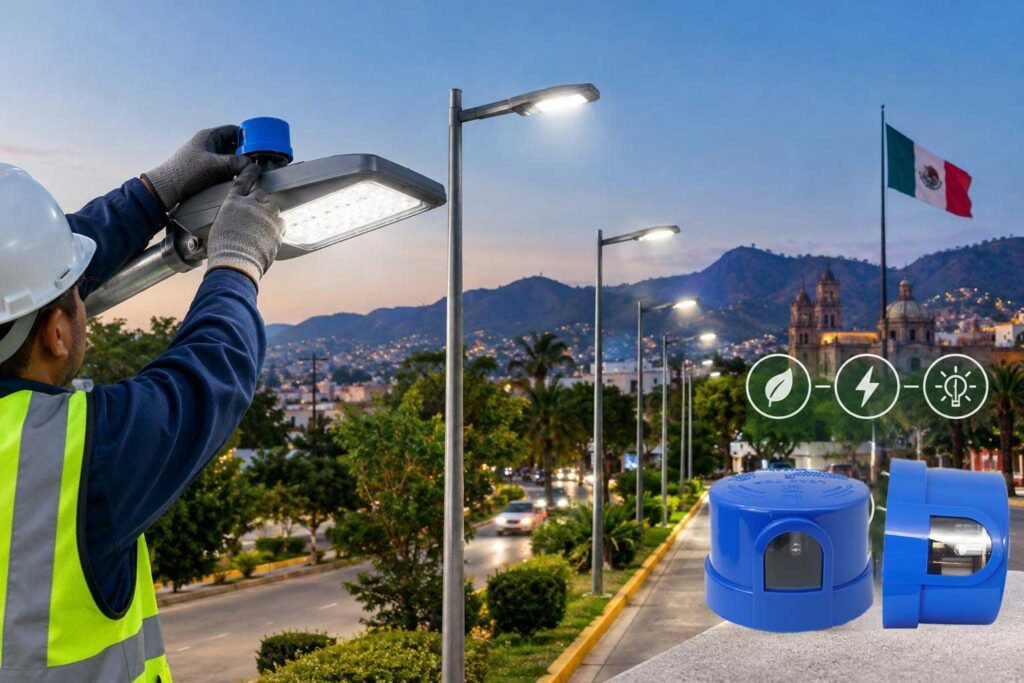
LED luminaires improve lighting efficiency. But they still need a reliable way to operate automatically. A street light must respond to changing daylight conditions. This is where a street light photocell becomes useful.
An outdoor light sensor switch detects ambient light and controls when the luminaire operates. This avoids relying on manual switching at each lighting point.
For a project involving thousands of luminaires, automatic control becomes especially practical. Manfredonia’s modernization also includes technology for monitoring lighting-system operation, showing that the upgrade extends beyond the LED fixture itself.
The key point:
LED improves the light source, while photocontrol helps manage when that light operates.
Why Do Automatic Light Sensor Still Matter in Italian LED Street Lighting?
LEDs can reduce the energy demand of street lighting. But they do not decide when a luminaire should operate. That task still needs a control method. A street light photocell detects ambient light and supports automatic switching as daylight changes.
This matters in Italy, where road-lighting design also considers energy use, safety, and environmental impact. UNI 11248:2016 provides procedures for selecting lighting categories and recognizes systems that activate adaptive lighting conditions. UNI EN 13201-5 also defines indicators for power density and annual energy consumption.
For municipal LED projects, the control system should therefore support:
- Reliable dusk-to-dawn operation
- Consistent lighting schedules
- Efficient energy use
- Easier maintenance
A street light controller remains a simple way to connect the lighting system with actual outdoor light conditions.
How Do Photocell Switches and Receptacles Work Together in LED Retrofit Projects?
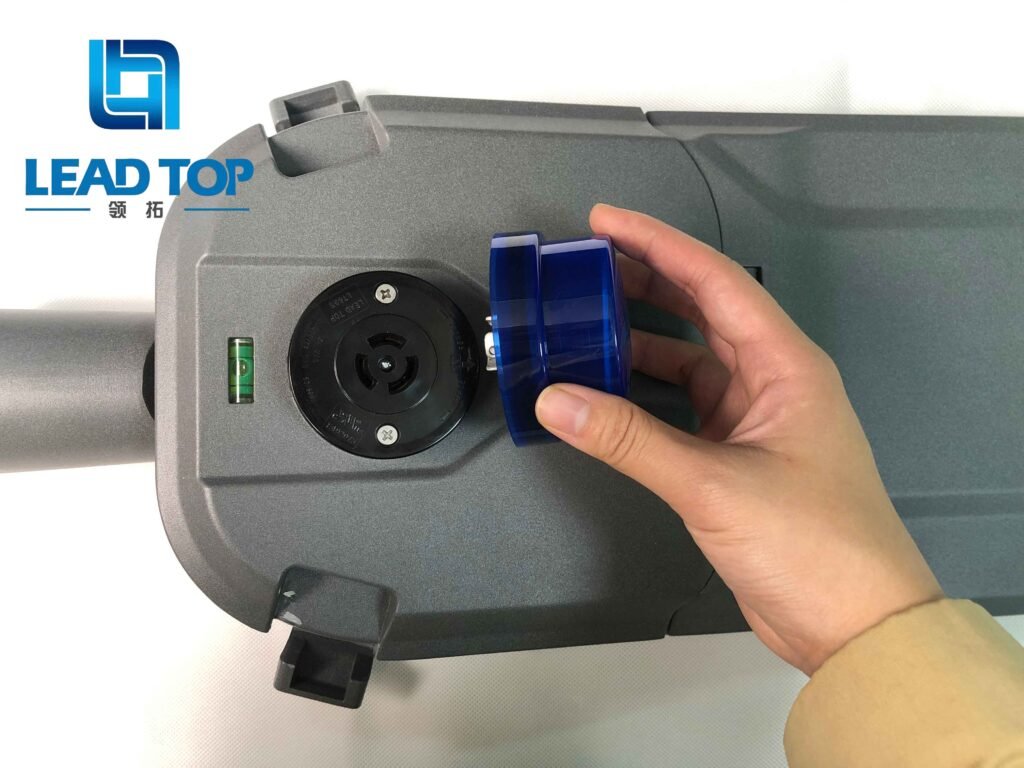
An LED street light photocell needs a suitable interface to connect with the lighting fixture. This is where the receptacle becomes important. A twist-lock photocontrol fits into the matching receptacle and provides the electrical connection needed for automatic lighting control.
ANSI C136.10 specifically covers locking-type photocontrols and their mating receptacles for roadway and area lighting equipment. This makes compatibility important when large numbers of lighting points are being upgraded.
For an LED retrofit, a compatible combination can simplify:
- Installation: consistent connections across lighting points
- Replacement: easier removal of failed control devices
- Maintenance: fewer interface problems
- Procurement: standardized component specifications
For a project on the scale of Manfredonia’s upgrade, the photocell and receptacle should therefore be planned together. The luminaire may be new, but the control interface still needs to work reliably for years.
Which Lead-Top Photocell and Receptacle Combination Suits Large LED Projects in Italy?
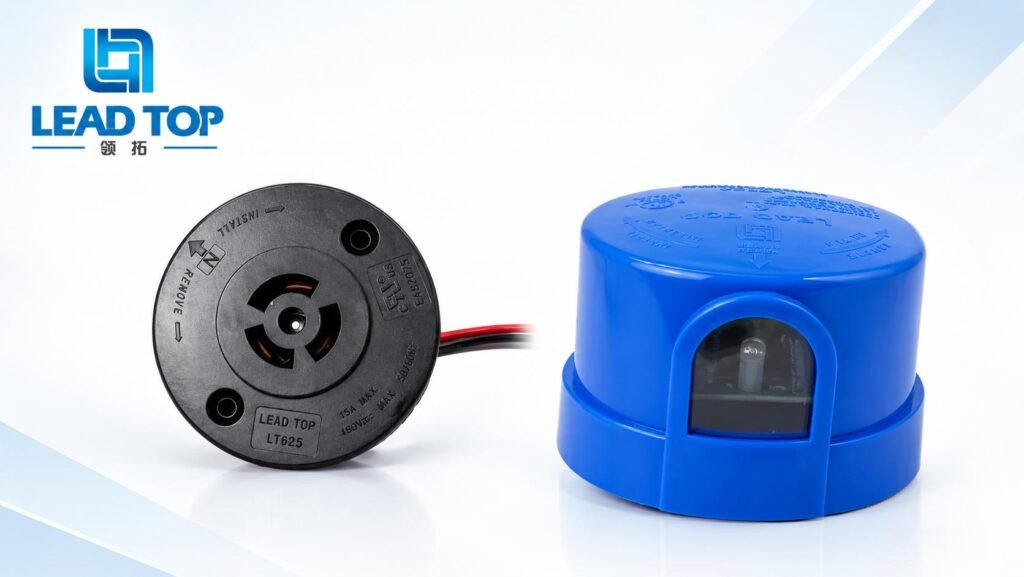
For standard LED street lighting, LT124 + LT625 offers a straightforward control combination. The table below outlines the specifications of both products.
| Specification | LT124 Photocontrol | LT625 3-Pin Receptacle |
| Product type | Twist-lock photocontrol | 3-pin NEMA receptacle |
| Main function | Automatic lighting control | Photocontrol interface |
| Voltage | 105–305 VAC | Up to 480V |
| Frequency | 50/60 Hz | 50–60 Hz |
| Standard | ANSI C136.10 | ANSI C136.10 & UL773 |
| Rated load | Project-specific / LED application | 15A / 1000W / 1800VA |
| Operating temperature | Check project configuration | -40°C to +70°C |
| Application | LED street and outdoor lighting | Street and outdoor lighting |
Recommended Combination
LT124 Photocell + LT625 3-Pin Receptacle
ANSI C136.10 covers locking-type photocontrols and their mating receptacles for roadway and area lighting equipment. For a large retrofit, this standardized pairing can simplify component selection and future replacement.
Why Does Standardization Matter When Thousands of Lighting Points Are Involved?
A large project creates a different challenge from a small installation. Every component must be specified carefully. A minor compatibility issue can affect many lighting points. Standardized photocells and receptacles help reduce this risk.
The ANSI C136.10 framework is built around physical and electrical interchangeability between locking-type photocontrols and mating receptacles. This is valuable when contractors must install or replace large numbers of control devices.
Standardization can support:
● Procurement
Consistent specifications across the project.
● Installation
Matching interfaces reduce compatibility issues.
● Maintenance
Replacement units are easier to identify.
● Inventory
Fewer component variations are needed.
For Manfredonia-scale modernization, treating the photocell and receptacle as one standardized control interface can make the lighting network easier to install and maintain over its service life.
How Standardization Helps a Large LED Retrofit
| Project Stage | Without Standardization | With Standardization |
| Procurement | More component variations | Consistent specifications |
| Installation | More compatibility checks | Repeatable installation |
| Replacement | Different replacement parts | Easier part identification |
| Inventory | More SKUs to manage | Fewer component variations |
| Maintenance | More troubleshooting variables | Simpler servicing |
| Future upgrades | Potential interface conflicts | Easier planning |
Can Automatic Photocells Lead to Adaptive and Smart Street Lighting?
A street light sensor provides basic automatic control. But modern street lighting can go much further. UNI 11248:2016 defines functionalities and classifications for systems that activate adaptive lighting conditions. It also sets typical operating requirements.
Adaptive systems can adjust lighting according to conditions. Depending on the project, this can include:
- Scheduled dimming
- Traffic-responsive control
- Pedestrian detection
- Remote monitoring
- Energy monitoring
- Fault detection
- Centralized management
This creates a practical path from simple dusk-to-dawn control to smarter municipal lighting. Yet not every project needs a complex system immediately. A reliable light control photocell can provide the basic automatic control first. Future control equipment can then build on that foundation.
What Should Italian Municipal Lighting Projects Consider When Choosing Photocells?
Choosing a photocell is not only about switching lights on and off. Italian municipal projects must consider how the control device fits the complete lighting system. UNI 11248 connects lighting design with risk assessment, energy saving, environmental impact, and adaptive lighting.
For large LED projects, municipalities and contractors should check:
- Compatibility: Match the photocell with the correct receptacle and luminaire.
- Reliable switching: Ensure stable operation under outdoor conditions.
- Standardized installation: Use consistent interfaces across lighting points.
- Maintenance: Make replacement simple when a control device fails.
- Energy management: Consider how operating schedules affect consumption.
- Future upgrades: Leave room for dimming or smarter control.
These checks become especially important when thousands of lighting points are involved. The right photocell should support today’s retrofit without limiting tomorrow’s control strategy.
What Does Manfredonia’s LED Upgrade Mean for Italy’s Lighting Market?
Manfredonia’s project shows how Italian municipalities are treating public lighting as a broader infrastructure upgrade. The plan covers about 9,000 LED luminaires and 500 new poles across the municipal area. Work has already reached roads, peripheral areas, the seafront, and public spaces.
The project also points to demand beyond LED luminaires. Large upgrades require compatible poles, electrical equipment, control devices, and maintenance support.
For Italy’s lighting market, this creates opportunities for suppliers of:
- LED lighting equipment
- Photocontrols and receptacles
- Electrical components
- Maintenance systems
- Lighting-control technologies
The direction is clear. Municipalities need complete and reliable lighting systems. Photocells remain relevant because they provide a practical layer of automatic control.
What Should Municipalities Know Before Planning an Extended LED Street Lighting Project?
A large LED retrofit needs more than a fixture replacement plan. Manfredonia’s project combines new luminaires with new poles and work across different parts of the municipality. The municipality also treats public lighting maintenance as an ongoing responsibility across roads, parks, gardens, and other public areas.
Before procurement begins, municipalities should check:
● Luminaire compatibility
Ensure the LED fixture suits the existing system.
● Control interface
Select compatible photocells and receptacles.
● Installation
Standardize components where practical.
● Maintenance
Plan for simple replacement and servicing.
● Energy management
Consider operating efficiency from the start.
● Future control
Leave room for later dimming or smart-control upgrades.
A complete specification can prevent small component issues from becoming large maintenance problems.
FAQs
How Does a Photocell Work in LED Street Lighting?
The detect the availability of natural light and automate street lights accordingly. At their very basis, they switch the LED on at dusk and off at dawn.
Are Photocells Still Necessary for LED Street Lights?
Yes. LEDs only improve lighting efficiency. However, when combined with light-sensor switching, they can be automated to boost energy efficiency.
What Is the Difference Between a Photocell and a Photocontrol?
A photocell only senses the light, while a photocontrol is the complete control device. The photocontrol uses the sensing function to switch or control the lighting circuit.
Why Is the Receptacle Important in a Street Lighting System?
The receptacle provides the mechanical and electrical interface between the photocontrol and luminaire. A compatible receptacle makes installation, replacement, and maintenance easier.
Which Lead-Top Products Are Suitable for Large LED Street Lighting Projects?
The LT124 Standard Zero-Crossing Twist-Lock Photo Control with the LT625 ANSI C136.10 3-Pin Receptacle is a practical combination for standard LED street lighting projects.
How Can Standardized Photocells Help Large Municipal Lighting Projects?
Standardized photocells can simplify procurement, installation, replacement, and maintenance. This becomes especially useful when thousands of lighting points use the same control interface.
The Bottom Line
Manfredonia’s LED upgrade shows that modern street lighting needs more than efficient luminaires. Reliable photocells and compatible receptacles help keep large lighting networks automatic and manageable. For Italian municipal projects, Lead-Top offers reliable photocontrollers and receptacles built for practical outdoor lighting control.

 English
  Portuguese (Brazil)
  Spanish
  Russian
  Dutch
Dutch  Japanese
  Portuguese (Portugal)