O setor de iluminação externa está entrando em uma fase dominada pelo rápido desenvolvimento de tecnologias inteligentes, eficiência energética e digitalização urbana. De 2026 a 2030, o crescimento dos controladores de fotocélulas, sistemas habilitados para IoT, A infraestrutura conectada irá redefinir a forma como os municípios gerenciam a iluminação pública.
Como os sistemas de iluminação antigos dependiam de horários fixos ou de operação trabalhosa, estão sendo rapidamente substituídos por soluções inteligentes, adaptáveis e conectadas em rede. Esses sistemas inovadores reduzem o consumo de energia, melhoram a segurança das comunidades, facilitam a manutenção e dão suporte a diversas iniciativas de cidades inteligentes.
No epicentro dessa revolução estão controladores de fotocélulas inovadores incorporados à iluminação LED, redes de comunicação sem fio e plataformas orientadas a dados. À medida que cidades e projetistas de infraestrutura investem em soluções preparadas para o futuro, aceitar as tendências emergentes é fundamental para a tomada de decisões bem fundamentadas.
Este artigo irá explorar os principais desenvolvimentos que estão moldando o controle da iluminação externa de 2026 a 2030 e elucidar como as organizações podem se preparar para esse cenário em rápida evolução.

Como a integração de cidades inteligentes transformará o controle da iluminação externa?
A tendência mais importante na iluminação exterior é a incorporação de sistemas de iluminação em ambientes de cidades inteligentes. Nos próximos anos, a iluminação pública habilitada para IoT será a norma, e não a exceção.
Os controladores de fotocélulas contemporâneos não se limitam mais à simples comutação do anoitecer ao amanhecer. Em vez disso, estão se transformando em nós inteligentes dentro de uma rede conectada. Esses dispositivos inteligentes podem se comunicar com sistemas de controle integrados, permitindo que as cidades monitorem e gerenciem a estrutura de iluminação em tempo real.
Por meio da integração de cidades inteligentes, as metrópoles podem:
- Regular os níveis de iluminação com base no fluxo de tráfego ou na atividade de pedestres.
- Aumentar o brilho durante emergências ou eventos coletivos.
- Detectar e reportar automaticamente falhas do sistema
- Melhorar o uso de energia em regiões inteiras.
Por exemplo, durante a noite, com tráfego normal, a iluminação pode ser reduzida automaticamente para economizar energia. Por outro lado, em horários de pico ou em condições climáticas adversas, os níveis de iluminação podem ser aumentados para melhorar a visibilidade e a segurança.
Outro benefício crucial é a manutenção preditiva. Em rede. fotocélula Os controladores monitoram ininterruptamente o desempenho do sistema e enviam alertas quando detectam defeitos. Isso permite que as equipes de manutenção tomem medidas para solucionar qualquer problema antecipadamente, reduzindo o tempo de inatividade e minimizando os custos de reparo.
De modo geral, a integração de cidades inteligentes contribui para a melhoria da eficiência operacional, da segurança comunitária e para a redução do desperdício de energia — o que a torna um elemento fundamental dos futuros sistemas de iluminação externa.
Por que a eficiência energética e a sustentabilidade impulsionarão as tendências futuras de iluminação?
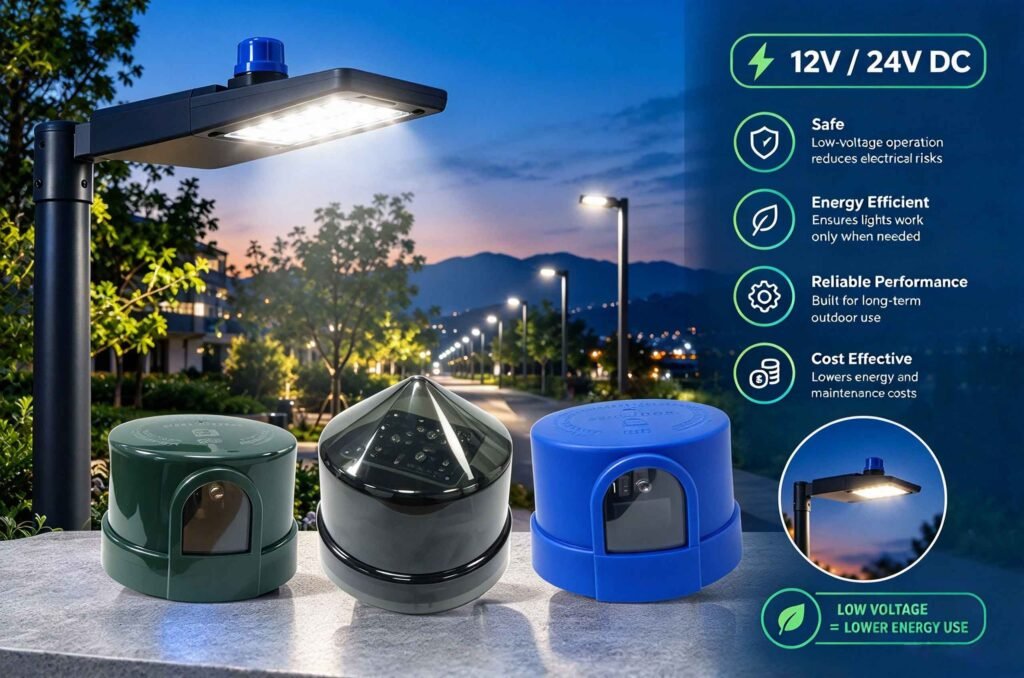
Os futuros sistemas de iluminação darão ênfase à redução do consumo de energia elétrica, mantendo o alto desempenho. Os controladores de fotocélulas, quando combinados com a tecnologia LED, desempenham um papel fundamental para atingir esse objetivo. Os LEDs já consomem consideravelmente menos energia do que a iluminação convencional e, quando combinados com sistemas de controle inteligentes, sua eficiência é ainda maior.
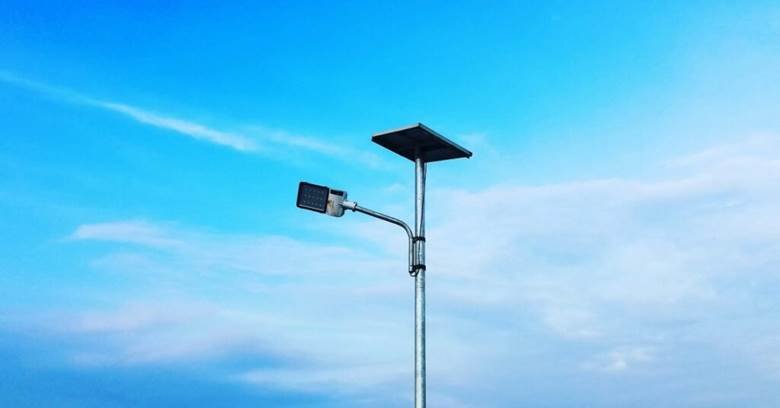
Uma das tendências mais promissoras é a assimilação de fontes de energia renováveis, como a energia solar. Postes de iluminação pública movidos a energia solar e equipados com células fotovoltaicas podem funcionar de forma independente da rede elétrica, reduzindo os custos com eletricidade e aumentando a flexibilidade em áreas remotas ou com infraestrutura precária.
Outra invenção importante é o escurecimento adaptativo. Em vez de funcionar com brilho máximo durante toda a noite, os sistemas de iluminação podem regular a intensidade com base nas circunstâncias reais. Isso pode diminuir o consumo de energia e reduzir o desgaste dos componentes, prolongando sua vida útil.
As próximas soluções de iluminação também destacarão:
- Materiais ecológicos
- Emanações de carbono abreviadas
- Componentes duráveis para minimizar o desperdício.
À medida que os municípios se esforçam para atingir as metas climáticas e diminuir as despesas operacionais, a demanda por sistemas de iluminação sustentáveis e com eficiência energética continuará a crescer.
Como os sistemas de LED e de controle em rede moldarão o futuro?
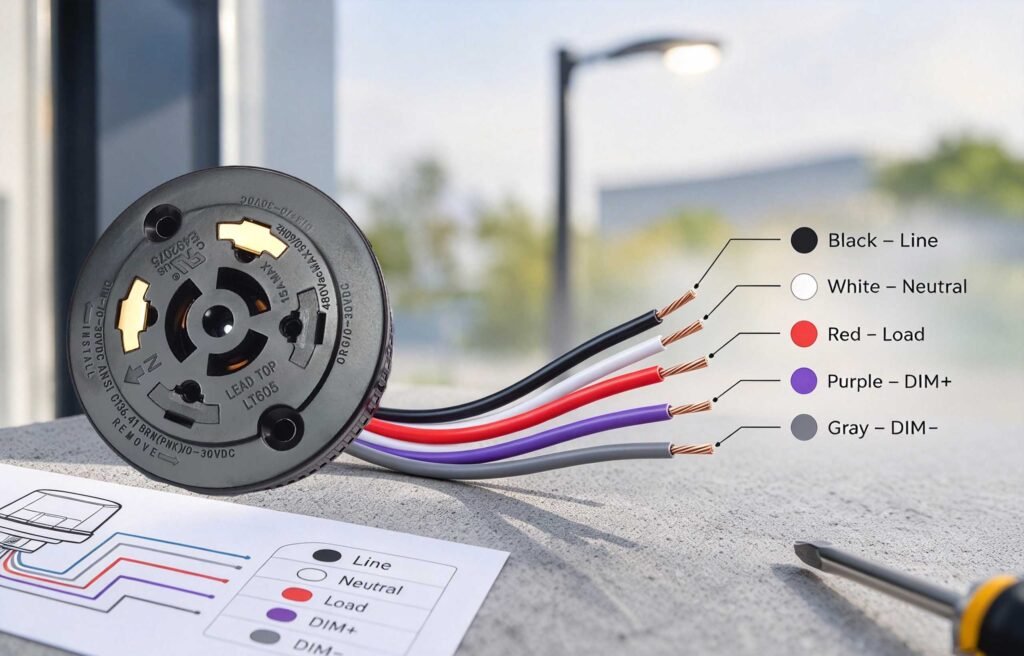
A combinação de iluminação LED e sistemas de controle em rede está transformando a iluminação externa. Conectores inovadores de 5 pinos e Controladores de fotocélula de 7 pinos São projetadas para dar suporte a esses sistemas, permitindo gerenciamento integrado e maior funcionalidade.
Diferentemente dos dispositivos isolados tradicionais, as fotocélulas em rede podem se conectar a plataformas baseadas em nuvem, permitindo que os operadores controlem redes de iluminação inteiras a partir de uma única interface. Isso oferece inúmeras vantagens:
- Monitoramento remoto do desempenho da iluminação
- Planejamento e controle integrados
- Detecção e relatório de falhas reais
- Otimização do consumo de energia orientada por dados
Com acesso a dados históricos, as metrópoles podem estudar padrões e encontrar oportunidades para economizar mais energia. Por exemplo, zonas com tráfego constantemente baixo podem ser programadas para níveis de iluminação reduzidos, enquanto áreas de alta atividade recebem iluminação reforçada.
Essa tática orientada por dados pode aumentar a eficiência e também apoiar uma melhor tomada de decisões para futuros investimentos em infraestrutura.
Quais são as principais tecnologias que impulsionam os sistemas de iluminação em rede?
Tabela 1: Tecnologias Essenciais na Iluminação Exterior do Futuro
| Tecnologia | Função | Beneficiar |
| Conectividade IoT | Permite a comunicação do dispositivo | Monitoramento e controle em tempo real |
| Iluminação LED | Iluminação com eficiência energética | Consumo de energia reduzido |
| Controladores de fotocélula | Controle automático de luz | Uso otimizado de energia |
| Plataformas em nuvem | Gestão centralizada de dados | Melhoria na tomada de decisões |
Como você pode se preparar para o futuro do controle de iluminação externa?
Com a evolução contínua da tecnologia, preparar-se para o futuro é fundamental para maximizar o retorno do investimento. Municípios e organizações devem adotar uma postura progressista ao aprimorar seus sistemas de iluminação.
O primeiro passo é aprimorar a infraestrutura atual com controladores de fotocélulas prontos para rede. Isso garante a compatibilidade com futuros sistemas de cidades inteligentes e evita a necessidade de substitutos caros posteriormente.
Outra preocupação importante é a compatibilidade do dispositivo. Selecionar produtos que suportem princípios amplamente reconhecidos, como... Livro 18 de Zhaga, Oferece facilidade de manuseio e escalabilidade. Sistemas modulares permitem que componentes sejam elevados ou substituídos sem a necessidade de reformular toda a rede.
O planejamento também deve incluir:
- Escolher dispositivos com capacidades de integração com a IoT
- Garantir a compatibilidade com sistemas de iluminação LED
- Levando em consideração o crescimento e a escalabilidade futuros.
Tabela 2: Benefícios dos Sistemas Avançados de Fotocélulas
| Beneficiar | Impacto |
| Economia de energia | Consumo de eletricidade reduzido |
| Integração inteligente | Conexão ininterrupta com sistemas de IoT |
| Manutenção preditiva | Menos despesas com reparos e tempo de inatividade |
| Proficiência funcional | Controle e automação aprimorados |
Perguntas frequentes (FAQ)
Qual é o futuro do controle da iluminação pública?
O futuro reside em sistemas habilitados para IoT, incorporação de cidades inteligentes e soluções altamente eficientes em termos energéticos que combinam automação com análise de dados em tempo real.
As fotocélulas atuais podem funcionar com os sistemas futuros?
Sim, os controladores de fotocélulas modernos de 5 e 7 pinos são projetados para serem compatíveis com redes de iluminação inteligentes inovadoras.
Quem fornece fotocélulas confiáveis para sistemas preparados para o futuro?
Fabricantes como a Lead Top fornecem controladores de fotocélulas projetados para aplicações em LED e cidades inteligentes, garantindo compatibilidade e desempenho de longa duração.
Como as fotocélulas em rede melhoram a eficiência?
Elas permitem monitoramento centralizado, dimerização adaptativa e manutenção preditiva, o que reduz consideravelmente o consumo de energia e os custos operacionais.
Conclusão:
O período de 2026 a 2030 trará avanços importantes no controle da iluminação externa, impulsionados pela integração de cidades inteligentes, eficiência energética e tecnologias em rede.
À medida que os municípios continuam a melhorar, o papel dos controladores de fotocélulas evoluirá de simples dispositivos de comutação para componentes inteligentes de infraestrutura conectada. Esses sistemas permitirão uma melhor supervisão de energia, maior segurança e operações mais eficientes.
Organizações que investirem agora em soluções de iluminação preparadas para o futuro estarão em melhor posição para se adaptar às mudanças tecnológicas e obter economias de custos duradouras.
Empresas como a Lead Top estão, atualmente, na vanguarda, propondo soluções inovadoras de fotocélulas compatíveis com sistemas de LED, plataformas de IoT e projetos de cidades inteligentes.
Em última análise, a perspectiva da iluminação exterior não se resume apenas à iluminação em si, mas sim à criação de ambientes metropolitanos inteligentes, sustentáveis e conectados.
Chamada para ação (CTA)
- Solicite uma amostra grátis – Explore soluções de fotocélulas preparadas para o futuro
- Contate o responsável principal – Planeje a integração da sua iluminação inteligente.
- Solicite a lista de preços – Opções OEM e para grandes quantidades disponíveis.


 English
 Portuguese (Brazil)
 Spanish
 Russian
 Dutch
Dutch Japanese
 Portuguese (Portugal)