Municípios em todo o mundo estão se transformando rapidamente em ambientes orientados por dados. Por meio de sensores, redes de comunicação, plataformas em nuvem e inteligência artificial, sistemas de infraestrutura antiquados que antes operavam de forma autônoma estão se tornando interconectados.
Essa mudança está transformando o papel da plataforma de iluminação inteligente nos municípios contemporâneos. As redes de iluminação pública agora funcionam como camadas de comunicação, plataformas de sensoriamento e sistemas de inteligência operacional que dão suporte a extensos ambientes de cidades inteligentes.
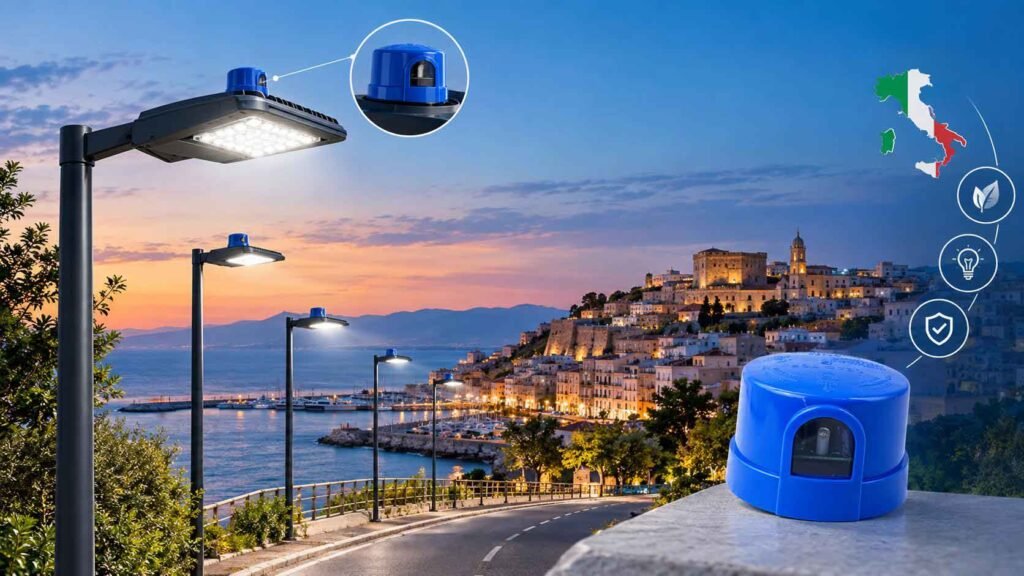
No ponto médio dessa conversão está a evolução das tecnologias de controle de luz por fotocélula elétrica e fotocélula inteligente. Antes vistas como simples interruptores do anoitecer ao amanhecer, as modernas fotocélulas Estão se tornando dispositivos de sensoriamento inteligentes que dão suporte à infraestrutura urbana conectada.
À medida que os municípios continuam investindo em tecnologias de IoT urbana e sistemas de iluminação com IA, a infraestrutura de iluminação inteligente está se tornando uma das maiores plataformas de dados urbanos distribuídos do mundo.
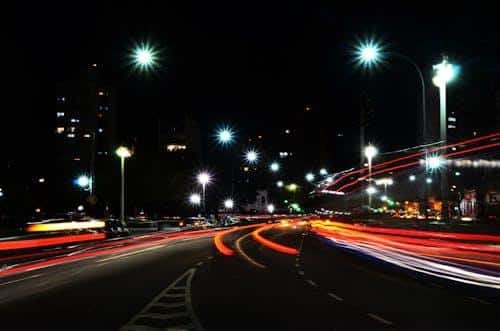
Por que a iluminação inteligente está evoluindo para além da simples iluminação?
Garantir a visibilidade noturna: Durante décadas, os sistemas de iluminação pública tiveram um objetivo principal. Hoje em dia, porém, os municípios exigem muito mais de sua infraestrutura.
Os governos urbanos enfrentam desafios crescentes relacionados a:
- Consumo de energia
- Engarrafamento
- Segurança pública
- Manutenção de infraestrutura
- Monitoramento ecológico
- Escalabilidade de cidades inteligentes
Para enfrentar esses desafios, os municípios estão investindo cada vez mais em sistemas de infraestrutura conectados, capazes de coletar e processar dados operacionais.
Como está mudando a infraestrutura das cidades inteligentes?
A infraestrutura moderna de cidades inteligentes depende profundamente de sistemas interconectados que se comunicam incessantemente.
Exemplos incluem:
- Redes de transporte inteligentes
- Sistemas de tráfego inteligentes
- Gestão de serviços públicos conectados
- sistemas de monitoramento com inteligência artificial
- Serviços públicos adaptáveis
A infraestrutura de iluminação pública está se tornando um dos componentes mais importantes nessa renovação digital, visto que os sistemas de iluminação já existem em todo o ambiente urbano.
Os postes de iluminação oferecem:
- Acesso elétrico
- Ampla cobertura geográfica
- Montagem de equipamentos elevados
- Operação ininterrupta
Por que os sistemas de iluminação estão se tornando nós de comunicação?
Os sistemas de iluminação atuais oferecem suporte cada vez maior a:
- Comunicação sem fio
- IoT conectividade
- Integração de sensores
- Gestão baseada na nuvem
- Monitoramento real
Isso permite que as redes de iluminação funcionem como:
- Nós de comunicação
- Sistemas de monitoramento de infraestrutura
- Plataformas de sensoriamento ecológico
- Camadas de infraestrutura habilitadas por IA
Em vez de operarem de forma autônoma, os modernos sistemas de iluminação inteligente se integram às plataformas centrais de gerenciamento urbano.
Como as fotocélulas elétricas possibilitam sistemas de iluminação inteligentes?
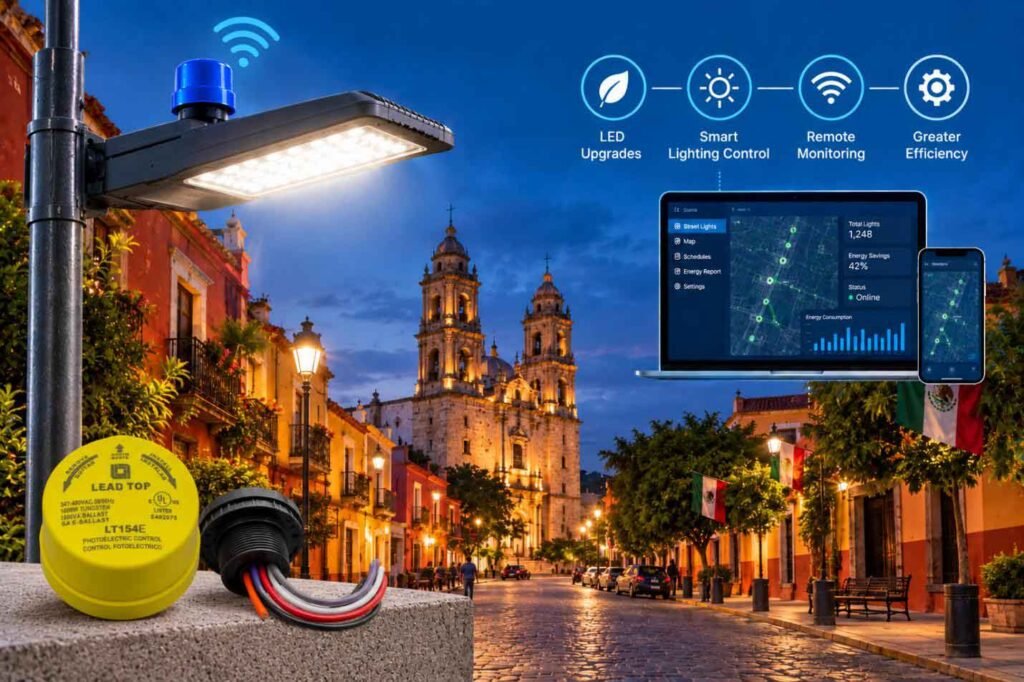
A moderna fotocélula elétrica não se limita mais à simples operação de ligar/desligar. Os sistemas inteligentes de controle de iluminação por fotocélula estão se tornando componentes importantes na infraestrutura de iluminação conectada.
As fotocélulas antigas funcionavam através de uma lógica básica de detecção de luz:
- Ligar ao anoitecer
- Desligue ao amanhecer
Que funções as fotocélulas modernas desempenham?
Sistemas avançados de interruptores com sensores fotocélula para uso externo agora permitem:
- Controle adaptativo de iluminação
- Diagnóstico remoto
- Incorporação da comunicação
- sistemas de dimerização inteligentes
- Otimização de energia
- Automação de infraestrutura
Iluminação adaptativa
Os sistemas de iluminação adaptativa ajustam roboticamente o comportamento da iluminação com base em condições reais, tais como:
- Movimento de tráfego
- Atividade de pedestres
- Situação climática
- Hora da noite
- Eventos de emergência
Automação de infraestrutura
A automação melhora consideravelmente a eficiência operacional urbana.
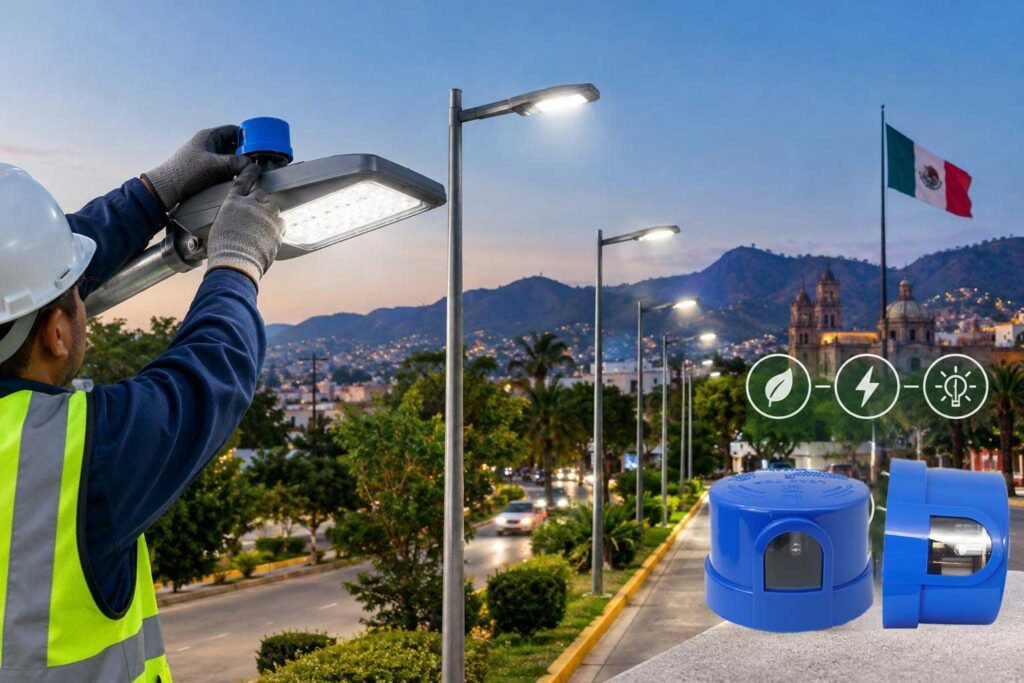
Os modernos sistemas de controle de luz por fotocélulas ajudam as cidades:
- Abolir a comutação manual
- Reduzir erros operacionais
- Melhorar a gestão de energia
- Requisitos de manutenção reduzidos
- Melhorar a confiabilidade da infraestrutura
Como os sensores de iluminação externa estão se tornando pontos de coleta de dados?
A infraestrutura de iluminação moderna está se tornando uma das redes de sensores distribuídos mais valorizadas em municípios inteligentes.
O sensor fotocélula tradicional para iluminação externa está se transformando em um dispositivo de infraestrutura multifuncional capaz de suportar inteligência operacional real.
Os modernos sistemas de sensores de luz fotocélula para exteriores podem suportar:
- Análise de padrões de tráfego
- Monitoramento ecológico
- Monitoramento do consumo de energia
- Diagnóstico de infraestrutura
- Relatórios de status operacional
Essas informações podem ajudar as cidades a otimizar as operações urbanas de forma mais eficiente.
Por que a IA precisa de infraestrutura de iluminação inteligente?
Inteligência artificial dependem fortemente da coleta de dados. Sem redes de sensores em larga escala, os sistemas de IA não podem operar com sucesso.
A infraestrutura de iluminação oferece uma das maiores e mais escaláveis redes distribuídas disponíveis em municípios modernos.
Otimização de tráfego orientada por IA
Sistemas de gestão urbana baseados em IA examinam dados da infraestrutura de iluminação para dar suporte a:
- Otimização de tráfego
- Monitoramento de infraestrutura
- Análise de segurança pública
- Gestão de energia
- Manutenção preditiva
Os sistemas de iluminação conectados geram constantemente informações operacionais que as plataformas de IA podem processar em tempo real.
Manutenção preditiva
Os sistemas de manutenção tradicionais são reativos. Os problemas só são resolvidos depois que as falhas ocorrem.
Sistemas baseados em IA podem prever:
- Desgaste do equipamento
- Possíveis falhas
- Requisitos de manutenção
- Incerteza de energia
Isso ajuda os municípios:
- Reduzir o tempo de inatividade
- Custos de manutenção mais baixos
- Melhorar a confiabilidade da infraestrutura
Gestão de infraestrutura em tempo real
Plataformas centralizadas de cidades inteligentes permitem que os operadores monitorem milhares de pontos de iluminação simultaneamente.
Os benefícios incluem:
- Detecção de erros mais rápida
- Ajuste dinâmico de iluminação
- Melhoria da eficiência operacional
- Menor consumo de energia
Quais são as opções de iluminação inteligente recomendadas? Configurações para infraestrutura orientada por IA?
Solução de Iluminação DALI para Cidades Inteligentes
Combinação recomendada
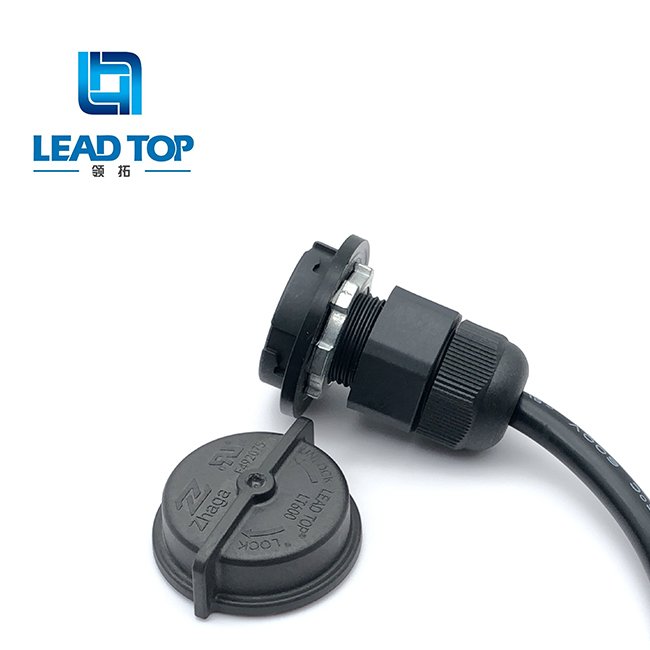
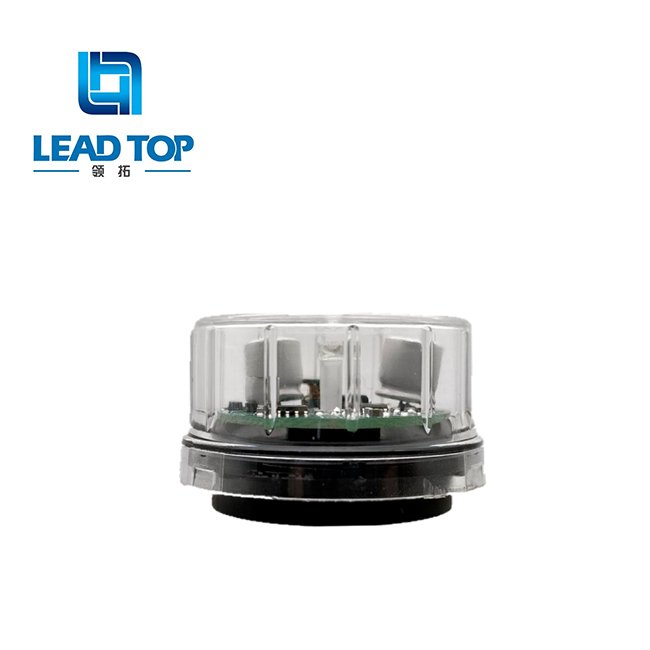
Melhores aplicativos
- projetos europeus de cidades inteligentes
- Sistemas de iluminação adaptativa
- Infraestrutura de postes inteligentes
- Iluminação conectada baseada em DALI
Principais benefícios
| Recurso | Vantagem |
| Conformidade com o Livro 18 de Zhaga | integração inteligente padronizada |
| Suporte para controle inteligente DALI | Gestão avançada de iluminação digital |
| Design compacto pronto para IoT | Implantação mais fácil de cidades inteligentes |
| compatibilidade com infraestrutura inteligente | Apoia a expansão urbana futura |
| Arquitetura modular | Simplifica a manutenção e as atualizações. |
Declaração de Posicionamento
Essa configuração oferece suporte a ambientes de iluminação preparados para o futuro, projetados para infraestrutura de cidades inteligentes.
Solução de iluminação viária de nível infraestrutural
Combinação recomendada
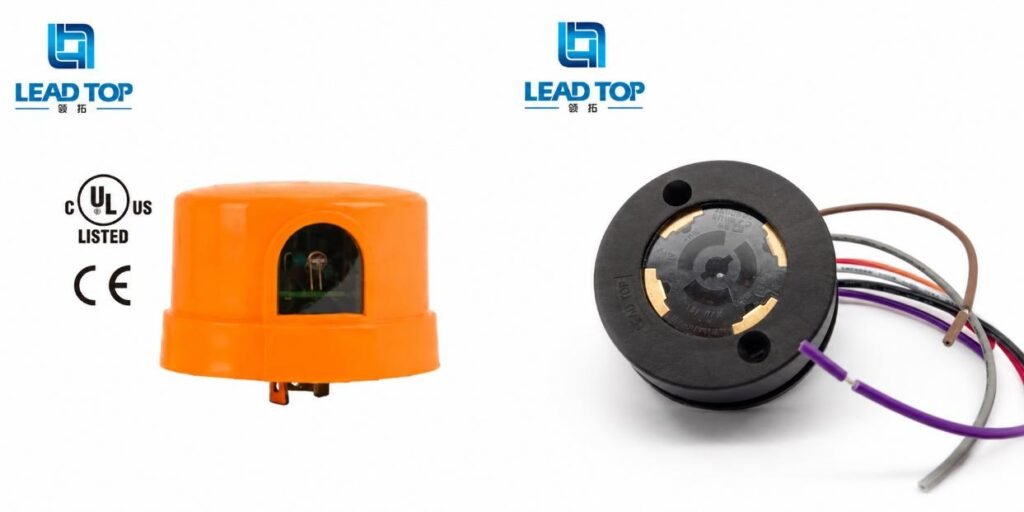
Melhores aplicativos
- Sistemas rodoviários municipais
- Infraestrutura rodoviária inteligente
- Ampla implantação urbana
Principais benefícios
| Capacidade Técnica | Benefício da infraestrutura |
| Compatibilidade com ANSI | Suporta sistemas rodoviários padronizados |
| Proteção contra surtos | Melhora a confiabilidade em ambientes externos. |
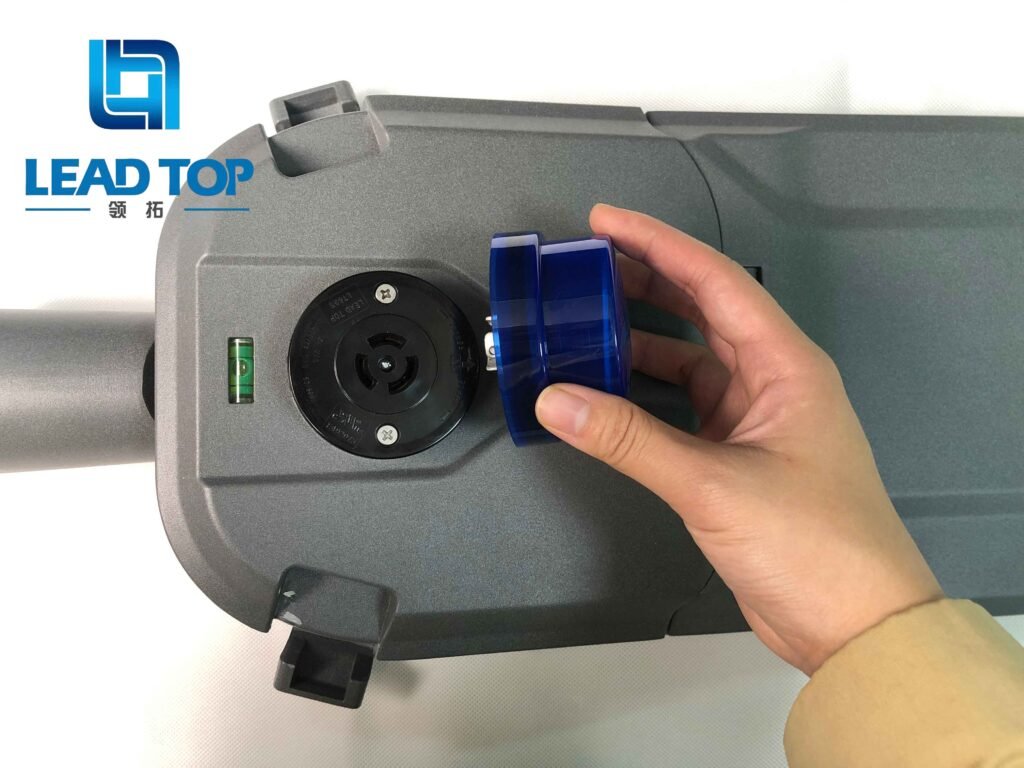
| Tomada inteligente | Possibilita futuras atualizações inteligentes |
| Desempenho confiável em ambientes externos | Operação estável a longo prazo |
| Compatibilidade com LED | Suporta iluminação rodoviária moderna. |
Por que o futuro da iluminação inteligente está na infraestrutura conectada?
Os municípios do futuro integrarão cada vez mais:
- Iluminação conectada
- Sistemas de gestão de tráfego
- Monitoramento ecológico
- Redes de comunicação
- Utilitários inteligentes
- Plataformas operacionais baseadas em IA
Os sistemas de iluminação estão se tornando uma parte vital dessa transição, pois já oferecem cobertura de infraestrutura em toda a cidade.
O que é a IoT urbana?
IoT urbana Refere-se a dispositivos de infraestrutura interconectados capazes de trocar informações reais.
Exemplos incluem:
- Sistemas de tráfego inteligentes
- Iluminação rodoviária conectada
- Sensores ecológicos
- Sistemas de estacionamento inteligentes
- plataformas de monitoramento de IA
Os modernos sistemas de iluminação inteligente estão se tornando componentes importantes nesses ambientes urbanos de IoT.
Que tecnologias poderão ser suportadas pelos futuros sistemas de iluminação?
A futura infraestrutura de iluminação inteligente poderá integrar:
- Câmeras
- Sensores ecológicos
- sistemas de carregamento de veículos elétricos
- Equipamento de comunicação sem fio
- Sistemas de monitoramento de tráfego
- Plataformas de Wi-Fi público
À medida que os municípios continuam a aceitar infraestruturas conectadas, as redes de iluminação funcionarão cada vez mais como plataformas tecnológicas urbanas multifuncionais.
Por que as fotocélulas inteligentes são mais importantes do que nunca?
As fotocélulas modernas não são mais simples interruptores crepusculares. Elas estão se tornando dispositivos de infraestrutura inteligentes que suportam:
- Otimização de energia
- Automação de infraestrutura
- Incorporação de sensores
- Escalabilidade de cidades inteligentes
- Confiabilidade operacional de longa duração
Confiabilidade da infraestrutura
Sistemas avançados de fotocélulas auxiliam os municípios:
- Evite comutação falsa
- Melhorar a consistência da iluminação
- Drivers de LED Shelter
- Reduzir as falhas operacionais
Economia de energia
A infraestrutura de iluminação representa uma parcela significativa do consumo de energia municipal.
As fotocélulas inteligentes ajudam a diminuir o desperdício através de:
- Detecção correta da luz do dia
- Escurecimento adaptativo
- Agendamento inteligente
- Ajuste dinâmico de iluminação
Redução de manutenção a longo prazo
Sistemas de iluminação conectados suportam:
- Manutenção preditiva
- Diagnóstico remoto
- Detecção automática de falhas
- Resposta de serviço mais rápida
Conclusão
Os sistemas de iluminação inteligentes estão se transformando rapidamente em plataformas de infraestrutura digital capazes de suportar a gestão urbana baseada em inteligência artificial.
As redes de iluminação modernas deixaram de ser sistemas passivos focados apenas na iluminação. Elas estão se tornando camadas de infraestrutura inteligentes que suportam:
- Coleta de dados
- Automação de infraestrutura
- Otimização de energia
- Manutenção preditiva
- Sistemas urbanos conectados
- Gestão operacional orientada por IA
A evolução das tecnologias de fotocélulas elétricas, sensores fotoelétricos externos e controle inteligente de iluminação por fotocélulas demonstra como os componentes de infraestrutura tradicionais estão se transformando em...
CTA
Descubra soluções inteligentes de fotocélulas e controle de iluminação compatíveis com Zhaga, desenvolvidas para infraestrutura urbana conectada e para o futuro das cidades inteligentes. Entre em contato com a Lead-Top para consultar especialistas sobre como construir uma infraestrutura de iluminação inteligente orientada por IA.
Referências:
- https://leaditop.com/product-2/
- https://en.wikipedia.org/wiki/Internet_of_things
- https://en.wikipedia.org/wiki/Artificial_intelligence
- https://leaditop.com/product/customizable-upgraded-models-highly-waterproof-zhaga-socket-lt600/
- https://leaditop.com/product/customizable-upgraded-models-ip68-highly-waterproof-zhaga-socket-lt600-2/
- https://leaditop.com/product/photo-electric-light-control-switch-120vac/
- Tomada dimerizável ANSI C136.41 5/7P LT605S com economia de espaço – topo com fio

 Portuguese (Portugal)
  English
  Portuguese (Brazil)
  Spanish
  Russian
  Dutch
Dutch  Japanese