Introdução
A iluminação pública das ruas segue um princípio operacional simples há décadas: as luzes acendem automaticamente ao pôr do sol e permanecem acesas até o amanhecer. A segurança viária, a visibilidade dos pedestres e a segurança noturna melhoraram graças a essa abordagem, mas, ao mesmo tempo, isso também significa que milhares de luminárias continuam funcionando mesmo quando as ruas estão vazias.
O aumento dos custos de eletricidade, as metas determinadas de redução de carbono, a crescente conscientização sobre a poluição luminosa e os rápidos avanços na tecnologia digital estão incentivando os municípios a repensarem o funcionamento da iluminação pública.
Um dos exemplos mais inovadores vem de Loos-en-Gohelle, na França, onde um projeto piloto chamado “J'allume ma rue” (Eu Ilumino Minha Rua) foi lançado em 9 de junho de 2026. Em vez de deixar as luzes acesas a noite toda, a cidade substituiu toda a sua rede de iluminação pública por luminárias de LED e adotou uma estratégia de iluminação sob demanda.
Este projeto representa muito mais do que uma iniciativa local de economia de energia. Ele demonstra uma ampla evolução em tecnologias como Iluminação Pública Adaptativa, Iluminação Sob Demanda, Iluminação Pública Inteligente, Controle de Iluminação Pública, Fotocélulas Inteligentes e Zhaga Book 18, que estão redefinindo a forma como os municípios equilibram sustentabilidade, eficiência operacional e segurança pública.

Por que as cidades estão repensando a iluminação noturna tradicional?
A iluminação pública tradicional serviu bem aos municípios durante décadas, mas foi desenvolvida numa época em que a energia elétrica era relativamente barata e os sistemas de iluminação ofereciam pouca flexibilidade operacional.
Muitas ruas habitadas apresentam pouca atividade entre a noite e o início da manhã. Apesar do tráfego nominal de pedestres ou automóveis, os sistemas de iluminação continuam funcionando com brilho máximo, consumindo eletricidade independentemente da presença de pessoas.
As cidades estão gradualmente reconhecendo alguns desafios associados à iluminação tradicional:
- consumo desnecessário de energia durante a noite
- aumento nas contas de eletricidade
- custos crescentes de manutenção
- excesso de emanações de carbono
- poluição luminosa
- visibilidade reduzida do céu noturno
- Horas de operação desnecessárias que reduzem o ciclo de vida do equipamento.
De repente, o desligamento total das luzes gera preocupações públicas legítimas.
Os cidadãos podem se preocupar com:
- segurança pessoal
- visibilidade de pedestres
- acesso de emergência
- dissuasão do crime
- segurança do bairro
O desafio não é mais simplesmente reduzir o consumo de eletricidade.
É aqui que a iluminação sob demanda começa a mudar a conversa.
Como a iluminação sob demanda cria um melhor equilíbrio?
Em vez de tratar a iluminação como totalmente ligada ou completamente desligada, os sistemas baseados na demanda introduzem um modelo de funcionamento muito mais flexível.
A iluminação fica disponível exatamente quando necessária.
O projeto-piloto francês demonstra esse conceito de forma eficiente.
Durante determinados horários noturnos, as luzes permanecem apagadas para eliminar o consumo desnecessário de eletricidade.
No entanto, se os moradores precisarem de iluminação enquanto caminham para casa, andam de bicicleta, se exercitam ou acessam instalações públicas, eles simplesmente ativam a iluminação dos vizinhos por meio de um aplicativo de iluminação inteligente.
A iluminação permanece ativa por um período predefinido antes de retornar automaticamente ao modo de espera.
Essa abordagem traz inúmeros benefícios importantes.
Em primeiro lugar, o consumo de energia diminui consideravelmente porque as luminárias funcionam apenas quando há pessoas presentes.
Em segundo lugar, os cidadãos mantêm a confiança sabendo que a iluminação continua imediatamente disponível.
Em terceiro lugar, as cidades evitam as preocupações políticas e sociais frequentemente associadas ao encerramento permanente das atividades noturnas.
Isso representa uma mudança significativa da infraestrutura sempre ativa para a infraestrutura responsiva.
Quais soluções Lead-Top são compatíveis com iluminação inteligente sob demanda?
Projetos de iluminação adaptativa bem-sucedidos dependem de componentes de controle de iluminação confiáveis, capazes de suportar a futura infraestrutura inteligente.
A Lead-Top oferece soluções projetadas especificamente para aplicações de iluminação externa conectada.

| Produto | Função principal | Aplicações ideais | Principais vantagens |
| Sensor de iluminação LT6002 Zhaga Book 18 | Interface de sensor inteligente | Iluminação pública adaptativa, cidades inteligentes, iluminação IoT | Instalação plug-and-play, compatibilidade com sensores inteligentes, arquitetura escalável |
| Fotocontrolador de dimerização LT154 ANSI C136.41 | controle de iluminação inteligente | Estradas municipais, rodovias, redes de iluminação interligadas | Capacidade de dimerização, compatibilidade com LED, design preparado para dispositivos inteligentes, longa vida útil. |
Em conjunto, esses produtos apoiam a transição das cidades da iluminação convencional para sistemas de iluminação pública inteligentes e totalmente conectados.
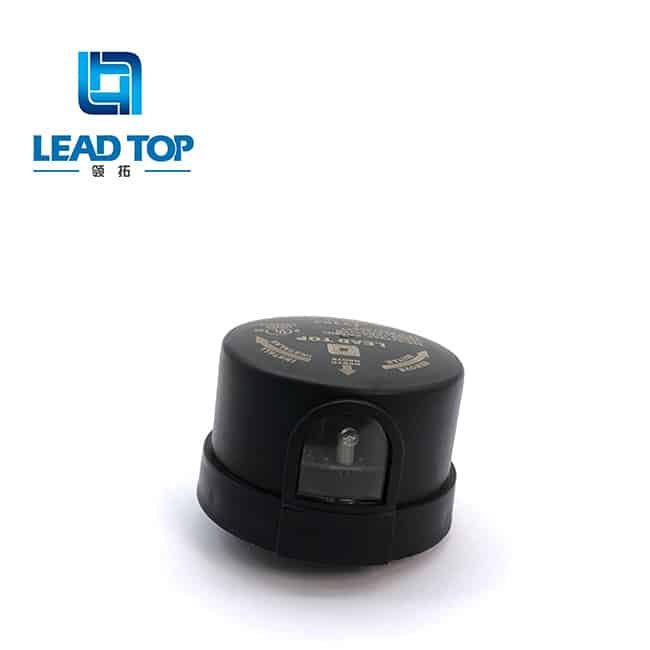
Em vez de encarar a iluminação exclusivamente como iluminação pública, as cidades consideram cada vez mais as redes de iluminação como plataformas urbanas inteligentes, capazes de se adaptar às necessidades comunitárias em constante mudança.
Embora cada cidade escolha estratégias de implementação diferentes, a direção geral é clara.
A iluminação está se tornando:
- responsivo
- conectado
- orientado por dados
- focado no cidadão
- ecologicamente responsável
Perguntas frequentes
| Pergunta | Responder |
| O que é iluminação sob demanda? | Para diminuir o consumo desnecessário de energia, a Iluminação Sob Demanda permite que a iluminação pública seja acionada somente quando solicitada pelos usuários ou ativada por sensores. |
| O que é iluminação pública adaptativa? | A iluminação pública adaptativa ajusta roboticamente o brilho de acordo com o tráfego, pedestres, clima ou outras situações em tempo real. |
| Como uma fotocélula inteligente melhora a iluminação externa? | Com sistemas de iluminação inteligentes, a Smart Photocell proporciona uma verdadeira transição do anoitecer ao amanhecer, melhorando a iluminação. LIDERADO Compatibilidade, maior confiabilidade e melhor integração. |
| Por que o Livro 18 de Zhaga é importante? | O Zhaga Book 18 padroniza as interfaces de iluminação inteligente, tornando a futura instalação de sensores mais rápida, fácil e econômica. |
| A iluminação sob demanda pode melhorar tanto a segurança quanto a eficiência energética? | Sim. Os municípios podem reduzir o consumo de eletricidade e, ao mesmo tempo, manter a disponibilidade de iluminação para os moradores durante as atividades noturnas, fornecendo iluminação apenas quando necessário. |
Conclusão
A inovadora iniciativa francesa “J'allume ma rue” demonstra como a iluminação pública está evoluindo de infraestrutura estática para serviços urbanos inteligentes. As cidades estão adotando estratégias de Iluminação Sob Demanda e Iluminação Pública Adaptativa que fornecem luz exatamente quando e onde é necessário, em vez de depender de iluminação noturna permanente.
Essa abordagem ajuda os municípios a lidar com diversas prioridades simultaneamente: diminuir o consumo de energia, minimizar a poluição luminosa, reduzir os custos operacionais e manter a confiança pública na segurança noturna. À medida que as redes de iluminação se tornam cada vez mais interconectadas, tecnologias como os controles de fotocélulas inteligentes, as plataformas de controle de iluminação pública e as interfaces Zhaga Book 18 oferecem a flexibilidade necessária para o desenvolvimento futuro de cidades inteligentes.
As cidades estão construindo ecossistemas de iluminação inteligentes que podem evoluir juntamente com as diferentes necessidades urbanas, em vez de simplesmente substituir luminárias antigas por LEDs. A transição da iluminação "sempre ligada" para a iluminação "sob demanda" representa um passo importante rumo a municípios mais sustentáveis, centrados no cidadão e digitalmente conectados.
Chamada à ação
Planeja modernizar sua rede de iluminação metropolitana ou implementar controles inteligentes de iluminação externa?
A Lead-Top oferece um portfólio completo de sensores Zhaga Book 18, fotocélulas com dimerização ANSI C136.41, interfaces de iluminação inteligente e componentes de iluminação externa inteligentes, projetados para dar suporte a projetos de iluminação pública adaptáveis, conectados e preparados para o futuro.
Nossa equipe de engenharia pode ajudá-lo a selecionar soluções confiáveis que melhorem a eficiência, simplifiquem a manutenção e preparem sua infraestrutura para o futuro, seja para uma modernização da iluminação em LED ou para o desenvolvimento de um sistema de iluminação inteligente totalmente conectado.
Entre em contato com a Lead-Top hoje mesmo para consultoria técnica, OEM/ODM Suporte, recomendações de produtos personalizadas e assistência profissional para o seu próximo projeto de iluminação inteligente.
Referências:
- https://leaditop.com/product/zhaga-socket-connected-dali-2-0-protocol-and-0-10v-dimming-control-luminaire-lighting-2/
- https://leaditop.com/product/photoelectric-switch-8a-e-ballast-led-sensor-led-streetlight-electronic-controller-ansi-773-nema-photocell/
- https://en.wikipedia.org/wiki/Original_design_manufacturer
- https://en.wikipedia.org/wiki/Light-emitting_diode


 English
 Portuguese (Brazil)
 Spanish
 Russian
 Dutch
Dutch Japanese
 Portuguese (Portugal)